
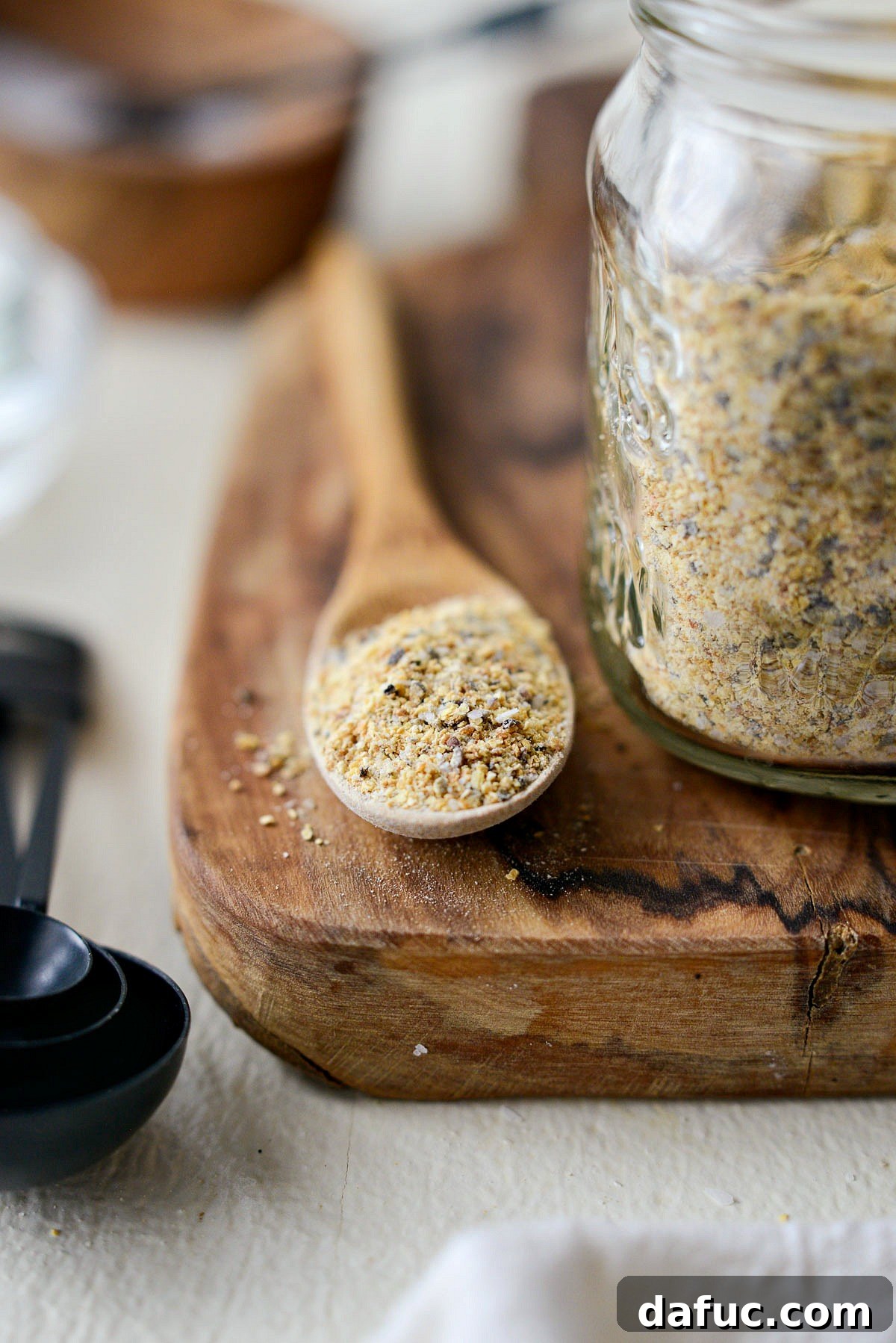
Mastering Flavor: The Ultimate Homemade Lemon Pepper Seasoning
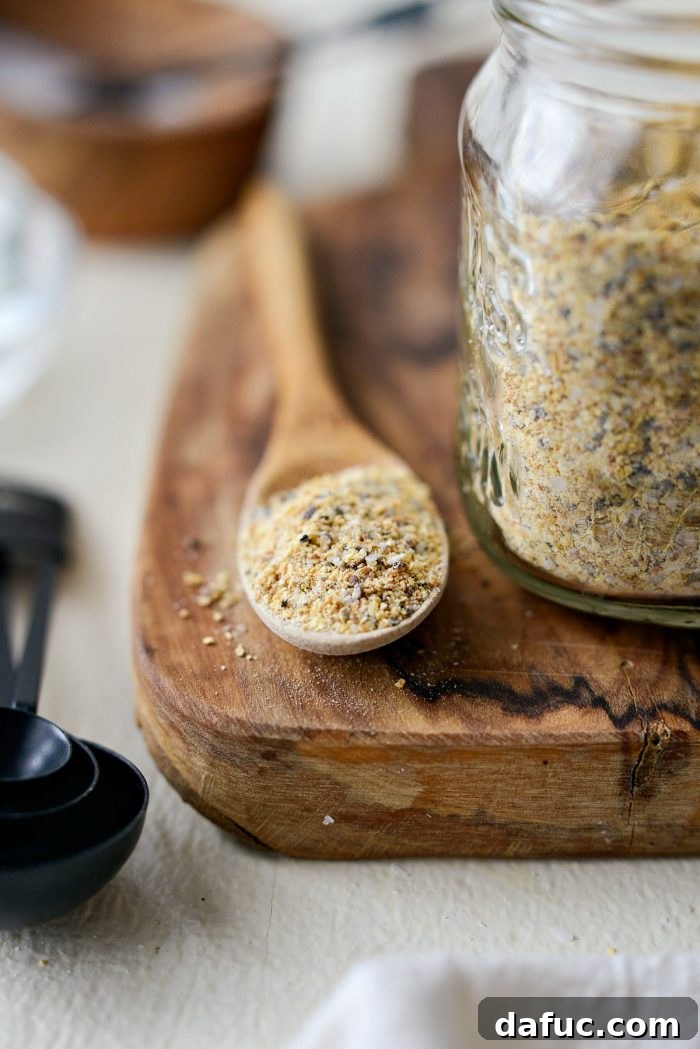
Tired of bland, store-bought seasonings filled with mysterious additives? It’s time to take control of your kitchen and elevate your culinary creations with a simple yet incredibly potent homemade spice blend. Our Homemade Lemon Pepper Seasoning is a game-changer, offering a burst of vibrant citrus and pungent spice that will transform everyday meals into extraordinary dining experiences. Forget the lengthy processes; this much easier version makes approximately 1/2 cup of pure, zesty goodness, perfect for flavoring chicken, seafood, vegetables, or enhancing your favorite marinades.
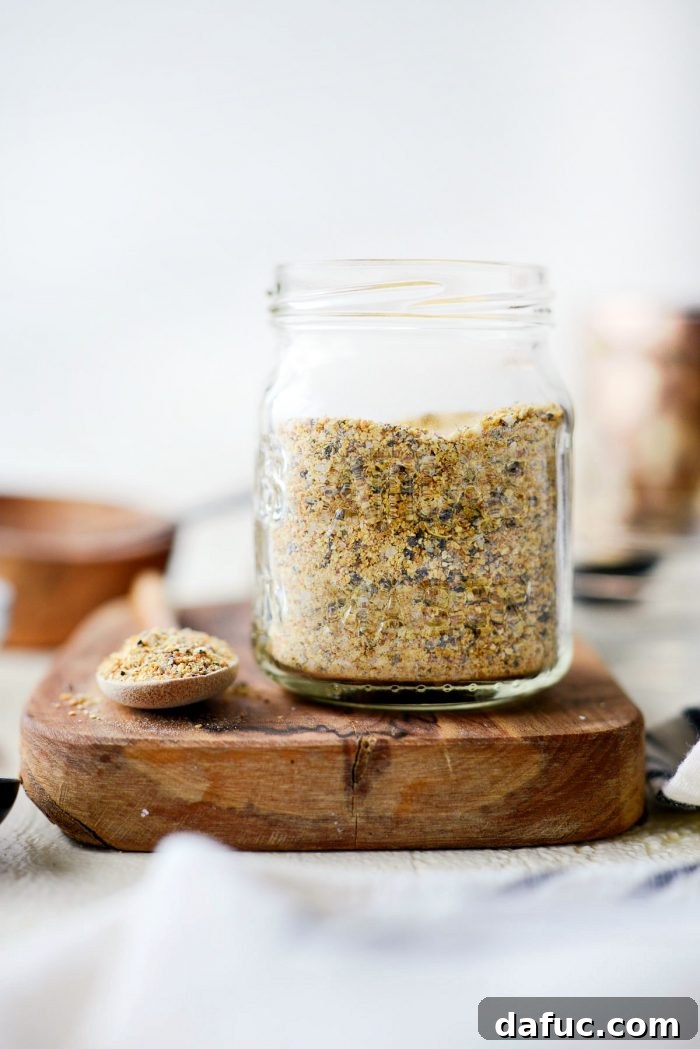
For years, the idea of creating my own lemon pepper seasoning felt like an ambitious project. I even had an earlier recipe on this blog that involved the time-consuming process of dehydrating lemon peels from scratch. While rewarding, the effort often deterred me from making it regularly. The truth is, convenience often wins in a busy kitchen, and that intricate method simply wasn’t practical for daily use.
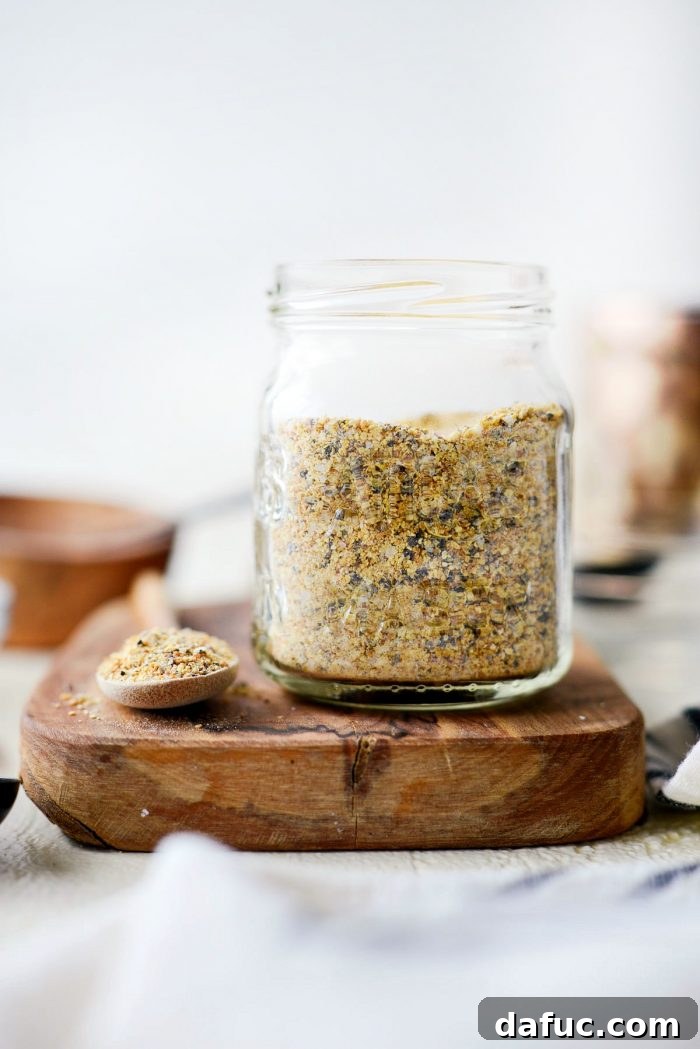
That’s why I’m thrilled to share this significantly simpler and equally delicious recipe. This version cuts down on prep time without compromising on flavor, allowing you to enjoy the unparalleled freshness of homemade lemon pepper whenever inspiration strikes. It’s proof that sometimes, the best recipes are the ones that simplify the process, making gourmet flavors accessible to everyone.
Why Bother Making Your Own Lemon Pepper Seasoning?
The culinary world is full of ready-made convenience, but some things are simply better homemade. Lemon pepper seasoning is a prime example. Here’s why ditching the store-bought version for your own DIY blend is a superior choice:
- Unmatched Freshness and Flavor: Commercial lemon pepper can often taste flat, dusty, or overly salty. By making your own, you control the quality and freshness of each ingredient. The vibrant tang of real dried lemon peel combined with freshly ground coarse black pepper creates an aromatic depth that mass-produced versions simply cannot replicate. Each sprinkle releases an explosion of bright, zesty, and peppery notes that awaken your palate.
- Control Over Ingredients: Many store-bought spice blends contain anti-caking agents, artificial flavors, excessive sodium, or even MSG. When you make it yourself, you know exactly what goes into your food. This is crucial for those with dietary restrictions, allergies, or who simply prefer a cleaner eating approach. You can easily adjust the salt content to your preference or omit any ingredient you wish.
- Customization to Your Taste: Do you prefer a more intense lemon kick? Or perhaps a bolder pepper bite? With this homemade recipe, you can fine-tune the ratios to perfectly match your personal flavor profile. Experiment with different types of peppercorns, adjust the garlic and onion powder, or even add a pinch of chili flakes for a spicy twist.
- Cost-Effective in the Long Run: While initial investment in individual spices might seem higher, buying dried lemon peel and whole peppercorns in bulk is often more economical than repeatedly purchasing small containers of pre-made seasoning. Plus, you’ll have these staple ingredients on hand for countless other recipes.
- No Unnecessary Fillers: Many commercial blends use fillers to bulk up the product without adding flavor. Your homemade blend is pure spice, pure flavor. Every pinch is concentrated goodness.
Essential Ingredients for Your Homemade Lemon Pepper Blend:
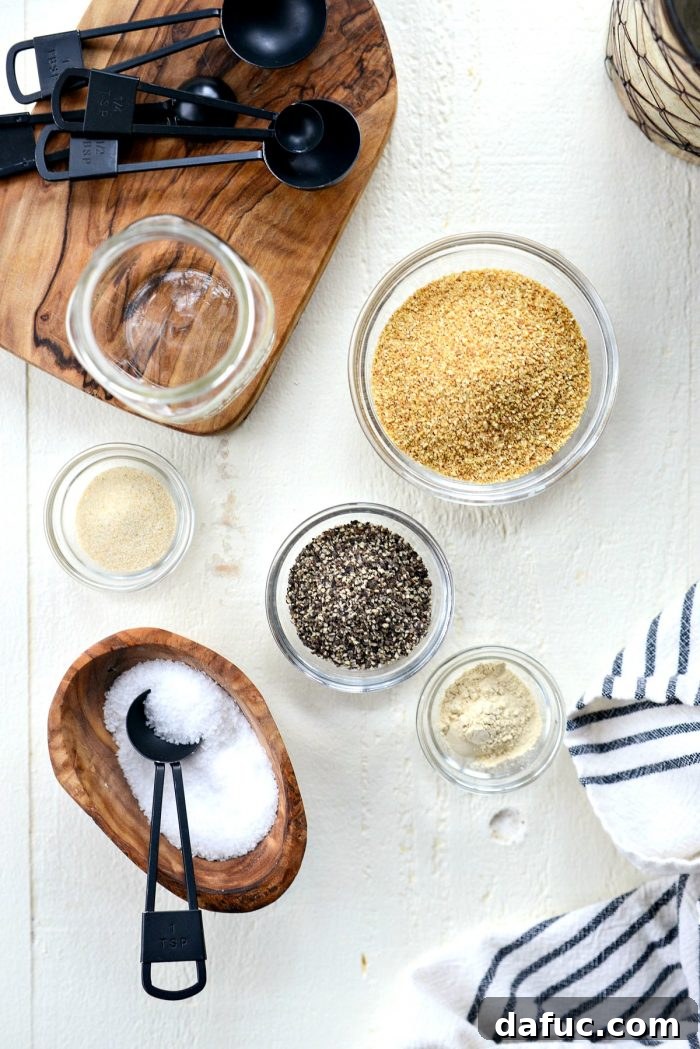
Creating this flavorful seasoning requires just a few pantry staples. Each ingredient plays a crucial role in building a balanced and aromatic profile:
- Dried Lemon Peel: This is the star of the show. Unlike fresh lemon zest which contains moisture, dried lemon peel offers a concentrated, intense citrus flavor that is shelf-stable. It provides that signature bright, tangy note. You can purchase dried lemon peel in the spice aisle or online, or even make your own by dehydrating lemon zest (though this recipe aims for simplicity by using pre-dried).
- Coarse Black Pepper: The “pepper” in lemon pepper. Using coarse-ground black pepper is key here. Its larger particles provide a more robust flavor and satisfying textural bite compared to fine pepper. Freshly ground coarse pepper will always yield the most pungent and aromatic results.
- Onion Powder: Adds a savory depth and subtle sweetness, rounding out the sharp lemon and pepper notes. It provides an umami backbone without the texture of fresh onion.
- Kosher Salt: Essential for enhancing all the other flavors. Kosher salt has a larger grain and purer taste than regular table salt, allowing for easier control over seasoning without over-salting.
- Garlic Powder: Aromatic and pungent, garlic powder complements both lemon and pepper beautifully, adding a layer of savory richness and complexity to the blend.
Simple Steps to Craft Your Own Lemon Pepper Seasoning:
The beauty of this recipe lies in its straightforwardness. No special equipment is needed, just a few moments of your time.
- Gather Your Ingredients: Ensure you have all the precise measurements ready for dried lemon peel, coarse black pepper, onion powder, kosher salt, and garlic powder. Accuracy here ensures a balanced flavor.
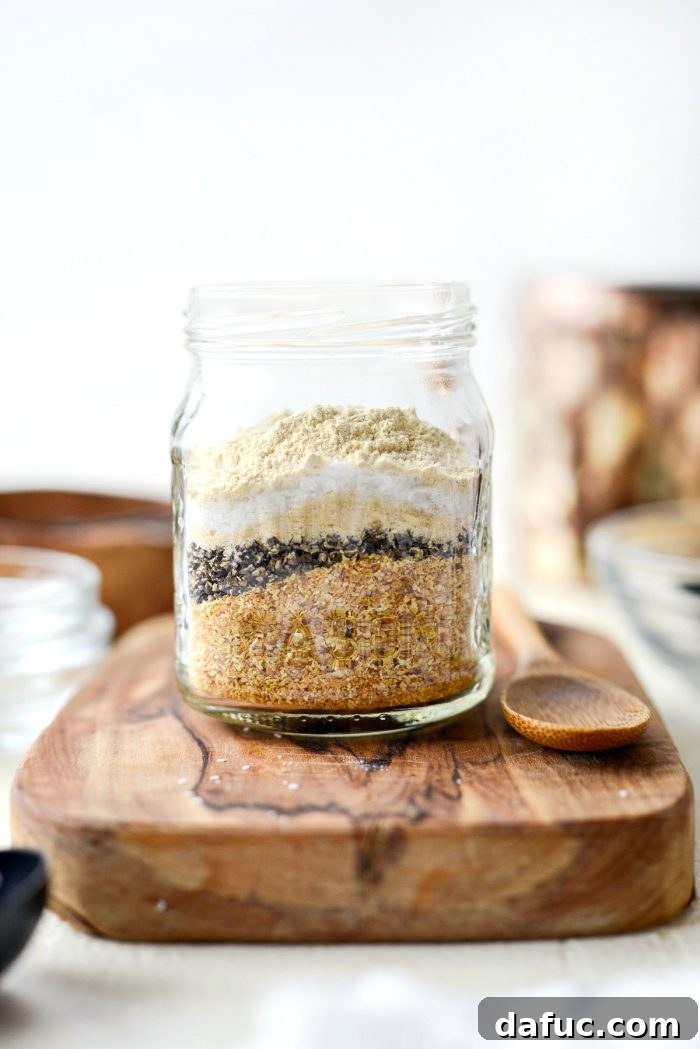
- Combine: In a medium-sized glass jar or mixing bowl, carefully combine 6 tablespoons of dried lemon peel, 2 tablespoons of coarse ground black pepper, 2 teaspoons of onion powder, 2 teaspoons of kosher salt, and 1-1/4 teaspoons of garlic powder. A glass jar with a tight-fitting lid is ideal as it can also be used for storage immediately.
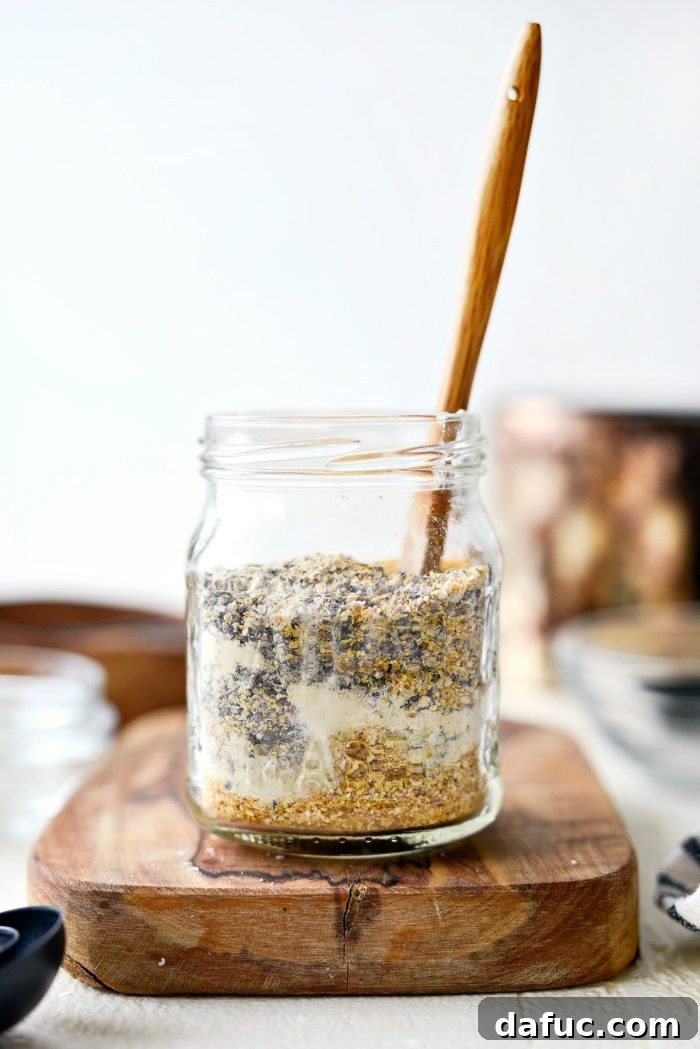
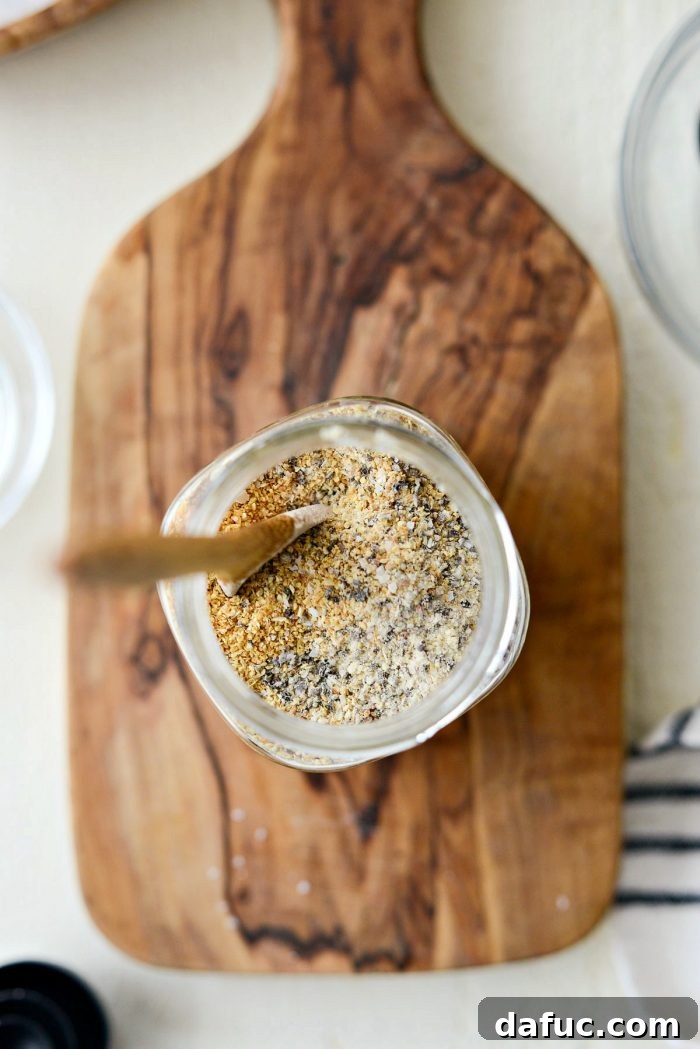
- Stir Thoroughly: Using a spoon or by shaking the sealed jar, stir or shake the mixture vigorously until all the ingredients are evenly distributed. You want to ensure that every particle of pepper, lemon, and spice is perfectly integrated, so each pinch of your seasoning delivers a consistent flavor profile. This step is crucial for preventing any single spice from overpowering the blend.
Storage & Shelf Life:
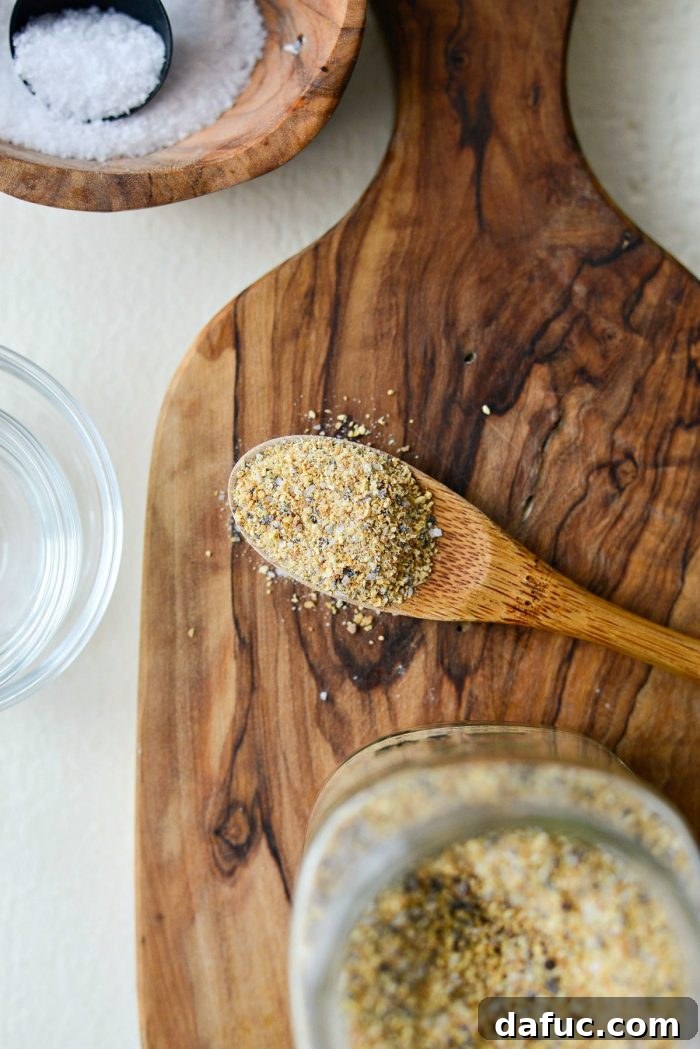
Once your homemade lemon pepper seasoning is perfectly blended, proper storage is key to maintaining its potency and extending its shelf life. Transfer the mixture to an airtight container – a glass spice jar works wonderfully. Store it in a cool, dark place away from direct sunlight, heat, and humidity. Your pantry or a kitchen cabinet is ideal. Stored correctly, this vibrant seasoning will remain fresh and flavorful for up to 6 months, often even longer. While it won’t spoil, its aromatic intensity might diminish over time, so aim to use it regularly for the best results.
Enjoy! The satisfaction of creating your own signature spice blend is immense. If you give this Homemade Lemon Pepper recipe a try, don’t keep it a secret! Share your culinary adventures. Snap a photo of your masterpiece and tag me on Twitter or Instagram!
Creative Ways to Use Your Homemade Lemon Pepper Seasoning
The versatility of homemade lemon pepper seasoning is truly impressive. It’s not just for chicken and fish! Here are myriad ways to incorporate this zesty blend into your cooking:
- Poultry Perfection: Rub it generously onto chicken breasts, thighs, or a whole roasted chicken before baking, grilling, or pan-frying. The lemon and pepper create a beautiful crust and infuse the meat with incredible flavor.
- Seafood Sensation: Sprinkle it over salmon fillets, shrimp, cod, or scallops. It brightens the natural taste of seafood without overpowering it. Perfect for grilling, baking, or searing.
- Vegetable Vibe: Toss it with roasted vegetables like asparagus, broccoli, green beans, or potatoes before roasting. It adds a delicious zest that makes veggies more appealing. Try it on corn on the cob!
- Marinades and Rubs: Use it as a base for your homemade marinades for meat and poultry. Combine with olive oil, a touch of fresh lemon juice, and herbs for a quick and flavorful soak. It also works wonderfully as a dry rub for grilling.
- Elevated Eggs: A dash in scrambled eggs, omelets, or sprinkled over a fried egg can instantly elevate your breakfast.
- Salad Dressings: Whisk it into your homemade vinaigrettes for a refreshing citrus kick. It pairs exceptionally well with simple olive oil and vinegar dressings.
- Pasta Dishes: Stir a teaspoon into your pasta water or sprinkle it over a finished pasta dish (especially those with olive oil, garlic, and fresh vegetables) for a burst of flavor.
- Popcorn and Snacks: For a zesty treat, sprinkle some lemon pepper seasoning over freshly popped popcorn, roasted nuts, or even homemade potato chips.
- Dips and Spreads: Mix it into yogurt-based dips, hummus, or cream cheese for a flavorful spread for crackers or vegetables.
- Tofu and Plant-Based Proteins: For vegetarian and vegan meals, lemon pepper is fantastic on roasted tofu, tempeh, or seitan, adding a much-needed layer of flavor.
Tips for Optimal Flavor and Storage
- Freshly Grind if Possible: While dried lemon peel is convenient, if you have whole dried lemon peels or black peppercorns, grinding them just before mixing will release the most potent aromatics and flavors. A spice grinder or coffee grinder dedicated to spices works wonders.
- Adjust Salt to Taste: The salt content in this recipe is a guideline. Feel free to reduce it if you’re on a low-sodium diet, or increase slightly if you prefer a saltier kick. Remember, you can always add more salt to your dish later, but you can’t take it out of the blend!
- Consider a Touch of Heat: For those who enjoy a little spice, a tiny pinch of cayenne pepper or red pepper flakes can be added to the blend. Start small and adjust to your preference.
- Keep it Dry: Moisture is the enemy of dried spices. Always use a dry spoon when taking seasoning from your jar to prevent clumping and preserve freshness.
- Small Batches are Best: While this recipe makes a good quantity, consider making smaller batches if you don’t use lemon pepper frequently. This ensures you’re always using the freshest, most potent seasoning.
Pin Recipe
Leave a Review »
24 (1 teaspoon) servings
Homemade Lemon Pepper Seasoning
Homemade Lemon Pepper Seasoning is an easy way to flavor chicken, seafood, or for seasoning marinades. This recipe makes 1/2 cup or 24 (1-teaspoon) servings.
5 mins
5 mins
Ingredients
- 6 tablespoons dried lemon peel
- 2 tablespoons black pepper, coarse freshly ground
- 2 teaspoons kosher salt
- 2 teaspoons onion powder
- 1¼ teaspoon garlic powder
Equipment
- Small (3.5oz) Spice Jars with Bamboo Lid
- Large (8.5oz) Spice Jars with Bamboo Lid
- Spice Labels
Instructions
- Measure and add the lemon peel and spices into a jar or container with a tight-fitting lid.
- Store in a dark, dry place for up to 6 months or longer.
Nutrition Information (per 1 teaspoon serving)
Serving: 1 teaspoon, Calories: 4 kcal, Carbohydrates: 1g, Protein: 1g, Fat: 1g, Saturated Fat: 1g, Polyunsaturated Fat: 1g, Monounsaturated Fat: 1g, Sodium: 194mg, Potassium: 16mg, Fiber: 1g, Sugar: 1g, Vitamin A: 5IU, Vitamin C: 5mg, Calcium: 8mg, Iron: 1mg
Laurie McNamara
Homemade Ingredients & Condiments
American
Frequently Asked Questions About Homemade Lemon Pepper Seasoning
- Can I use fresh lemon zest instead of dried lemon peel?
- While fresh lemon zest offers a bright aroma, it contains moisture that would significantly reduce the shelf life of your seasoning and could lead to clumping or mold. For a dry, shelf-stable blend, dried lemon peel is essential. If you want to use fresh zest, you would need to dehydrate it first until it’s completely dry and brittle.
- How long does homemade lemon pepper seasoning last?
- When stored in an airtight container in a cool, dark place, your homemade lemon pepper seasoning will stay fresh and potent for up to 6 months, and often even longer. While it won’t necessarily “spoil” past this point, its flavor and aroma will gradually diminish.
- What if I don’t have coarse black pepper?
- Coarse black pepper provides a distinct texture and a slower release of flavor. If you only have fine-ground black pepper, you can use it, but the overall texture and intensity might be slightly different. For best results, consider grinding whole black peppercorns yourself in a spice grinder for a coarser grind.
- Can I make this recipe spicier?
- Absolutely! For an extra kick, you can add a pinch of cayenne pepper, red pepper flakes, or even a bit of finely ground white pepper to your blend. Start with a quarter teaspoon and adjust to your preferred level of heat.
- Is this seasoning blend gluten-free and vegan?
- Yes, as long as your individual spices (dried lemon peel, black pepper, onion powder, kosher salt, and garlic powder) are pure and free from additives, this homemade lemon pepper seasoning is naturally gluten-free and vegan. Always check the labels of your purchased ingredients to be sure.
- Can I add other herbs to this blend?
- Certainly! This recipe is a fantastic base for customization. Consider adding dried thyme, oregano, a touch of rosemary, or even smoked paprika for different flavor dimensions. Start with small amounts (e.g., 1/2 teaspoon) and taste test until you find your perfect blend.
Conclusion: Your Kitchen, Your Flavors
Making your own Homemade Lemon Pepper Seasoning is more than just a recipe; it’s an empowering step towards more flavorful, healthier, and customizable cooking. This simple blend proves that you don’t need complex techniques or fancy ingredients to create something truly delicious and versatile. From weeknight dinners to special occasions, this seasoning will become an indispensable part of your spice rack, ready to infuse your dishes with a bright, zesty, and peppery kick. Take pride in knowing exactly what goes into your food and enjoy the incredible difference fresh, homemade spices can make. Happy seasoning!