
The Art of Preparing Szechuan Peppercorns: Unlock the Unique Flavor of Chinese Cuisine
Embark on a culinary journey to master the preparation of Szechuan peppercorns, a spice that transcends mere flavor, offering a truly unique sensory experience. For anyone eager to delve into the authentic tastes of Chinese cuisine, particularly the vibrant dishes of Sichuan province, understanding how to properly prepare these distinctive peppercorns is an essential skill. They are celebrated not just for their aromatic complexity but for the famous “ma la” sensation – a delightful, mouth-tingling numbness that sets them apart from any other spice in the world. This comprehensive guide will illuminate the simple yet crucial steps involved in readying Szechuan peppercorns for your next recipe, ensuring you unlock their full potential and bring an unparalleled depth to your cooking. Whether you’re a seasoned chef or a home cook looking to experiment with exotic flavors, mastering this preparation will undoubtedly elevate your culinary creations.
What Exactly Are Szechuan Peppercorns?
Often confused with traditional black pepper, Szechuan (or Sichuan) peppercorns are, in fact, entirely different. They are not part of the *Piperaceae* family, which includes black and white pepper, but rather the dried outer husks of berries from trees in the *Zanthoxylum* genus, part of the citrus family (Rutaceae). This botanical distinction helps explain their unique flavor profile.
Originating from the Sichuan province of China, these small, reddish-pink husks are a cornerstone of regional Chinese cuisine. Their flavor is remarkably complex: initially, you’ll detect bright, lemony, and floral notes, sometimes with hints of wood or pine. However, their true claim to fame lies in the peculiar tingling, buzzing, and slightly numbing sensation they impart, known as “ma la” (麻辣), meaning “numbing and spicy.” This effect is caused by a group of compounds called sanshools, which interact with nerve endings in the lips and mouth, enhancing the perception of other flavors, especially the heat from chili peppers.
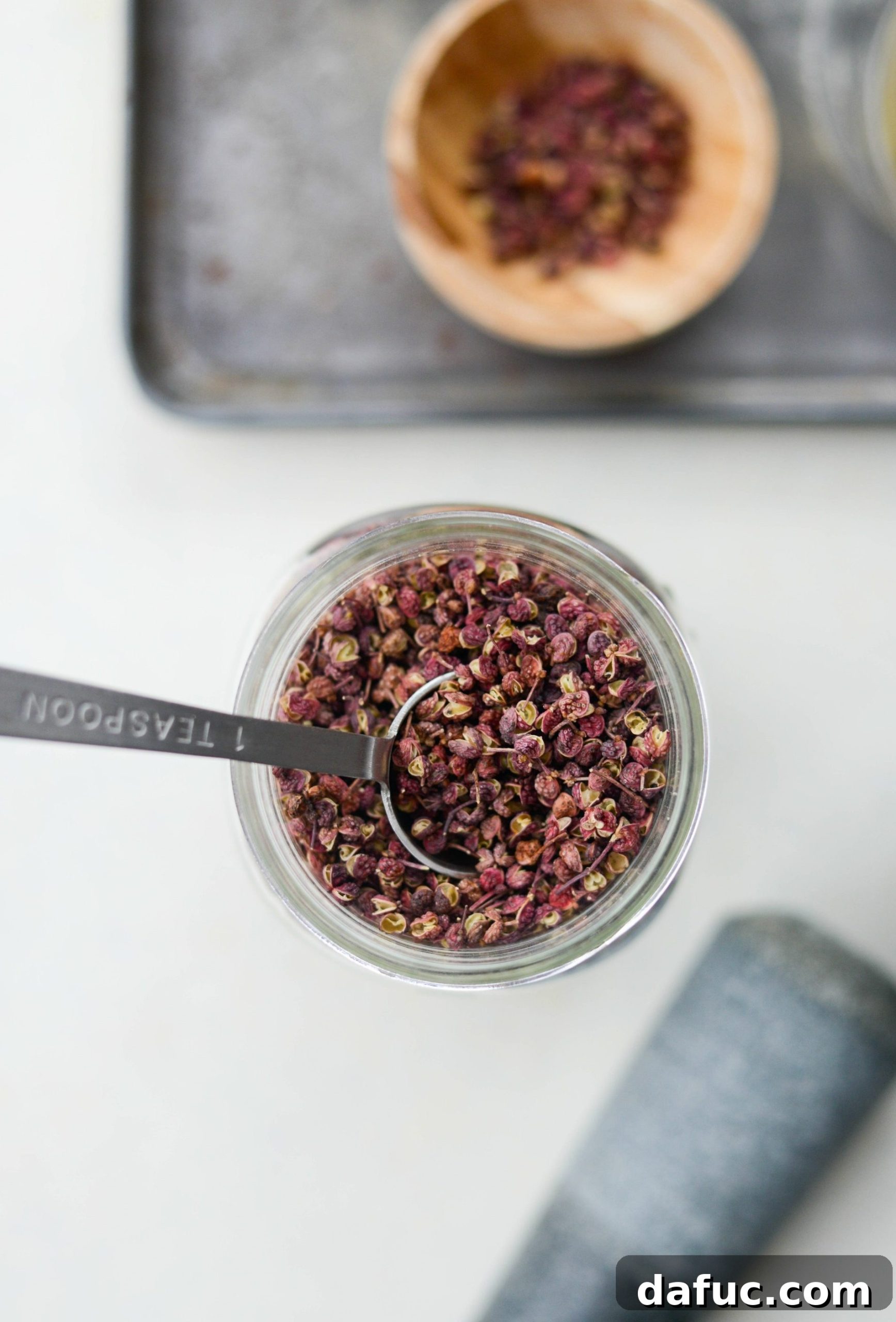
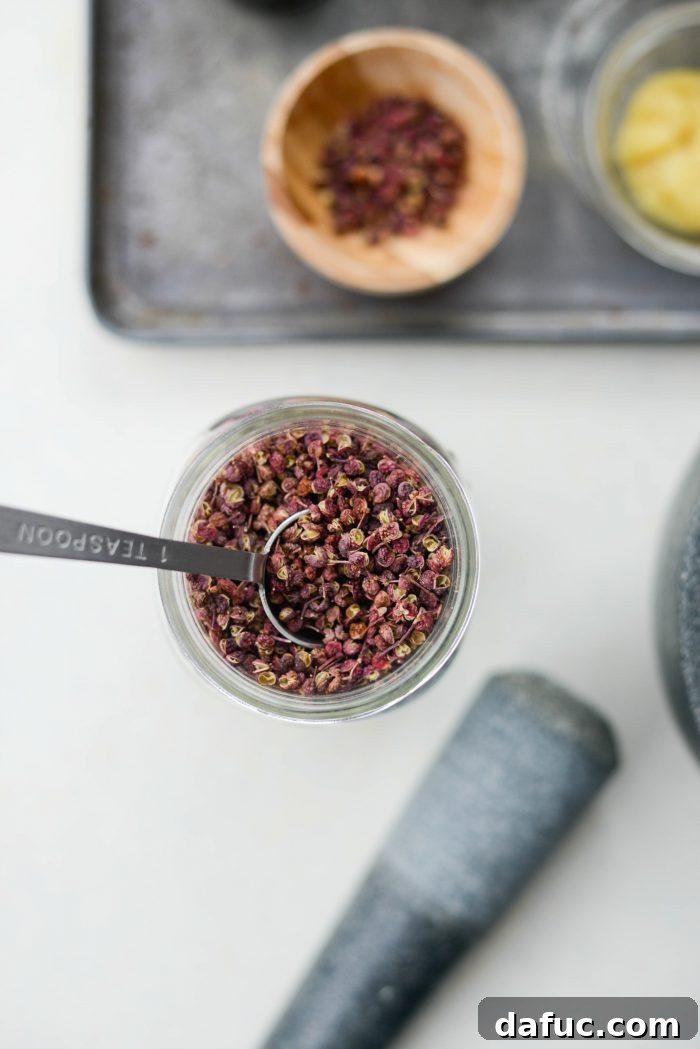
Unlike black pepper, Szechuan peppercorns are not pungent in the same way. They lack the intense heat of chili peppers but provide a fascinating contrast that balances and elevates spicy dishes. The hull around the tiny black seed is the part used in cooking, as the seeds themselves can be gritty and bitter. Discarding these black seeds is a key step in preparation, ensuring a smooth and pure flavor. Visually, they are quite beautiful with their delicate, open hulls, and their aroma, a blend of familiar spice with an elusive, citrusy undertone, is captivating on its own.
Why Freshly Prepare Szechuan Peppercorns? The Secret to Authentic Flavor
You might wonder if preparing Szechuan peppercorns from scratch is truly necessary when pre-ground versions are available. The answer, for any serious cook, is a resounding yes! Fresh preparation is the secret to unlocking the full, nuanced spectrum of flavors and the potent “ma la” sensation that makes this spice so iconic.
Here’s why taking a few extra minutes for preparation makes all the difference:
- Intensified Aroma and Flavor: Much like coffee beans or other whole spices, Szechuan peppercorns contain volatile aromatic compounds that are best preserved when whole. Toasting them gently before grinding awakens these oils, intensifying their citrusy, floral, and woody notes and amplifying their unique numbing power. Pre-ground Szechuan pepper often loses much of this vibrancy, becoming dull and muted over time.
- Purity and Quality Control: Commercial Szechuan peppercorns, especially when bought in bulk, frequently contain small twigs, leaves, and, most importantly, the undesirable bitter black seeds. These seeds can introduce an unpleasant grittiness and an acrid taste that detracts from the delicate flavor of the hulls. Sorting them yourself ensures you’re only using the prized outer husks, resulting in a cleaner, more refined spice.
- Optimal Texture: Grinding your peppercorns fresh allows you to control the consistency. Depending on your recipe, you might want a coarse texture for a rub or an infused oil, or a fine powder for a finishing spice. Pre-ground options rarely offer this versatility.
- Enhanced Culinary Experience: The process of sorting, toasting, and grinding connects you more deeply to the ingredients. The fragrant aroma released during toasting is a reward in itself, building anticipation for the dish you are about to create.
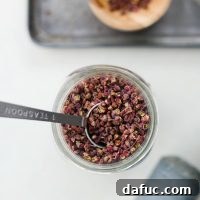
I recently added a jar of whole Szechuan peppercorns to my spice cabinet and have been experimenting with various recipes. The transformation from whole, raw hulls to a freshly toasted and ground powder is truly remarkable, and I’m excited to share my preferred method for preparing them to maximize their distinct qualities.
Step-by-Step Guide: How to Prepare Szechuan Peppercorns
Preparing Szechuan peppercorns is a straightforward process that yields immense culinary rewards. Follow these steps to transform raw peppercorns into a fragrant, flavorful powder ready for your next masterpiece.
1. Measure and Sort for Purity
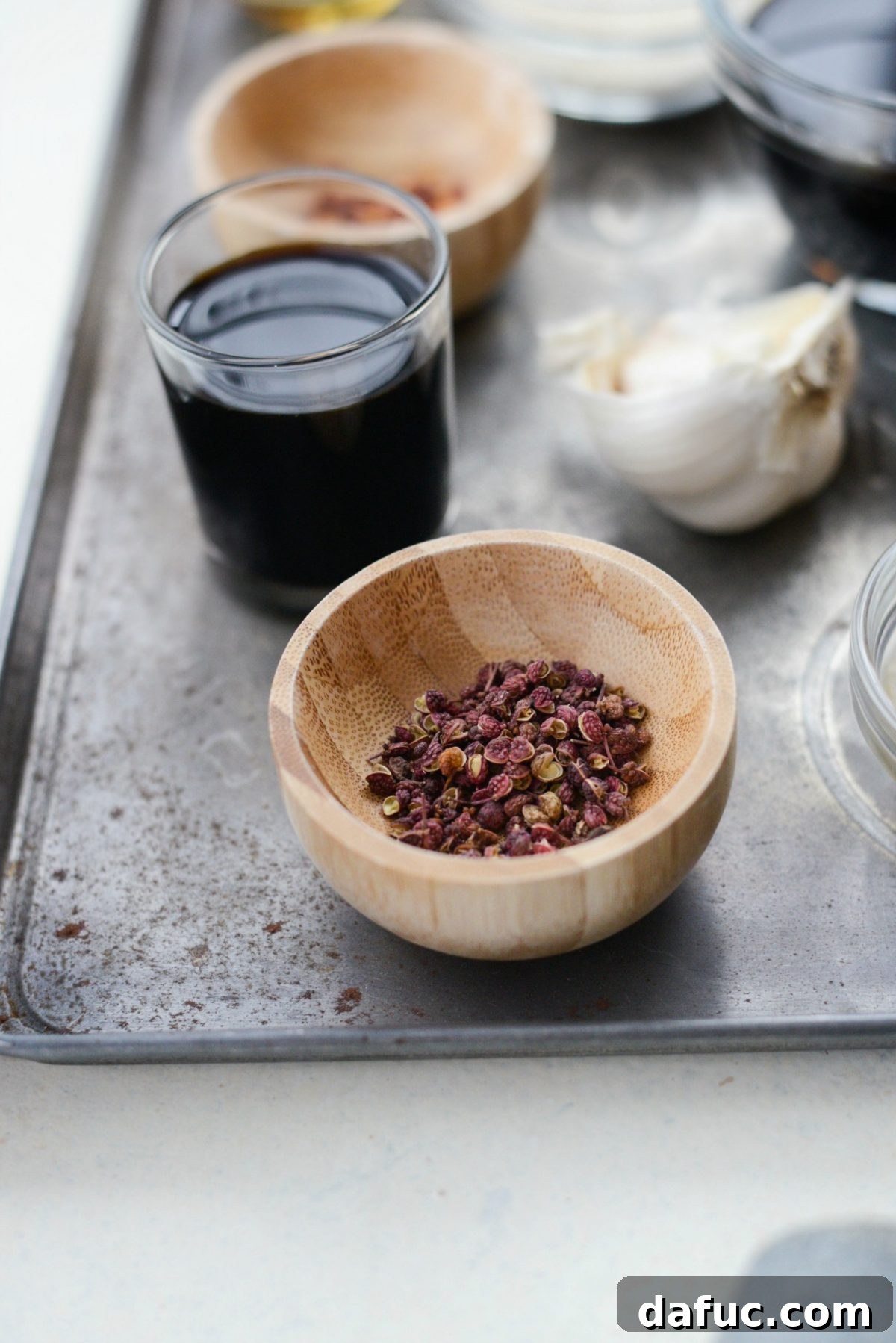
Begin by measuring the desired amount of Szechuan peppercorns for your recipe. Pour them onto a clean, light-colored surface, such as a cutting board or a plate. This makes it easier to inspect them closely. Carefully sort through the peppercorns, picking out any dark black seeds, tiny twigs, small leaves, or other debris. The black seeds are bitter and can add an unpleasant grittiness, so it’s crucial to remove them. Focus on keeping only the reddish-pink, open hulls. This initial sorting step is vital for ensuring the purest flavor profile in your finished spice.
2. Dry Toast for Enhanced Aroma
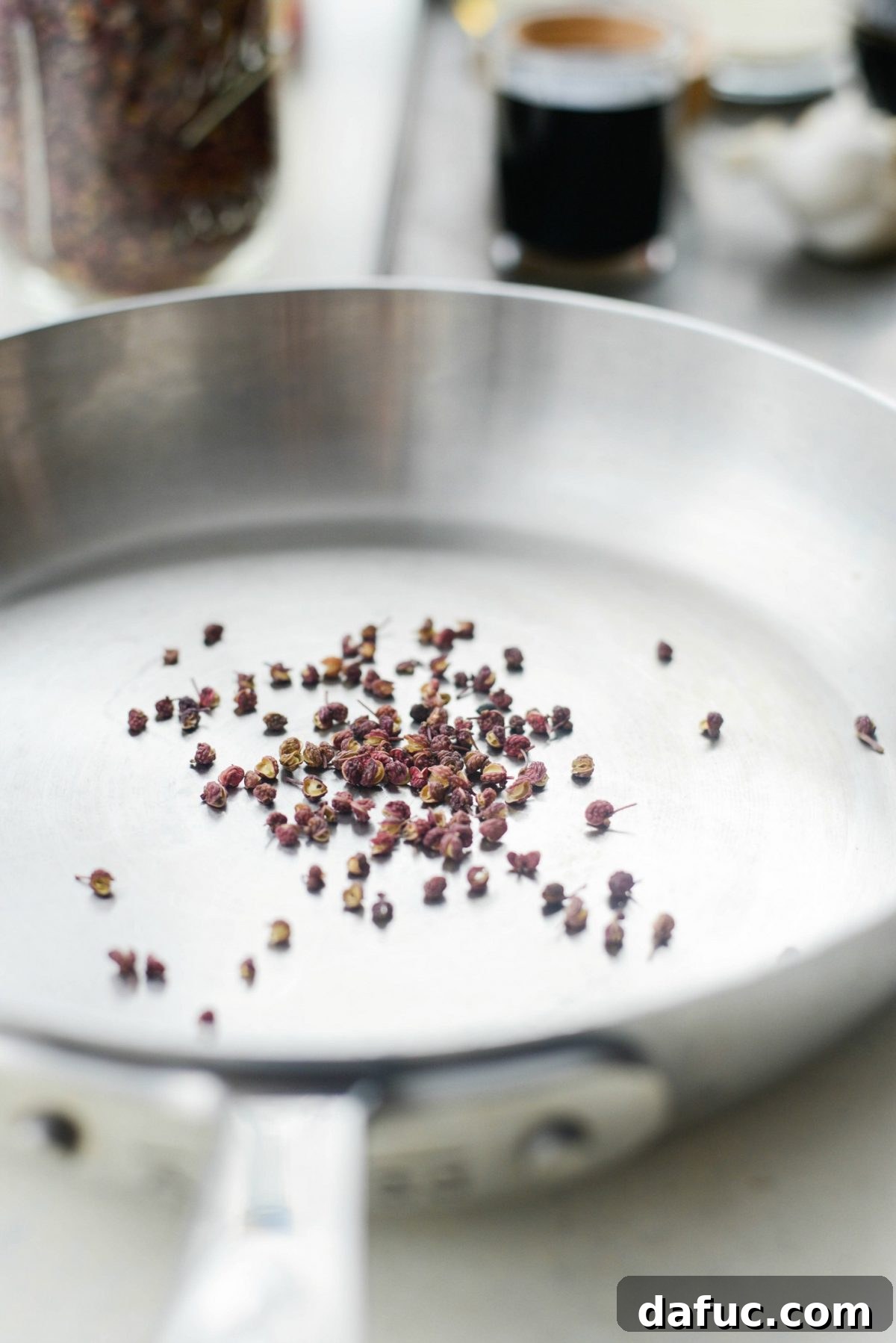
Once sorted, add the clean Szechuan peppercorn hulls to a dry skillet – cast iron or stainless steel works best. Place the skillet over medium to medium-low heat. The goal here is not to cook them, but to gently toast them. This process helps to evaporate any residual moisture and, more importantly, awakens and releases their complex volatile essential oils. Stir the peppercorns frequently to ensure even toasting and prevent burning. You’ll notice a distinct change in aroma as they toast, becoming more fragrant, slightly nutty, and even more citrusy. This step should take approximately 3 to 5 minutes, though it can be less depending on your heat setting. Be vigilant; burning them will impart a bitter flavor. Remove from heat as soon as they are fragrant and lightly toasted.
3. Cool Before Grinding
Immediately transfer the toasted Szechuan peppercorns from the hot skillet to a clean plate or shallow bowl to cool completely. Spreading them out helps them cool down quickly and prevents them from continuing to cook from residual heat. Allowing them to cool ensures that they become crisp, which makes for easier and more efficient grinding. It also helps to preserve the delicate aromatic compounds, preventing them from evaporating prematurely. This cooling process usually takes about 5 to 10 minutes, depending on the ambient temperature.
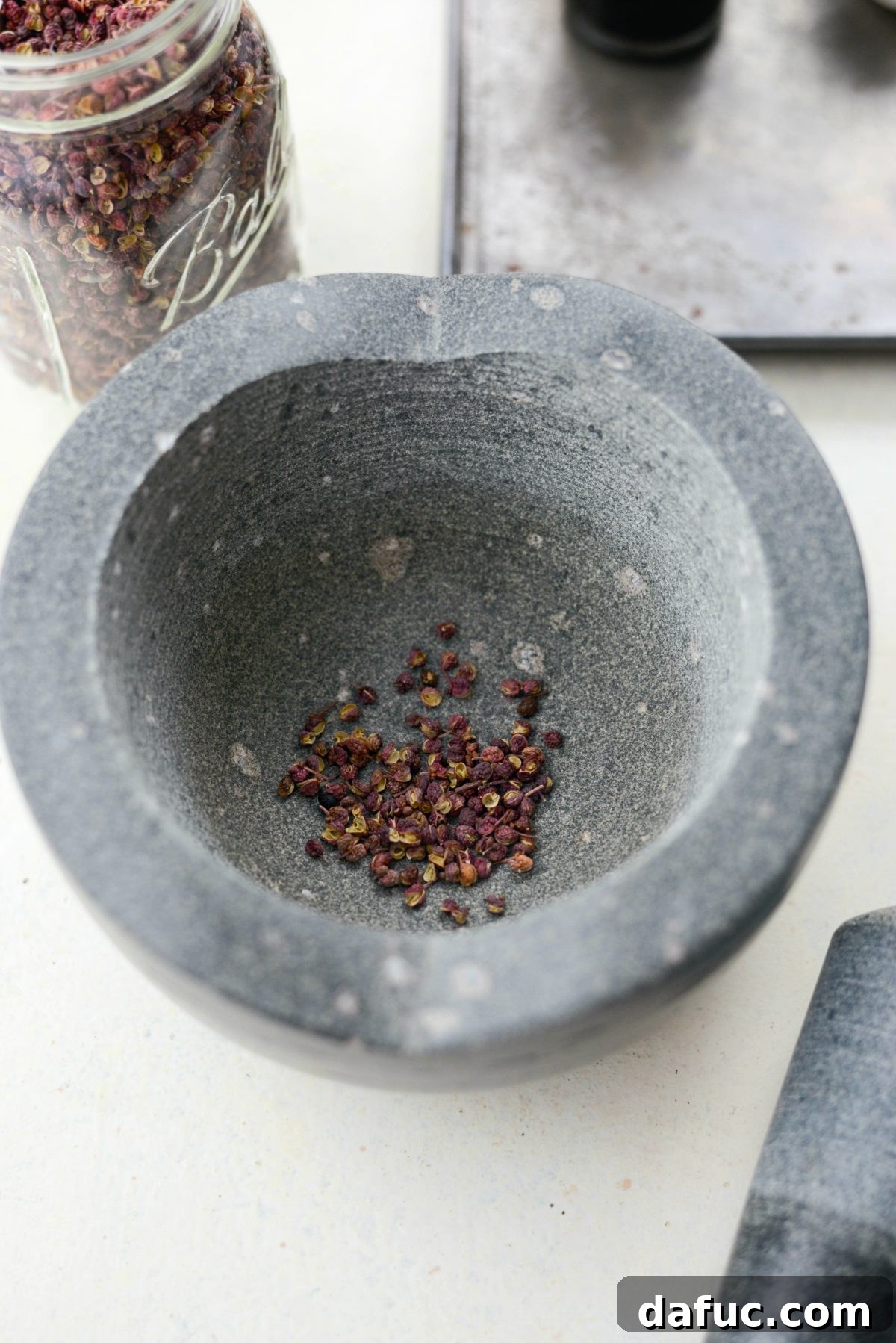
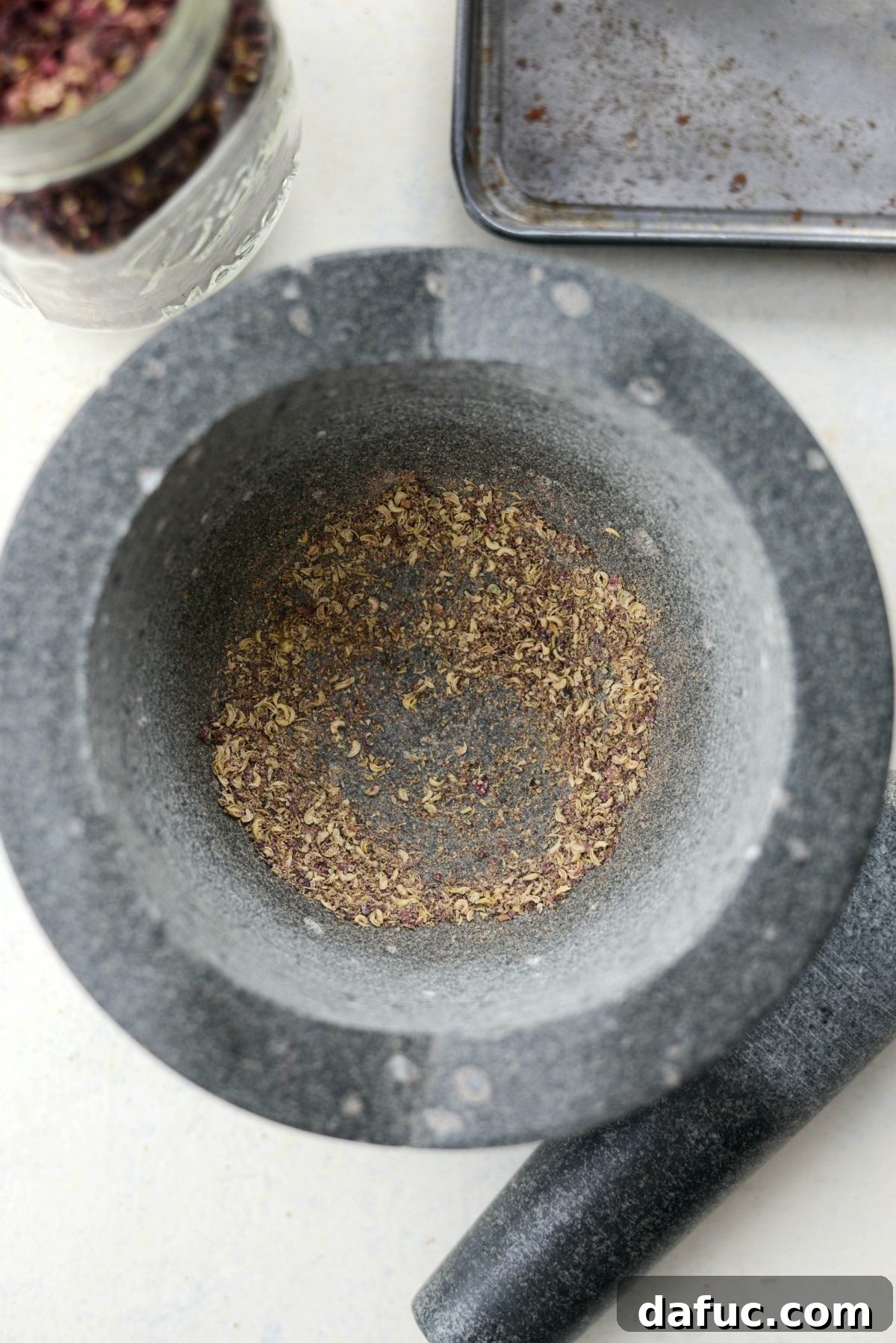
4. Grind to Your Desired Consistency
Once the Szechuan peppercorns have cooled, transfer them to a mortar and pestle. Using the pestle, begin to grind and smash the peppercorns into smaller pieces. A mortar and pestle offers excellent control over the texture, allowing you to achieve anything from a coarse, flaky consistency to a very fine powder. If you don’t have a mortar and pestle, a clean electric spice grinder or coffee grinder can also be used for convenience, but be careful not to over-process them into a paste. Grind until you reach your desired texture for the recipe at hand. The fresh aroma released during this step is truly intoxicating!
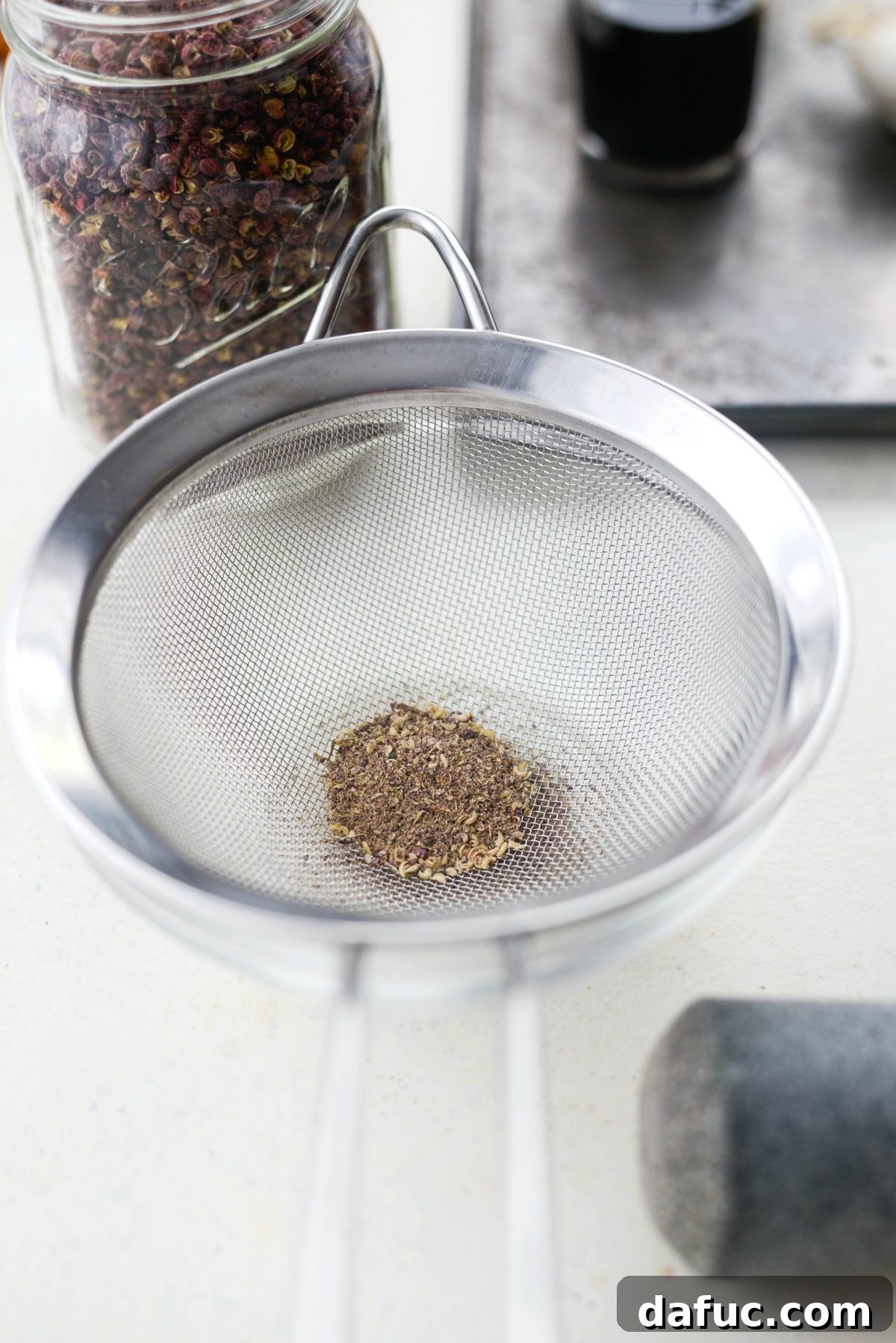
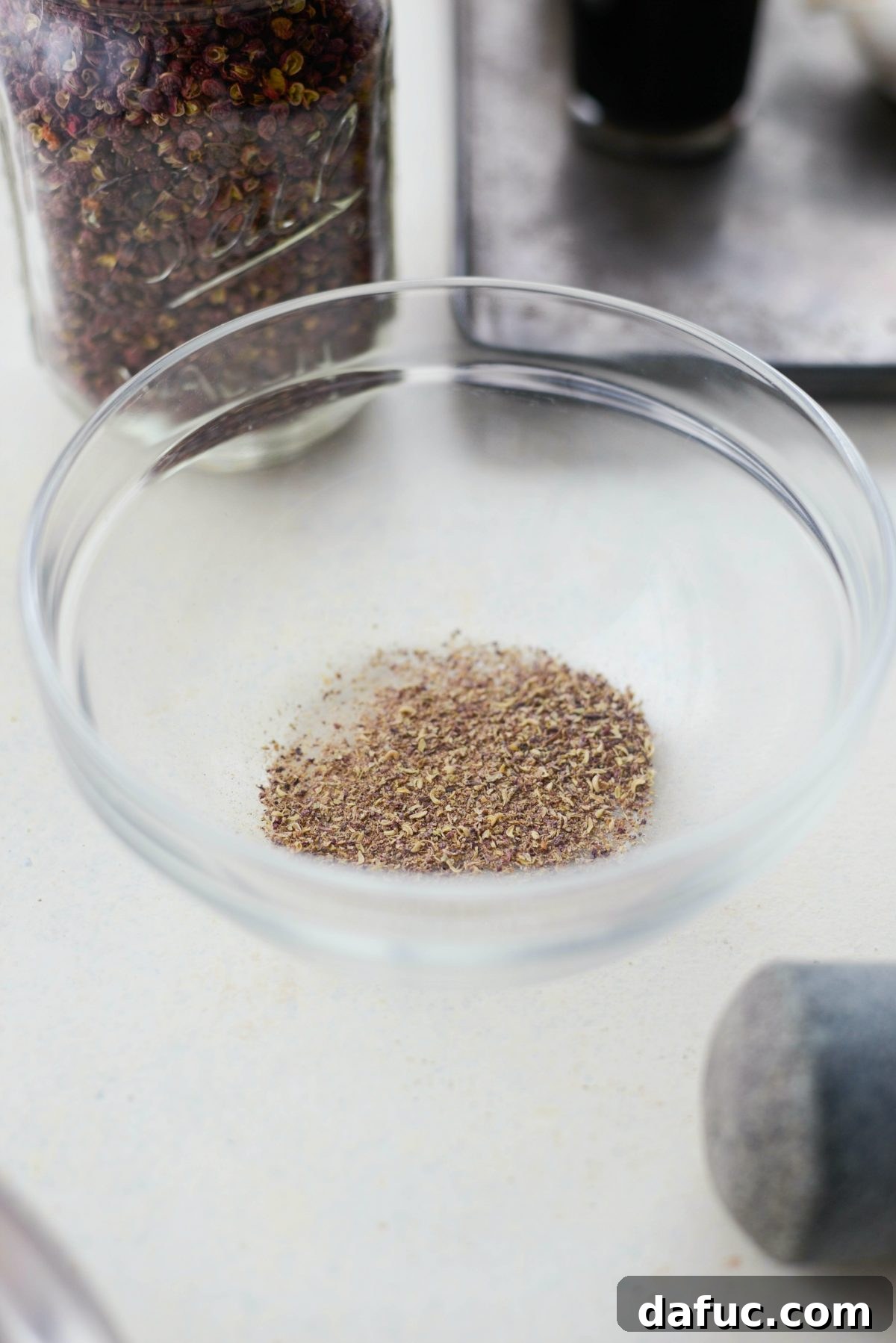
5. Sift for a Finer Powder (Optional, but Recommended)
For the smoothest and most refined Szechuan pepper powder, especially if you’re aiming for a delicate finish in your dish, sifting is highly recommended. Place a fine mesh strainer over a small bowl. Transfer the freshly ground Szechuan peppercorns into the strainer and gently tap or shake it. Use a spoon or your fingers to help push the finer powder through. The sifted powder in the bowl is now ready for use. Any larger, unground hull pieces that remain in the strainer can be discarded, or, if you’re feeling adventurous, you can keep them for making infused oils where their texture is less critical.
6. Immediate Use and Smart Storage
Freshly ground Szechuan peppercorns are at their peak flavor and potency, so it’s always best to use them immediately after grinding. Their aromatic compounds are volatile and will diminish quickly over time. For this reason, it is highly advisable to grind your peppercorns in small batches, only as much as you need for a particular recipe. If you happen to have any extra ground Szechuan pepper, transfer it to an airtight container and refrigerate it. While refrigeration will help preserve some of its flavor for a week or two, it will still lose its vibrancy compared to freshly ground. For longer storage of whole, untoasted peppercorns, keep them in an airtight container in a cool, dark pantry for up to a year. Toasted whole peppercorns should be used within 3-6 months. The fresher the grind, the more intense and delightful the “ma la” sensation will be.
Culinary Applications and Recipe Ideas
Now that you’ve prepared your Szechuan peppercorns, it’s time to unleash their unique flavor in your cooking. They are incredibly versatile and can elevate a wide array of dishes.
Classic Sichuan Dishes:
- Mapo Tofu: The quintessential Sichuan dish, combining silken tofu, minced meat (pork or beef), chili bean paste, and a generous amount of Szechuan pepper for that signature “ma la” kick.
- Dan Dan Noodles: A vibrant noodle dish featuring a spicy, nutty sauce, ground pork, and, of course, a liberal dusting of Szechuan pepper.
- Kung Pao Chicken: While famous globally, authentic Kung Pao chicken boasts a delightful balance of sweet, sour, salty, and spicy, with the numbing sensation of Szechuan peppercorns.
- Chongqing Chili Chicken (La Zi Ji): A dramatic dish where crispy fried chicken pieces are tossed with an abundance of dried red chilies and Szechuan peppercorns, creating a fiery and numbing spectacle.
Beyond the Traditional:
- Szechuan Peppercorn Infused Oil: Gently toast whole peppercorns (along with some dried chilies, if desired), then steep them in hot neutral oil (like grapeseed or canola). Strain the oil and use it to drizzle over noodles, dumplings, salads, or roasted vegetables for an instant flavor boost.
- Spice Rubs for Meats: Combine ground Szechuan pepper with salt, sugar, garlic powder, ginger powder, and other spices to create a potent rub for pork, chicken, duck, or beef.
- Marinades: Add a pinch of ground Szechuan pepper to marinades for grilled meats or tofu.
- Unexpected Pairings: Experiment with Szechuan pepper in unexpected ways! A tiny pinch can add an intriguing twist to chocolate desserts, fruit salads, or even certain cocktails. Its citrusy notes pair surprisingly well with sweet flavors.
- Roasted Vegetables: Toss vegetables like broccoli, cauliflower, or potatoes with oil, salt, and freshly ground Szechuan pepper before roasting for an exciting flavor profile.
The beauty of Szechuan peppercorns lies in their ability to transform a dish from ordinary to extraordinary. Don’t be afraid to experiment and discover new ways to incorporate this fascinating spice into your cooking repertoire.
Recipe: How To Prepare Szechuan Peppercorns
Learn how to easily prepare Szechuan peppercorns to bring authentic “ma la” flavor to your next dish!
Yield: Approximately 1 tablespoon of ground peppercorns (depending on initial quantity)
Prep Time: 5 mins
Cook Time: 3-5 mins
Ingredients
- 1 tablespoon Szechuan peppercorns (whole)
Equipment
- Soeos Authentic Szechuan Peppercorns (4 ounces)
- Small dry skillet
- Mortar and pestle or spice grinder
- Fine mesh strainer (optional)
Instructions
- First, measure out your Szechuan peppercorns. Spread them on a clean surface and carefully sort through them, picking out and discarding any black seeds, tiny twigs, or leaves. Keep only the pink-hued hulls.
- Next, add the sorted hulls to a dry skillet. Heat over medium to medium-low heat for about 3 to 5 minutes, stirring frequently, until they become intensely fragrant. Be careful not to burn them.
- Transfer the toasted Szechuan peppercorns immediately to a plate to cool completely. This step ensures they become crisp and ready for grinding.
- Once cooled, transfer the Szechuan peppercorns to a mortar and use the pestle to grind and smash them into very small pieces or a fine powder, depending on your desired consistency. Alternatively, use a clean spice grinder.
- Lastly, for a smoother powder, transfer the ground Szechuan peppercorns to a fine mesh strainer set over a bowl and sift. Use the fine ground Szechuan pepper in the bowl and discard any larger hull pieces that remain in the strainer.
- It’s always best to use freshly ground Szechuan pepper immediately, as it loses its flavor quickly. Grind in small batches as needed. If you have any extra ground Szechuan pepper, store it in an airtight container in the refrigerator for up to two weeks, though its potency will diminish. Whole, toasted peppercorns can be stored in an airtight container for 3-6 months in a cool, dark place.
- Use your freshly prepared Szechuan peppercorns in any recipe calling for ground Szechuan peppercorns.
Serving: 1 tablespoon, Calories: 44kcal, Carbohydrates: 10g, Protein: 2g, Fat: 1g, Saturated Fat: 1g, Polyunsaturated Fat: 1g, Monounsaturated Fat: 1g, Sodium: 1mg, Potassium: 11mg, Fiber: 4g, Vitamin C: 3mg, Calcium: 39mg, Iron: 2mg
Author: Laurie McNamara
Course: Homemade Ingredients & Condiments
Cuisine: Chinese
Conclusion: Embrace the “Ma La” Experience
Preparing Szechuan peppercorns from their whole, raw state to a freshly ground powder is a simple yet profoundly rewarding culinary practice. It’s a small investment of time that pays dividends in flavor, allowing you to experience the full, vibrant, and incredibly unique “ma la” sensation that defines authentic Sichuan cuisine. By meticulously sorting, gently toasting, and freshly grinding these fascinating husks, you unlock their peak aromatic and numbing potential, transforming your dishes from good to genuinely extraordinary. So, next time your recipe calls for Szechuan peppercorns, take these steps to heart. You’ll not only impress your palate but also gain a deeper appreciation for the nuanced world of spices. Embrace the art of preparation, and let the captivating tingle of Szechuan peppercorns elevate your cooking to new, exciting heights.