
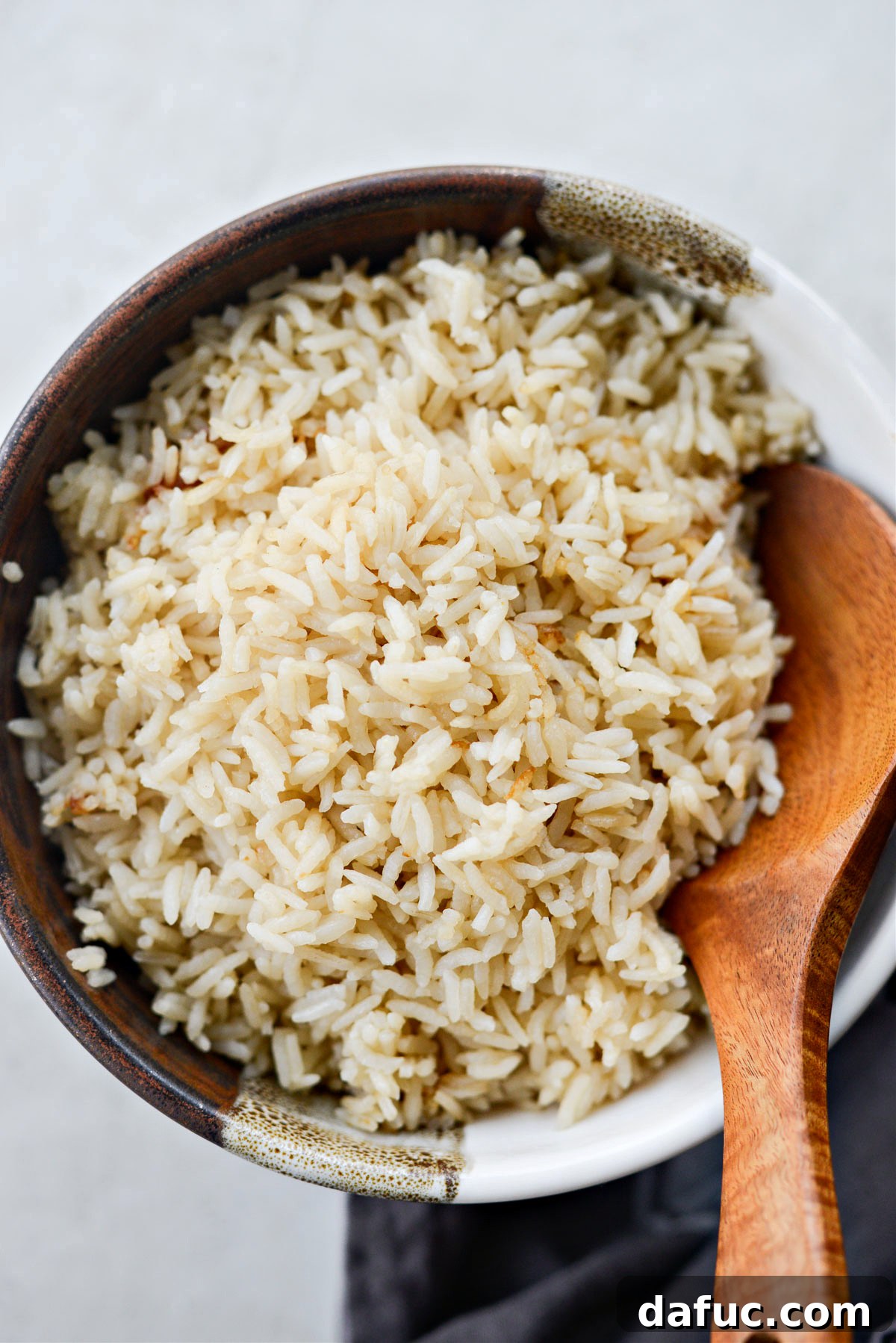
Unlock Flavor & Nutrition: How to Make Perfect Protein-Packed Rice with Bone Broth
Are you looking for simple yet effective ways to boost your daily protein intake without compromising on flavor or convenience? Look no further than this incredibly delicious and easy-to-make protein-packed rice, cooked to perfection with nutrient-rich bone broth. This recipe transforms ordinary rice into a more satisfying and beneficial side dish, elevating both its taste and nutritional profile. It’s a game-changer for anyone seeking a healthier lifestyle or aiming to stay fuller for longer. Yielding approximately 4 cups of fluffy, flavorful rice, it’s perfect for meal prep or a family dinner.
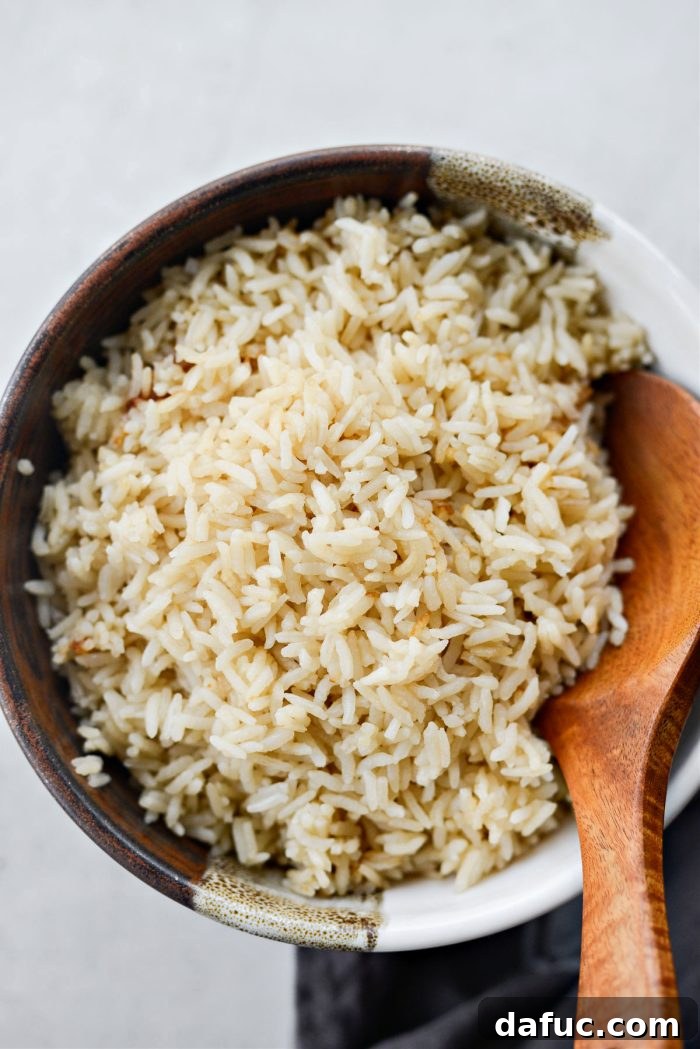
Why Prioritize Protein? Understanding the Benefits
In today’s fast-paced world, many of us are consciously seeking more ways to incorporate protein into our diets. It’s a vital macronutrient that plays a crucial role in almost every bodily function. Protein helps build and repair tissues, makes enzymes and hormones, and is an important building block of bones, muscles, cartilage, skin, and blood. Increasing protein intake can lead to several significant benefits, including enhanced satiety, which helps in weight management by keeping hunger pangs at bay for longer periods. It also supports muscle growth and recovery, making it essential for athletes and those leading active lifestyles. Beyond physical performance, adequate protein contributes to stable energy levels throughout the day, preventing those sudden energy crashes often associated with carb-heavy meals.
Consider the humble grain of rice: one cup of cooked long-grain white rice typically contains around 3 grams of protein. However, if you opt for enriched white rice, this can increase to about 5 grams per cup. Now, imagine elevating that protein content even further, along with a significant boost in flavor! By simply cooking your rice in bone broth instead of water, you can almost double its protein content, bringing it to approximately 7 grams per cup (or about 4 grams per 1/2 cup serving). This simple swap not only adds a substantial protein punch but also infuses the rice with a rich, savory depth that water alone cannot provide.
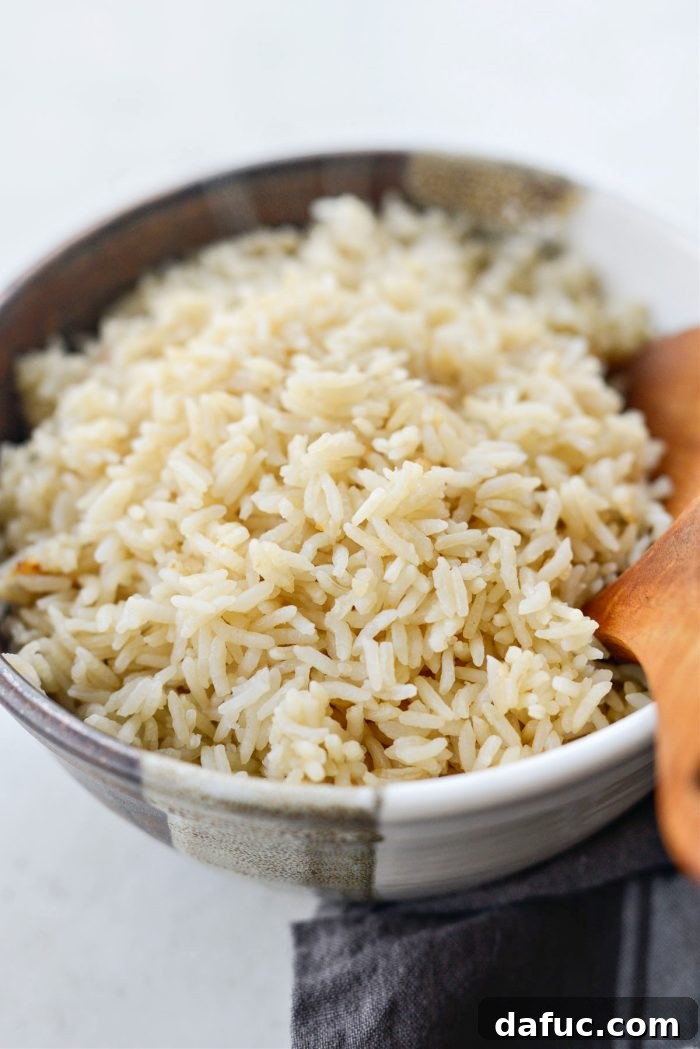
The Magic of Bone Broth: More Than Just Protein
Bone broth is a traditional superfood that has seen a resurgence in popularity due to its impressive nutritional profile. Beyond the added protein it contributes to your rice, bone broth is teeming with collagen, gelatin, amino acids (like glycine and proline), and essential minerals such as calcium, magnesium, phosphorus, and potassium. These components offer a host of health benefits, including supporting gut health by promoting the growth of beneficial bacteria and repairing the gut lining. Collagen, in particular, is excellent for skin elasticity, joint health, and strong hair and nails. Using bone broth in your cooking is a fantastic way to effortlessly introduce these beneficial nutrients into your diet, transforming a basic staple like rice into a nourishing powerhouse.
Cooking Your Protein Rice: Rice Cooker vs. Saucepan
When it comes to cooking rice, I’m a firm believer in the magic of a rice cooker. It’s truly foolproof, delivering consistently perfect, fluffy rice every single time with minimal effort. Rice cookers are designed to regulate steam and vapor release efficiently, meaning they typically require less liquid compared to stovetop methods. This is an important consideration when using bone broth, as you want to ensure the rice absorbs all the flavorful liquid without becoming mushy.
However, if a rice cooker isn’t available, you can certainly achieve delicious results using a saucepan on your stovetop. The key difference lies in the liquid ratio: for stovetop cooking, you will generally need 2 cups of liquid for every 1 cup of uncooked rice. This ensures proper absorption and prevents burning. While the stovetop method requires a bit more attention to avoid over- or under-cooking, with careful monitoring, you’ll still get wonderfully protein-packed and flavorful rice.
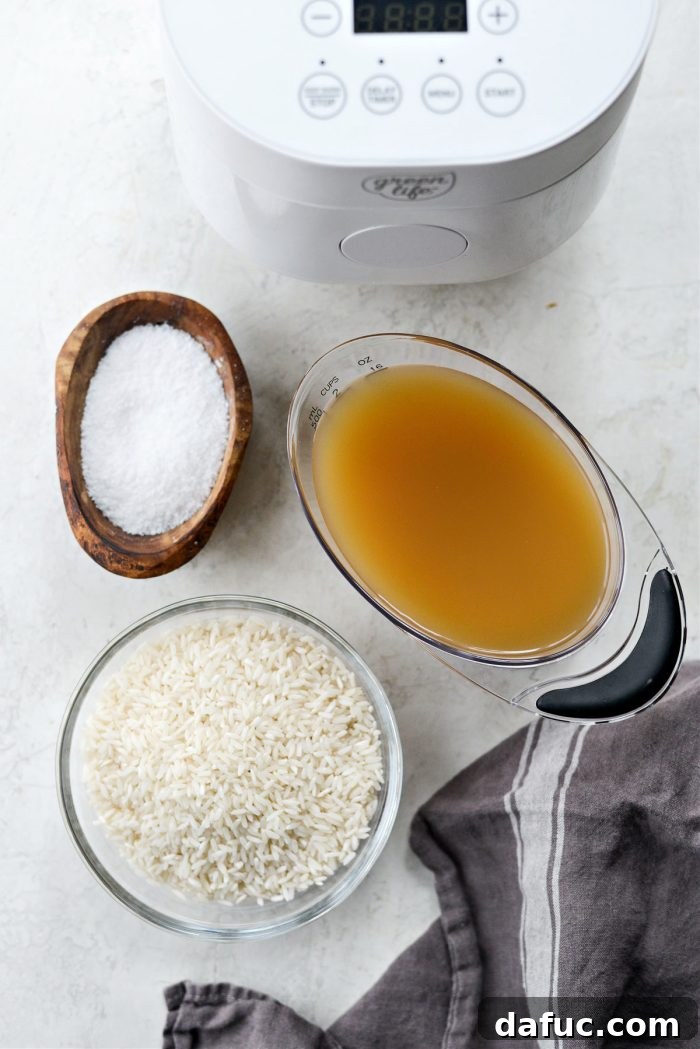
Essential Ingredients for Protein Packed Rice
Crafting this simple yet satisfying protein-packed rice requires just a few basic ingredients:
- Rice: The foundation of our dish! You can use various types of rice depending on your preference. Long-grain white rice, like jasmine or basmati, is excellent for its fluffy texture. Short-grain rice offers a slightly chewier consistency, while brown rice provides more fiber and a nutty flavor. Each type will absorb the bone broth beautifully, though cooking times may vary slightly.
- Bone Broth: This is the star ingredient that infuses your rice with extra protein and incredible depth of flavor. Chicken bone broth is a popular choice due to its mild taste and versatility, but beef bone broth can also be used for a richer, more robust profile. The exact amount needed will depend on your chosen rice type and rice cooker model. For the precise ratios used in this recipe, refer to the detailed instructions below.
- Kosher Salt: A small pinch of kosher salt is crucial for enhancing the overall flavor of the rice. It balances the richness of the bone broth and ensures every grain is perfectly seasoned.
Preparation: The Key to Fluffy Rice
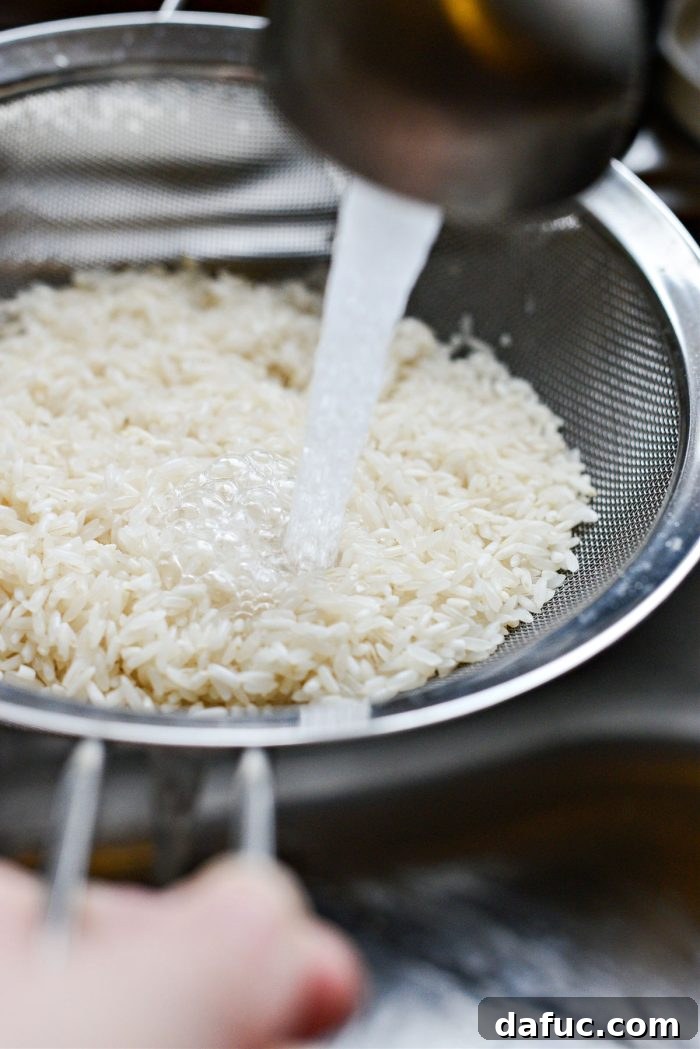
One of the most critical steps for achieving light, fluffy rice is proper rinsing. Place your uncooked rice in a fine-mesh sieve and rinse it thoroughly under cool, running water. Gently shake the sieve and continue rinsing until the water running through appears clear. This process removes excess starch from the surface of the rice grains, which prevents them from clumping together and results in a perfectly separated, fluffy texture once cooked. Don’t skip this step – it makes a noticeable difference in the final outcome!
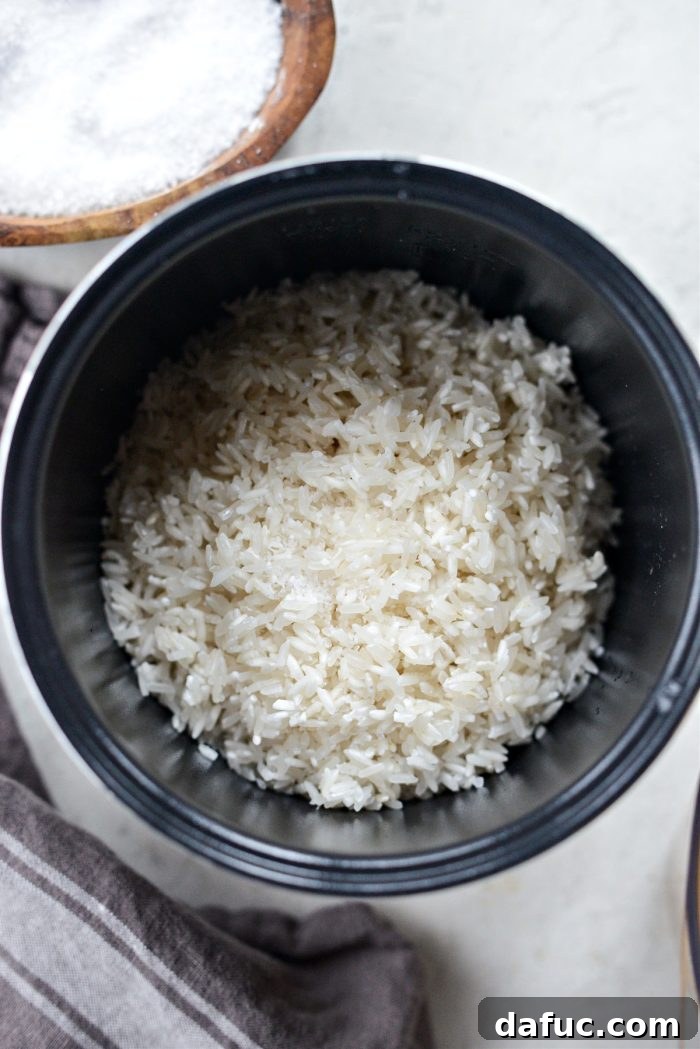
Once your rice is clean and starch-free, transfer it to the cooking pot of your rice cooker. Add a small pinch of kosher salt directly to the rice. This ensures the seasoning is evenly distributed from the start, allowing the grains to absorb the salt as they cook.
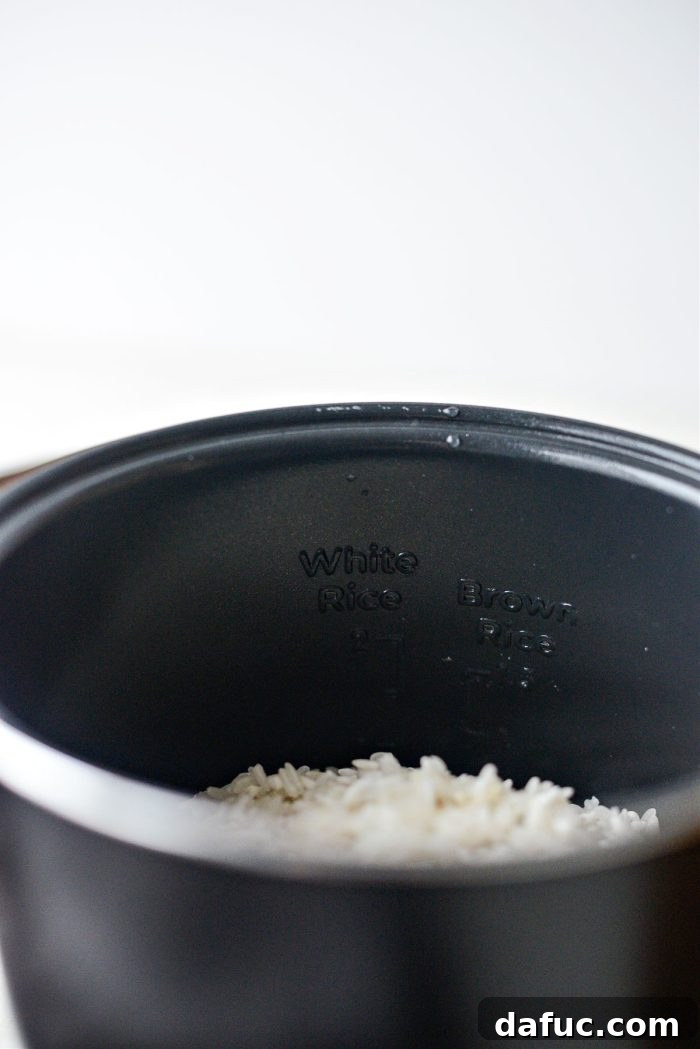
Most rice cookers come with convenient markings inside their cooking bowls, indicating the appropriate fill lines for different amounts of rice. While these lines typically refer to water, today we’re using flavorful bone broth. The principle remains the same: fill the liquid up to the designated line for the amount of rice you are cooking. This ensures the perfect rice-to-liquid ratio for your specific appliance.
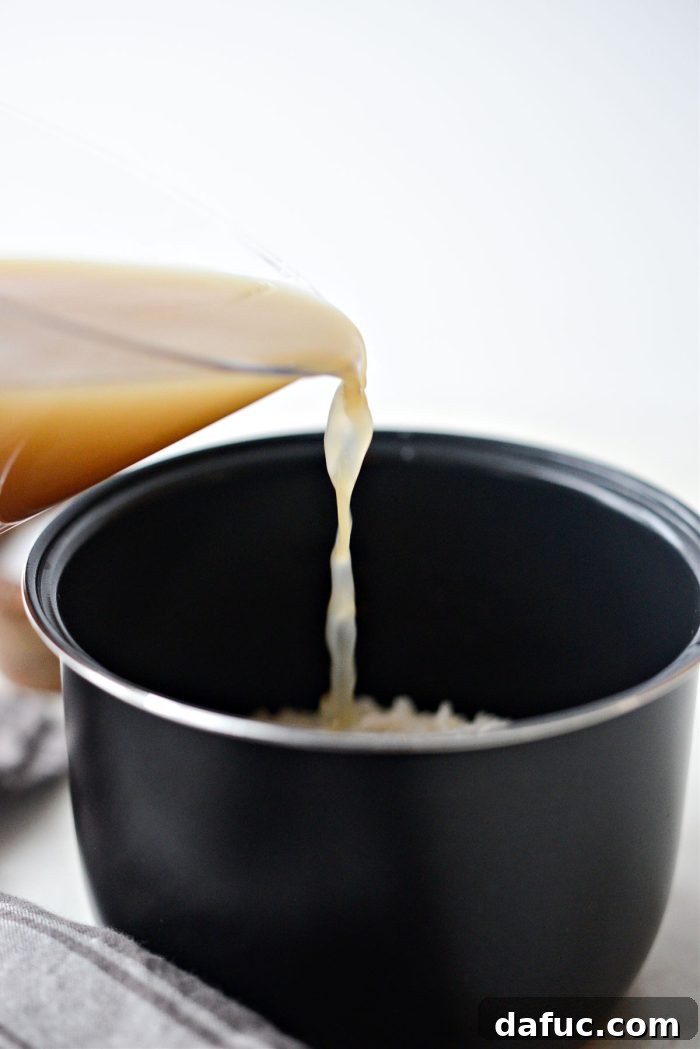
Carefully pour the bone broth into the rice cooker pot, filling it up precisely to the marked line. For my rice cooker, 1½ cups of bone broth usually hits the mark for 2 cups of white rice, but always defer to your cooker’s internal guidelines for optimal results. The precise amount can vary between models and rice types, so a quick check of your rice cooker’s manual can be helpful if you’re unsure.
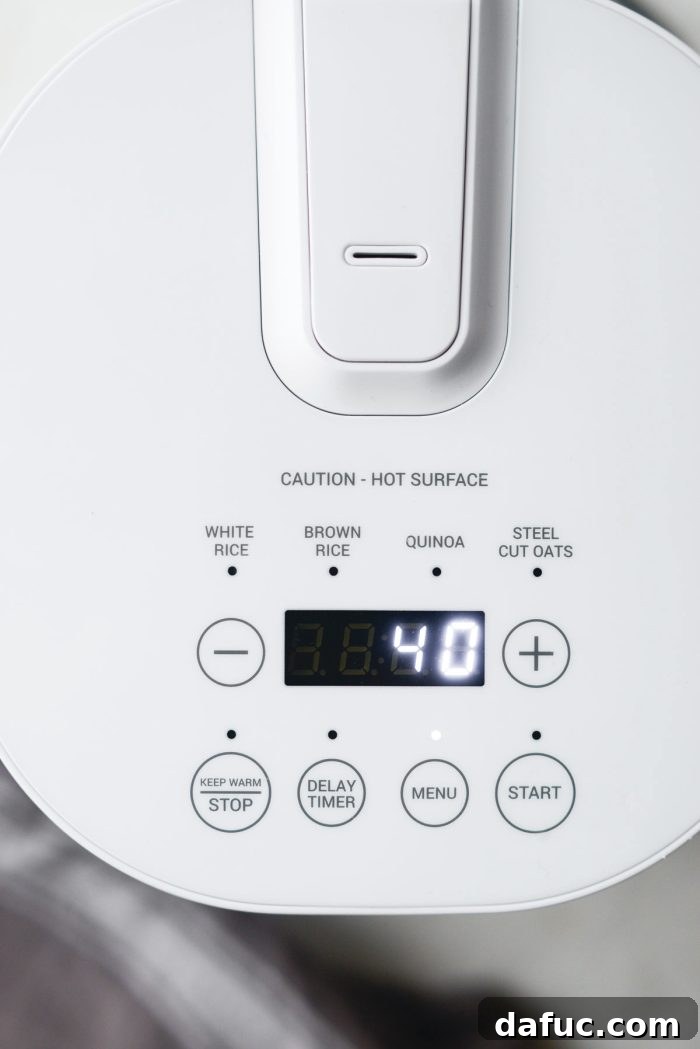
With the rice, salt, and bone broth all in the pot, simply select the “white rice” program (or the appropriate setting for your chosen rice type) on your rice cooker and press start. The appliance will handle the rest, precisely controlling the temperature and cooking time to deliver perfectly cooked rice without any guesswork. This hands-off approach makes it incredibly easy to prepare a healthy and delicious component of any meal.
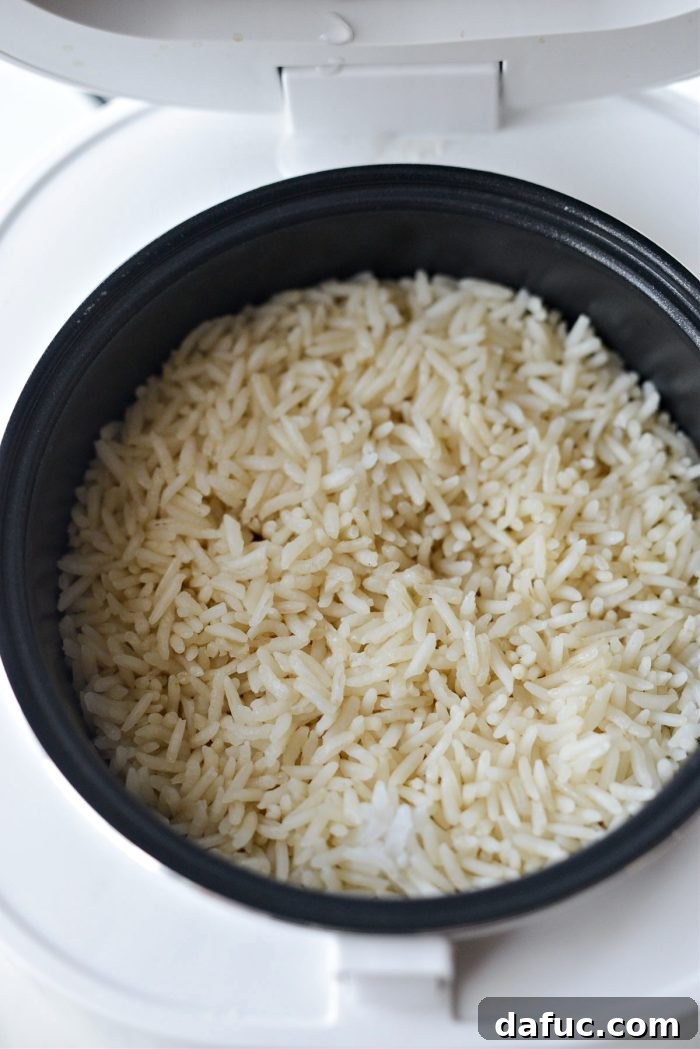
In what feels like no time at all, your rice cooker will beep, signaling that your delicious, flavorful, and fluffy protein-packed rice is ready. The kitchen will be filled with an inviting aroma, a testament to the rich bone broth that has transformed simple grains into a culinary delight. The rice will be perfectly cooked, tender yet firm, with each grain distinct and infused with savory goodness.
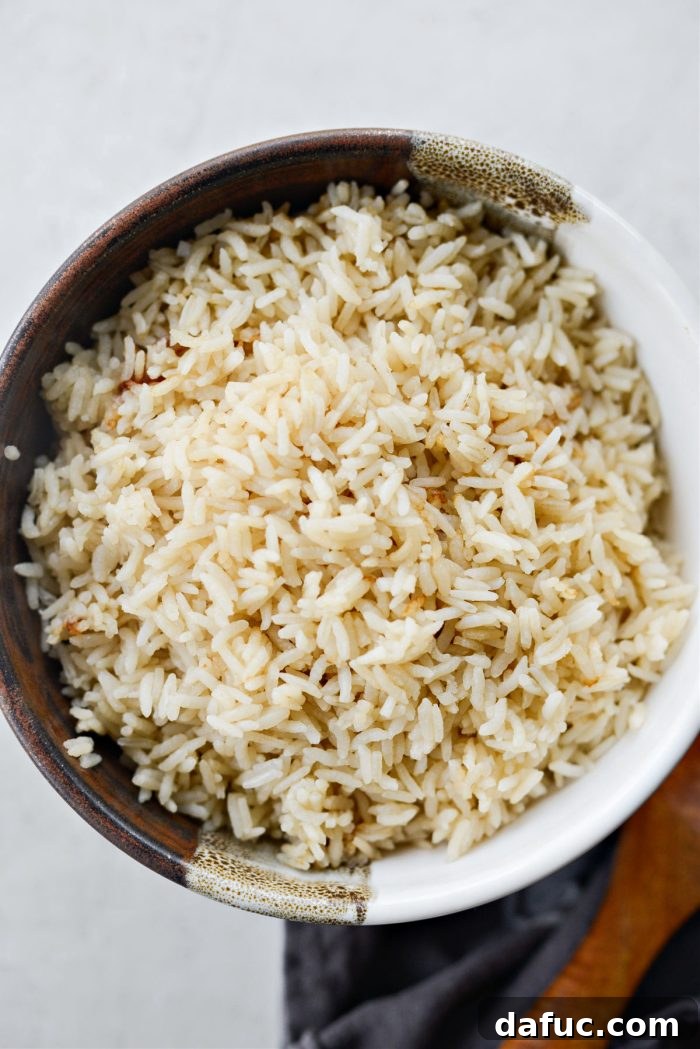
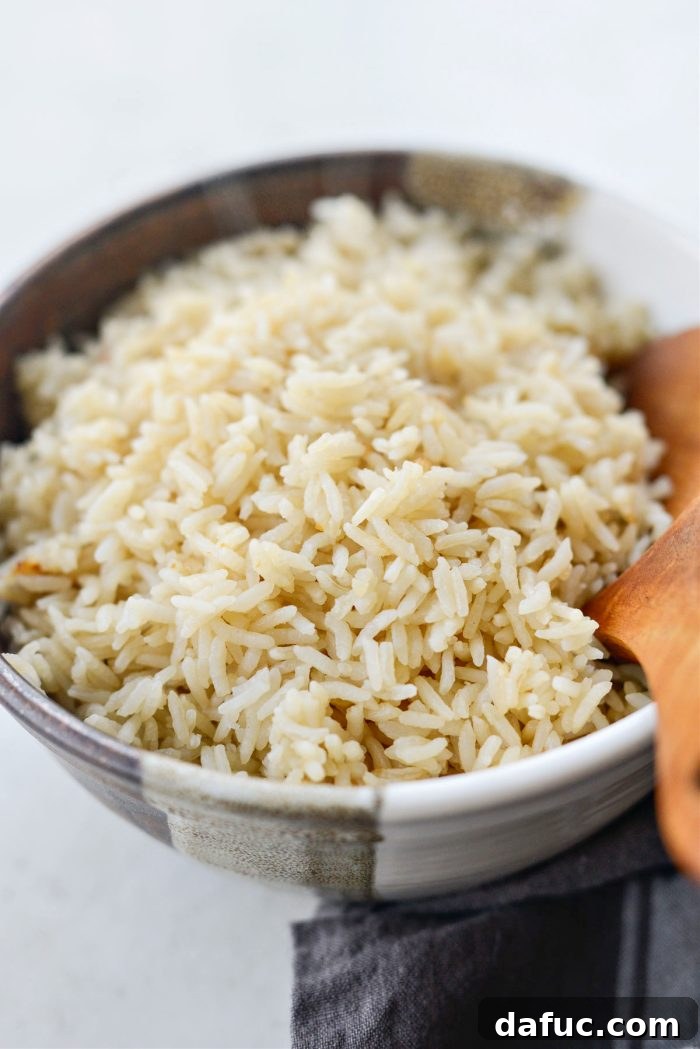
Once the cooking cycle is complete, carefully open the rice cooker lid. Using a rice paddle or a fork, gently fluff the rice. This helps to release any remaining steam, preventing the rice from becoming sticky and ensuring that light, airy texture everyone loves. Fluffing also evenly distributes the wonderful aroma and flavors throughout the entire batch. Your protein-packed rice is now ready to be served and enjoyed!
Serving Suggestions & Meal Inspiration
This delicious and protein-packed rice is incredibly versatile, making it a perfect accompaniment to a wide array of dishes. Its rich flavor from the bone broth means it can stand alone as a satisfying side, or serve as a foundational element for more elaborate meals.
- Classic Pairings: Serve it alongside grilled chicken, pan-seared shrimp, baked salmon, or any of your favorite seafood dishes for a wholesome and balanced meal.
- Asian-Inspired: Use it as the base for a homemade fried rice, adding scrambled eggs, vegetables, and your choice of protein like tofu or leftover chicken. Its enhanced flavor will make your fried rice truly stand out.
- Stir-fries & Curries: It pairs wonderfully with vibrant vegetable stir-fries or rich, aromatic curries, soaking up all the delicious sauces.
- Bowls & Wraps: Create healthy power bowls by topping it with roasted vegetables, a lean protein, and a drizzle of your favorite dressing. It can also be a delicious filling for burritos or lettuce wraps.
- Soups & Stews: For added heartiness, incorporate this cooked rice directly into chicken noodle soup, beef stew, or a comforting lentil soup during the last few minutes of cooking.
The possibilities are endless, allowing you to enjoy the benefits of this nutrient-dense rice in countless creative ways!
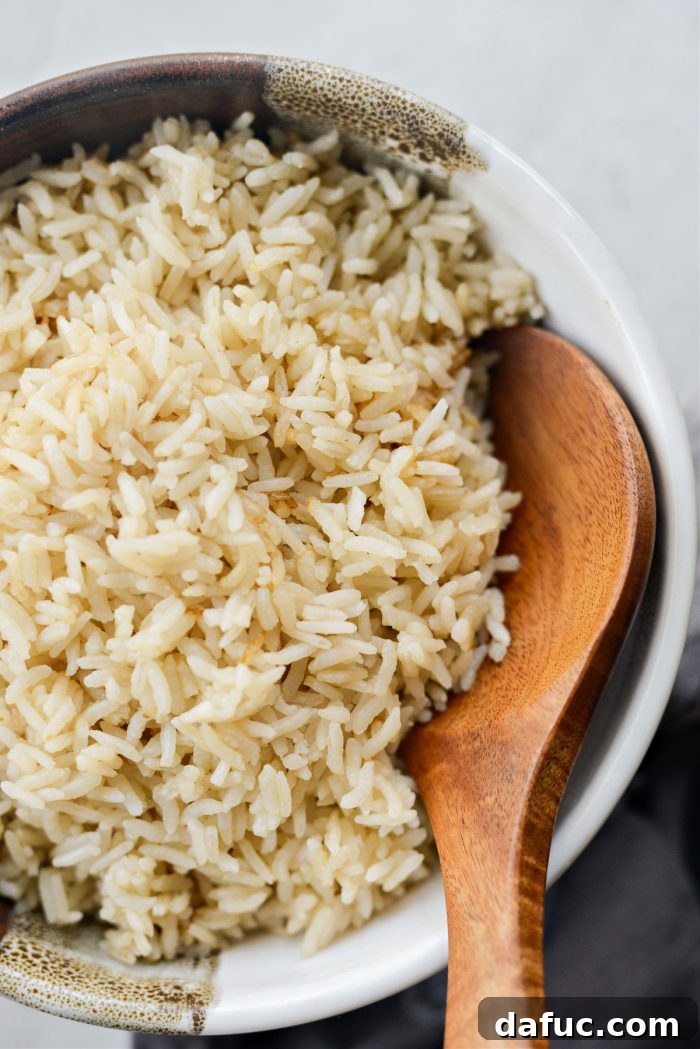
Enjoy this nutritious twist on a classic! If you give this Protein Packed Rice recipe a try, we’d love to hear about it. Share your culinary creations by snapping a photo and tagging us on Twitter or Instagram!
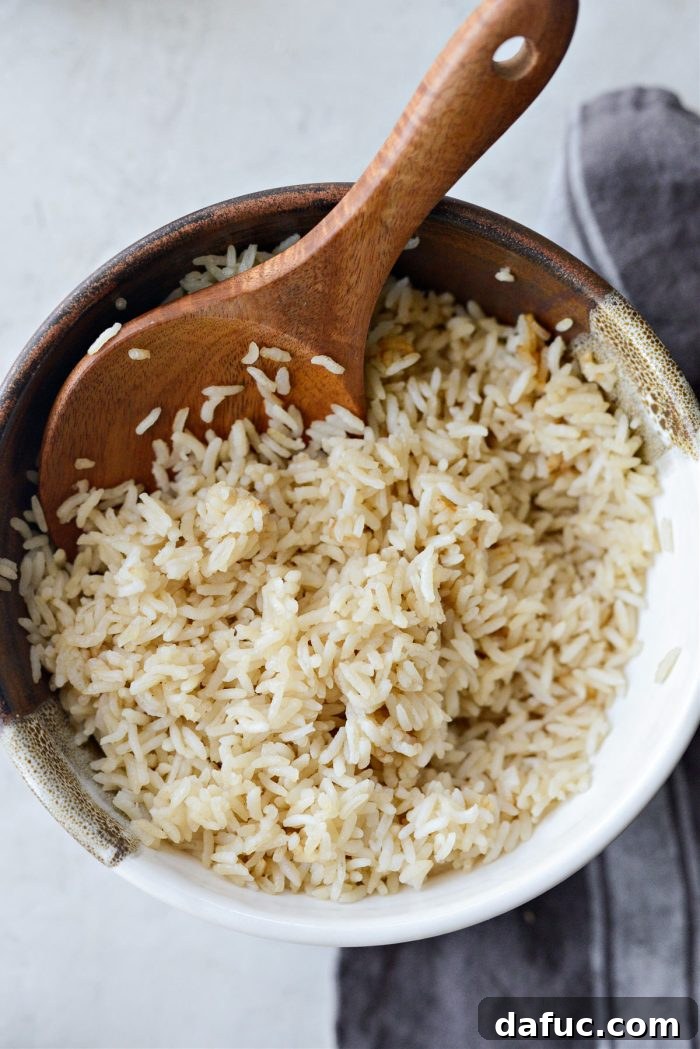
Protein Packed Rice Recipe
In this Protein Packed Rice recipe, rice is cooked with bone broth that not only adds extra protein but delicious flavor as well.
Print Recipe
Pin Recipe
Yield: 8 servings
Prep Time: 5 mins
Cook Time: 40 mins
Total Time: 45 mins
Ingredients
- 2 cups white rice, rinsed well
- 1½ cups chicken bone broth, or more as needed
- 1 pinch kosher salt
Equipment
- Green Life Ceramic Non-stick Rice Cooker
Instructions
- Place the rice in a mesh sieve and rinse well under cool water. Shake gently and rinse until the water runs clear. This will help yield light and fluffy rice.
- Place the rice into the bowl of your rice cooker and add a small pinch of salt.
- Rice cookers usually have a line marked where you should fill to with liquids. Usually that’s water, but today it’s bone broth. Fill the pot up to the line marked. Every rice cooker is different; for mine, I use 1½ cups.
- Select white rice and press start.
- Once cooked, fluff and serve.
Notes
I always make rice in a rice cooker. It’s foolproof and so much easier. Because most rice cookers regulate how much steam/vapor is released, you won’t need as much liquid than if you were making rice in a saucepan on your stovetop. With that said, if making this protein packed rice on the stovetop, you will need 2 cups of liquid per 1 cup of uncooked rice.
Nutrition Disclaimer: All information presented on this site is intended for informational purposes only. I am not a certified nutritionist, and any nutritional information shared on SimplyScratch.com should only be used as a general guideline.
Nutrition Information (per serving)
- Serving: 1 cup
- Calories: 109 kcal
- Carbohydrates: 22 g
- Protein: 4 g
- Fat: 0.2 g
- Saturated Fat: 0.1 g
- Polyunsaturated Fat: 0.1 g
- Monounsaturated Fat: 0.1 g
- Sodium: 22 mg
- Potassium: 28 mg
- Fiber: 0.3 g
- Sugar: 0.04 g
- Calcium: 8 mg
- Iron: 0.2 mg
Author: Laurie McNamara
Course: Side Dish
Cuisine: American, Asian