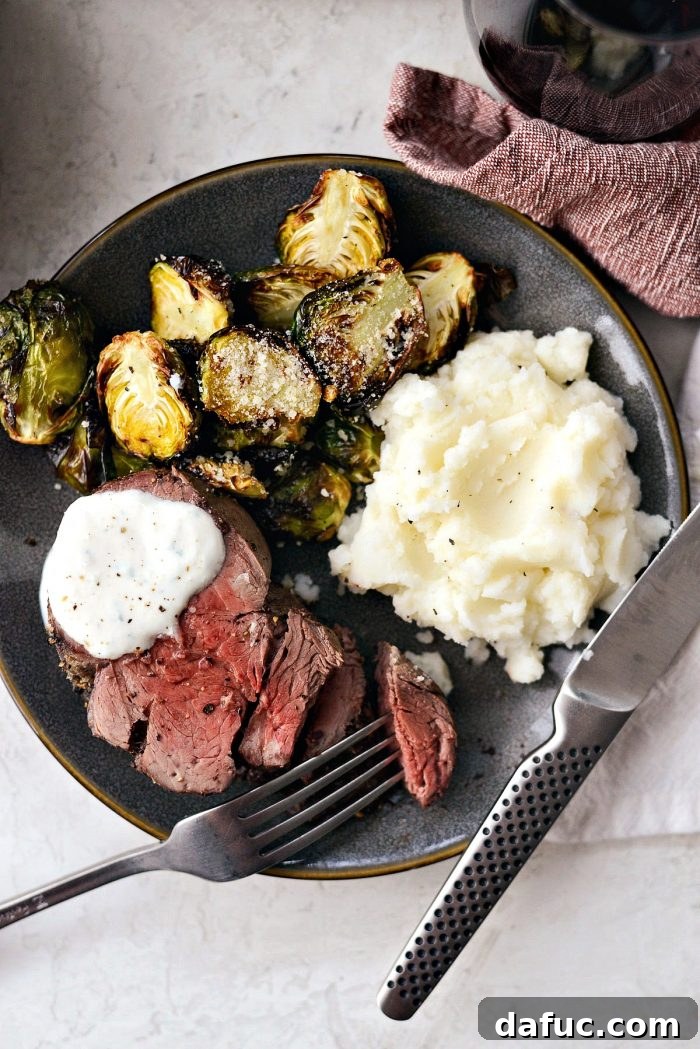
Prepare to impress your guests with this spectacular Black Pepper Crusted Beef Tenderloin, a dish that effortlessly combines elegance with incredible flavor. This recipe is not only surprisingly easy to master, but it also delivers a show-stopping main course, perfectly complemented by a vibrant, zippy horseradish cream sauce. Whether you’re hosting a holiday feast, a special dinner party, or simply treating your family to something extraordinary, this beef tenderloin will undoubtedly be the star of your meal. Elevate your dining experience by pairing it with creamy mashed potatoes and your favorite seasonal roasted vegetables.
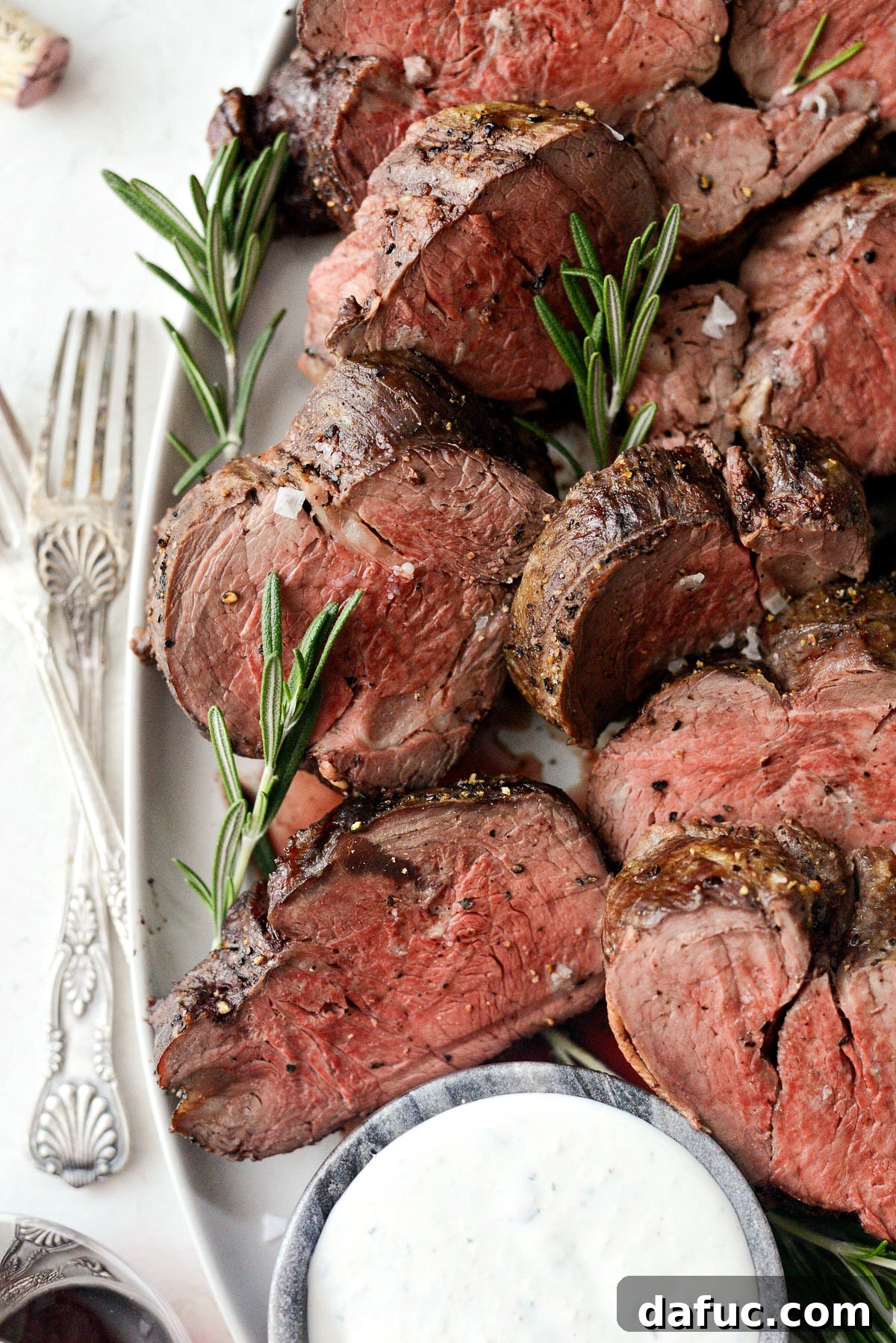
Beyond the Ham: Why Beef Tenderloin Reigns Supreme for Holiday Feasts
While Christmas hams and turkeys often take center stage during the holidays, there’s a compelling argument to be made for a magnificent beef tenderloin. It’s truly a cut above, offering unparalleled tenderness and a luxurious feel that transforms any meal into an unforgettable event. Forget the fear of cooking such a prized piece of meat; this black pepper crusted tenderloin recipe is designed for ease and guaranteed perfection, even for novice cooks. Its inherent quality means it doesn’t require an arsenal of complex seasonings. In fact, the magic lies in simplicity: a generous coating of flaky kosher salt and freshly coarse-cracked black pepper is all it takes to build an incredible crust and enhance the beef’s natural, rich flavor.
But simple doesn’t mean boring. While a classic au jus is delightful with a prime rib roast, beef tenderloin reaches new heights when paired with a bright, piquant horseradish cream sauce. This creamy, tangy condiment provides a beautiful contrast to the savory beef, cutting through its richness and adding a refreshing “zip” that truly complements every bite. This entire process, from preparation to plate, is remarkably straightforward, making it an ideal choice for anyone looking to create a gourmet meal without the stress.
Essential Kitchen Tools for a Perfect Beef Tenderloin
To ensure your beef tenderloin is cooked to perfection, a few key kitchen tools will be invaluable. These items simplify the process and help guarantee consistent, delicious results every time.
- Kitchen Twine (Butcher’s String or Cooking String): This is crucial if your tenderloin doesn’t come pre-trimmed and tied. Tying the roast ensures a uniform thickness, which is vital for even cooking from end to end. Without it, thinner sections might overcook while thicker parts remain underdone.
- Roasting Pan with Rack: A good roasting pan with an elevated rack allows hot air to circulate freely around the entire piece of meat. This circulation promotes even cooking and helps create that desirable, crispy crust all around the tenderloin, preventing the bottom from steaming in its own juices.
- Instant-Read Digital Thermometer: This is arguably the most important tool for cooking any roast, especially a premium cut like beef tenderloin. Relying on visual cues alone can lead to over or undercooked meat. An instant-read thermometer provides an accurate internal temperature, allowing you to pull the tenderloin at precisely the right moment for your preferred level of doneness. This eliminates guesswork and guarantees succulent results.
Having these tools on hand will set you up for success, transforming a potentially daunting task into an enjoyable cooking experience.
Key Ingredients for Black Pepper Crusted Beef Tenderloin and Horseradish Sauce
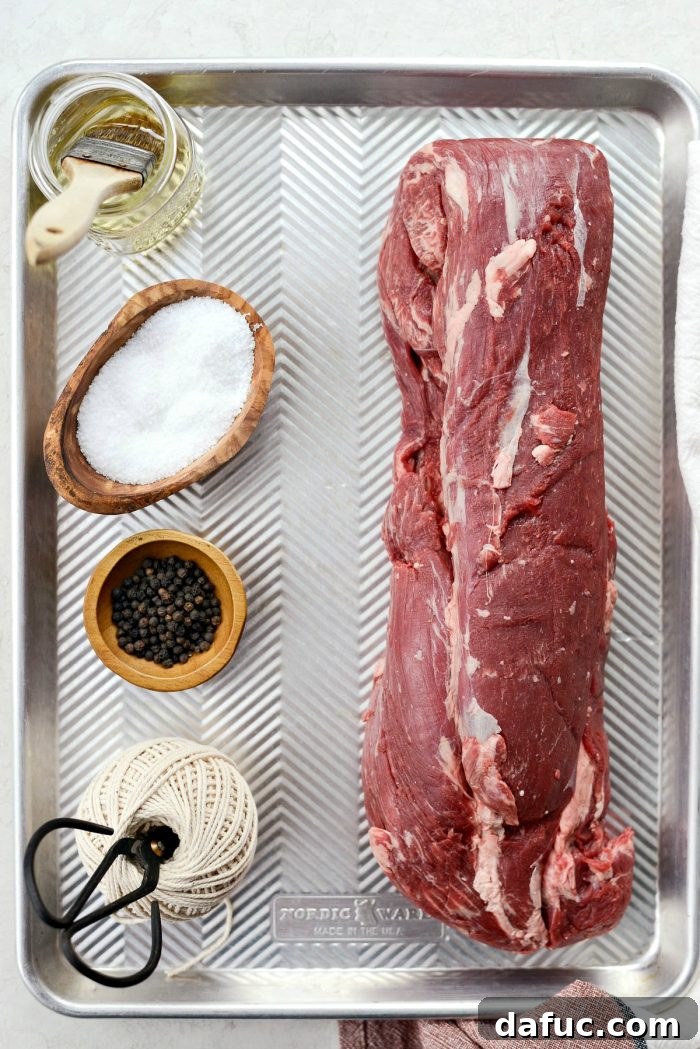
The beauty of this dish lies in its high-quality ingredients. Here’s what you’ll need, along with some important considerations for each:
For the Beef Tenderloin:
- Beef Tenderloin: Also known as beef filet or Chateaubriand, this is a premium cut known for its tenderness. Look for a center-cut piece for the most uniform thickness. (See detailed notes below on choosing and prepping.)
- Avocado Oil: Or any oil suitable for high-temperature cooking, such as extra-light olive oil or grapeseed oil. These oils have a high smoke point, which is important for the initial high-heat roasting phase to develop a beautiful crust without burning.
- Kosher Salt: Beyond simply seasoning, coarse kosher salt plays a crucial role in forming a flavorful, crispy crust on the exterior of the tenderloin. Its larger crystals adhere well and draw out moisture, contributing to texture.
- Freshly Cracked Black Pepper: “Coarse, freshly ground black pepper” is key here. Pre-ground pepper lacks the aromatic potency and textural impact of freshly cracked peppercorns, which form the distinctive “crust” this recipe is named for. You’ll want a generous amount to achieve that signature peppery bite.
For the Horseradish Cream Sauce:
- Plain Non-Fat Greek Yogurt: Provides a creamy base with a delightful tang, adding lightness without sacrificing richness.
- Sour Cream: Contributes a touch of fat for a luscious texture and a classic creamy, tangy profile that pairs exceptionally well with beef.
- Prepared Horseradish: The star of the sauce, offering its distinct strong and spicy kick. Adjust the amount to your preference for heat.
- Fresh Oregano (Minced): Lends a peppery, slightly bitter, and aromatic herbaceous flavor that brightens the sauce.
- Fresh Thyme Leaves (Minced): Adds an earthy, subtly minty, and lemony note, harmonizing beautifully with the other ingredients.
- Heavy Cream: Used to adjust the consistency of the sauce, making it silky smooth while imparting a rich mouthfeel. You can add more or less depending on your desired thickness.
- Freshly Squeezed Lemon Juice: A splash of fresh lemon juice adds essential brightness and acidity, balancing the creamy and spicy elements of the sauce.
- Kosher Salt & Black Pepper: To taste. These seasonings enhance all the other flavors, ensuring a well-rounded and delicious sauce.
Choosing and Preparing Your Beef Tenderloin
When it comes to beef tenderloin, quality makes all the difference. This is a special occasion cut, so it’s worth investing in the best you can find.
What Type of Beef Tenderloin Should You Buy?
For a truly exceptional experience, visit your local butcher or a reputable meat market. You can request a beef tenderloin that is already “trimmed and tied.” This means the butcher has removed the silver skin (more on that below) and tied the roast with kitchen twine, ensuring an even shape for consistent cooking. While this option is often pricier, the time and effort it saves are well worth the extra cost, especially when preparing for guests. Some larger retailers, like Costco, may offer tenderloins trimmed of silver skin, which is a great compromise if a full-service butcher isn’t available.
For example, a 4-pound trimmed beef tenderloin might cost around $94.00. While this may seem significant, consider that it comfortably serves 8 people, making it a surprisingly economical choice for a luxurious holiday meal per person.
What is Silver Skin?
Silver skin is a tough, silvery-white connective tissue that runs along the surface of the tenderloin. Unlike fat, which renders and melts during cooking, silver skin will *not* break down. If left on, it will remain tough, chewy, and unpleasant to eat, causing the meat to curl unattractively. It’s crucial to remove it. If your butcher hasn’t already done so, you can carefully trim it off yourself using a sharp knife, sliding the blade just beneath the silver skin and pulling it taut as you cut.
How Much is a Serving of Beef Tenderloin?
For a holiday meal, planning for 8 to 10 people is common. Beef tenderloins typically range from 2 to 6 pounds. A good rule of thumb is to plan on approximately 1/2 pound (raw meat weight) per person. This generous calculation accounts for any trimming you might do and the natural shrinkage that occurs during cooking, ensuring everyone gets a satisfying portion. For instance, a 4-pound beef tenderloin is generally ideal for feeding 8 people.
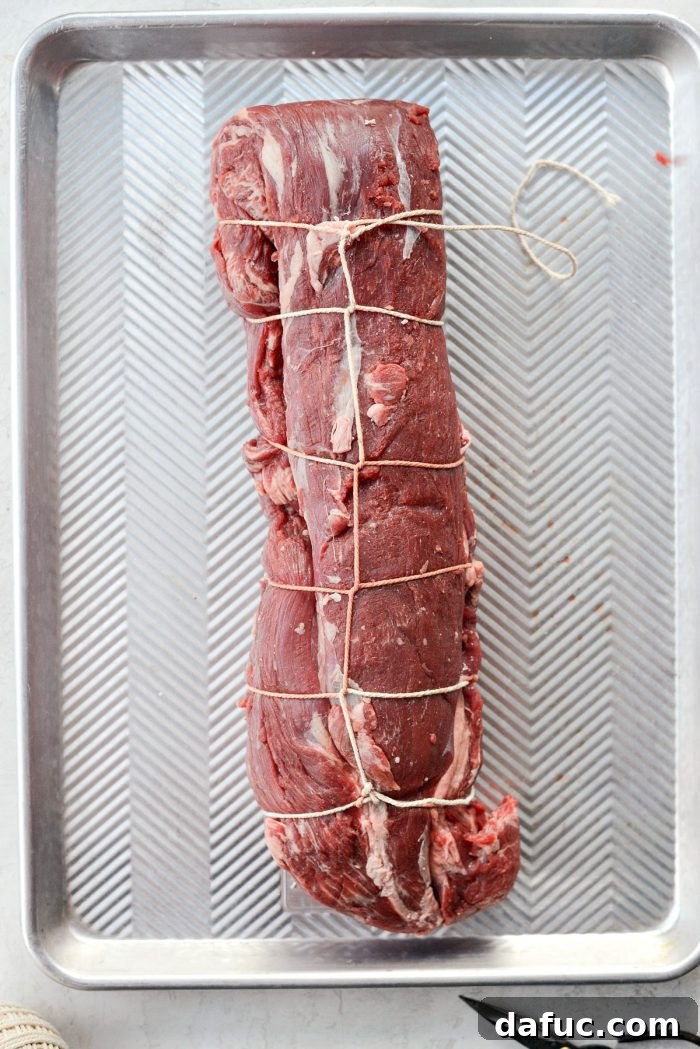
Step-by-Step Guide to Roasting a Perfect Beef Tenderloin
Achieving a perfectly roasted beef tenderloin is simpler than you think. Follow these steps for a mouthwatering result.
1. Bring the Tenderloin to Room Temperature and Prepare Your Oven:
Remove your beef tenderloin from the refrigerator approximately 45 minutes to 1 hour before you plan to roast it. Allowing the meat to come closer to room temperature helps it cook more evenly. Preheat your oven to a high heat of 450°F (232°C). Position your oven rack in the lower third of your oven, specifically the second position from the bottom.
2. Trim and Tie the Tenderloin:
If your tenderloin is not already uniform in thickness, fold the narrow, “tail” end underneath itself to create a more even cylindrical shape. This crucial step prevents the thinner sections from overcooking. Secure the roast with kitchen string (butcher’s twine) at intervals of about 1.5 to 2 inches along its length, trimming any excess string. If you’re new to tying roasts, there are many helpful video tutorials available online. I recommend this video on YouTube for a visual guide.
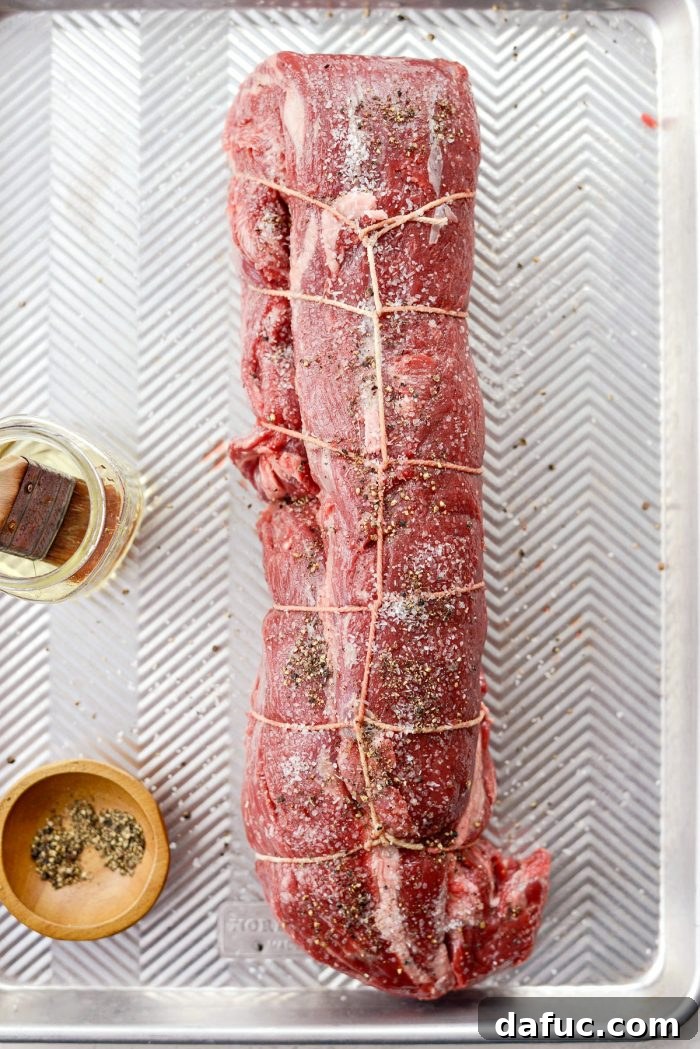
3. Season Liberally:
Brush all sides of the beef tenderloin generously with your chosen high-temp cooking oil (avocado, extra-light olive, or grapeseed oil). Next, season the entire surface liberally with kosher salt and coarse, freshly cracked black pepper. Don’t be shy with the pepper – it creates the signature crust and flavor of this dish. However, feel free to adjust the amount of pepper based on your family’s or guests’ preferences. For instance, if you’re serving those who prefer less heat, you might use a slightly milder application, while pepper lovers can enjoy a more robust crust.
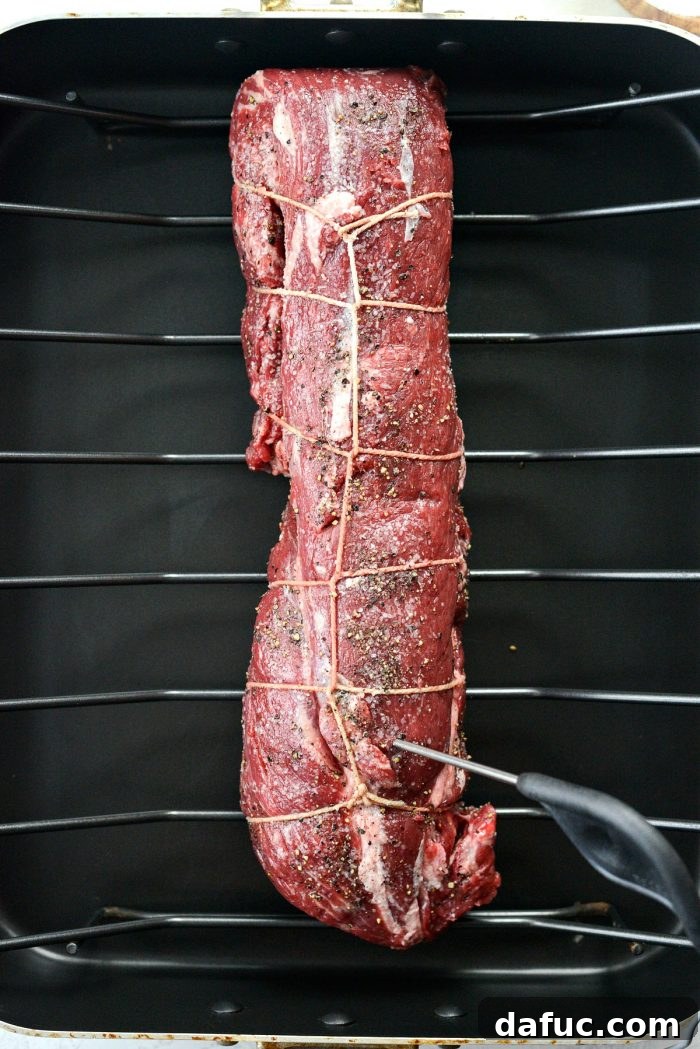
4. Prepare for Roasting:
Carefully place the seasoned tenderloin onto the rack set inside your roasting pan. If your roasting rack is stainless steel or prone to sticking, a light spray of olive oil beforehand can help prevent the meat from adhering, ensuring easy removal later.
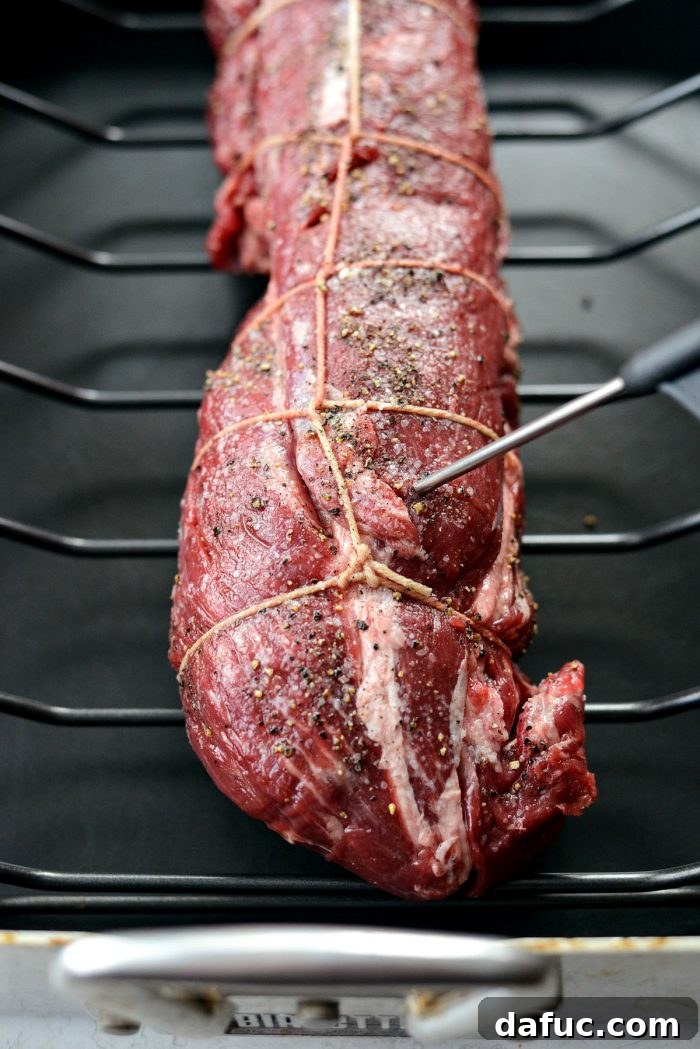
5. Insert Your Thermometer:
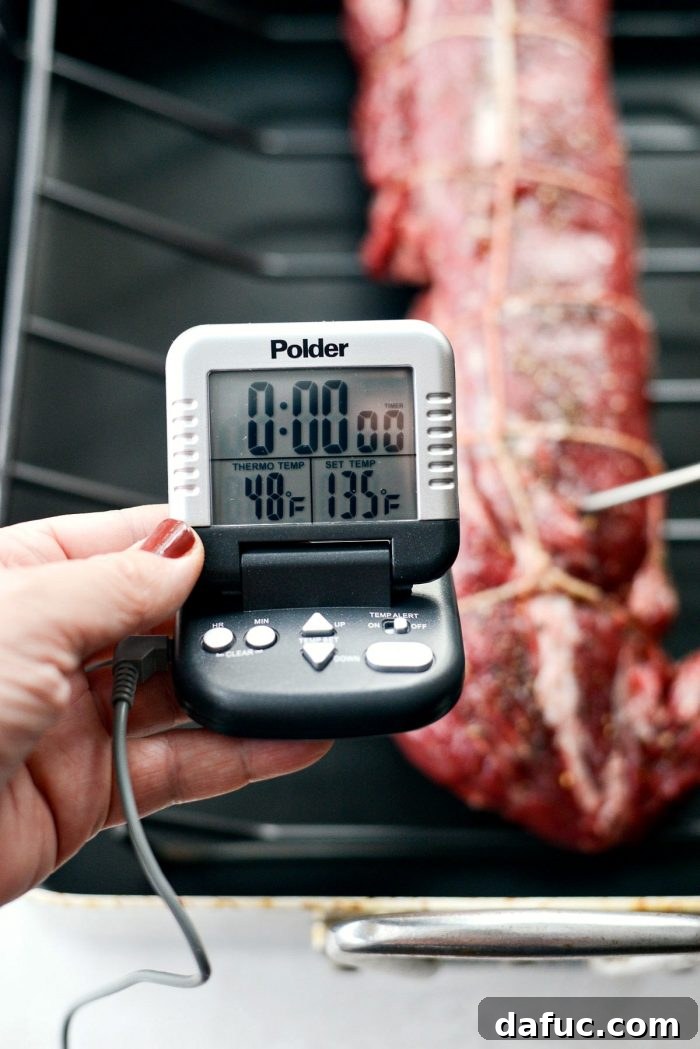
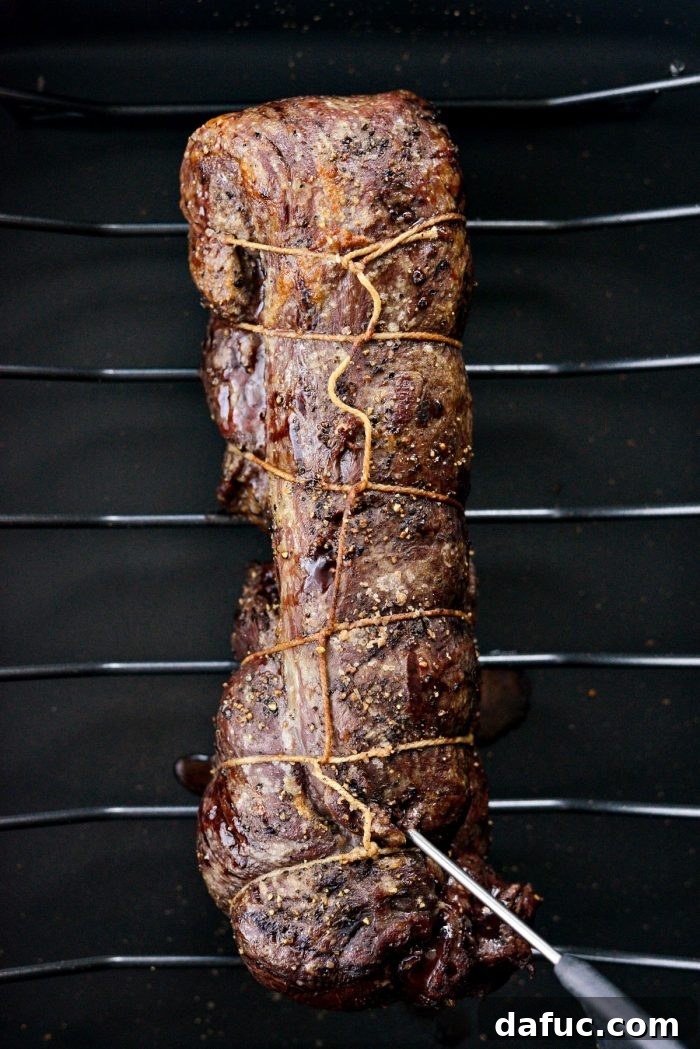
Insert an oven-safe digital thermometer into the absolute middle of the thickest part of the beef tenderloin. This is crucial for accurately monitoring the internal temperature throughout the cooking process. If your thermometer has a programmable alert feature, set it to notify you when the tenderloin reaches your desired level of doneness (see temperature guide below). This prevents overcooking and ensures a perfect result.
What Are The Temperatures of Doneness for Beef Tenderloin?
Knowing the correct internal temperatures is key to achieving your desired doneness. Remember that the meat’s temperature will rise a few degrees during resting (carryover cooking), so you’ll want to remove it from the oven just before it reaches the final target temperature.
- Rare: 125°F (52°C) – Cool, red center.
- *Medium-Rare: 135°F (57°C) – Warm, red center (My personal recommendation for optimal tenderness and flavor).
- Medium: 145°F (63°C) – Warm, pink center.
- Medium-Well: 150°F (66°C) – Warm, slightly pink center.
- Well-Done: 155°F (68°C) or higher – Little to no pink. (Note: Tenderloin can become dry and tough at this temperature).
Roast the tenderloin for an initial 15 minutes at 450°F (232°C) to create a beautiful sear and crust. Then, reduce the oven temperature to 325°F (163°C) and continue cooking until the internal temperature reaches your preferred doneness, as indicated by your digital thermometer. While the beef is roasting, you can begin preparing the zesty horseradish cream sauce.
Crafting the Zippy Horseradish Cream Sauce
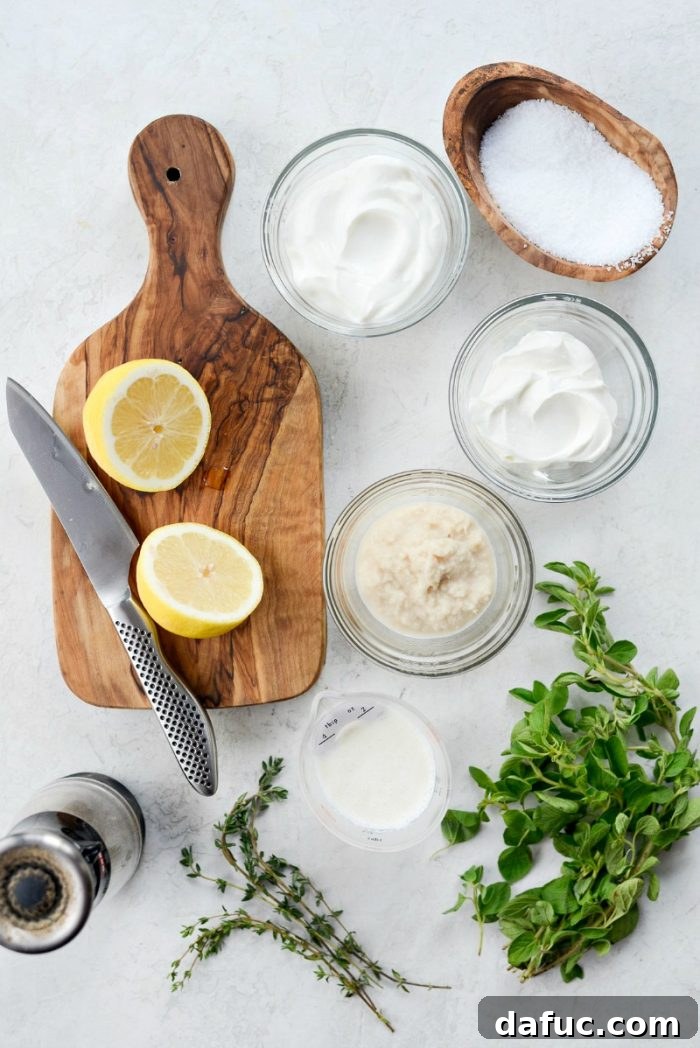
This vibrant sauce is the perfect counterpoint to the rich beef tenderloin. It’s incredibly easy to make while your beef is roasting.
Instructions for the Horseradish Cream Sauce:
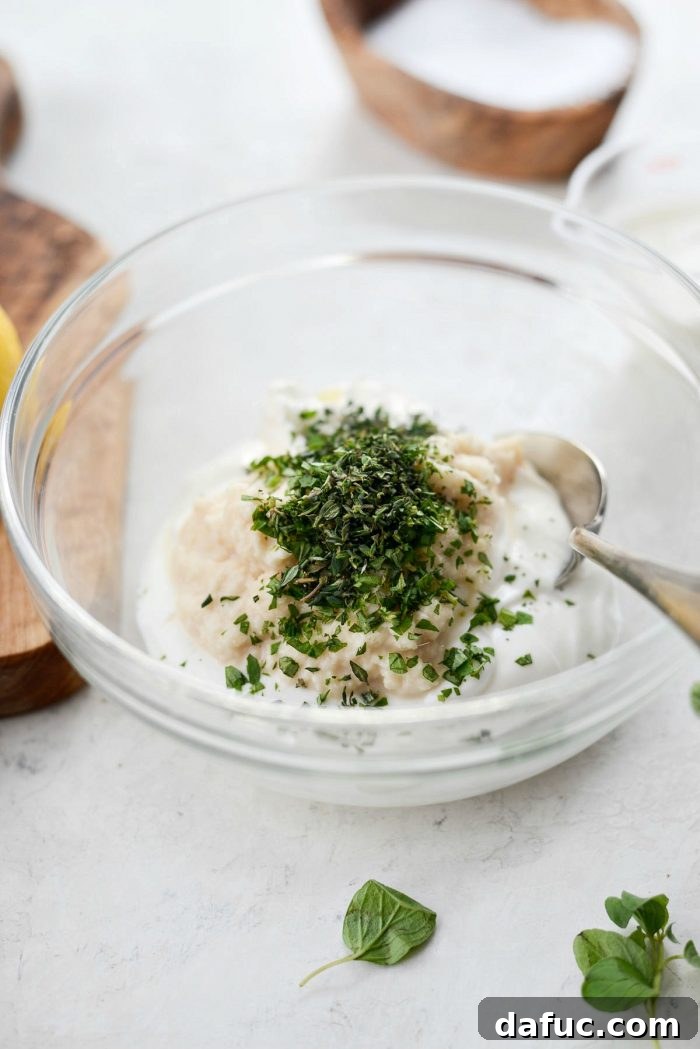
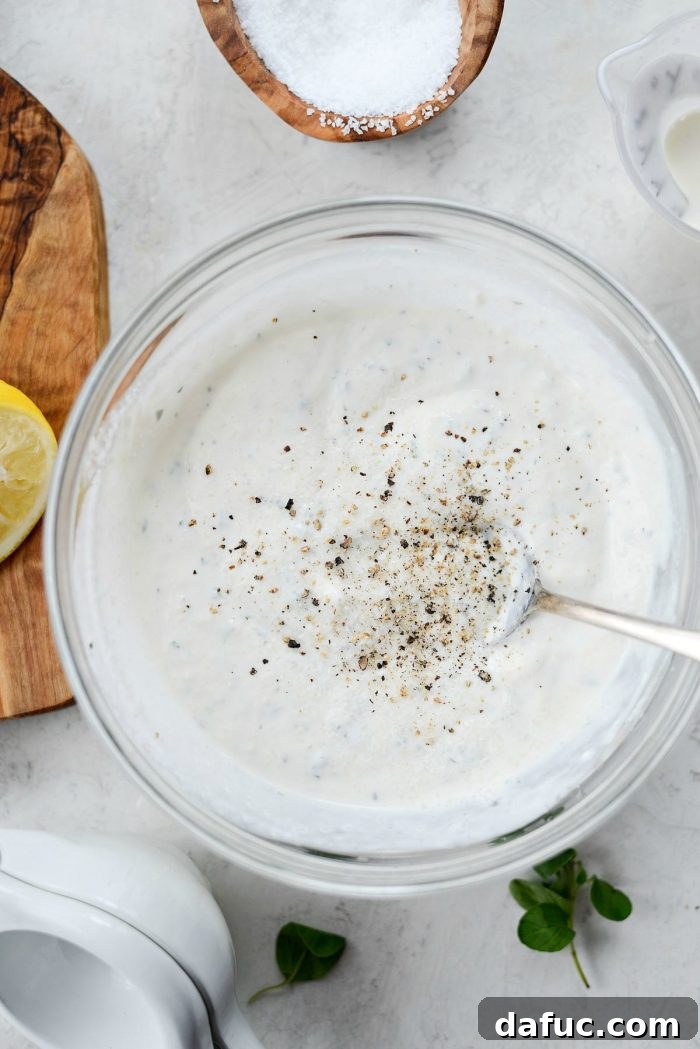
- In a medium-sized mixing bowl, combine 1/2 cup plain non-fat Greek yogurt, 1/4 cup sour cream, 1/4 cup prepared horseradish, 1 teaspoon minced fresh oregano, 3/4 teaspoon minced fresh thyme leaves, 2 to 3 tablespoons heavy cream (adjust to achieve desired consistency), and the freshly squeezed juice of 1/2 a lemon.
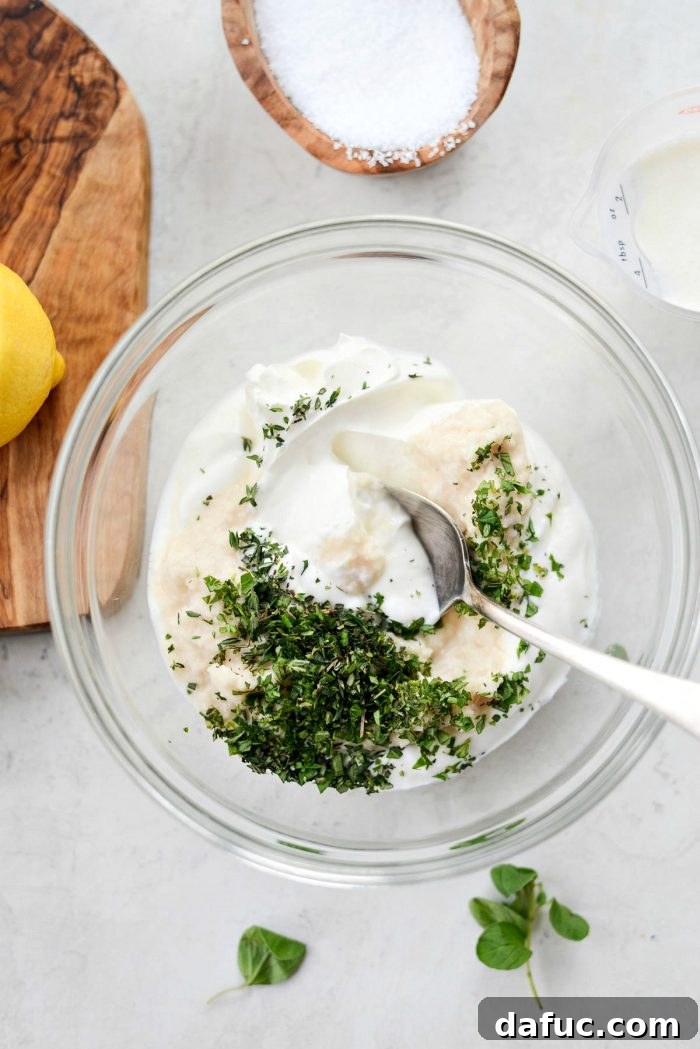
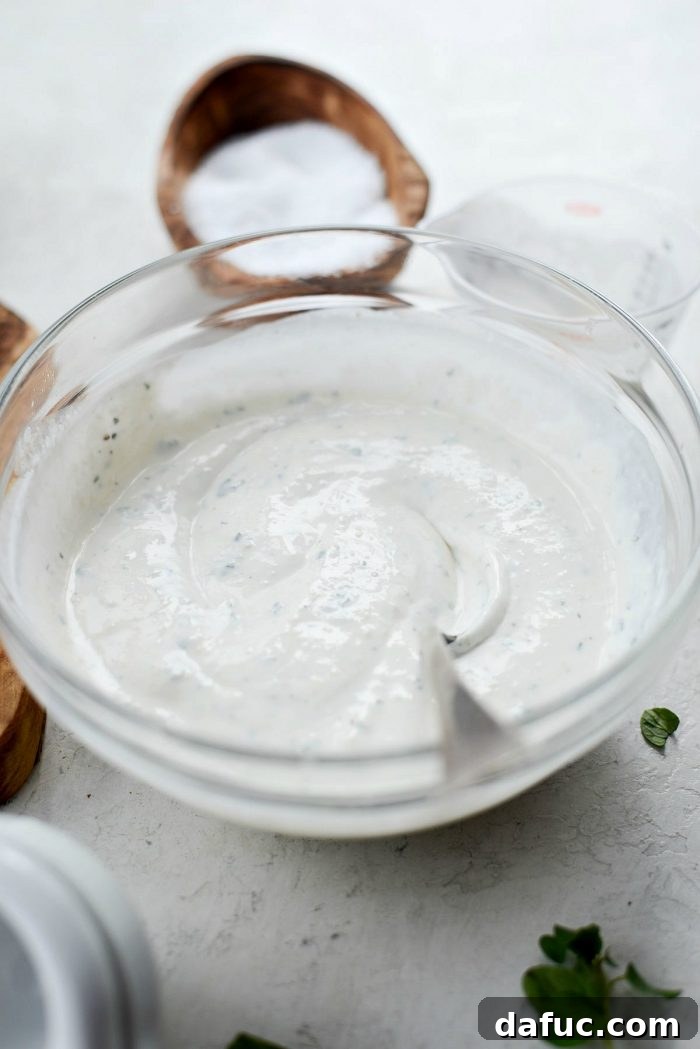
- Mix all ingredients thoroughly with a whisk or spoon until well combined and smooth.
- Taste the sauce and adjust the seasoning with kosher salt and black pepper to your preference. You might want more horseradish for extra zing or a little more lemon juice for brightness.
- Cover the bowl tightly with plastic wrap and refrigerate until you are ready to serve. Chilling the sauce allows the flavors to meld beautifully.
The Critical Resting Phase and Perfect Slicing
Once your beef tenderloin reaches your desired internal temperature, remove it from the oven and immediately transfer it to a carving board. Crucially, tent the roast loosely with foil and allow it to rest for at least 10 to 15 minutes. This resting period is vital: it allows the juices, which have been forced to the center of the roast during cooking, to redistribute throughout the meat. Skipping this step will result in juices flowing out when you slice, leaving you with a drier, less flavorful tenderloin.
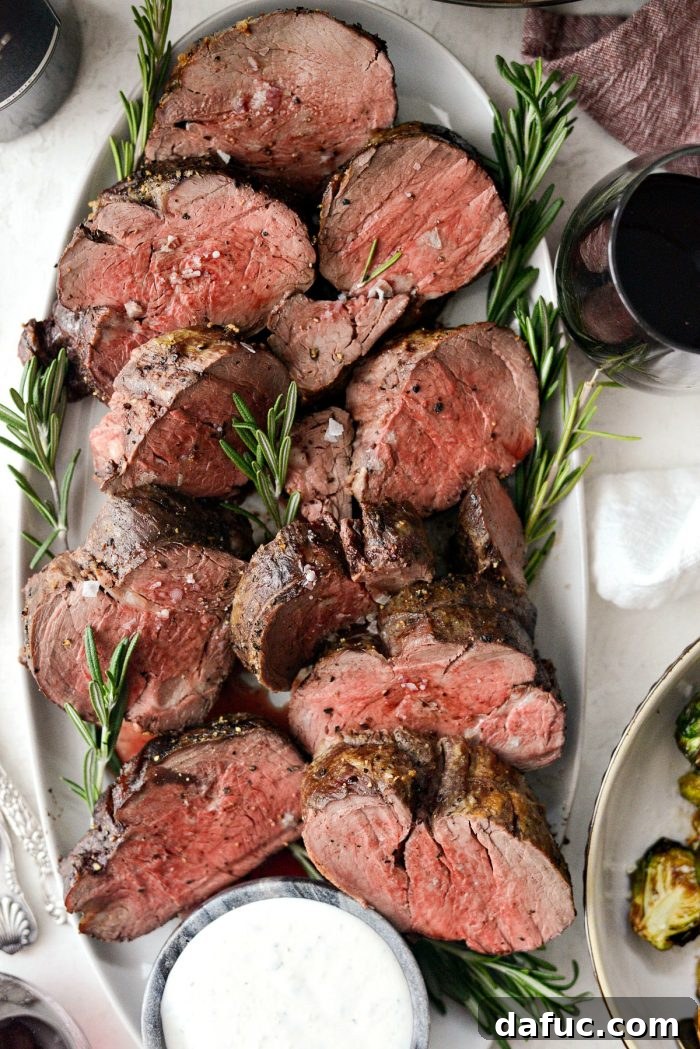
Before slicing, carefully remove and discard all the kitchen string. When serving, you can be as generous as you like with your cuts. Thick slices (around 1.5 to 2 inches) present beautifully and offer a substantial portion, but you can also opt for thinner, 1-inch slices, serving two per plate for a more delicate presentation. The choice is entirely up to you and your guests’ preferences.
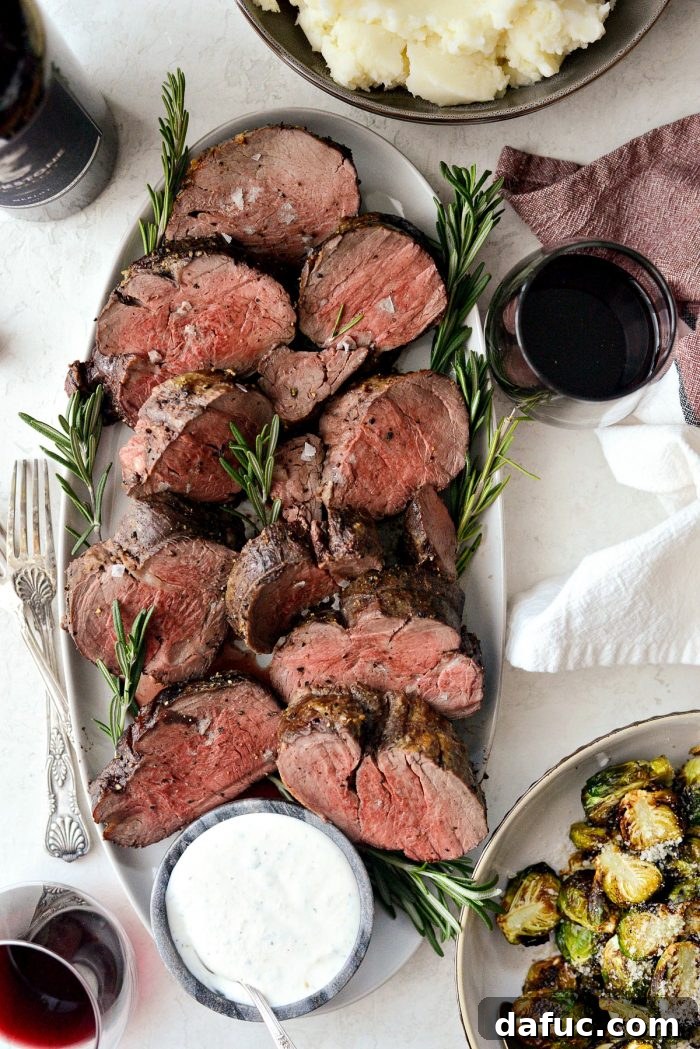
Once sliced, arrange the magnificent beef tenderloin on a platter, showcasing its perfectly crusted exterior and tender interior. Serve it alongside a bowl of your creamy, zesty horseradish sauce, allowing guests to add as much as they desire.
What to Serve with Your Beef Tenderloin
A show-stopping main like beef tenderloin deserves equally impressive accompaniments. Here are some classic and delightful serving suggestions:
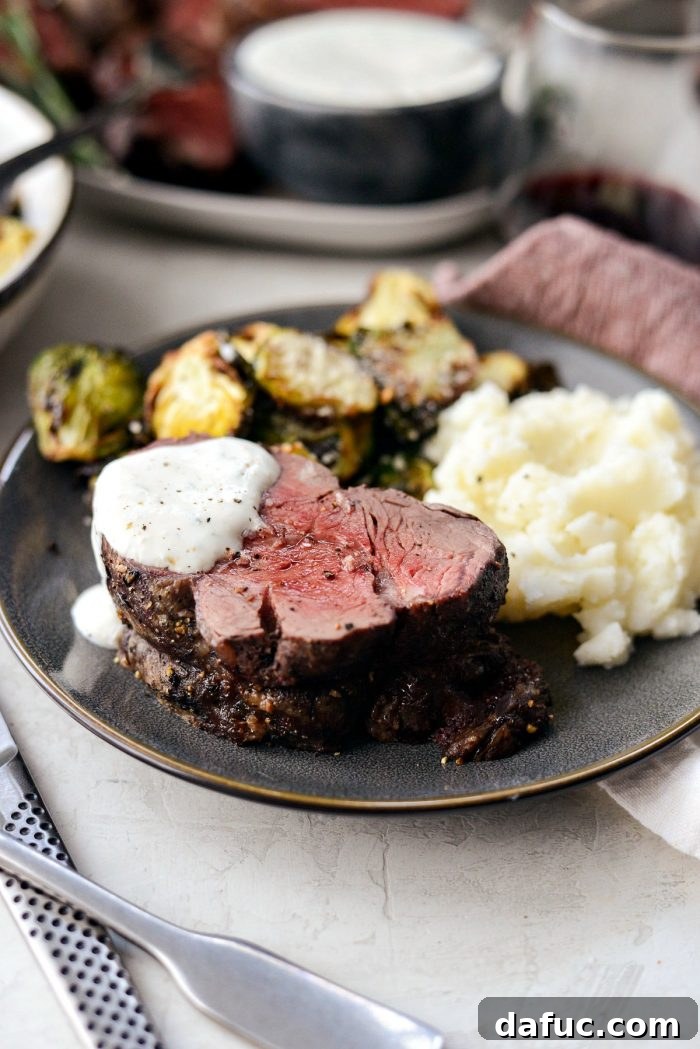
- Potatoes: Creamy mashed potatoes are a natural pairing, soaking up all the delicious juices. Other excellent choices include loaded twice-baked potatoes, elegant scalloped potatoes, or rich cheesy potatoes.
- Roasted Vegetables: Complement the richness of the beef with vibrant roasted vegetables like savory Brussels sprouts or crisp-tender asparagus. Other options include green bean casserole, glazed carrots, or roasted root vegetables.
- Bread: Warm dinner rolls or a crusty baguette are perfect for soaking up any remaining sauce or juices.
- Salad: A light, fresh green salad with a vinaigrette can provide a refreshing contrast to the richness of the meal.
Creative Ways to Enjoy Leftover Beef Tenderloin
While leftovers might be rare with a dish this delicious, if you do find yourself with extra beef tenderloin, consider these delightful ideas:
- Breakfast Hash: Slice the tenderloin thinly and swap it for prime rib in a hearty sheet pan breakfast hash, served with fried eggs. It’s a truly luxurious morning meal!
- Crostini Bites: Create elegant appetizers by slicing the beef thinly and topping toasted baguette slices with a dollop of blue cheese or a spread, and a slice of the tenderloin. These beef and blue cheese crostini are always a hit.
- Gourmet Sandwiches or Salads: Thinly slice the cold tenderloin for elevated sandwiches with your favorite fixings, or arrange it atop a fresh green salad for a sophisticated and satisfying lunch.
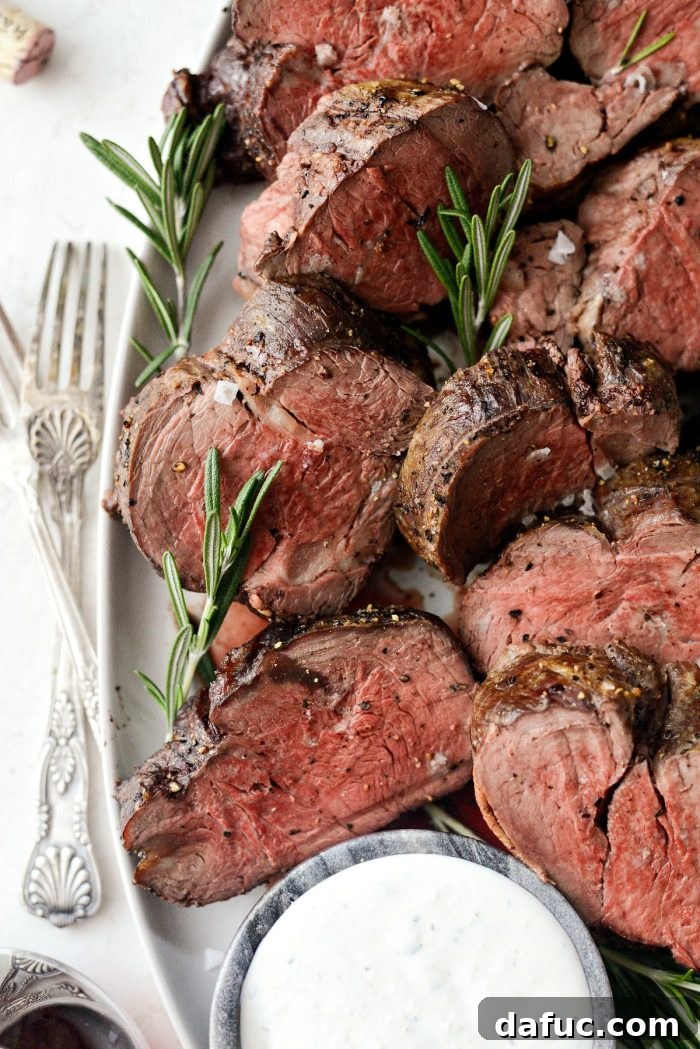
The combination of warm, perfectly cooked beef with its crispy pepper crust and the cool, zesty horseradish sauce is truly an experience for the senses. I personally love serving this dish with creamy mashed potatoes, a brightly roasted vegetable like Brussels sprouts or asparagus, and a robust glass of Merlot to complete the elegant meal.
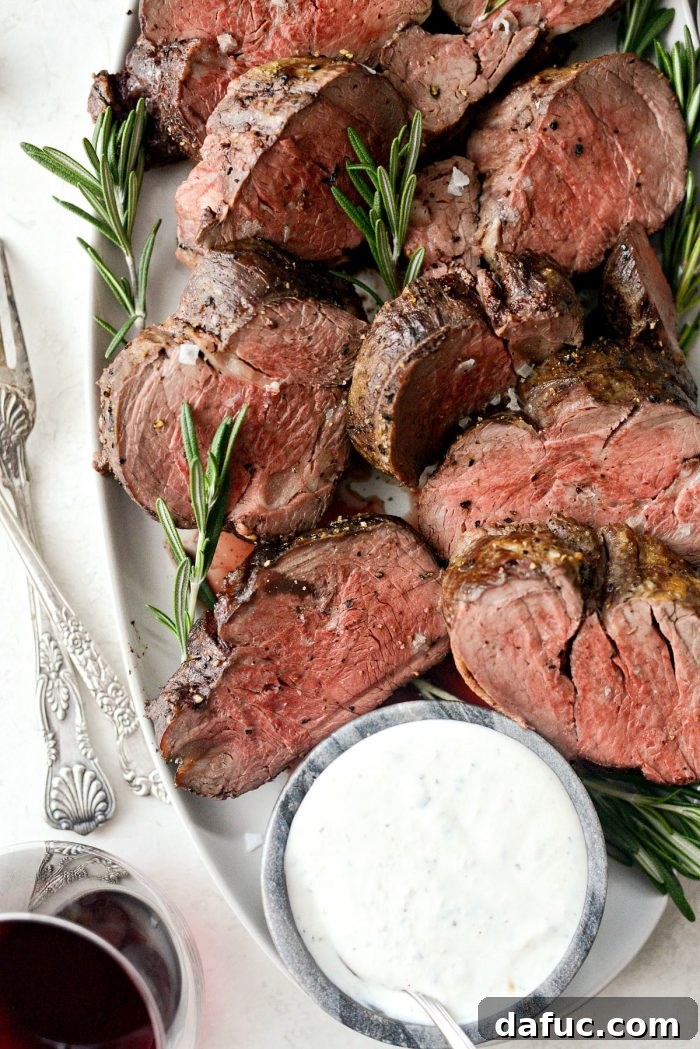
Enjoy this culinary masterpiece! If you try this Black Pepper Crusted Beef Tenderloin recipe, I would love to hear about it. Snap a photo and share your creations with me on Twitter or Instagram!
Print Recipe
Pin Recipe
Leave a Review »
Black Pepper Crusted Beef Tenderloin
Ingredients
FOR THE BEEF TENDERLOIN:
- 4 pounds beef tenderloin (4 to 4½ pounds) – see notes
- Avocado oil, or oil safe for high-temp cooking
- Kosher salt
- Black pepper, coarse, freshly ground
FOR THE HORSERADISH CREAM SAUCE:
- 1/2 cup plain nonfat Greek yogurt
- 1/4 cup sour cream
- 1/4 cup prepared horseradish
- 1 teaspoon oregano, fresh, minced
- 3/4 teaspoon thyme leaves, fresh, minced
- 2 tablespoons heavy cream, or more to preference
- 1/2 medium lemon, juiced
- Kosher salt, to taste
- Black pepper, to taste
Equipment
-
All-Clad Hard Anodized Nonstick Roaster
-
Polder Digital In-Oven Meat Thermometer with Heat Resistant Probe
-
Kitchen Twine
Instructions
MAKE THE BEEF TENDERLOIN:
- Pull your beef tenderloin out 45 minutes to 1 hour before roasting to bring it to room temperature.
- Preheat your oven to 450°F (232°C) and position your oven rack to the second position in the bottom third of your oven.
- Fold the narrow end underneath so the tenderloin is uniform in thickness. Tie the roast with kitchen string about every 1-1/2 to 2 inches. Trim off excess string. For a helpful how-to video, refer to the link provided in the post above.
- Brush all sides of the tenderloin with oil. Use tongs to turn the beef, seasoning liberally with kosher salt and coarse, freshly cracked black pepper on all sides. Use as much or as little of the cracked peppercorn to taste.
- Transfer the tenderloin to a rack set into a roasting pan. If the rack isn’t already nonstick, you may want to spray it with olive oil first to prevent sticking.
- Insert an oven-safe digital thermometer into the middle of the thickest part of the tenderloin. If you’re able to, set it to alert you at your preferred doneness:
- Rare 125°F (52°C)
- Medium-rare 135°F (57°C)
- Medium 145°F (63°C)
- Medium-Well 150°F (66°C)
- Roast the tenderloin for 15 minutes at 450°F, then reduce the heat to 325°F (163°C) and continue to cook until the center has reached your preferred doneness.
- Meanwhile, prepare the horseradish sauce (see steps below).
MAKE THE HORSERADISH CREAM SAUCE:
- In a mixing bowl, combine Greek yogurt, sour cream, horseradish, minced fresh oregano, minced fresh thyme, heavy cream (use 2 to 3 tablespoons depending on your preferred consistency), and fresh lemon juice. Mix well until thoroughly combined.
- Taste and season the sauce with salt and black pepper to your preference.
Notes
* I typically purchase a prepped tenderloin, where the butcher has already removed the silver skin. This does cost a little extra, but it saves significant time. Depending on the tenderloin you buy, you may need to remove this yourself.
Nutrition Disclaimer: All information presented on this site is intended for informational purposes only. I am not a certified nutritionist, and any nutritional information shared on SimplyScratch.com should only be used as a general guideline.