
The Ultimate Homemade Pizza Dough Recipe: Your Go-To for Perfect Pizza Night
There’s something truly magical about homemade pizza. The aroma filling your kitchen, the joy of customizing toppings, and the unbeatable taste of a fresh, crisp crust – it transforms an ordinary meal into an unforgettable experience. For many, including us, “pizza night” is more than just a meal; it’s a cherished tradition. While life can sometimes get in the way of a weekly celebration, when the opportunity arises, a batch of homemade pizza dough is always the star of the show. Whether you’re crafting one grand family-sized pie or empowering everyone to create their own personal pizzas, this dough is the perfect blank canvas for culinary creativity. Forget the bland, store-bought alternatives; once you try this recipe, you’ll discover the unparalleled satisfaction and superior flavor of making your pizza from scratch.
Why Homemade Pizza Dough is a Game Changer
Embarking on the journey of making your own pizza dough opens up a world of possibilities and offers numerous advantages over pre-made options. This isn’t just a recipe; it’s an investment in better flavor, healthier eating, and more enjoyable cooking experiences. Here’s why this homemade pizza dough will become your absolute favorite:
- Unmatched Flavor and Texture: Store-bought dough often falls short on flavor, lacking the subtle complexities that come from proper fermentation. Our homemade recipe yields a crust that’s perfectly chewy on the inside, wonderfully crisp on the outside, and imbued with a delicate yeasty aroma that complements any topping. You control the browning, the chewiness, and the overall integrity of your pizza base.
- Complete Ingredient Control: When you make dough from scratch, you know exactly what goes into it. No unfamiliar preservatives, artificial flavors, or unnecessary additives. This is especially important for those with dietary restrictions or who prefer to use organic, high-quality ingredients. You can even experiment with different types of flour or sweeteners if you wish.
- Incredible Versatility: This dough isn’t just for pizza! It’s an incredibly adaptable base for countless other delicious creations. Its flexible nature makes it suitable for a wide array of savory and even some sweet applications, allowing you to get maximum value from a single recipe. We’ll dive deeper into its versatility shortly.
- Cost-Effective: Making pizza dough at home is significantly cheaper than buying pre-made dough or ordering takeout. Basic ingredients like flour, yeast, water, and salt are pantry staples that are budget-friendly, allowing you to enjoy gourmet-quality meals without breaking the bank.
- A Fun and Rewarding Experience: There’s immense satisfaction in creating something delicious with your own hands. The process of mixing, kneading, and watching the dough rise is therapeutic and can be a wonderful activity for the whole family, especially for involving children in the kitchen.
This homemade pizza dough is not just a recipe; it’s the recipe. It has become my steadfast companion in the kitchen, my ultimate go-to, and I genuinely believe you’ll feel the same way. Once you experience the difference, you’ll never look back at store-bought dough again. Ever.
Essential Ingredients for Your Perfect Pizza Dough
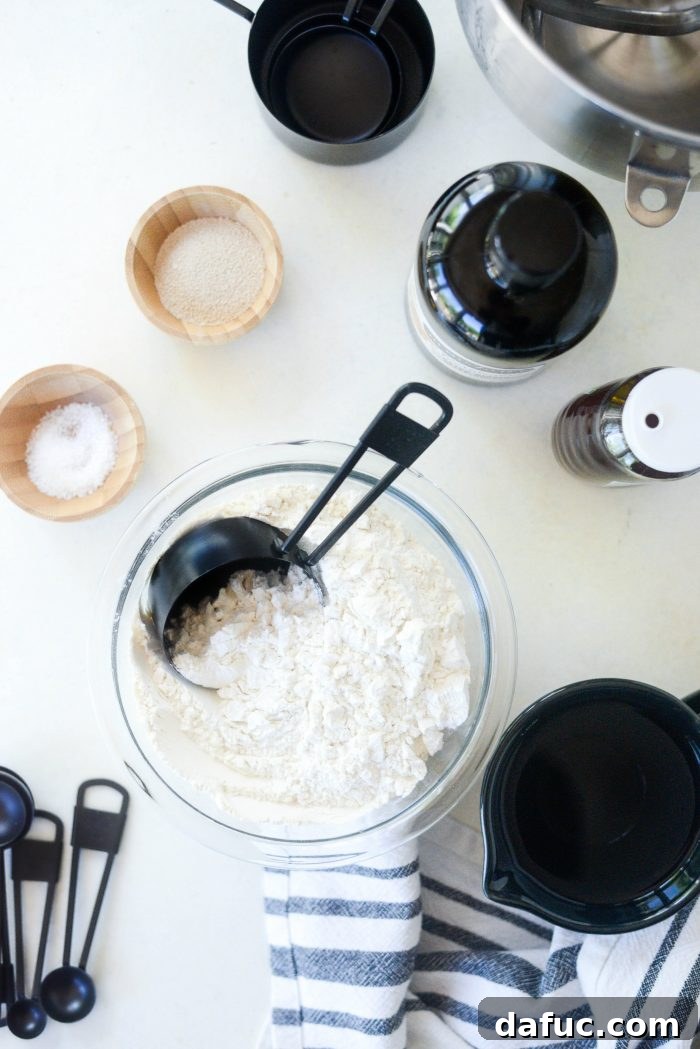
Crafting the perfect pizza dough begins with a few simple, high-quality ingredients. Each component plays a crucial role in achieving the desired texture, flavor, and rise. Here’s what you’ll need to gather:
- 1/2 teaspoon honey: Acts as food for the yeast, helping it activate and bloom effectively. A generous half-teaspoon is ideal for a gentle sweetness and optimal yeast activity.
- 1 cup warm water (110-115°F): The perfect temperature is critical for activating active dry yeast. Water that is too cold won’t activate it, and water that is too hot will kill it.
- 2-1/4 teaspoons or 1 (1/4 ounce) packet active dry yeast: The leavening agent that makes your dough light and airy. Ensure your yeast is fresh for the best results.
- 2 teaspoons olive oil (divided): Adds richness to the dough, contributes to a golden crust, and helps prevent sticking during rising.
- 2-1/2 cups unbleached all-purpose flour: While bread flour can also be used for a chewier crust, unbleached all-purpose flour provides a wonderfully balanced texture. Have a little extra on hand for dusting.
- 3/4 teaspoon kosher salt: Enhances the flavor of the dough and regulates yeast activity, preventing it from rising too quickly.
Step-by-Step Instructions for Homemade Pizza Dough
Follow these straightforward steps to create a supple, flavorful pizza dough that will impress everyone.
-
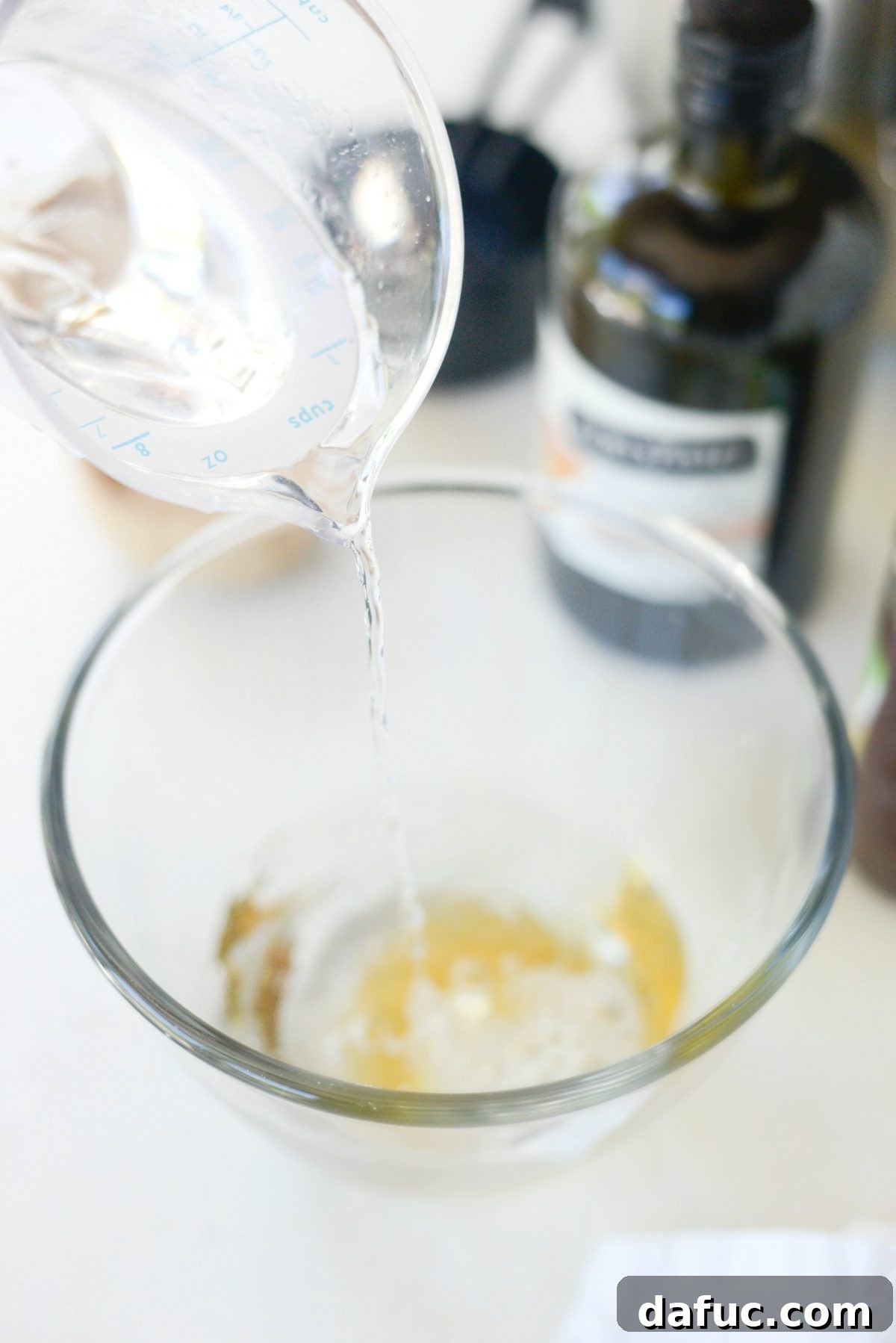
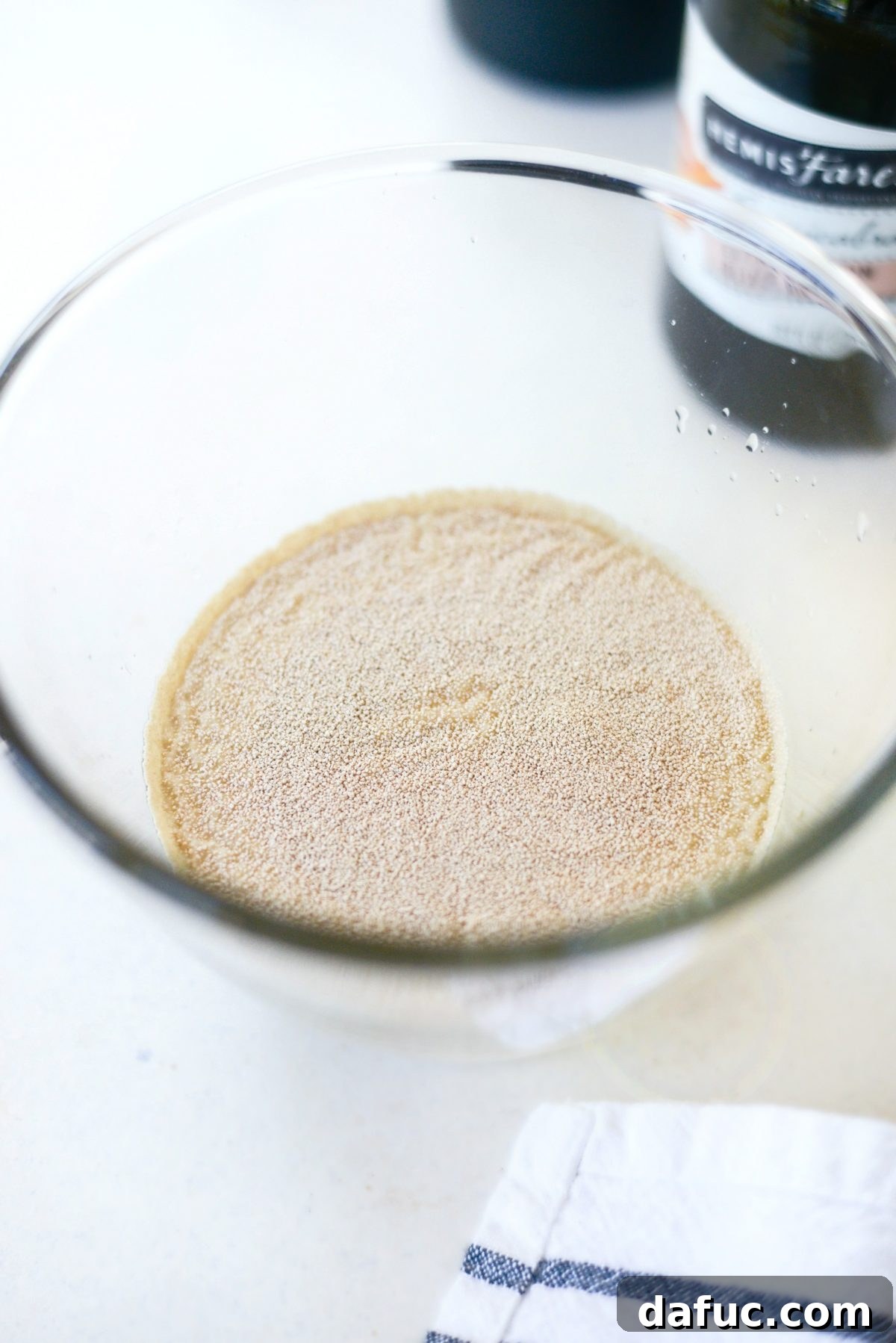
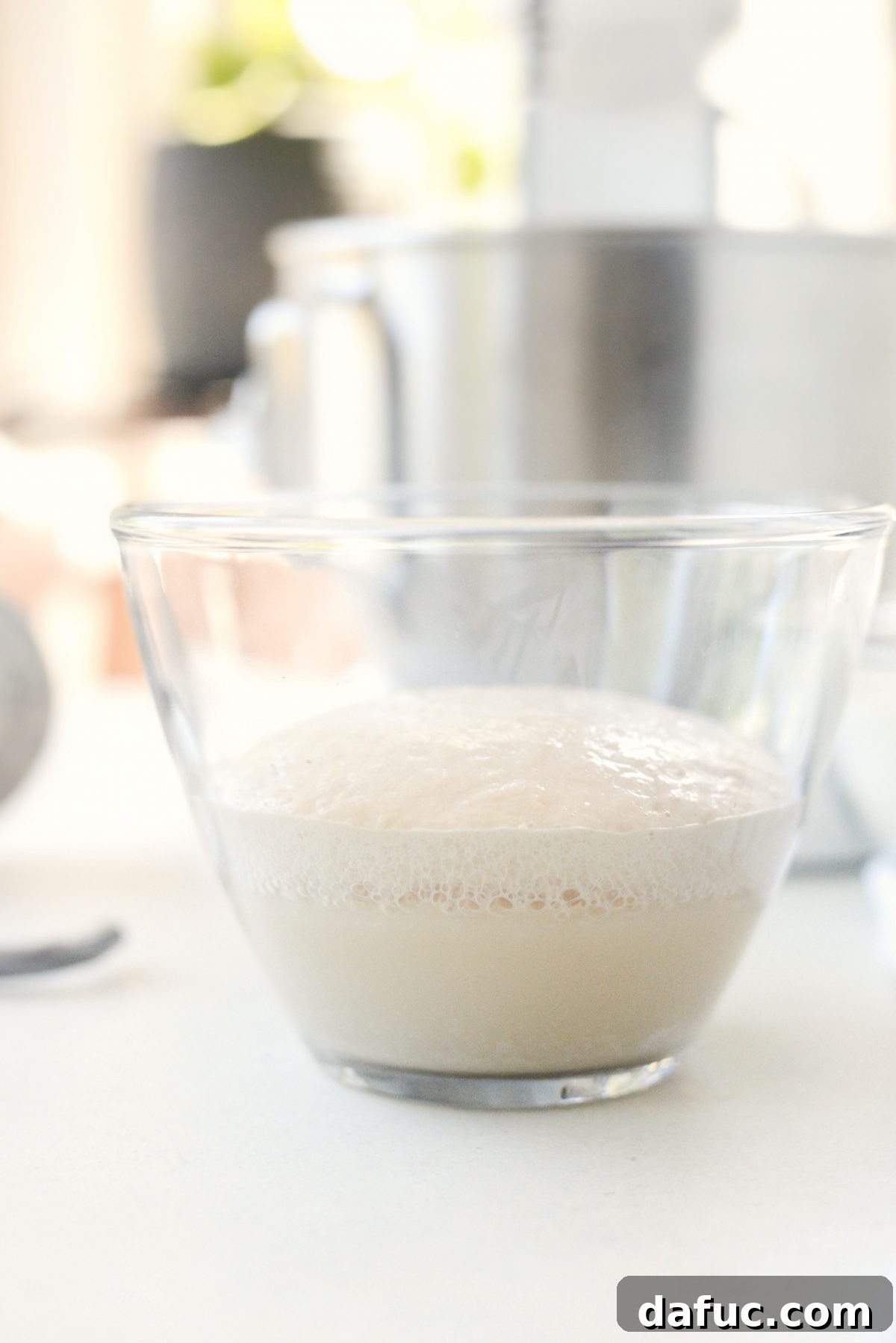
Activate the Yeast: In the bowl of your stand mixer (or a large glass bowl if you prefer to observe the yeast bloom), combine the warm water (ensure it’s between 110-115°F) and honey. Whisk gently until the honey is fully dissolved. This provides the necessary “food” for your yeast. Sprinkle the active dry yeast over the surface of the honey-water mixture. Do not stir it in immediately. Let it sit undisturbed for about 10 minutes. During this time, the yeast will “gobble up” the honey and the surface will become foamy and bubbly, indicating that your yeast is active and ready to work its magic. If your yeast doesn’t bloom, your water might have been too hot or too cold, or your yeast may be old. Start again with fresh yeast and correct water temperature.

Pro Tip: Using a clear glass bowl for this initial step allows you to visually confirm the yeast’s activity. The foamy, bubbly top is a good sign!
-
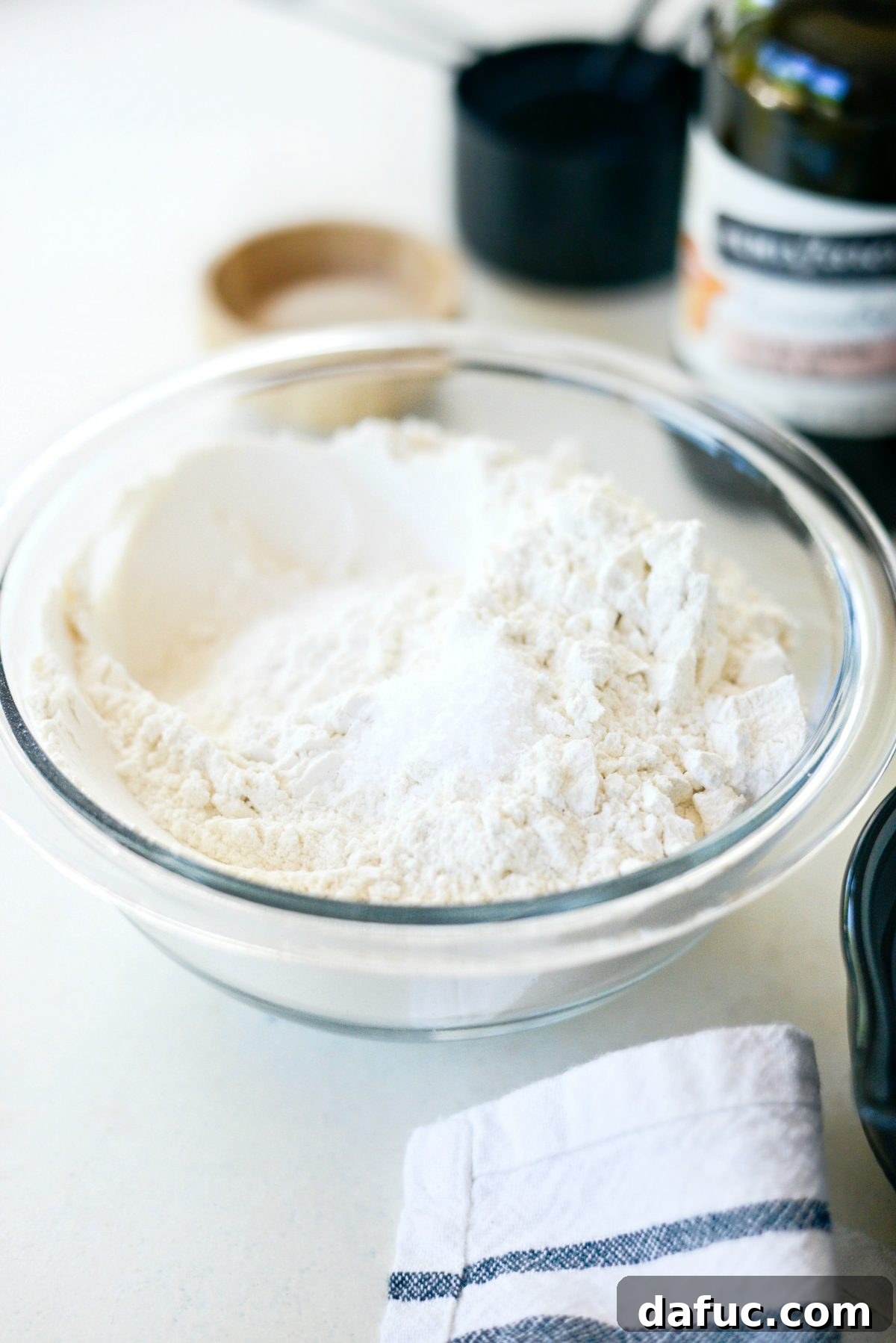
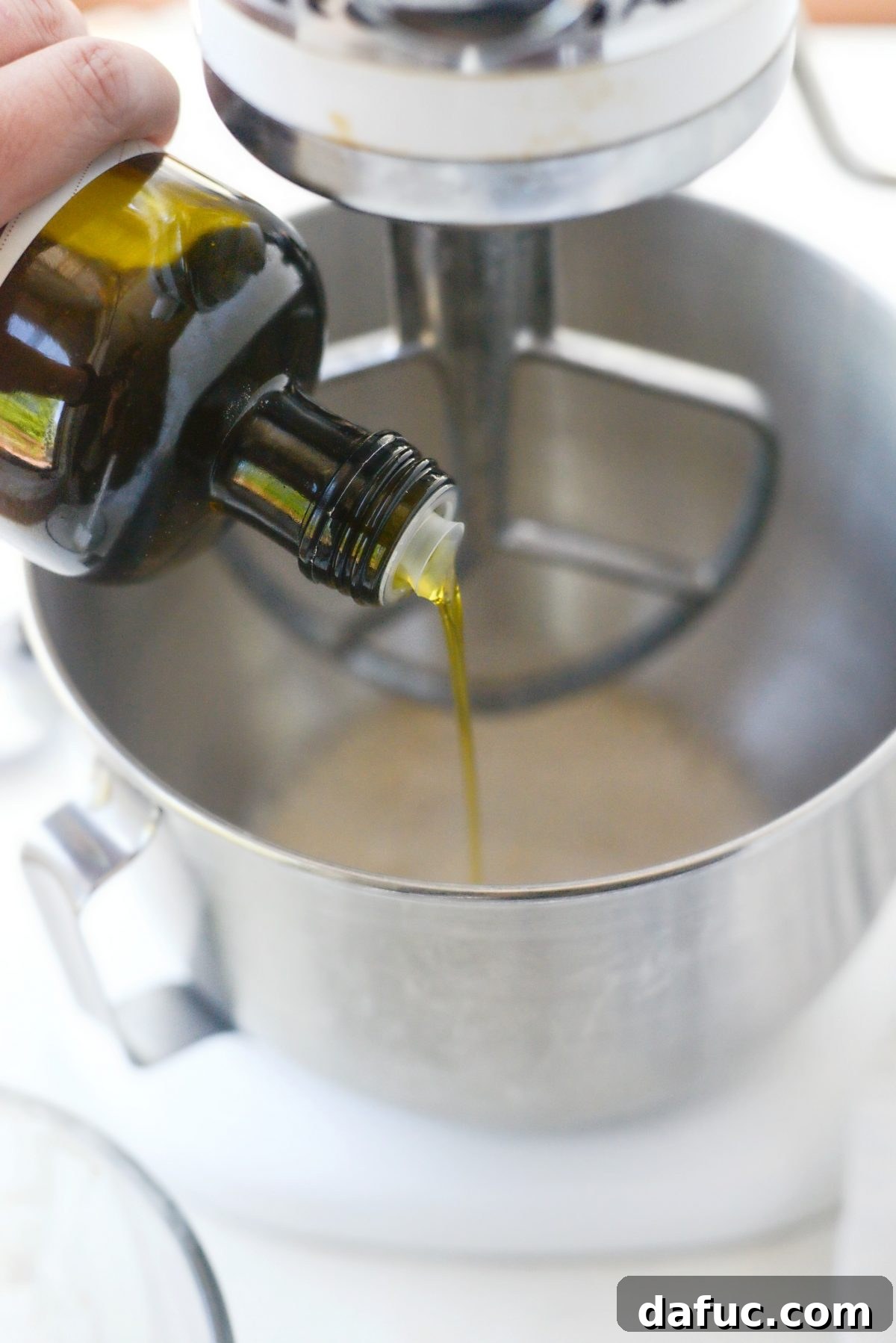
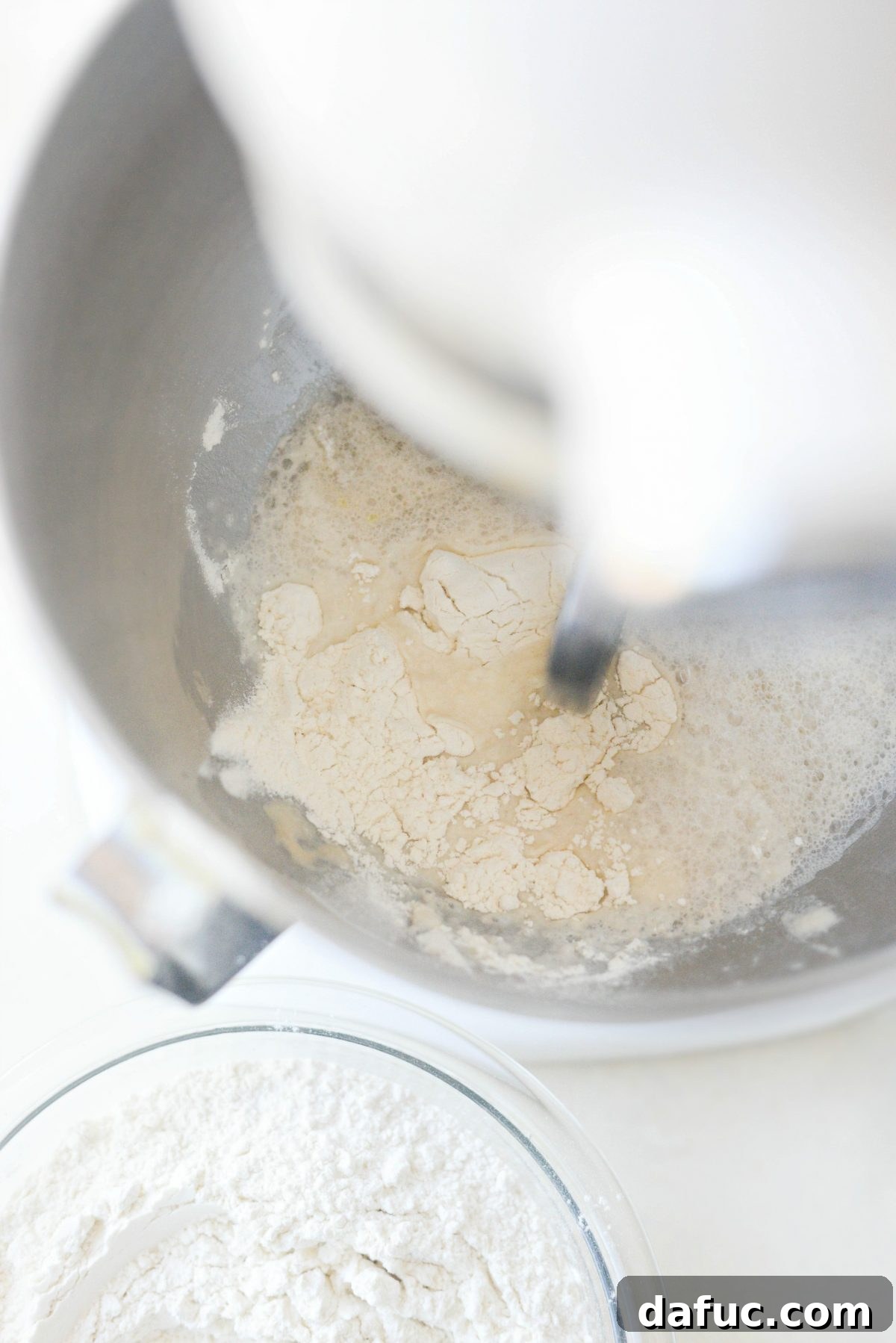
Combine Wet and Dry Ingredients: While your yeast is blooming, in a separate medium bowl, whisk together the unbleached all-purpose flour and kosher salt. Once the yeast has activated, if you started in a separate bowl, carefully pour the yeast mixture into the bowl of your stand mixer fitted with the paddle attachment. Add 1 teaspoon of olive oil to the yeast mixture. Mix on low speed for about 30 seconds to combine the oil. Then, with the mixer still on low, gradually add the flour and salt mixture, about half a cup at a time, allowing it to incorporate fully before adding more. Continue until all the flour is added and a shaggy dough begins to form.
-
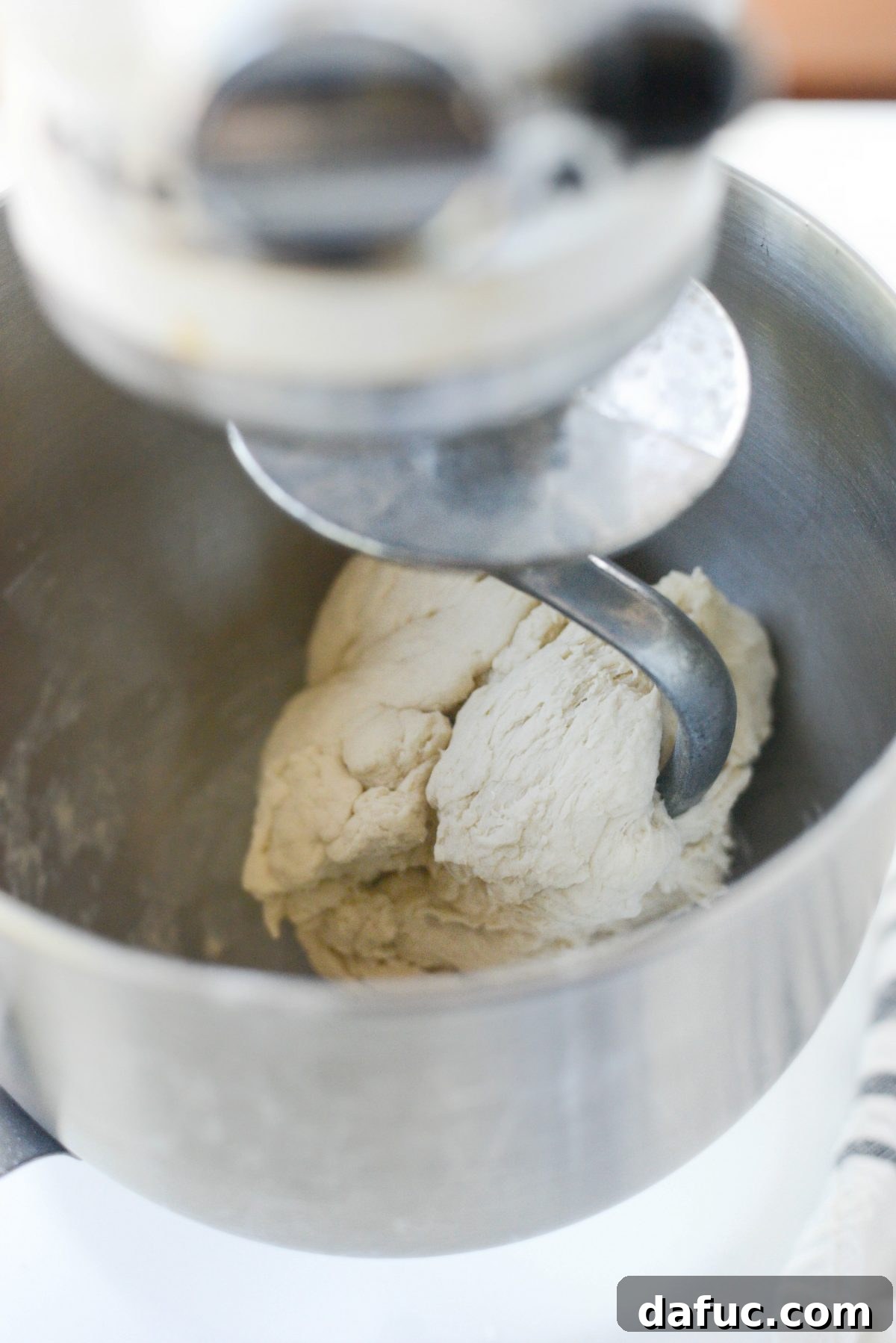
Knead the Dough: Once the flour is incorporated, stop the mixer. Scrape any dough off the paddle attachment and switch to the dough hook attachment. Resume mixing on low to medium-low speed. Knead the dough for approximately 6 to 8 minutes, or until it transforms into a smooth, elastic, and slightly tacky ball. The dough should pull away from the sides of the bowl cleanly. Proper kneading develops the gluten, which is essential for that perfect chewy pizza crust. If the dough seems too sticky, add a tablespoon of flour at a time. If it’s too dry and crumbly, add a teaspoon of warm water until the desired consistency is reached.
-
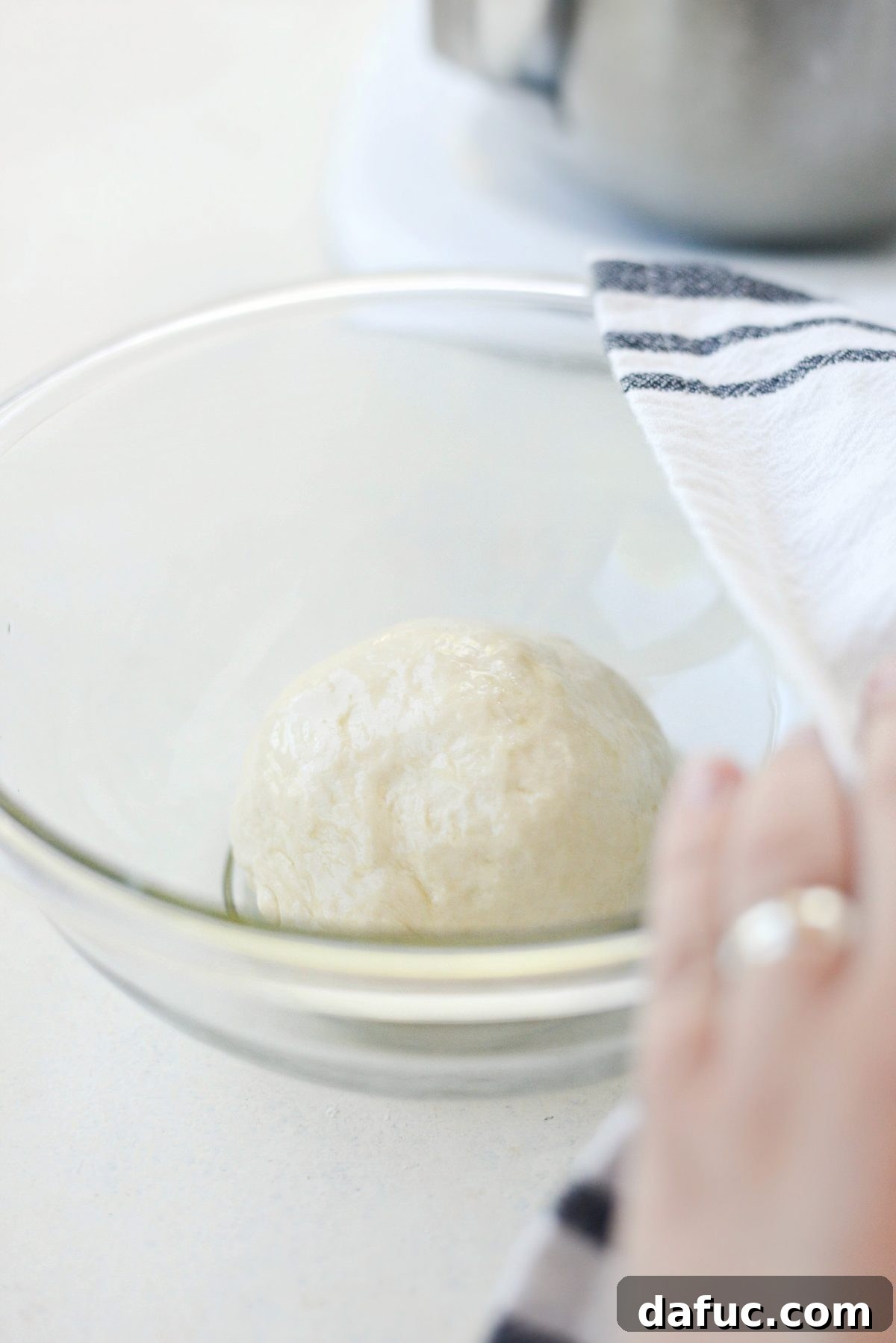
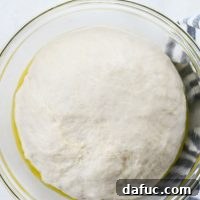
First Rise (Proofing): Remove the dough from the mixer. Lightly oil a large, clean bowl with the remaining 1 teaspoon of olive oil, making sure to coat the bottom and sides. Form the dough into a smooth ball and place it into the oiled bowl, turning it once to coat all sides with oil. This prevents the dough from drying out and sticking. Cover the bowl tightly with plastic wrap or a clean kitchen towel. Place the bowl in a warm, draft-free spot in your kitchen (e.g., inside a slightly warmed, turned-off oven, or near a sunny window). Allow the dough to rise for 1 hour, or until it has doubled in size. This crucial step allows the yeast to ferment, creating air pockets and developing flavor.
-
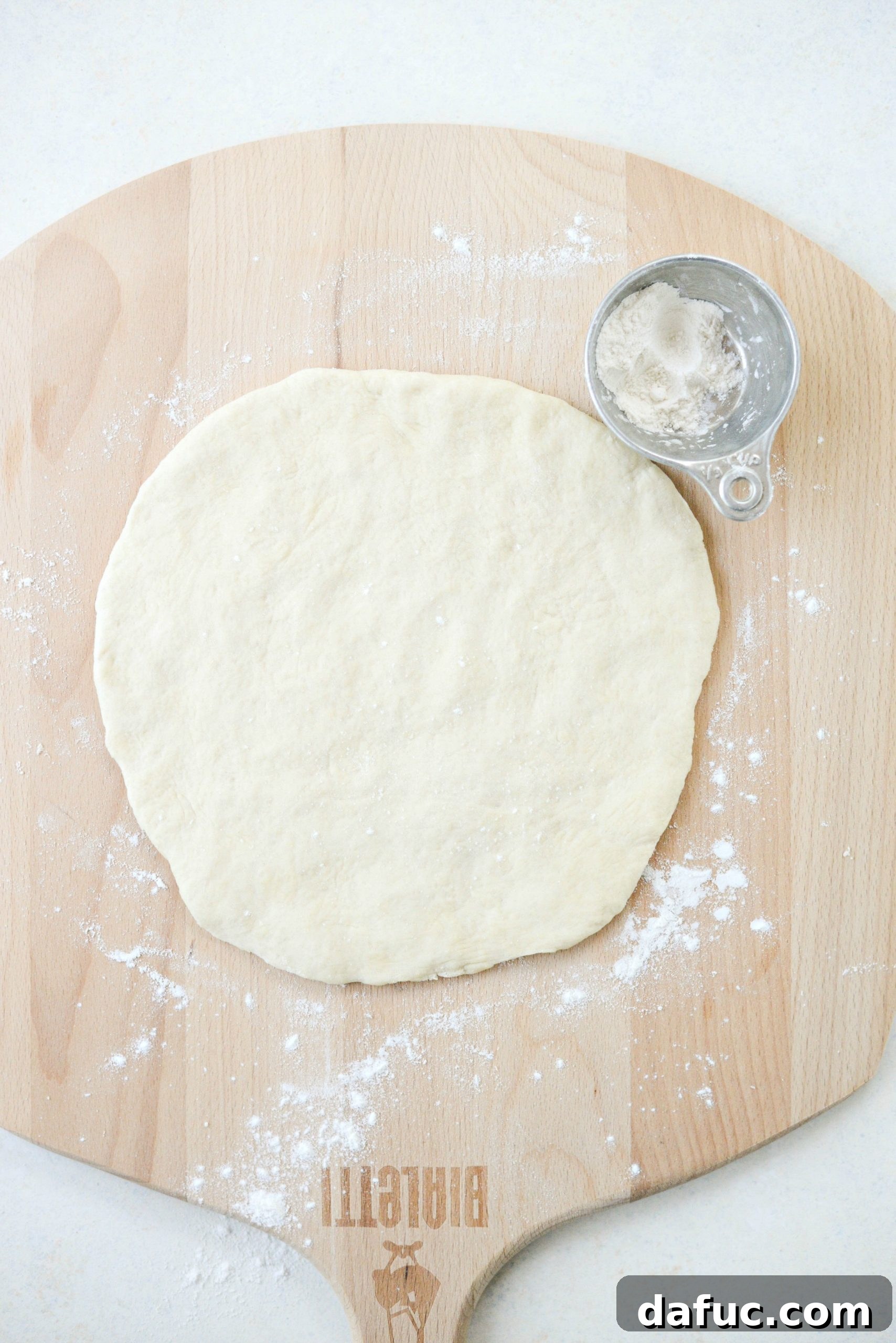
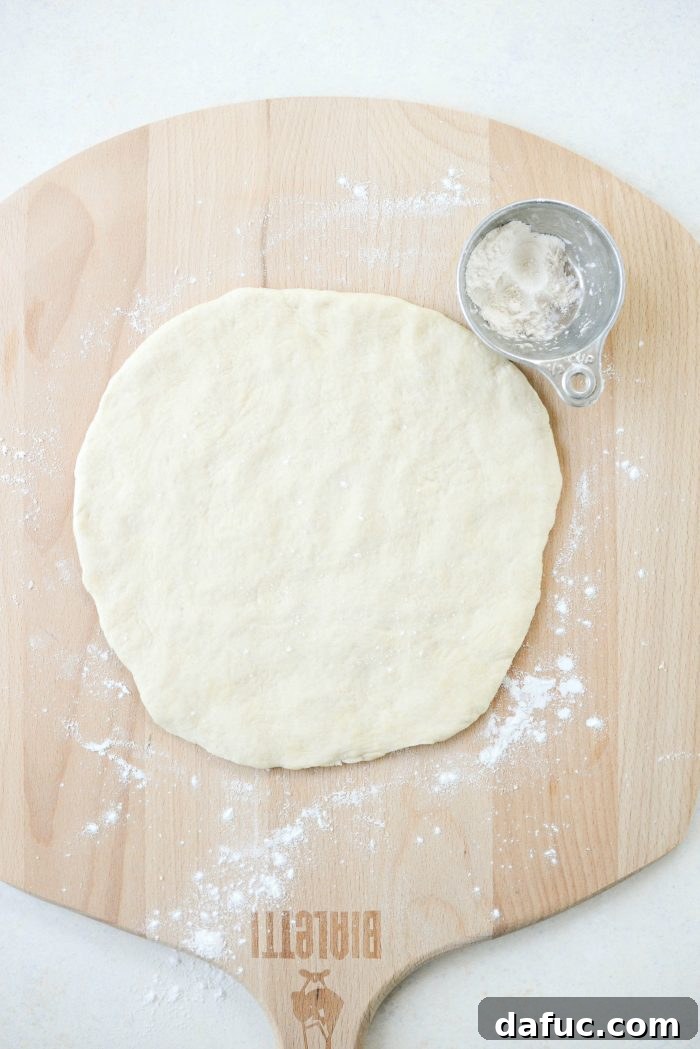
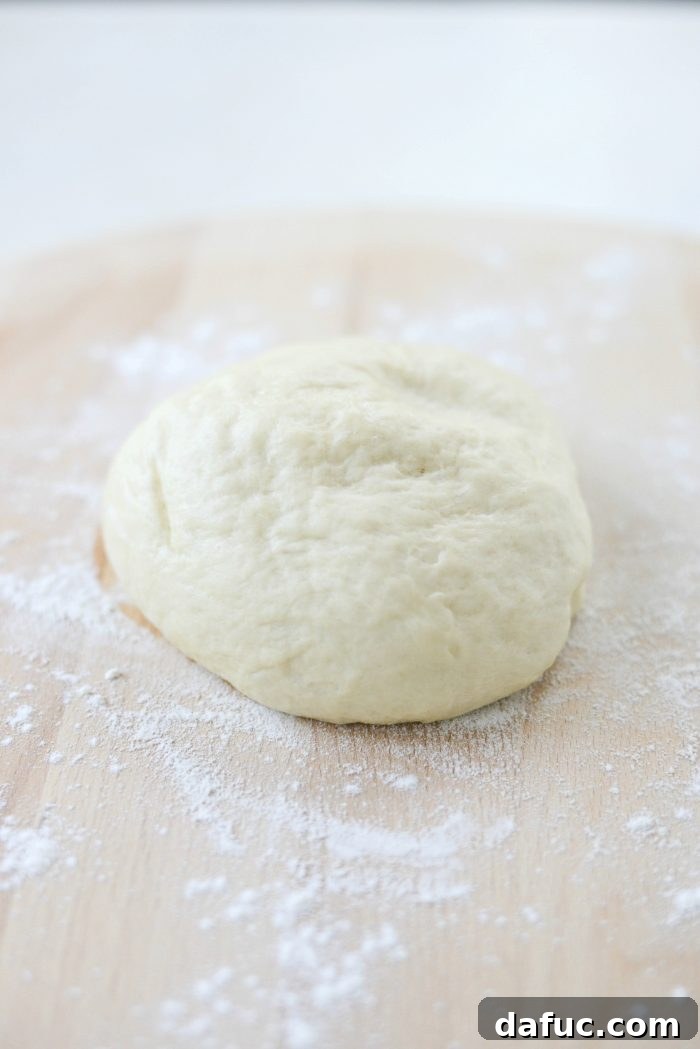
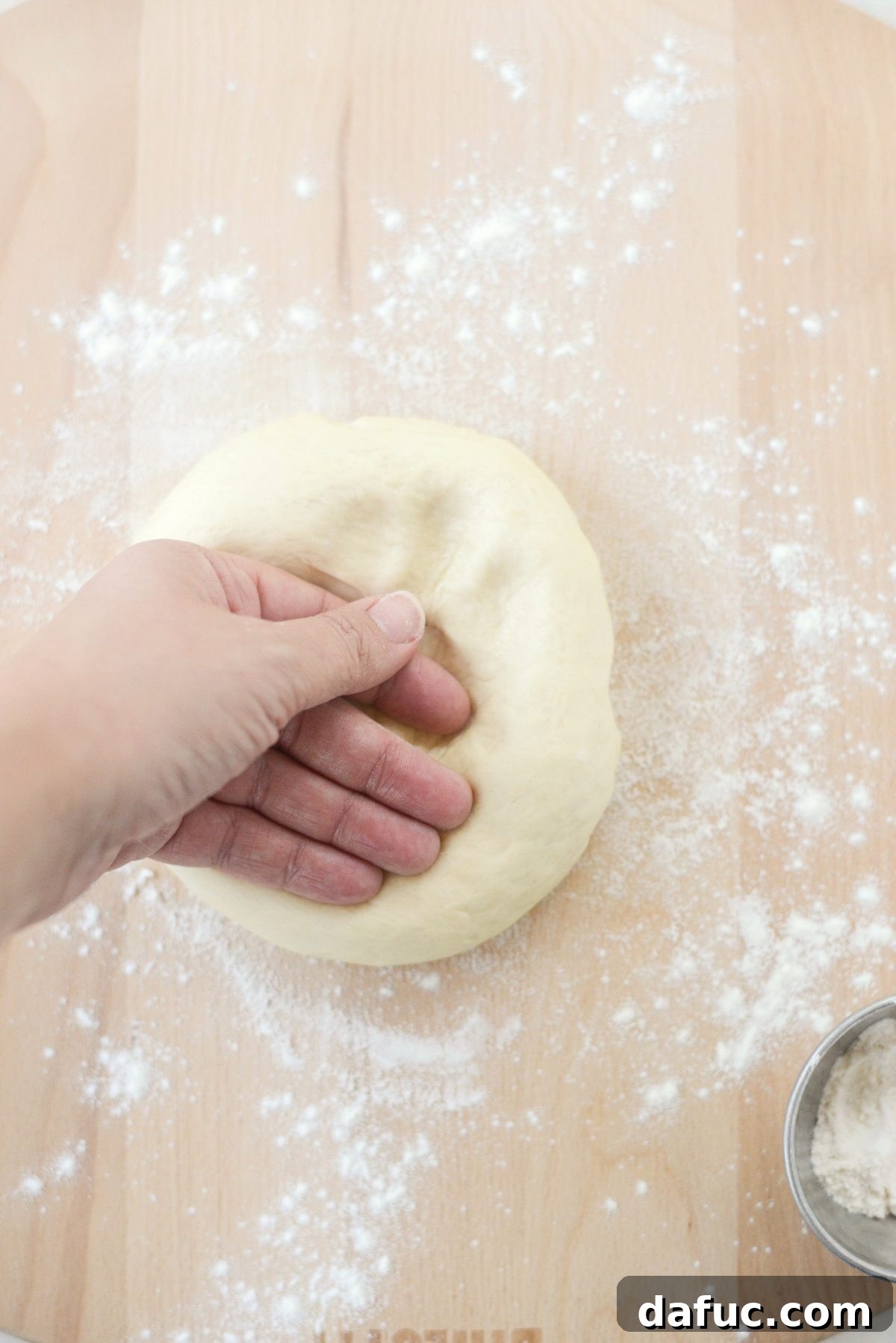
Punch Down and Prepare for Use: Once your dough has beautifully risen, gently turn it out onto a clean, lightly floured surface. Use your fist to gently “punch” down the dough, releasing the trapped air. This step deflates the dough, redistributes the yeast, and ensures a fine, even texture in the finished product. Now your dough is ready to be shaped!
-
Shape and Bake: Gently stretch or roll the dough to fit your desired pan or shape. Whether you’re making a thin-crust pizza, a thick-crust delight, a flatbread, or breadsticks, the baking times and temperatures will vary based on the specific recipe you’re following and your chosen cooking method. Refer to your chosen recipe for precise instructions to achieve the best results.
Beyond Pizza: Unleash the Versatility of This Dough
While this dough is exceptional for pizza, its utility extends far beyond the traditional pie. This single recipe can be the foundation for a multitude of culinary creations, making it an indispensable tool in your kitchen.
- Perfect Pizzas: Of course, it’s ideal for classic pizzas! Roll it thin for a crispy New York style, or leave it a bit thicker for a chewier, more substantial crust. Experiment with different sauces, cheeses, and an endless array of toppings from pepperoni and mushrooms to gourmet options like fig and prosciutto or roasted vegetables.
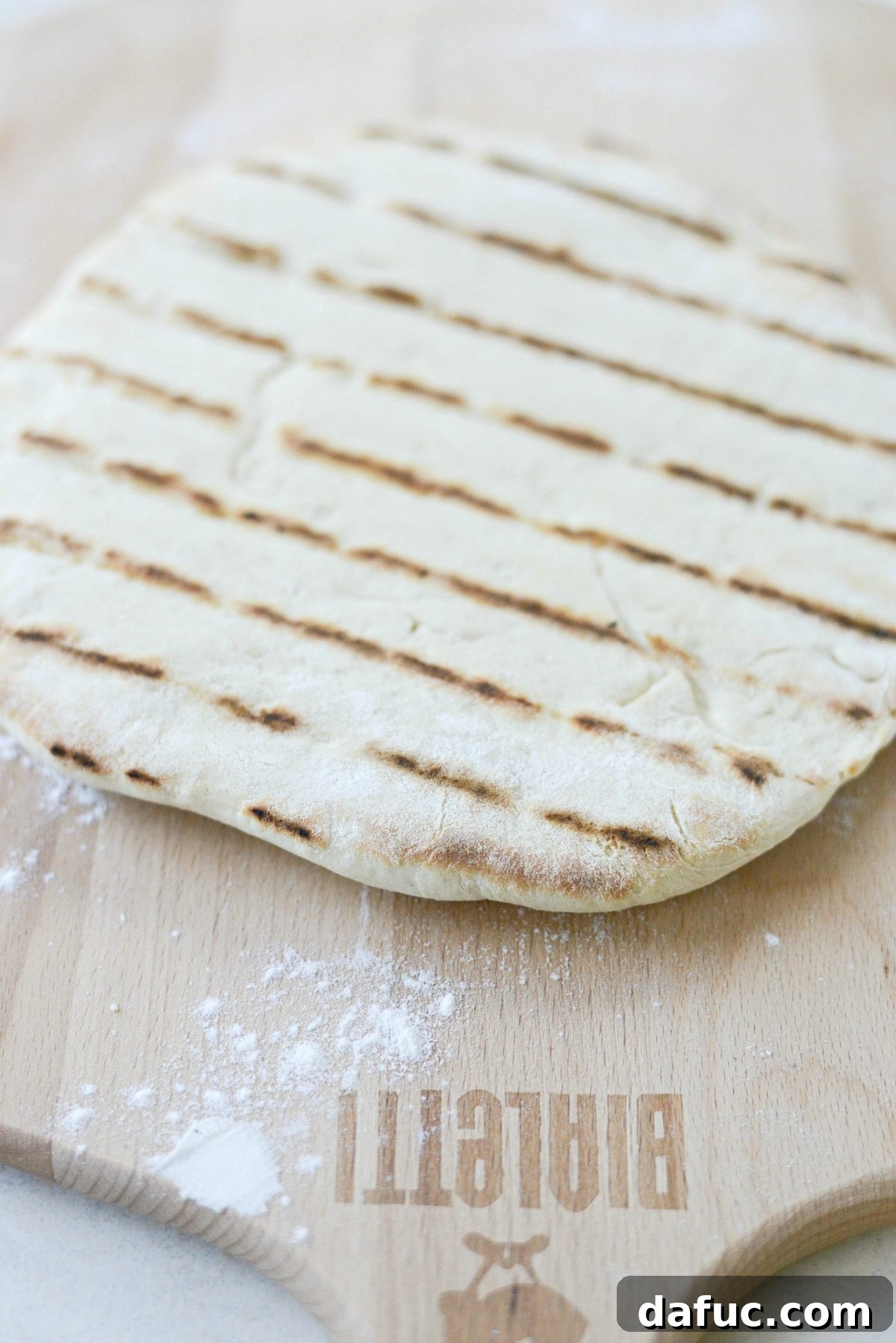
- Artisan Flatbreads: Roll the dough very thinly, brush with olive oil, sprinkle with herbs (rosemary, thyme, oregano), flaky sea salt, and a dash of garlic powder, then bake until golden and crisp. Serve alongside soups, salads, or as a sophisticated appetizer with dips like hummus or baba ghanoush.
- Homemade Calzones: Fill half the dough with your favorite pizza fillings (ricotta, mozzarella, ham, spinach, mushrooms), fold the other half over, seal the edges, and bake until puffed and golden. A calzone is a delightful, portable, and self-contained meal.
- Savory Stromboli: Spread a thin layer of sauce (or leave it plain), layer with deli meats (pepperoni, salami, ham), cheeses (provolone, mozzarella), and any desired vegetables. Roll it up jelly-roll style, seal the ends, and bake. Slice into pinwheels for a fantastic party snack or hearty main dish.
- Garlic Knots & Breadsticks: Cut the dough into strips, tie them into knots or roll into sticks, brush with garlic butter and parsley, and bake until golden. These make an irresistible side for any Italian meal, perfect for dipping in marinara sauce.
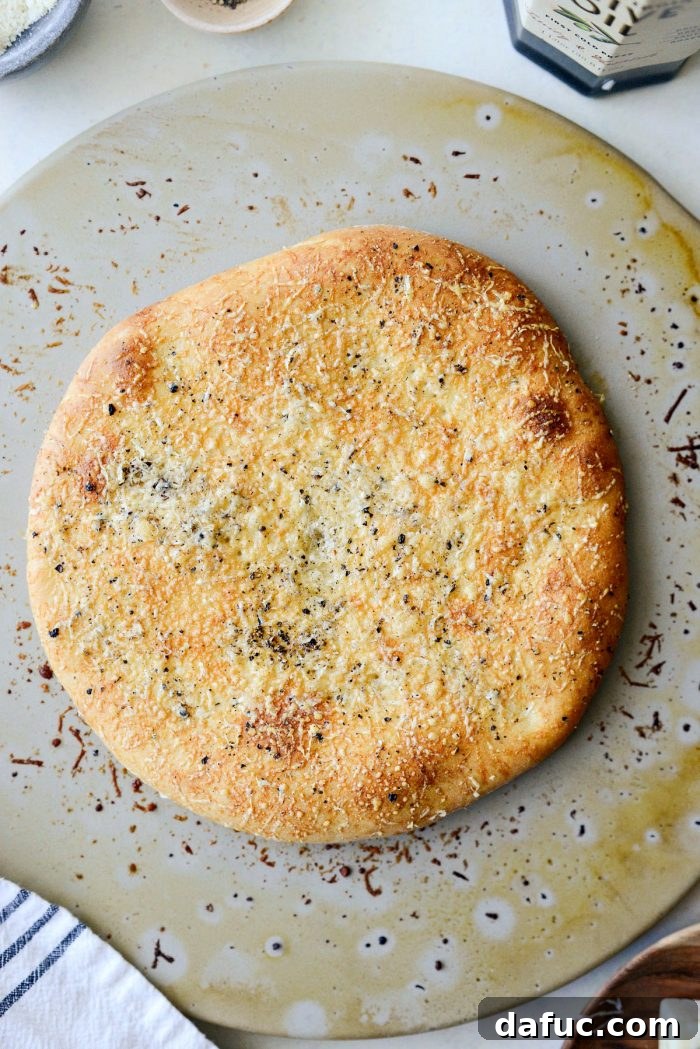
- Focaccia Bread: Press the dough into an oiled baking sheet, dimple with your fingertips, drizzle with more olive oil, sprinkle with coarse sea salt and fresh herbs like rosemary. Bake for a fluffy, savory bread that’s perfect for sandwiches or just tearing and eating.
Tips for Success and Storage
To ensure your pizza dough experience is consistently excellent, keep these additional tips in mind:
- Water Temperature is Key: Always use a thermometer to check your warm water. Too cold, and the yeast won’t activate. Too hot, and you’ll kill it, leading to a dough that won’t rise. Aim for that sweet spot between 110-115°F (43-46°C).
- Don’t Rush the Rise: Patience is a virtue when working with yeast doughs. Give your dough the full hour (or more, if your kitchen is cool) to rise. A slow, steady rise develops the best flavor and texture.
- Adjust Flour as Needed: Humidity levels can affect how much flour your dough needs. If your dough feels too sticky after kneading, add a tiny bit more flour, a tablespoon at a time, until it’s smooth but still slightly tacky. If it’s too dry, add a touch more warm water.
- Make Ahead and Store: This dough is perfect for meal prep!
- Refrigerator: After the first rise, punch down the dough, lightly oil it, and place it in an airtight container or a Ziploc bag (squeezing out excess air). It can be stored in the refrigerator for up to 3 days. Bring it to room temperature for about 30-60 minutes before shaping and baking.
- Freezer: For longer storage, after the first rise and punch down, divide the dough into desired portions. Lightly oil each ball, wrap tightly in plastic wrap, then place in a freezer-safe bag. Freeze for up to 3 months. To use, thaw overnight in the refrigerator, then bring to room temperature for 1-2 hours before shaping.
Enjoy the Process & the Delicious Results! This straightforward recipe makes homemade pizza dough incredibly accessible and rewarding. If you give this recipe a try, we’d love to see your creations! Snap a photo and share it with us on Twitter or Instagram!
Homemade Pizza Dough Recipe Card
Print Recipe
Pin Recipe
Leave a Review »
1
large , 2 medium or 4 personal pizzas
Homemade Pizza Dough
5
mins
1
hr
1
hr
5
mins
Ingredients
- 1/2 teaspoon honey, a generous ½-teaspoon
- 1 cup warm water, 110-115°F
- 2¼ teaspoons 1 envelope active dry yeast
- 2 teaspoons olive oil – divided
- 2½ cups unbleached all-purpose flour, plus more for dusting
- 3/4 teaspoon kosher salt
Equipment
-
KitchenAid KP26M1XWH 6 Qt. Professional 600 Series Bowl-Lift Stand Mixer – White
Instructions
-
In the bowl of your stand mixer whisk together the honey with the warm water until dissolved. Stir in the yeast and let it sit and bloom for 10 minutes.
-
Stir in 1 teaspoon of olive oil.
-
In a medium bowl, whisk together the flour and kosher salt. With the mixer on low speed, gradually add in the flour mixture. Once incorporated, scrape the dough off of the attachment and switch over to your dough hook. Mix on low speed for about 6 minutes or until a smooth dough forms.
-
Shape the dough into a smooth ball and place it into a bowl with the remaining teaspoon of olive oil. Turn to coat in the oil and use the dough to work the oil along the inside of the bowl. Cover with a tea towel or kitchen towel and allow it to rise on your kitchen counter for 1 hour.
-
Once the dough has risen, turn it out onto a clean, lightly floured surface and “punch” down the dough to expel the air inside it.
-
Stretch the dough to the fit the desired pan or to a shape you need and follow the instructions for the recipe you’re using so you have accurate temperatures and times. Whether it’s for pizza, flatbread or breadsticks times and temperatures may vary.
Serving:
1
g
,
Calories:
308
kcal
,
Carbohydrates:
60
g
,
Protein:
8
g
,
Fat:
3
g
,
Polyunsaturated Fat:
2
g
,
Sodium:
401
mg
,
Fiber:
2
g
,
Sugar:
1
g
Laurie McNamara
bread
American, Italian
Discover More Delicious Recipes
If you loved making this versatile pizza dough, be sure to explore more recipes that put it to good use or offer exciting variations:
- For a wide array of delicious pizza recipes to top your homemade dough, click here.
- Interested in a healthier, hearty alternative? Try our whole wheat pizza dough recipe by clicking here.