
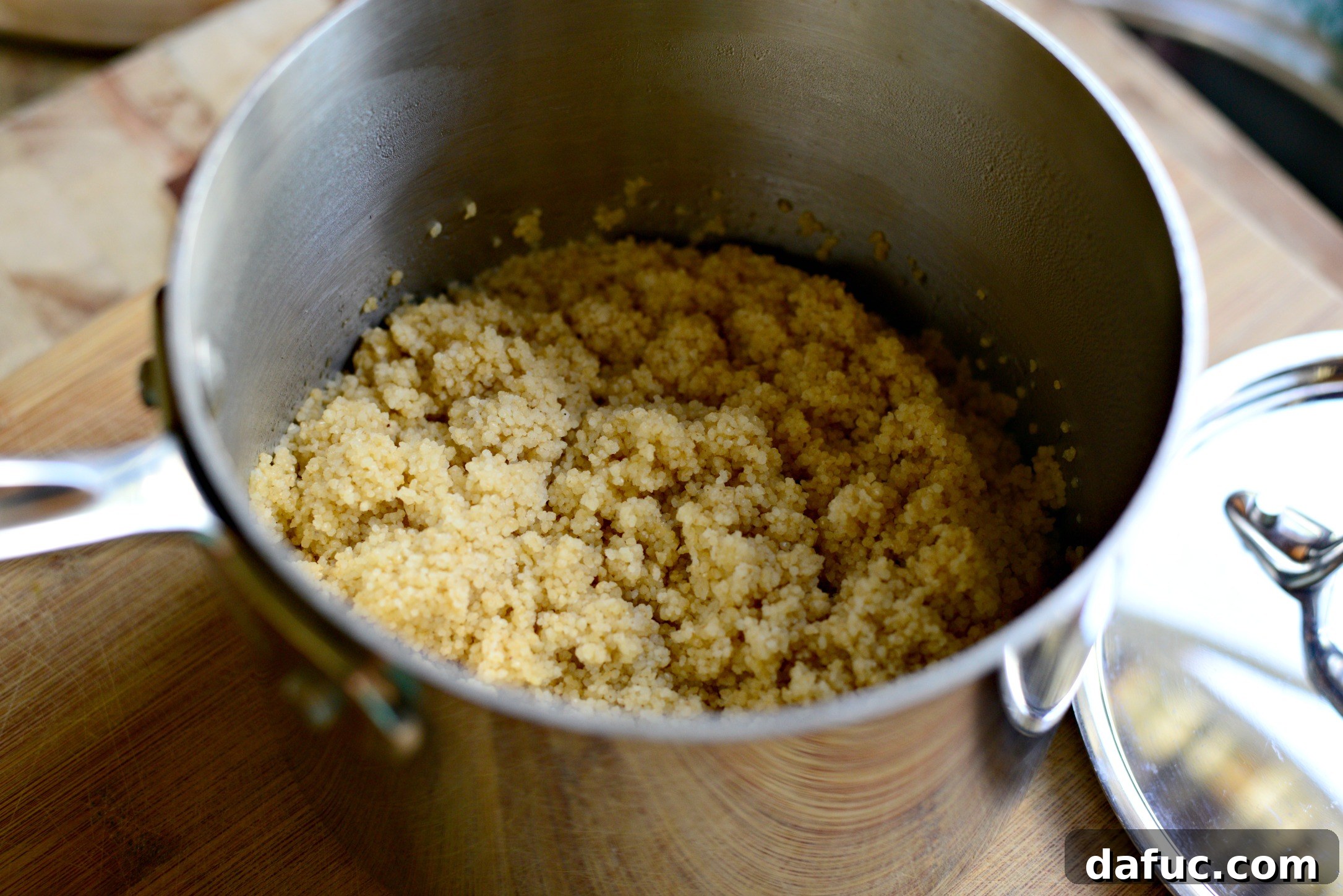
Mastering Couscous: Your Ultimate Guide to Fluffy, Flavorful Grains
Couscous, a staple in North African and Middle Eastern cuisine, has garnered global popularity for its delightful texture, versatility, and incredibly quick cooking time. Whether you opt for the classic fine-grain variety or the heartier whole-grain option, preparing couscous is a breeze, making it an ideal choice for busy weeknights or a simple, elegant addition to any meal. It’s truly a blank canvas, perfect on its own, or as a vibrant base for robust roasted vegetables, fresh tomatoes, and creamy mozzarella in a delicious salad.
This comprehensive guide will walk you through the simplest method to achieve perfectly fluffy couscous every single time. Beyond the basic steps, we’ll delve into tips for enhancing its flavor, creative serving suggestions, and even touch upon its nutritional benefits. By the end, you’ll not only master the art of making couscous but also discover a world of culinary possibilities, with links to inspiring recipes to spark your creativity.
What is Couscous? More Than Just a Grain
Before we dive into cooking, let’s understand what couscous actually is. Contrary to common belief, couscous isn’t a grain in itself but rather a pasta made from semolina (durum wheat) that has been steamed and dried. It comes in different forms, with the most common being:
- Moroccan Couscous: This is the smallest and most widely available variety, characterized by its fine, quick-cooking grains. It’s what most people refer to when they say “couscous” and is perfect for light salads and side dishes.
- Israeli Couscous (Pearl Couscous): Also known as Fregola in Italy, this type has larger, pearl-like grains. It has a chewier texture and takes slightly longer to cook, often boiled like pasta. It works wonderfully in heartier dishes, soups, and salads.
- Lebanese Couscous (Moghrabieh): The largest of the three, these pea-sized pearls offer an even more substantial chew.
For this recipe, we’ll focus on the quick-cooking Moroccan style, which can be found in both regular and whole-grain forms. Whole-grain couscous offers a nuttier flavor and added fiber, making it a healthier choice without compromising convenience.
Why Couscous Deserves a Spot in Your Kitchen
Couscous is a kitchen hero for several reasons:
- Speed: It cooks in just about 10 minutes, making it faster than rice, quinoa, or even pasta.
- Versatility: It readily absorbs flavors, making it suitable for sweet or savory dishes. Serve it hot or cold, as a side, main course component, or in salads.
- Simplicity: The cooking method is incredibly straightforward, ideal for beginners.
- Health Benefits: Especially whole-grain couscous, it’s a good source of fiber, protein, and essential minerals like selenium, which supports immune health.
Gather Your Essentials: Ingredients & Equipment
The beauty of this basic couscous recipe lies in its simplicity. You only need a few pantry staples to create a delicious foundation.
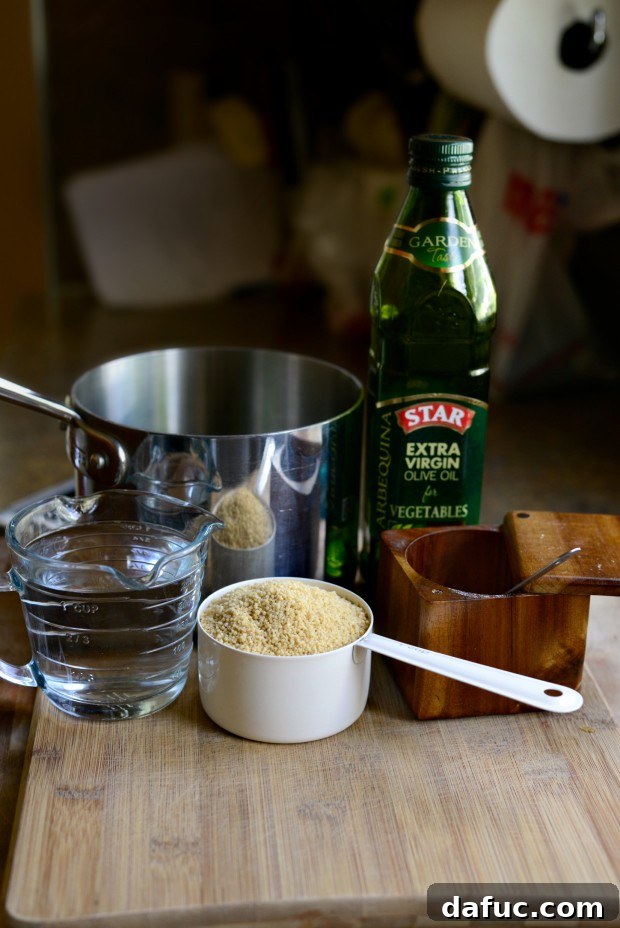
Key Ingredients for Basic Couscous:
- Water: 1 cup. While tap water is fine, filtered water can sometimes yield a cleaner taste. You can also substitute water with vegetable or chicken broth for added depth of flavor.
- Olive Oil: 2 tablespoons. A good quality extra virgin olive oil not only prevents sticking but also adds a lovely richness and subtle flavor to the couscous. This is where you can get creative! Consider using infused olive oils like chili, garlic, or basil for a fragrant twist without extra steps.
- Couscous: 1 cup (regular or whole grain). Choose your preferred type. The 1:1 ratio with water is crucial for perfect results with quick-cooking couscous.
- Kosher Salt: ½ teaspoon. Salt enhances the natural flavor of the couscous. Adjust to your preference.
Essential Equipment:
- Small Saucepan with Lid: A tight-fitting lid is essential to trap the steam, allowing the couscous to cook properly.
- Measuring Cups and Spoons: Accuracy is key for the perfect water-to-couscous ratio.
- Fork: For fluffing the cooked couscous.
Step-by-Step Guide: How to Cook Couscous Perfectly
This method is my tried-and-true approach, ensuring consistently delicious and fluffy couscous every time. The amounts remain constant, though feel free to experiment with different infused olive oils for subtle flavor variations.
Step 1: The Foundation – Water and Oil
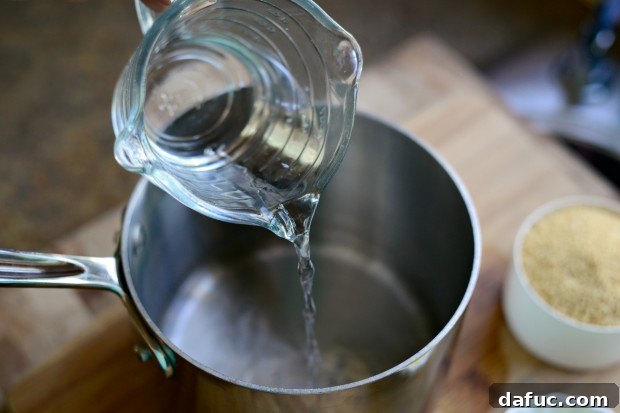
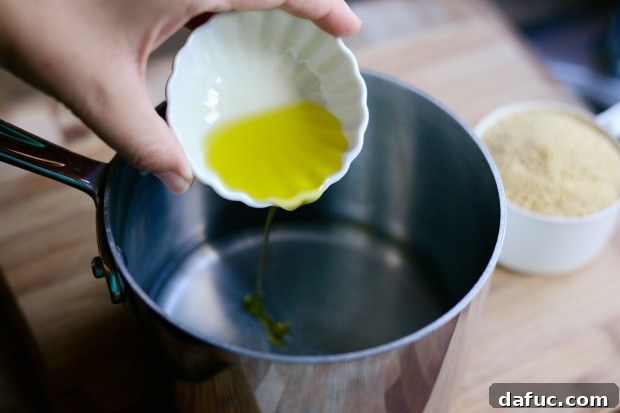
Begin by pouring one cup of water into a small saucepan. Next, add two tablespoons of your chosen olive oil. This oil is not just for flavor; it helps to coat the couscous grains, preventing them from clumping together and contributing to that desirable fluffy texture. If you have infused olive oils in your pantry—perhaps a spicy chili oil, aromatic garlic oil, or fragrant basil oil—this is the perfect opportunity to incorporate them. These oils will impart a delicate, underlying flavor to your couscous, elevating it from a simple side to something truly special.
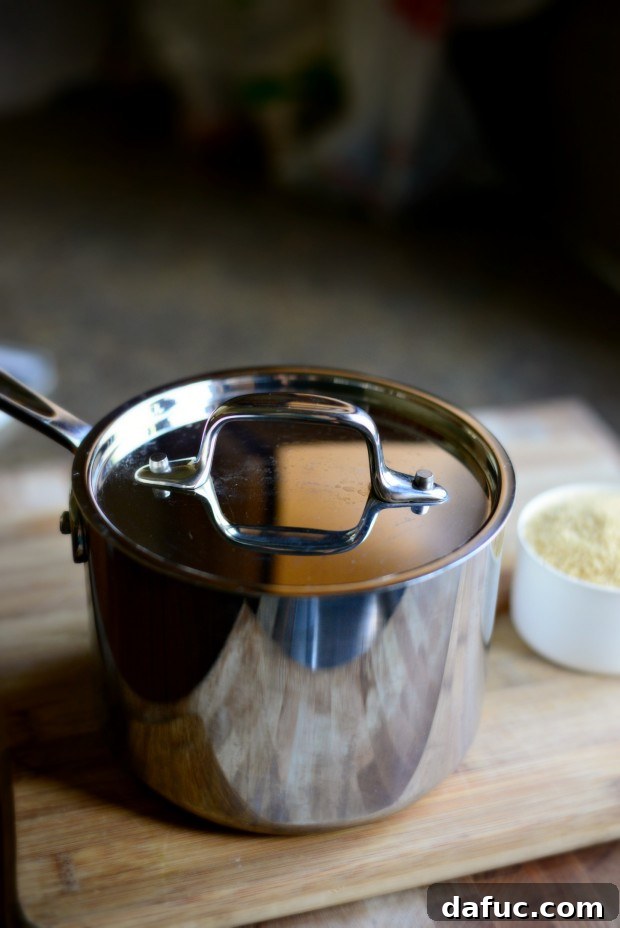
Step 2: Bring to a Rolling Boil
Once the water and olive oil are in the saucepan, cover it with a tight-fitting lid. Place the saucepan over high heat and bring the mixture to a rapid, rolling boil. A rolling boil is crucial because it ensures the water is hot enough to instantly cook the couscous once added, allowing it to absorb the liquid quickly and evenly. Keep an eye on it; you want lively bubbles before moving to the next step.
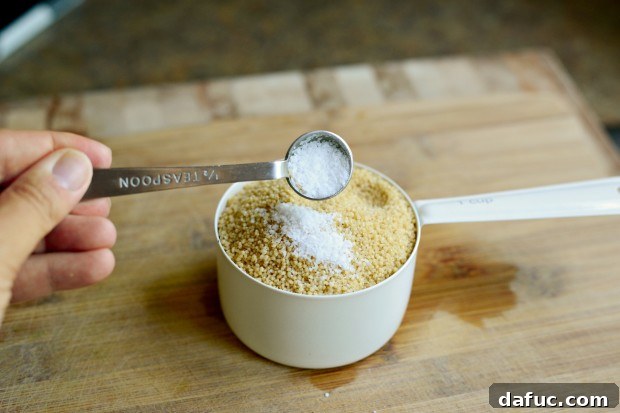
Step 3: Add Couscous and Seasoning
While the water comes to a boil, take a moment to measure out one cup of couscous (whether regular or whole grain) and half a teaspoon of kosher salt. Having these ingredients ready will allow you to act quickly once the water boils. Precision in measuring here helps ensure the perfect texture and seasoning.
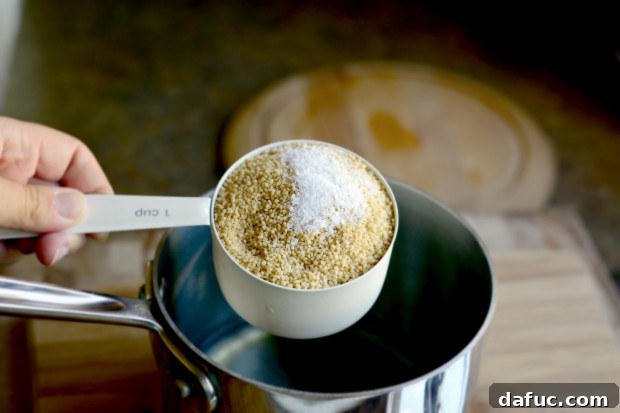
As soon as the water and olive oil reach a vigorous, rolling boil, immediately remove the saucepan from the heat. This is a critical step; you’re not cooking the couscous over heat, but rather allowing it to steam and absorb the hot liquid off the burner. Promptly add the measured couscous and kosher salt to the hot liquid in the saucepan.
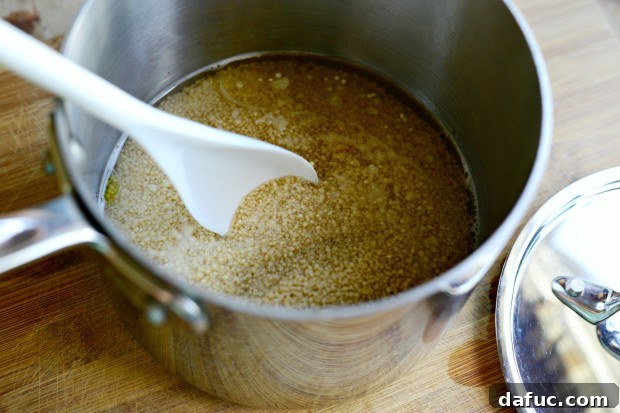
Step 4: The Magic of Resting
Stir the couscous and salt into the hot liquid just enough to combine everything thoroughly. Then, replace the lid tightly on the saucepan and set it aside for precisely ten minutes. Do not peek! This resting period is essential. It provides the couscous with the necessary time to fully absorb all the water and olive oil, allowing the grains to plump up beautifully without becoming mushy. The steam trapped inside the pot does all the work, gently cooking and expanding each tiny grain to perfection.
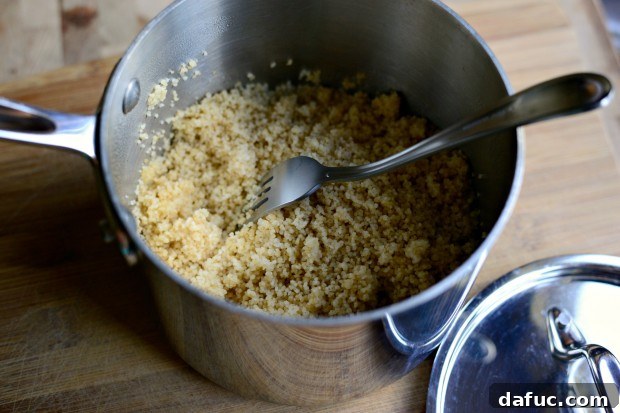
Step 5: Fluff and Serve
Once the ten minutes are up, remove the lid. You’ll notice the couscous has absorbed all the liquid and appears plump. Now comes the satisfying part: take a fork and gently fluff the couscous. Run the fork through the grains, separating them to create that signature light and airy texture. This prevents any clumping and ensures every spoonful is delicate and distinct.
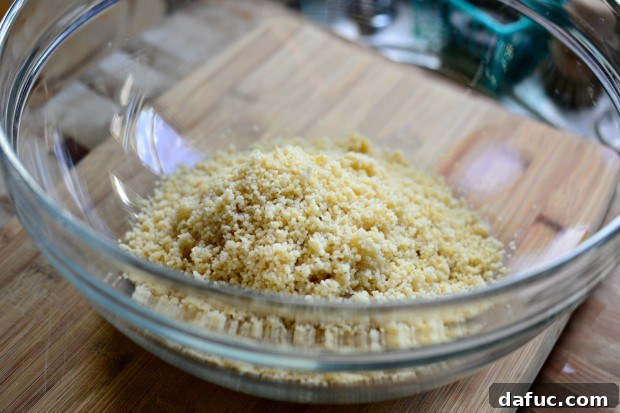
Your perfectly cooked couscous is now ready to serve! Enjoy it immediately as a warm, comforting side dish. If you’re planning to use it in a salad, transfer the fluffy couscous into a large bowl to cool down slightly before tossing with other ingredients.
Elevate Your Couscous: Flavor Variations and Tips
While basic couscous is wonderful, it’s also incredibly adaptable. Here are a few ways to enhance its flavor and texture:
Infused Oils and Broths
As mentioned, infused olive oils are a simple way to add complexity. Beyond that, consider replacing some or all of the water with:
- Vegetable or Chicken Broth: For a savory base that adds depth.
- Tomato Juice: For a vibrant color and tangy flavor, great for Mediterranean-inspired dishes.
- Herbal Tea: For a truly unique twist in sweet or savory applications.
Herbs and Spices
Stir in fresh or dried herbs and spices after fluffing, or even during the initial liquid boiling phase (for dried). Try:
- Fresh Herbs: Chopped parsley, cilantro, mint, or chives for brightness.
- Spices: A pinch of cumin, turmeric (for color and earthy notes), paprika, or a North African spice blend like Ras el Hanout for an authentic touch.
- Citrus Zest: Lemon or orange zest adds a fragrant, zesty kick.
Richness with Butter or Lemon
For an extra luxurious finish, stir in a pat of butter (vegan butter works too!) or a squeeze of fresh lemon juice after fluffing. The butter adds richness, while the lemon juice brightens all the flavors.
Creative Serving Ideas for Couscous
Now that you’re a couscous master, let’s explore how to incorporate this fantastic grain into your meals.
Delicious Couscous Salads
Couscous shines in salads, absorbing dressings and complementing various textures beautifully. Some popular ideas include:
- Caprese Couscous Salad: Toss cooked couscous with fresh cherry tomatoes, mozzarella balls (bocconcini), fresh basil, and a drizzle of balsamic glaze.
- Roasted Vegetable Couscous: Combine warm or cooled couscous with a medley of roasted seasonal vegetables like bell peppers, zucchini, eggplant, and red onion. Finish with a lemon-herb dressing.
- Summer Couscous Salad with Lime Vinaigrette: A refreshing mix with cucumber, bell peppers, corn, and a zesty lime dressing. Avocado and chickpeas are great additions.
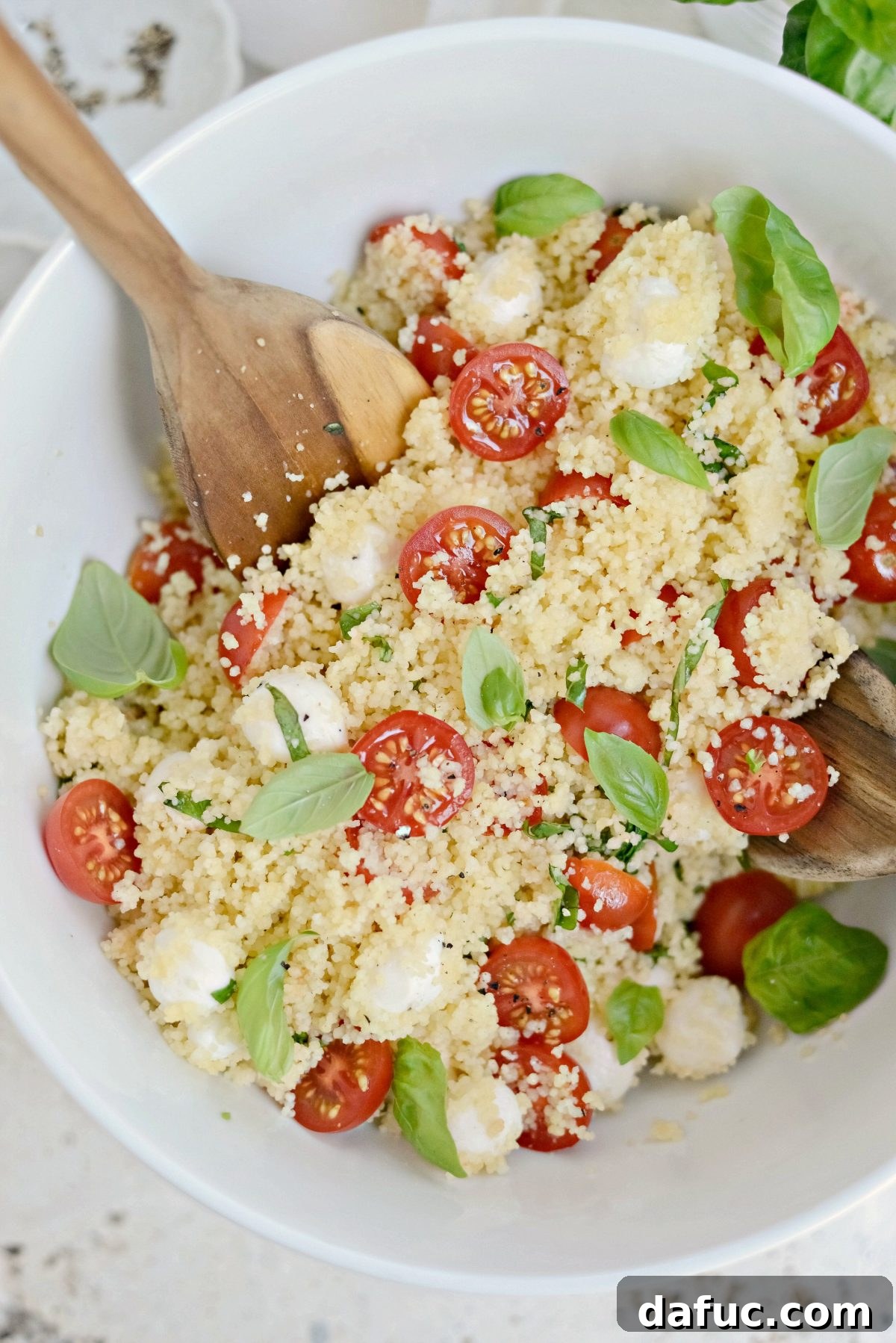
Discover the full Caprese Couscous Salad Recipe
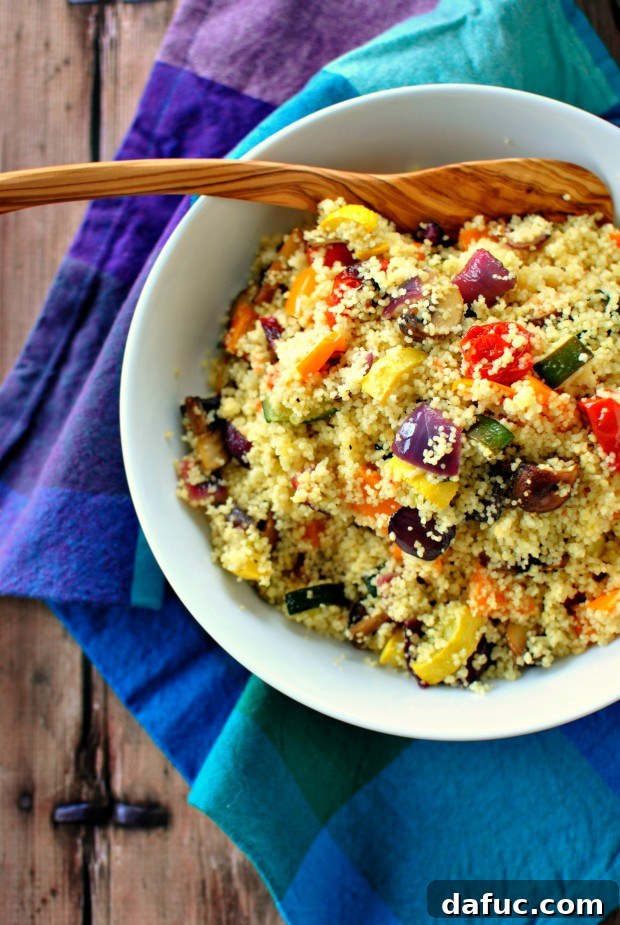
Get the Roasted Vegetable Couscous Recipe
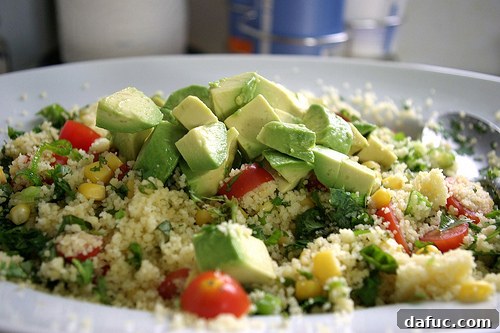
Try the Summer Couscous Salad with Lime Vinaigrette
Perfect Side Dish Pairings
Couscous is an excellent accompaniment to a variety of main courses:
- Grilled Meats and Fish: Its light texture complements grilled chicken, lamb, or salmon.
- Stews and Tagines: A natural pairing for hearty North African stews, soaking up all the rich sauces.
- Vegetarian and Vegan Dishes: Serve alongside lentil patties, falafel, or roasted chickpeas.
Global Inspirations
Don’t be afraid to experiment with flavors from around the world:
- Mediterranean: Add sun-dried tomatoes, feta, olives, and a lemon-oregano dressing.
- Middle Eastern: Mix with chopped dates, pistachios, cinnamon, and a hint of orange blossom water for a sweeter profile.
- Asian Fusion: Toss with soy sauce, sesame oil, shredded carrots, and green onions for a quick take on a grain bowl.
Storage and Reheating Tips
Cooked couscous can be stored in an airtight container in the refrigerator for up to 3-4 days. To reheat, gently warm it in a microwave with a splash of water or broth, or on the stovetop over low heat, stirring occasionally. Be careful not to overcook, as it can become mushy. For salads, it’s often best enjoyed chilled or at room temperature.
Health Benefits of Couscous
Beyond its culinary appeal, couscous offers several nutritional advantages, especially when opting for the whole-grain variety. It’s a good source of:
- Selenium: An important antioxidant that supports the immune system.
- Fiber: Promotes digestive health and helps maintain stable blood sugar levels (more abundant in whole-grain couscous).
- Plant-Based Protein: Contributes to satiety and muscle health.
- B Vitamins: Essential for energy metabolism.
Incorporating couscous into your diet can be a delicious way to boost your nutrient intake.
Simplified Recipe Card: How to Make Couscous
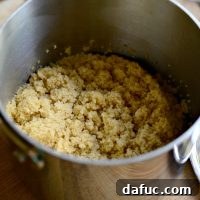
How to Make Couscous
Here’s a quick step-by-step recipe to make perfect, fluffy couscous. Regular or whole grain, couscous is quick cooking and is lovely as is or tossed with roasted vegetables or fresh tomatoes and mozzarella for a delicious salad. This recipe yields approximately 2½ cups of cooked couscous.
Recipe Details
- Yield: 5 servings
- Prep Time: 5 minutes
- Cook Time: 10 minutes
- Total Time: 15 minutes
Ingredients
- 1 cup water
- 2 tablespoons olive oil (or infused olive oil)
- 1 cup uncooked couscous (regular or whole grain)
- ½ teaspoon kosher salt
Instructions
- Add water and olive oil to a small saucepan. Cover with a lid and bring to a rapid, rolling boil over high heat.
- Once boiling, immediately remove the saucepan from the heat. Stir in the uncooked couscous and kosher salt until well combined.
- Cover the saucepan tightly with the lid and let it sit undisturbed for 10 minutes, allowing the couscous to absorb the liquid and steam.
- When the time is up, remove the lid and gently fluff the couscous with a fork to separate the grains.
- Serve immediately as a warm side dish, or transfer to a bowl if incorporating into a salad.
Nutrition Facts (Approximate per serving)
- Serving Size: 4 ounces
- Calories: 155 kcal
- Carbohydrates: 27g
- Protein: 4g
- Fat: 3g
- Saturated Fat: 1g
- Polyunsaturated Fat: 1g
- Monounsaturated Fat: 2g
- Sodium: 238mg
- Potassium: 58mg
- Fiber: 2g
- Calcium: 10mg
- Iron: 1mg
Recipe Information
- Author: Laurie McNamara
- Course: Grains & Pastas
- Cuisine: Universal
Explore More Couscous Recipes
Now that you’re well-versed in the fundamentals of making couscous, don’t hesitate to experiment with the recipes linked above or create your own culinary masterpieces. Couscous is an incredibly forgiving and versatile ingredient that truly invites creativity in the kitchen.
Enjoy your homemade couscous! If you try this simple recipe for making couscous or any of the suggested variations, I’d love to see your creations. Snap a photo and share it on social media, tagging me on Twitter or Instagram!