
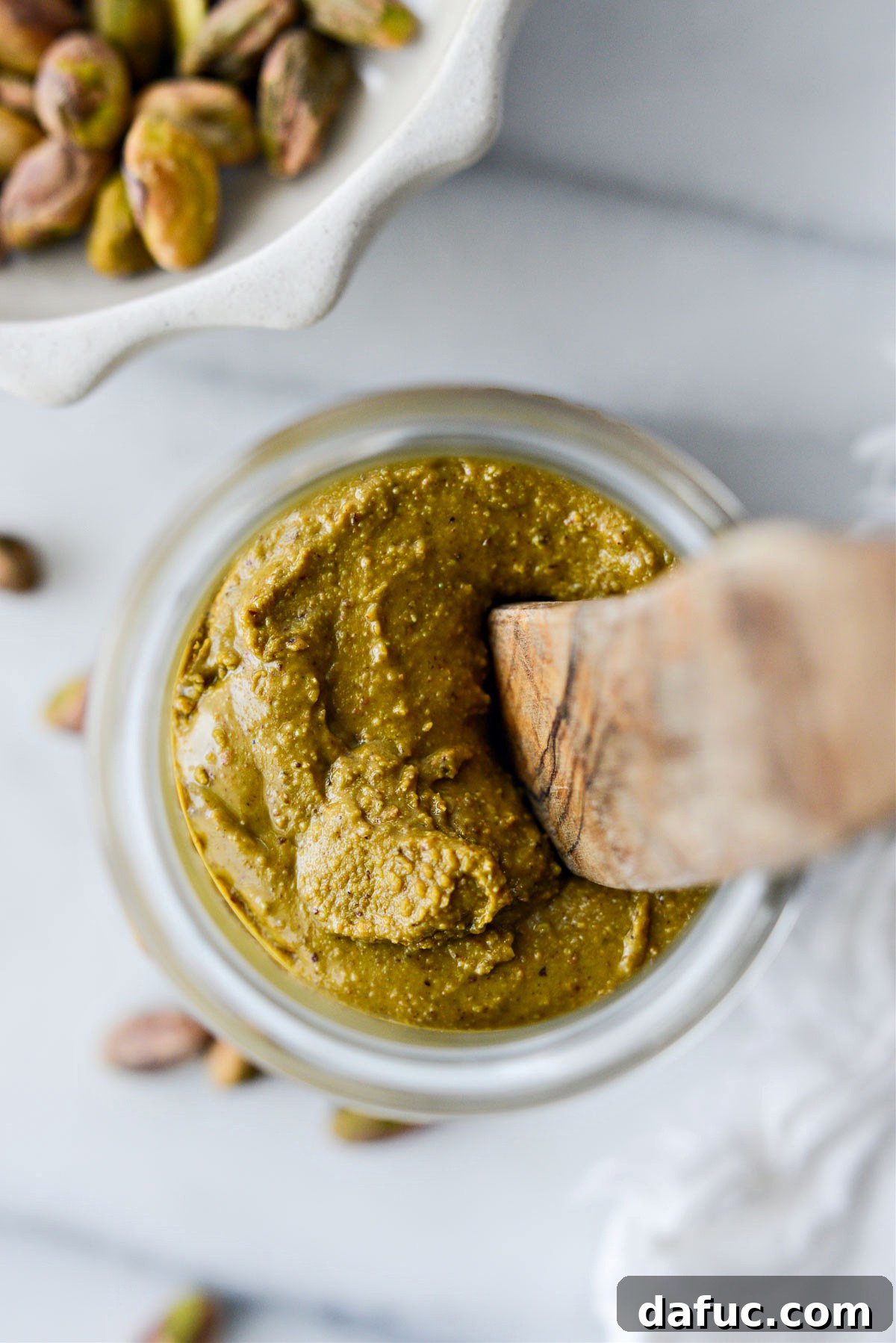
Welcome to the wonderful world of homemade nut butters, where simplicity meets incredible flavor and versatility. Today, we’re diving deep into the art of crafting your very own **Pistachio Butter**. This vibrant green spread isn’t just a treat for the eyes; it’s a creamy, nutrient-packed delight that’s surprisingly easy to make right in your own kitchen. Forget store-bought versions filled with unnecessary additives; with just one core ingredient, you can create a luxurious, wholesome pistachio butter in mere minutes.
Whether you’ve stumbled upon a colossal bag of pistachios at Costco or simply adore the unique taste of this exceptional nut, you’re in for a culinary adventure. Our comprehensive guide will walk you through every step, from selecting the perfect pistachios to transforming them into a silky-smooth butter, offering creative ways to incorporate it into your daily meals, and ensuring you get the most out of this versatile ingredient. Get ready to elevate your snacking, baking, and cooking with this golden-green marvel!
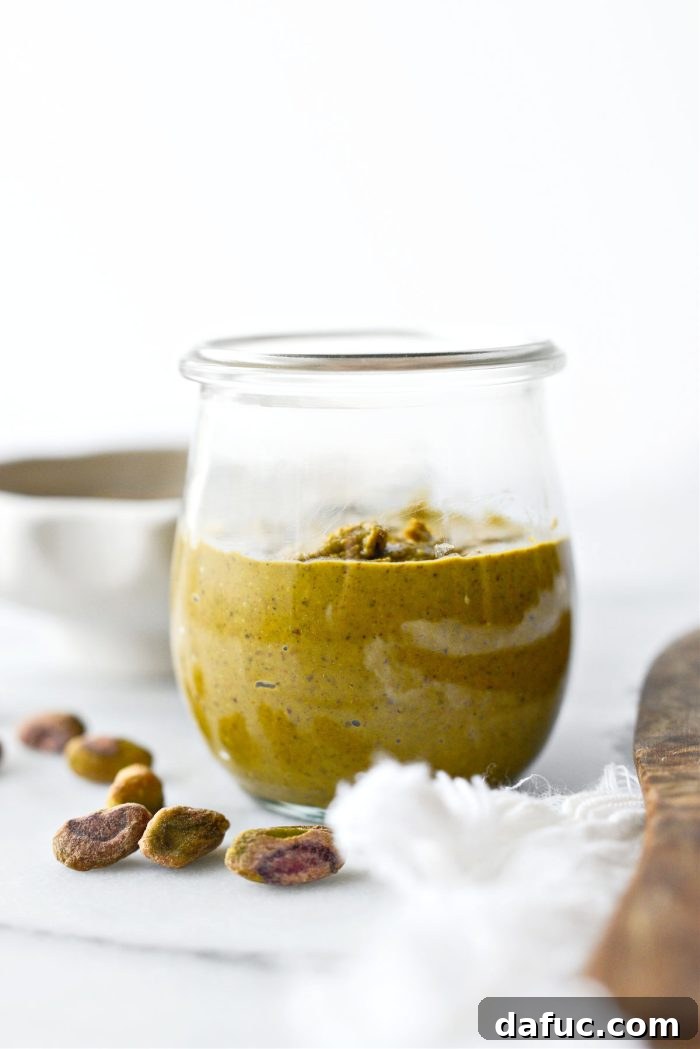
Why Make Homemade Pistachio Butter?
The allure of homemade pistachio butter extends far beyond its captivating color. There are several compelling reasons to embark on this simple culinary project:
- Unrivaled Freshness: When you make it yourself, you control the freshness. The vibrant flavor of freshly processed pistachios is simply unmatched by anything you’ll find on a supermarket shelf.
- Ingredient Control: Many commercial nut butters contain added sugars, oils, or preservatives. Making your own means you know exactly what goes into it – just pistachios, and maybe a pinch of salt or a touch of sweetener if you desire. This is perfect for those with dietary restrictions or who prefer clean eating.
- Cost-Effective: While pistachios can be a premium nut, buying them in bulk and making your own butter often proves more economical than purchasing specialty pistachio butter, which tends to be quite expensive.
- Customizable Texture and Flavor: You dictate the consistency – from thick and rustic to smooth and runny. You can also experiment with flavor enhancements, like a hint of vanilla or cardamom, which we’ll discuss later.
- Rewarding Experience: There’s immense satisfaction in creating something delicious from scratch. The transformation of whole nuts into a creamy butter is a magical process you’ll enjoy witnessing.
My own journey into homemade pistachio butter began while developing a recipe for no-churn pistachio ice cream. The depth of flavor and ease of preparation quickly made it a pantry staple. It’s truly a surprisingly delicious and incredibly simple addition to your culinary repertoire.
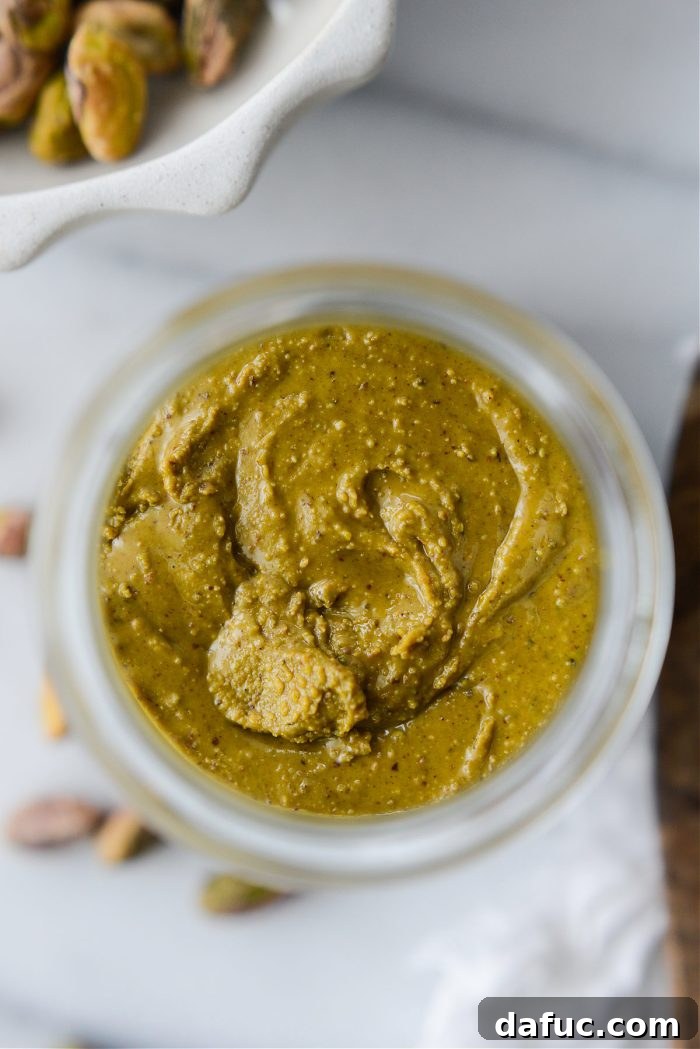
What Does Pistachio Butter Taste Like?
Pistachio butter boasts a unique and sophisticated flavor profile that sets it apart from other nut butters. Its texture is inherently creamy and smooth, melting in your mouth. The taste is distinctly rich, nutty, and earthy, with subtle undertones that are both sweet and slightly savory. You might even detect hints of a delicate, almost floral note that is characteristic of high-quality pistachios. It’s less sweet than peanut butter, more nuanced than almond butter, and has a distinctive character that is truly its own. This complex flavor makes it a fantastic ingredient for both sweet and savory applications.
Enhancing the Flavor: Sweetening Your Pistachio Butter
While I personally adore the natural, unadulterated flavor of pistachio butter, adding a touch of sweetness is always an option if you prefer a dessert-like spread. However, it’s crucial to choose your sweetener wisely to maintain the perfect texture.
Granulated Sweeteners are Best: For nut butters, granulated sweeteners like white sugar, brown sugar, or even powdered sugar are generally preferred. They blend seamlessly without altering the consistency. Start with a small amount, perhaps 1/2 teaspoon per cup of pistachios, and taste as you go, adjusting until it reaches your desired sweetness level.
Caution with Liquid Sweeteners: While tempting to use honey, maple syrup, or agave, liquid sweeteners can sometimes cause nut butter to “seize up” or become stiff and crumbly. This happens because the sugar crystals in liquid sweeteners can interfere with the fat emulsion. Although I’ve successfully used liquid sweeteners in homemade peanut butter with the addition of a little extra oil, it’s a more delicate balance. If you decide to experiment with liquid sweeteners, add them very gradually, just a few drops at a time, and consider adding a very small amount of a neutral oil (like pistachio oil or grapeseed oil) to help maintain a smooth consistency. Always add any sweetener *after* the pistachios have already begun to form a butter to avoid processing issues.
Gather Your Essentials: What You’ll Need
Making homemade pistachio butter is a minimalist’s dream, requiring very few ingredients and basic kitchen equipment. Here’s a breakdown:
Ingredients:
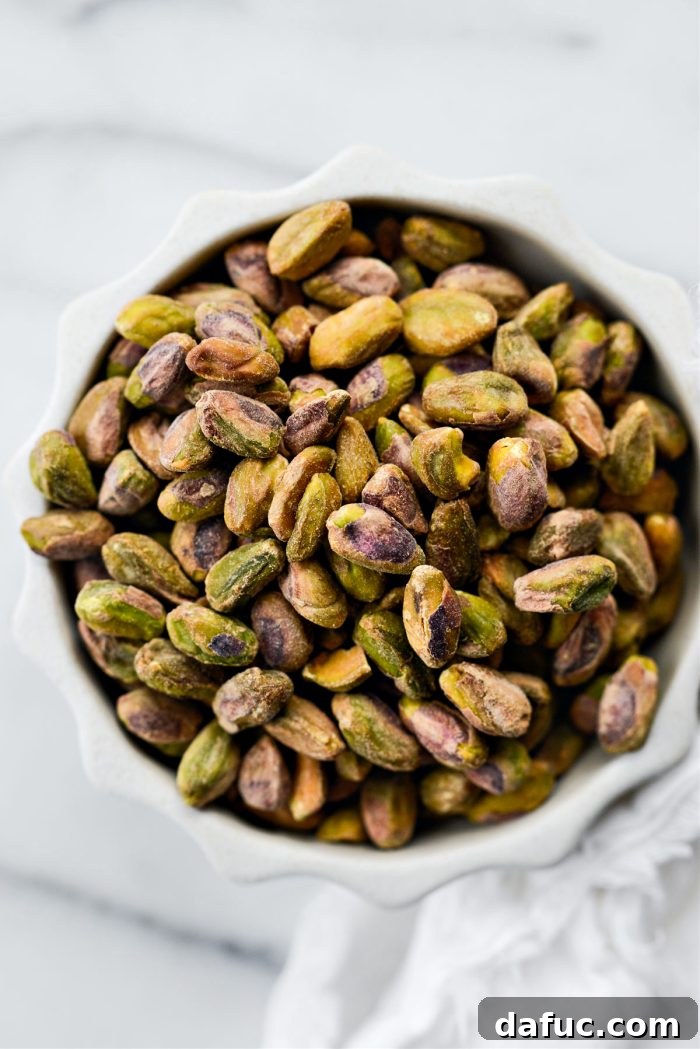
- Pistachios: This is the star of the show. I highly recommend using roasted and shelled pistachios. The roasting process significantly deepens their flavor, making for a richer butter.
- Salted vs. Unsalted: Many brands of roasted pistachios come pre-salted. This can be convenient, but some brands can be overly salty. If you prefer more control over the sodium content, opt for roasted and unsalted pistachios and add salt to taste during processing. A pinch of fine sea salt can truly enhance the natural sweetness and nuttiness.
- Raw Pistachios: If you only have raw, shelled pistachios, you can roast them yourself! Spread them in a single layer on a baking sheet and roast in an oven preheated to 350°F (175°C) for 5-10 minutes, or until fragrant and slightly golden. Watch them carefully to prevent burning. Let them cool slightly before processing.
Equipment:
- Food Processor: A powerful food processor with a sharp blade attachment is absolutely essential for making smooth nut butter. Standard blenders might struggle to achieve the desired creamy consistency without adding a lot of extra oil. Choose one with at least 700 watts for best results.
- Rubber Spatula: You’ll need this to scrape down the sides of the food processor bowl periodically, ensuring all the nuts are evenly processed.
- Airtight Container/Jar: For storing your finished pistachio butter. A glass jar with a tight-fitting lid is ideal.
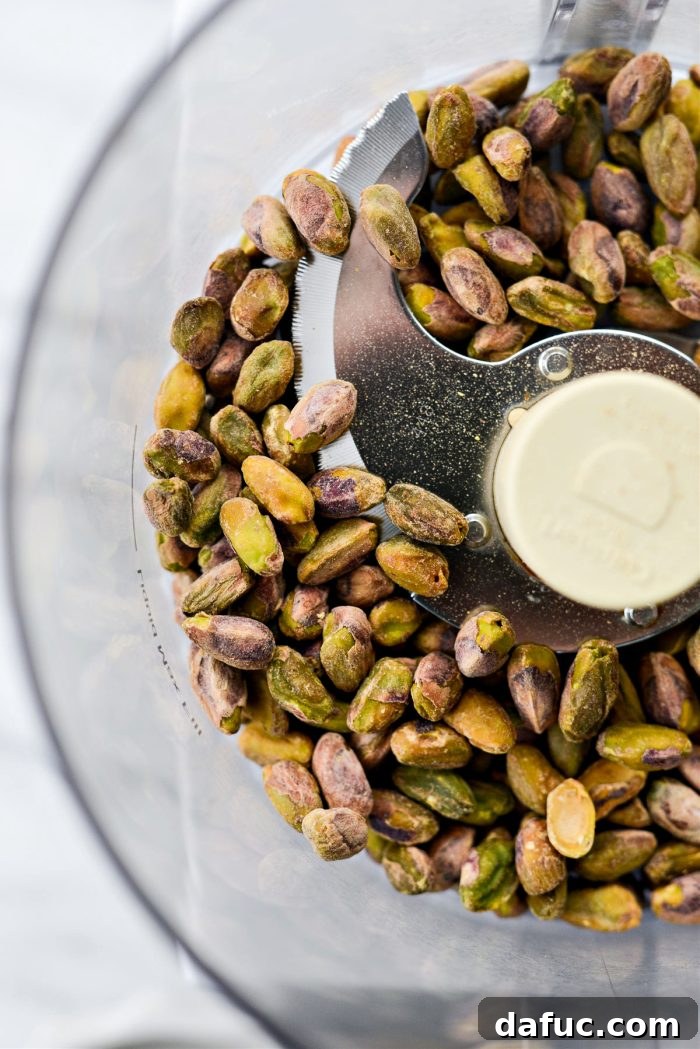
The Transformation: Making Homemade Pistachio Butter Step-by-Step
The process of turning whole pistachios into creamy butter is fascinating and deceptively simple. It requires a bit of patience and trust in your food processor, but the results are truly worth it. Here’s how it unfolds:
- Add Pistachios to the Food Processor: In the bowl of your food processor, fitted with the standard blade attachment, add 1 cup of roasted and shelled pistachios. Ensure the lid is securely fastened.
- Begin Processing: Turn on your food processor and let it run. At first, you might notice the pistachios look dry and crumbly. This is perfectly normal.
- The Crumbly Stage: Keep processing. The pistachios will continue to break down, becoming a finer, flour-like consistency.
- The Pastry Stage: As you continue to process, the natural oils within the pistachios will begin to release. You’ll notice the texture starting to clump together, forming a thick paste.
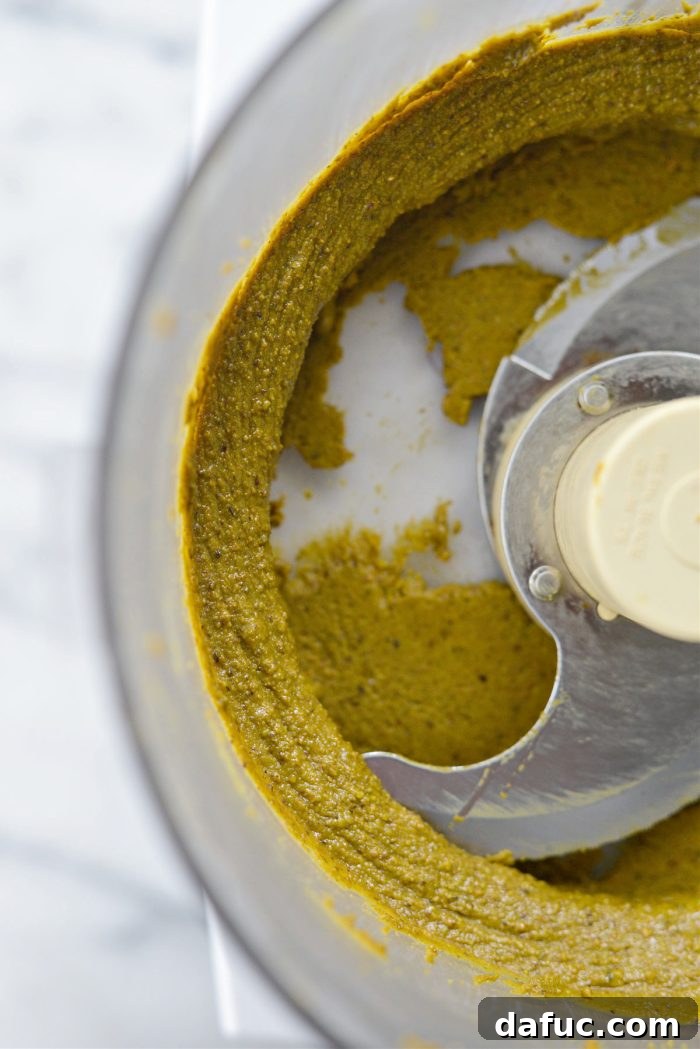
- Approaching Creaminess: The paste will become increasingly smooth and thick. It’s getting closer, but probably not quite the texture you’re aiming for yet.
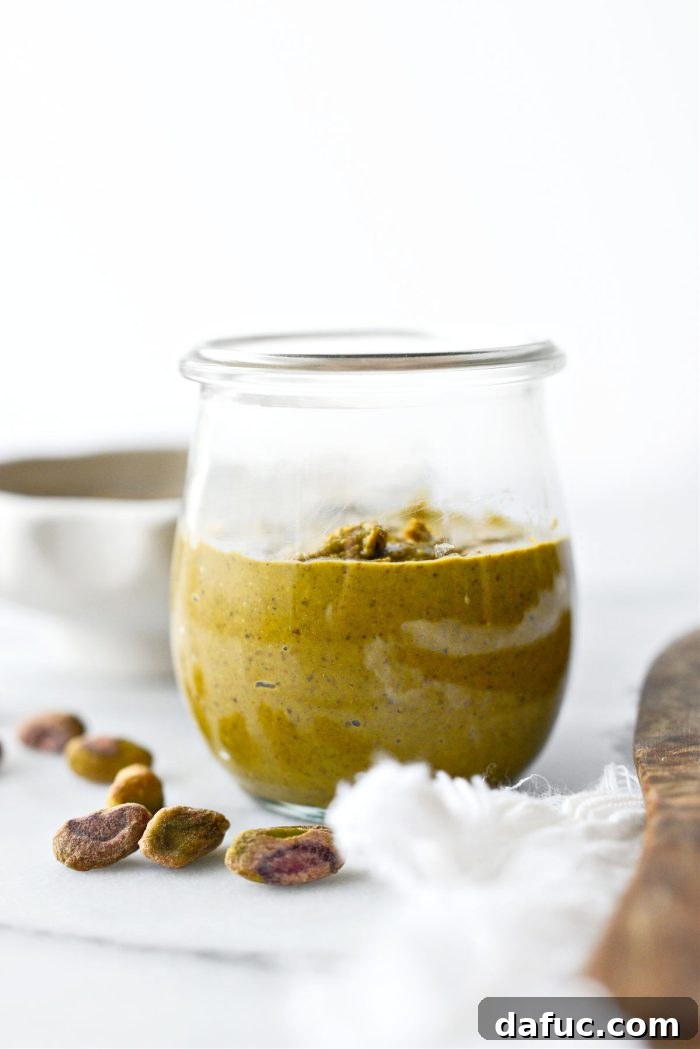
- Final Consistency: Keep blending until it reaches your desired consistency. For a very smooth butter, you might need to process for an additional minute or two after it appears creamy.
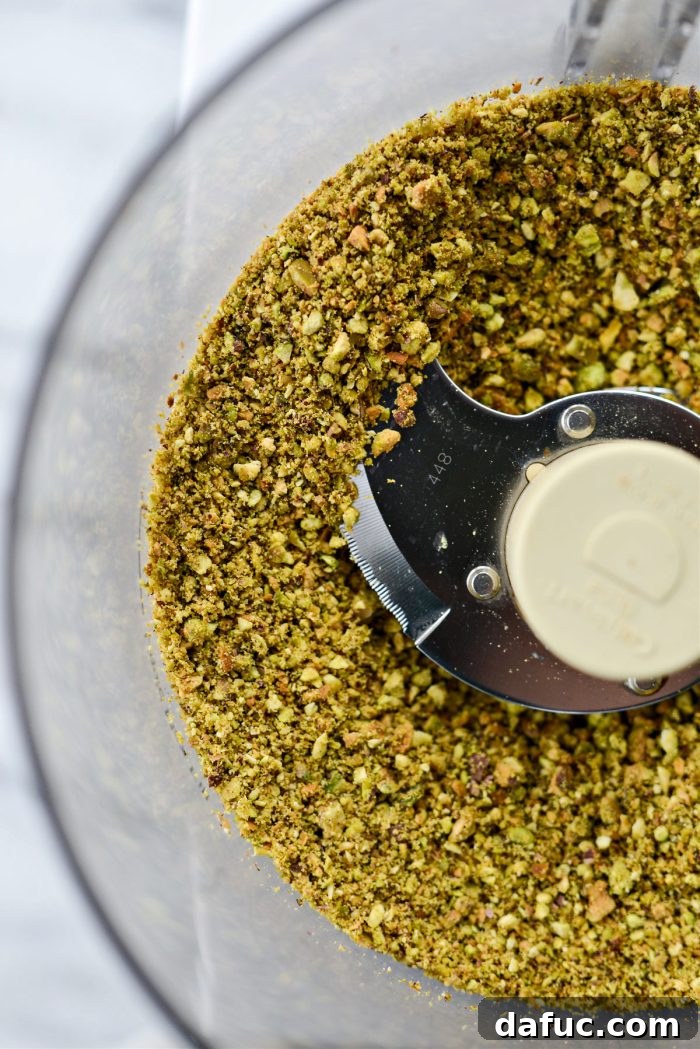
This initial stage involves breaking down the whole nuts into smaller pieces. The texture will resemble a coarse meal or fine crumbs. Don’t be discouraged if it looks like nothing is happening; this is just the beginning.
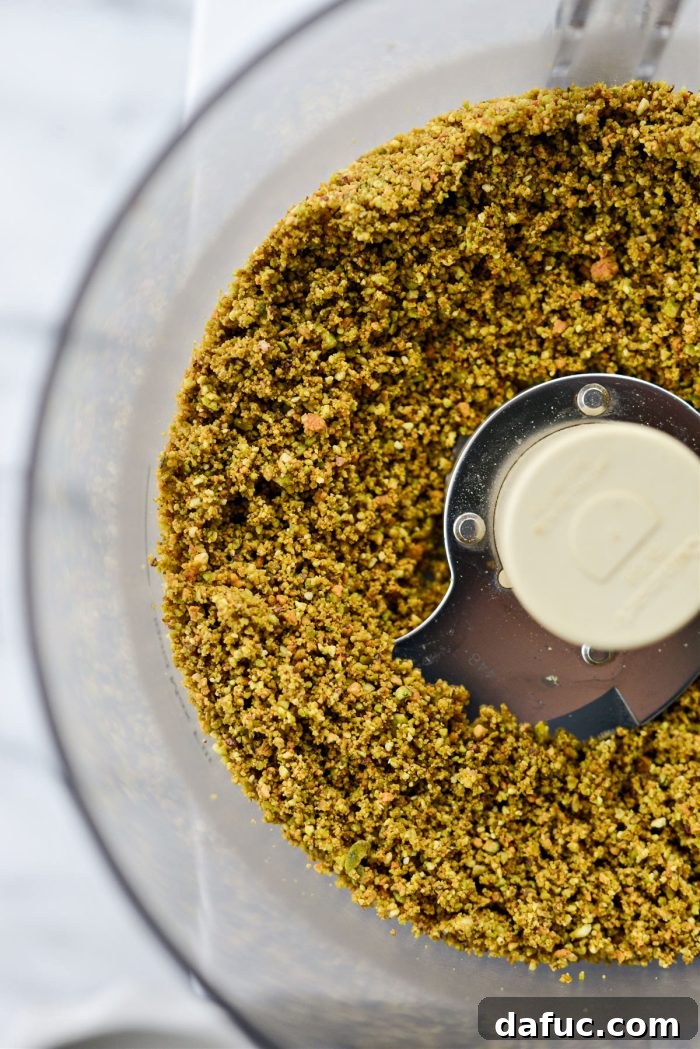
At this point, you might think it will never turn into butter, but stay the course! It’s crucial to let the machine do its work. Scrape down the sides of the food processor bowl every minute or so to ensure all the pistachio pieces are incorporated and processed evenly.
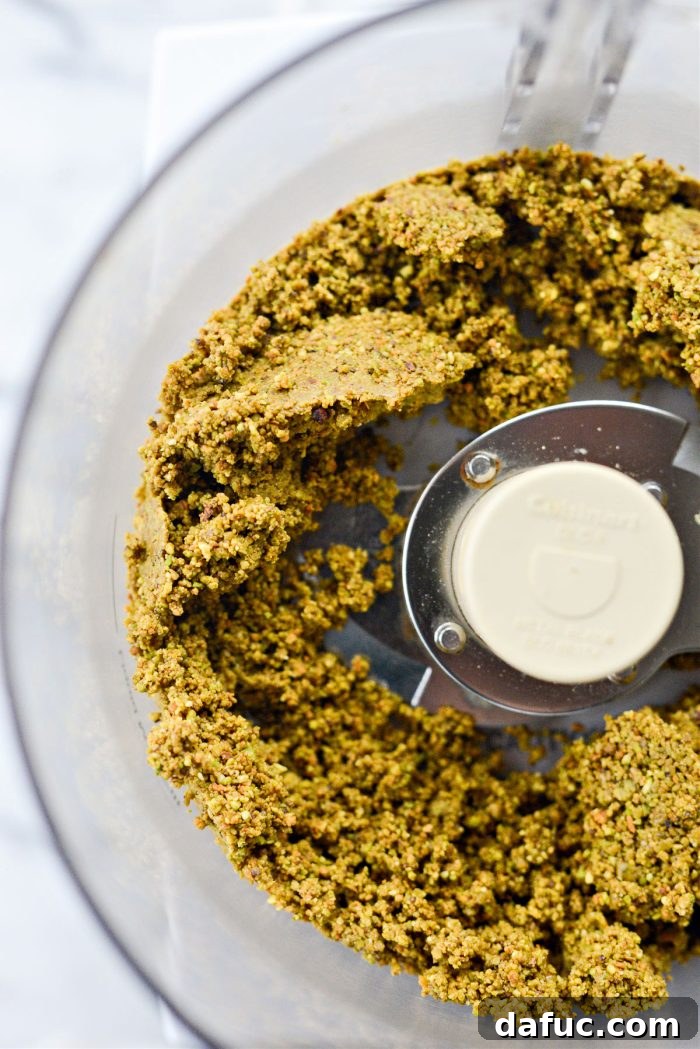
The natural occurring oil is what transforms the dry nuts into a smooth, spreadable butter. This oil acts as a lubricant, helping to break down the nuts even further and creating that characteristic creamy texture.
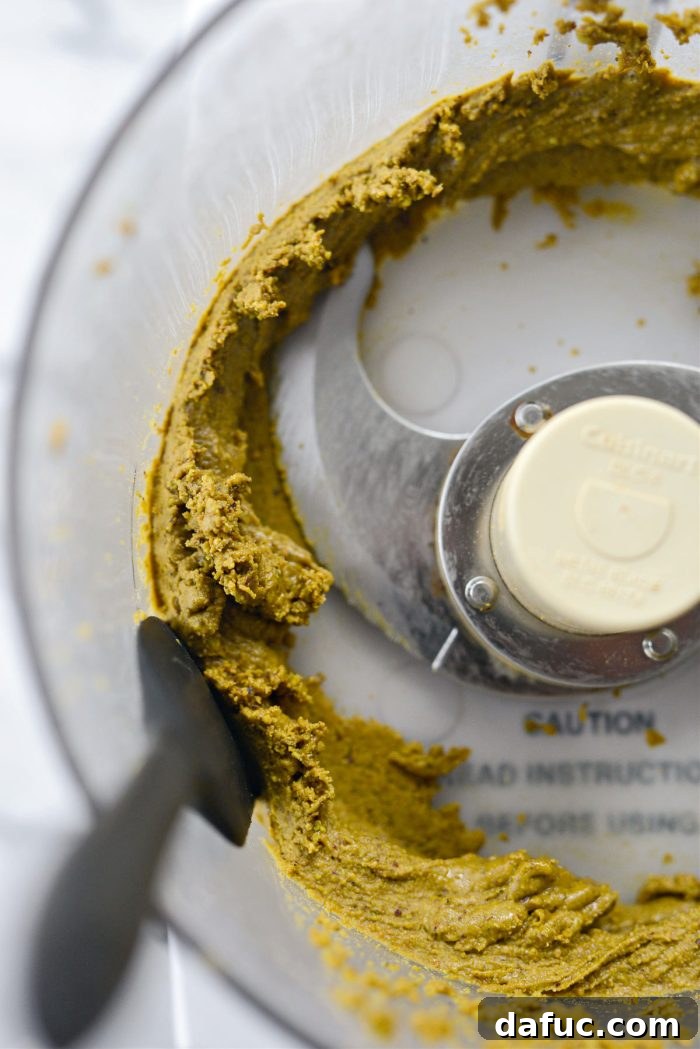
Continue processing, scraping down the sides of the food processor bowl frequently – every 30-60 seconds. This step is critical for achieving a consistent, velvety smooth butter. The entire process, from start to finish, typically takes about 4 to 7 minutes, depending on the power of your food processor and the quantity of nuts.
Troubleshooting & Tips for Smoother Consistency:
Patience is Key: The most common mistake is stopping too soon. The nuts *will* release their oils and become smooth, but it takes time. Resist the urge to add liquid too early.
Want a smoother and more runny consistency? If, after several minutes of processing, your pistachio butter isn’t as liquid or smooth as you’d like, you can add a small amount of neutral oil. A teaspoon or two of pistachio oil (which will enhance the flavor even more), grapeseed oil, or a light olive oil can help achieve a more pourable consistency. Add it slowly, while the food processor is running, until you reach your desired texture. Please note that adding oil will slightly affect the nutritional value.
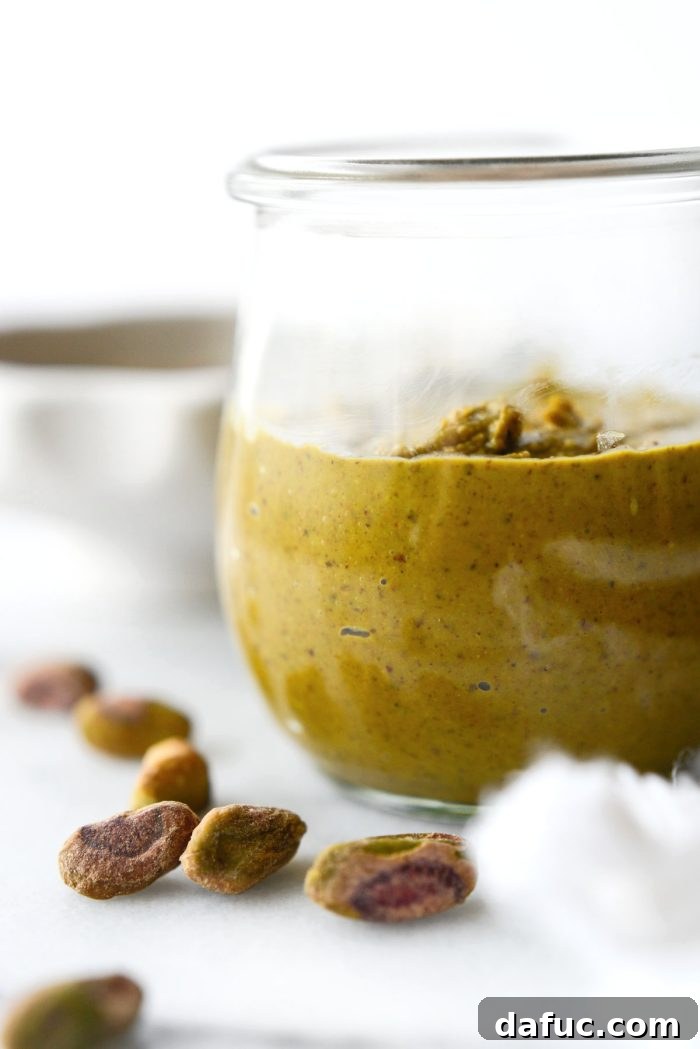
That’s it! You’ve just made homemade pistachio butter.
Creative Ways to Enjoy Your Homemade Pistachio Butter
The versatility of homemade pistachio butter is truly astonishing. Once you have a fresh batch, the culinary possibilities are endless. Here are some inspiring ideas to get you started:
- Dessert Enhancer: Use it as a rich flavoring for ice cream, gelato, or buttercream frosting. It adds a sophisticated nutty depth.
- Baking Filling: It makes an exquisite filling for cakes, tarts, crepes, croissants, or danishes. Imagine a flaky croissant with a luscious pistachio center!
- Italian Delicacy: Fold it into creamy ricotta cheese for an elevated filling for cannolis or other Italian pastries.
- Savory Applications: Don’t limit it to sweets! Pistachio butter can add a unique richness to savory dishes. Whisk it into salad dressings for a creamy, nutty base, or use it as a binder in meatballs or falafel.
- Breakfast Booster: Add a spoonful to your morning smoothies for a boost of healthy fats and protein. Drizzle it generously over waffles, pancakes, or French toast instead of traditional syrup.
- Elevated Toast Topping: Spread it on English muffins, rice cakes, or your favorite toasted bread. Top with fresh berries like strawberries or raspberries, sliced bananas, or any fruit of your choice for a quick and nutritious snack.
- Yogurt & Oatmeal Mix-in: Stir a tablespoon into your morning oatmeal or a bowl of Greek yogurt. Enhance it further with fresh fruit, a sprinkle of nuts, and a crunchy granola.
- Dipping Sauce: Serve it alongside apple slices, celery sticks, or pretzels for a healthy and satisfying dip.
- Sauce Thickener: Use it to thicken and enrich sauces for pasta or stir-fries, adding a subtle nutty essence.
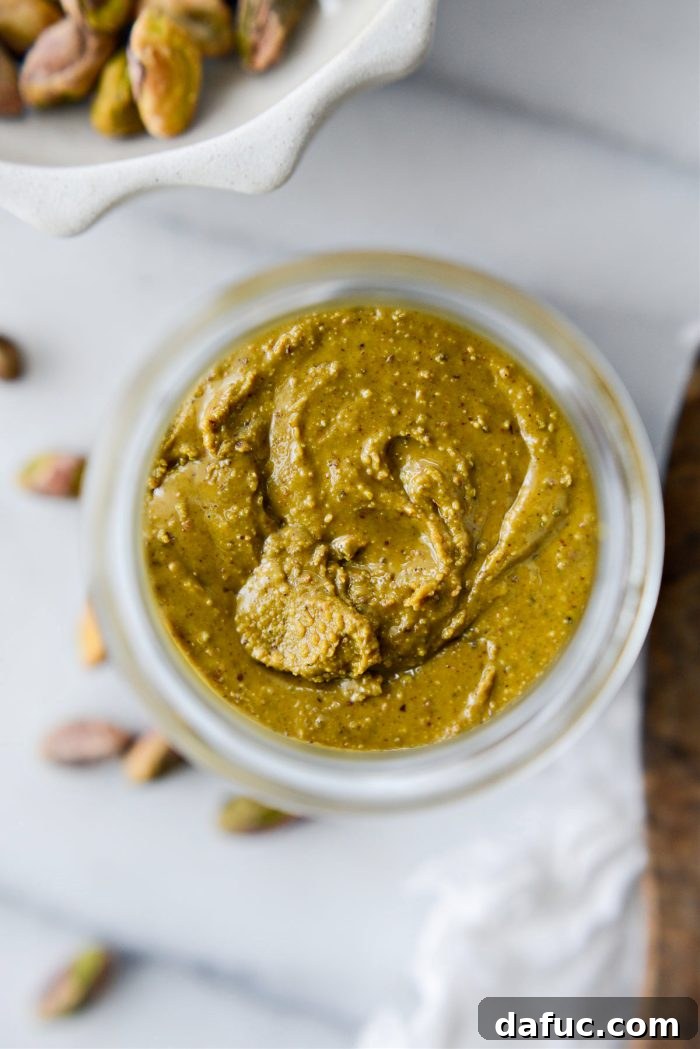
Storage & Shelf Life of Homemade Pistachio Butter
Proper storage is key to maintaining the freshness and extending the shelf life of your homemade pistachio butter:
How To Store Pistachio Butter:
Once your pistachio butter is made, transfer it to a clean, airtight container. A glass jar with a tight-fitting lid is ideal. This prevents air exposure, which can lead to oxidation and affect flavor over time.
How Long Will Pistachio Butter Last?
Due to the absence of preservatives, homemade pistachio butter has a shorter shelf life than commercial varieties. When stored properly in the refrigerator, it can last for up to 1 month, or even longer if kept in an optimal cool environment. For extended storage, you can freeze pistachio butter for up to 3 months. To freeze, place it in a freezer-safe container, leaving a little headspace as it may expand slightly. When you’re ready to use it, simply transfer it to the refrigerator to thaw overnight. Stir well before serving, as some oil separation may occur.
Always use a clean spoon when scooping out your pistachio butter to prevent contamination, which can shorten its shelf life. If you notice any off-smells, mold, or a significantly altered taste, it’s best to discard it.
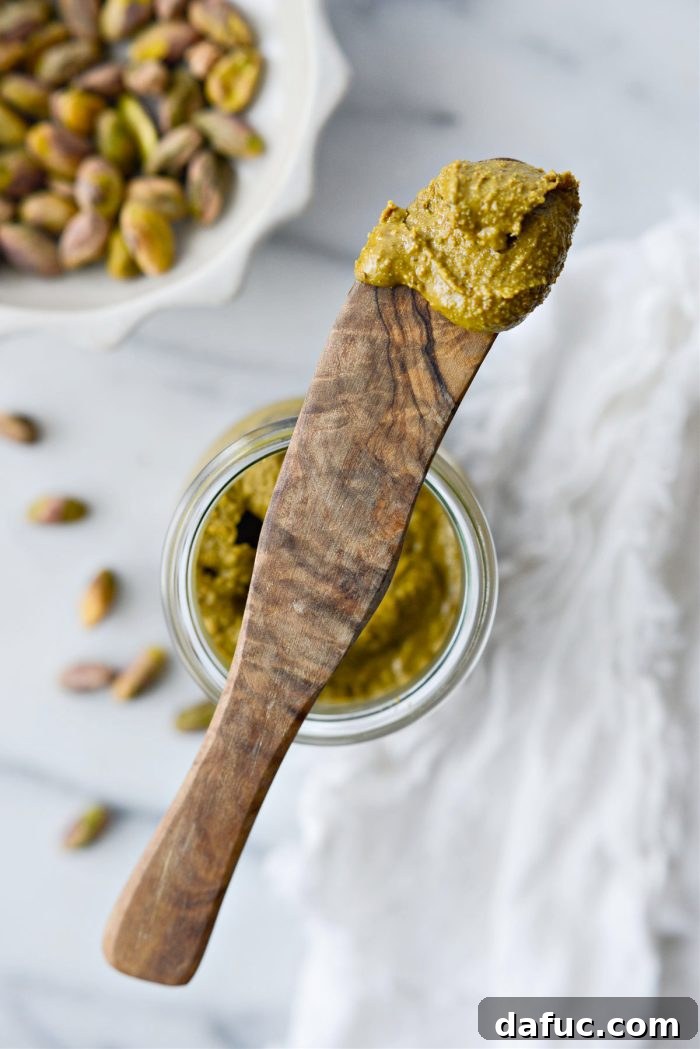
Looking for more healthy, homemade spreads? CLICK HERE FOR MORE NUT BUTTER RECIPES!
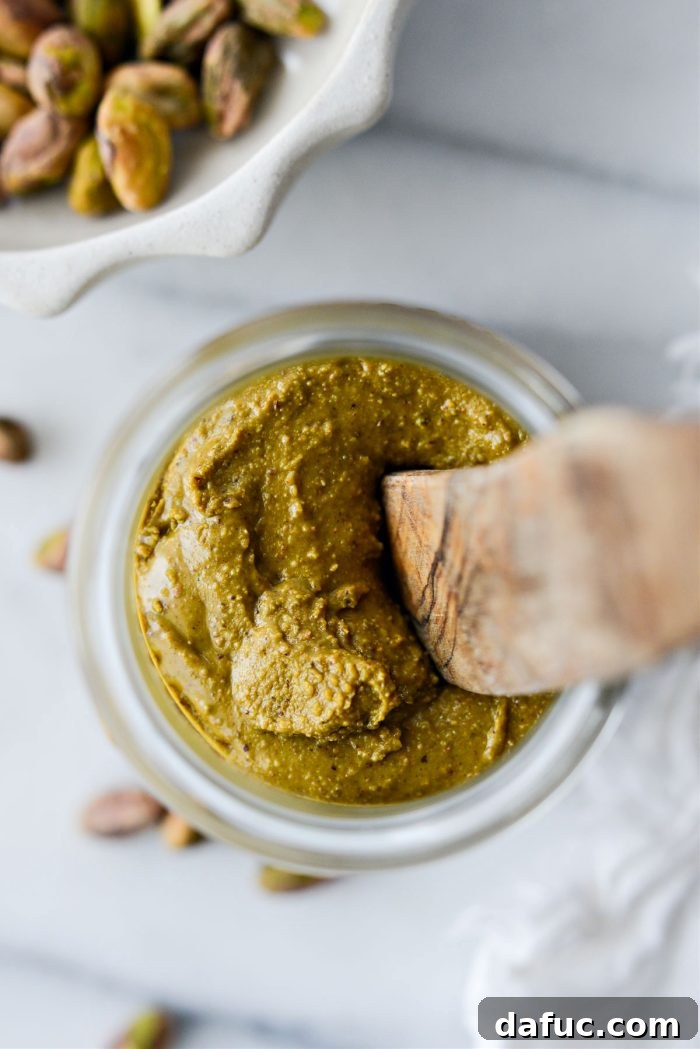
Enjoy! And if you give this Homemade Pistachio Butter recipe a try, let me know! Snap a photo and tag me on twitter or instagram!
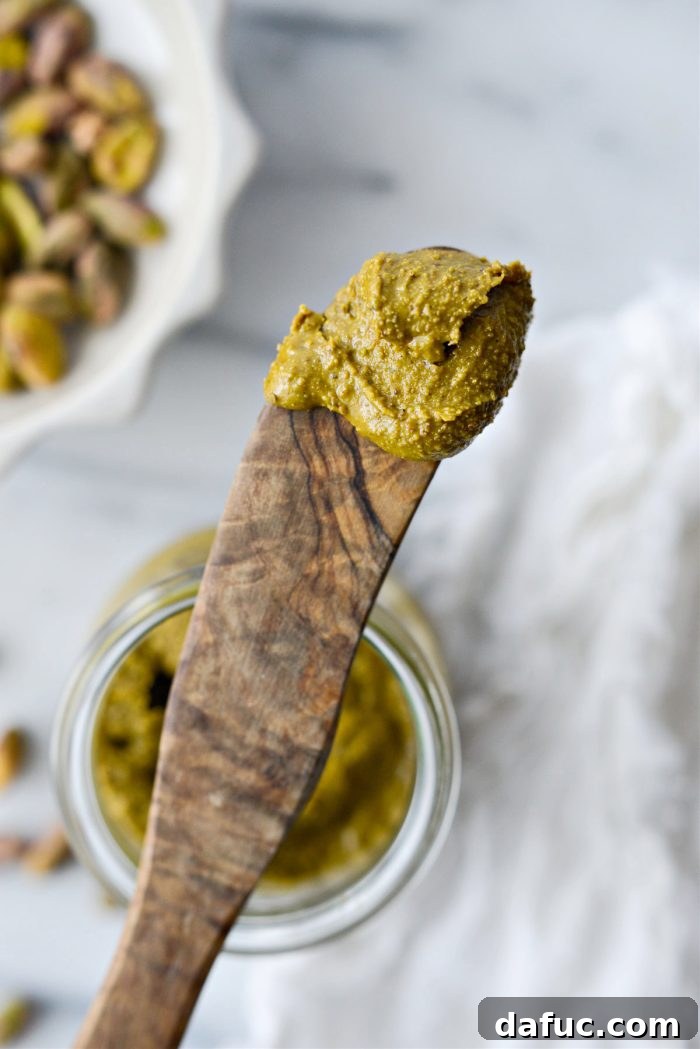
Homemade Pistachio Butter
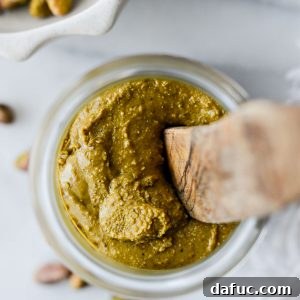
Pistachio butter is a versatile, quick and easy homemade nut butter made from roasted pistachios! Yields approximately 1/2 cup or 8 (1 tablespoon) servings, easily doubled for more.
Yield: 8 servings (1 tablespoon each, totaling 1/2 cup)
Prep Time: 5 minutes
Processing Time: 4-7 minutes
Ingredients
- 1 cup shelled pistachios (roasted and salted recommended for best flavor, see notes below for alternatives)
- Optional: 1/4 – 1/2 tsp granulated sugar (or sweetener of choice), pinch of sea salt (if using unsalted pistachios), 1-2 tsp neutral oil for thinner consistency.
Instructions
- In the bowl of your food processor, fitted with the sharp blade attachment, add the 1 cup of shelled pistachios. Ensure the lid is securely fastened.
- Process the pistachios continuously. Initially, they will break down into dry crumbs, then form a thick paste, and finally, as their natural oils release, they will transform into smooth, creamy butter. This process typically takes 4 to 7 minutes.
- Throughout processing, stop and scrape down the sides of the food processor bowl with a rubber spatula every 30-60 seconds to ensure even blending and prevent clumping. Continue until the butter reaches your desired smooth or runny consistency.
- If using unsalted pistachios, or if you desire a sweeter butter, add your chosen sweetener and/or salt during the last minute of processing. If you prefer a thinner consistency, drizzle in 1-2 teaspoons of neutral oil (like pistachio or grapeseed oil) while the processor is running.
- Once complete, transfer the freshly made pistachio butter to a clean glass jar or an airtight container with a tight-fitting lid.
- Store the pistachio butter in the refrigerator for up to 1 month, or freeze it for up to 3 months for longer preservation.
Notes
For the most flavorful and vibrant pistachio butter, I recommend using good quality roasted and salted pistachios. If you’re concerned about salt content, opt for roasted and unsalted pistachios and add a pinch of fine sea salt to taste during the final stages of processing. If you only have raw pistachios, lightly toast them in a dry pan over medium heat for 5-7 minutes until fragrant before processing. This enhances their flavor and helps them release oils more easily. Avoid liquid sweeteners like honey or maple syrup unless you are also adding a small amount of neutral oil, as they can sometimes cause the butter to seize.
Nutrition Information (per 1 tablespoon serving)
- Serving Size: 1 tablespoons
- Calories: 86 kcal
- Carbohydrates: 4 g
- Protein: 3 g
- Fat: 7 g
- Saturated Fat: 1 g
- Polyunsaturated Fat: 2 g
- Monounsaturated Fat: 4 g
- Sodium: 0.2 mg
- Potassium: 158 mg
- Fiber: 2 g
- Sugar: 1 g
- Vitamin A: 64 IU
- Vitamin C: 1 mg
- Calcium: 16 mg
- Iron: 1 mg
Author: Laurie McNamara
Course: Homemade Ingredients & Condiments
Cuisine: American
Print Recipe | Pin Recipe | Leave a Review