
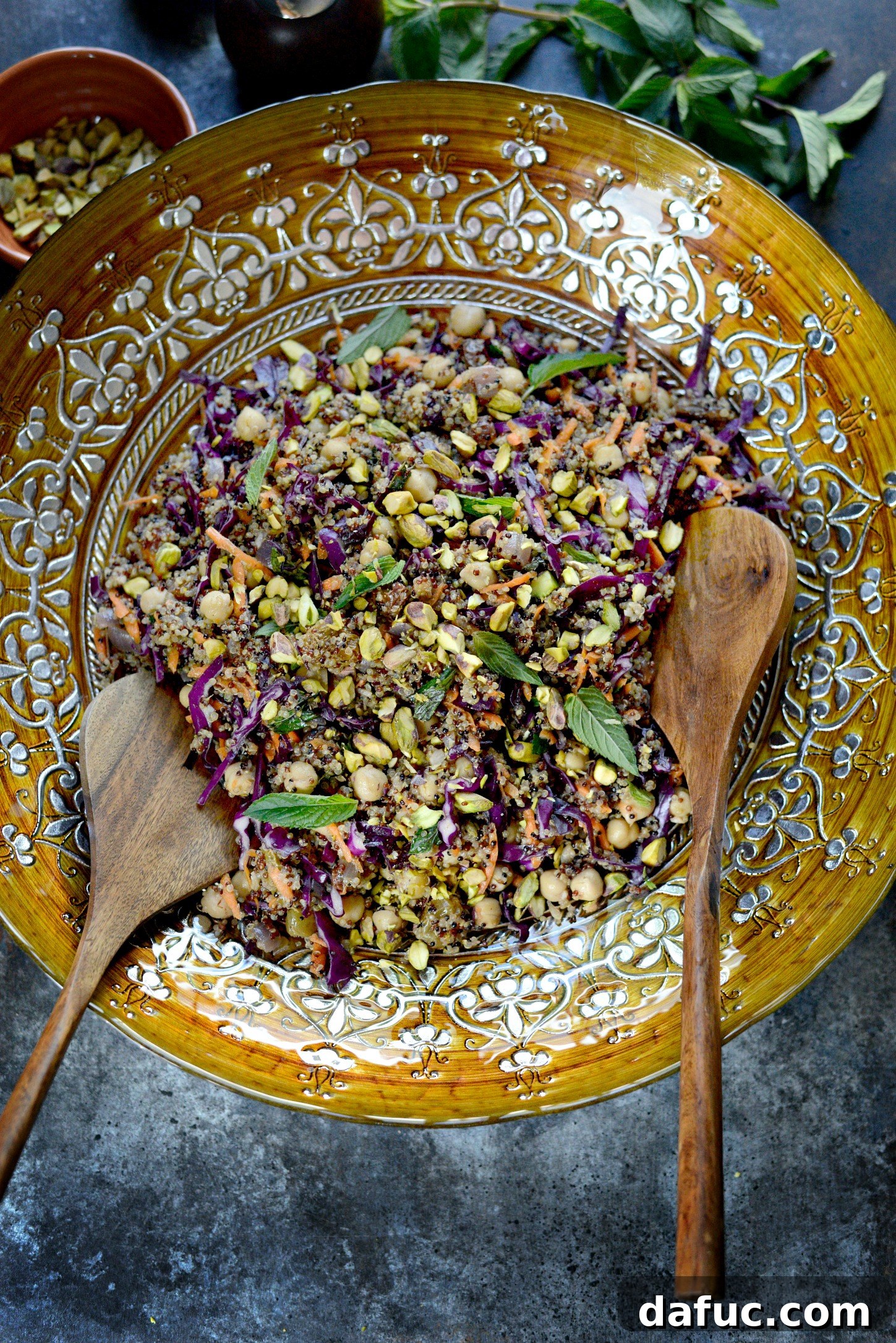
Welcome back to healthy eating with this incredibly flavorful Moroccan Quinoa Pilaf! After a weekend of indulgence – think juicy burgers, creamy potato salad, crispy chips, and perhaps a few too many refreshing grapefruit shandies – my body was practically shouting for a generous dose of vibrant vegetables and wholesome goodness. This Moroccan Quinoa Pilaf is the perfect answer, bringing balance and bursting with nutrients.
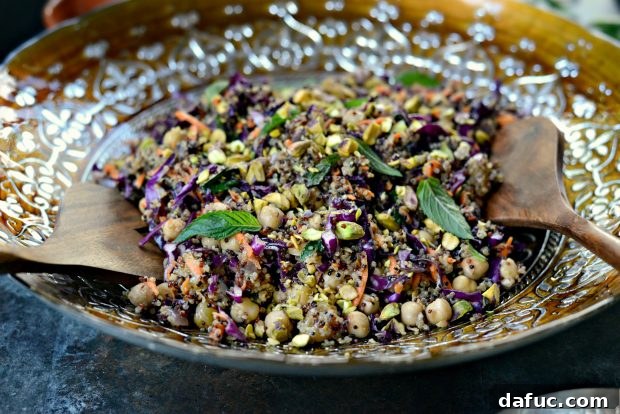
I anticipated this craving, knowing that a post-holiday reset would be essential. So, before the festivities even began, I prepared my kitchen with everything I needed. A week prior, I had crafted my own Ras el Hanout Moroccan Spice Blend, ensuring its complex aromas were ready to infuse this dish. All that was left was a quick trip to the grocery store for fresh produce – crisp purple cabbage and aromatic mint – and I was eager to get home and assemble this vibrant salad. Even the checkout clerk’s side-eye at my mountain of bagged vegetables couldn’t dampen my excitement. Sometimes, a little culinary effort is exactly what the soul and body need!
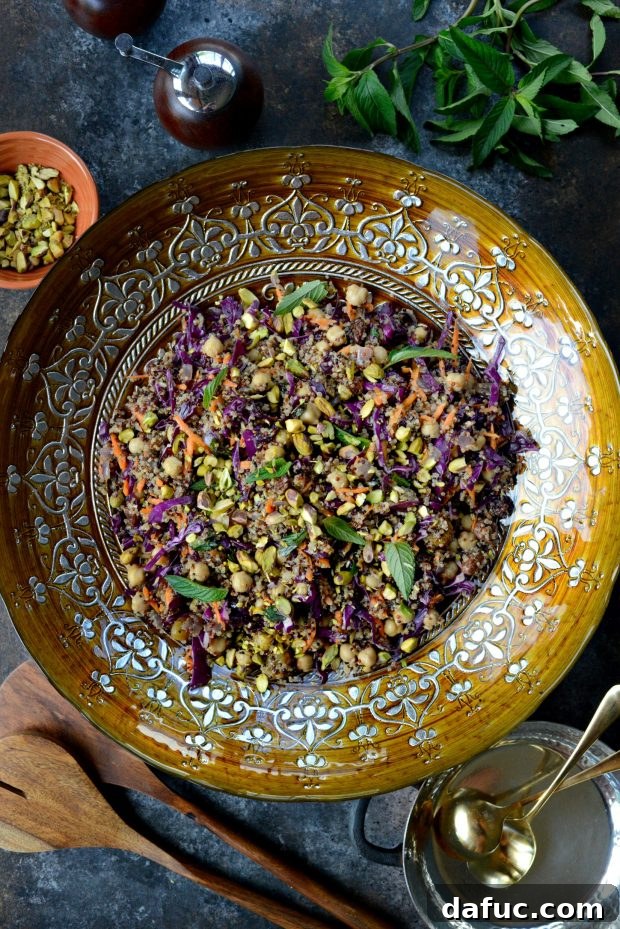
Why Moroccan Quinoa Pilaf is Your Next Favorite Meal
This Moroccan Quinoa Pilaf isn’t just a recipe; it’s an experience. It serves beautifully as a fulfilling meatless main course, making it an excellent choice for vegetarians and vegans alike (simply use vegetable broth). Its versatility also shines as an impressive side dish to almost any protein. Imagine it alongside grilled chicken, flaky baked salmon, or even succulent lamb. Whether you’re enjoying it by itself in a bowl with a fork for a quick, healthy lunch or serving it as a vibrant accompaniment at your next dinner party, this pilaf promises to delight with its rich flavors and incredible textures. It’s also fantastic for meal prep, holding up wonderfully in the refrigerator for a few days, ensuring you have healthy, delicious meals ready to go.
The Heart of Moroccan Flavor: Ras el Hanout
Central to the authentic taste of this pilaf is Ras el Hanout, a truly remarkable Moroccan spice blend. Its name, meaning “head of the shop,” implies the finest spices a merchant has to offer. This intricate blend typically includes a symphony of warming spices like cumin, coriander, ginger, turmeric, cinnamon, cloves, and nutmeg, often with a hint of rose petals or lavender, and sometimes a touch of cayenne for a gentle kick. It’s this blend that elevates the quinoa from simple grain to a deeply aromatic and exotic foundation for the other ingredients. Preparing it in advance, as I did, ensures its full flavor potency is ready when you are.
Crafting Your Moroccan Quinoa Pilaf: A Step-by-Step Guide
Creating this flavorful pilaf is a journey of simple steps, each contributing to its remarkable taste and texture. Let’s dive into the process:
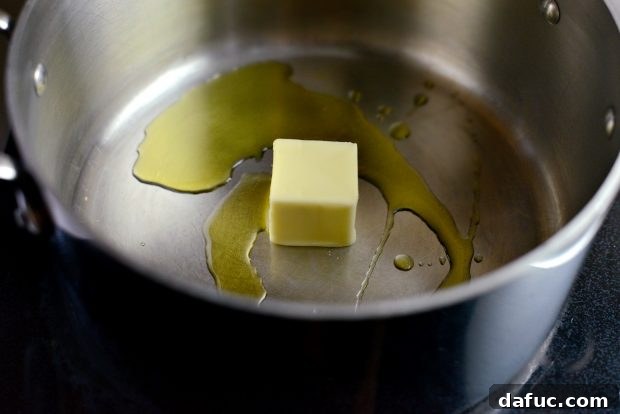
Step 1: Building the Aromatic Base
Begin by melting 2 tablespoons of unsalted butter with 1 tablespoon of olive oil in a medium saucepan over medium to medium-low heat. The combination of butter and olive oil creates a rich foundation, with butter adding depth and olive oil preventing scorching. Once the butter is melted and begins to gently bubble, the pan is ready for the next layer of flavor.
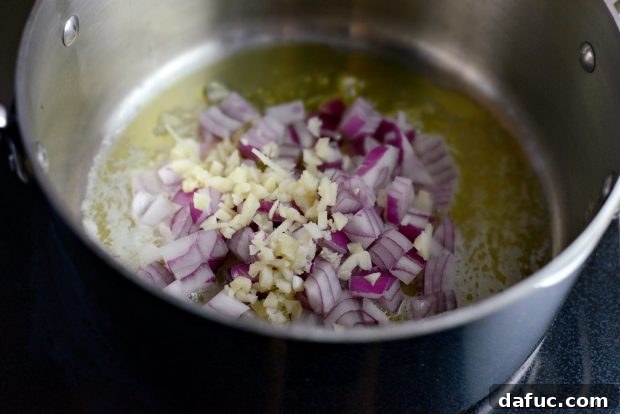
Add 1 cup of finely diced red onion, 2 cloves of freshly minced garlic, and a small pinch of kosher salt to the pan. The salt helps draw out moisture, allowing the onions to soften beautifully and caramelize slightly, unlocking their natural sweetness. Stir the ingredients well to combine them with the butter and oil.
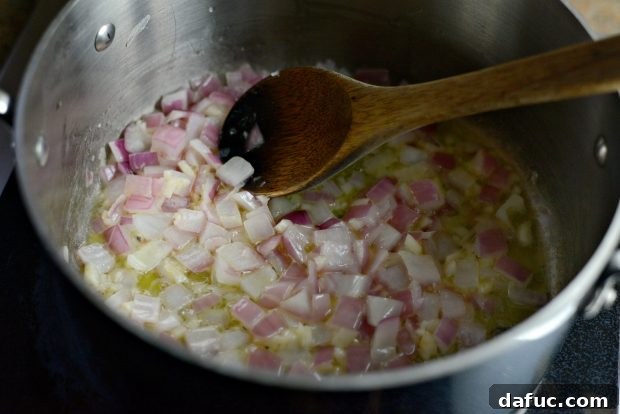
Continue to stir and sauté the onion and garlic for approximately 4 to 5 minutes. During this time, the onions will become wonderfully soft and translucent, and the garlic will release its pungent, sweet aroma, filling your kitchen with an enticing fragrance. This step is crucial for developing the foundational flavors of the pilaf.
Step 2: Infusing Sweetness and Spice
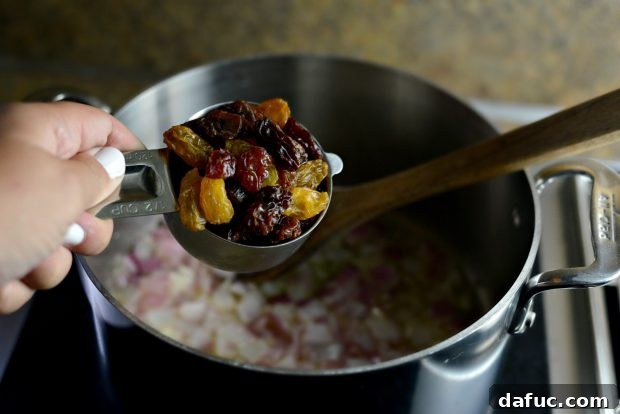
Increase the heat to high. This helps to quickly bring the liquids to a boil later. Add 1/2 cup of plump raisins to the sautéed aromatics. The raisins will soften and plump further, releasing their natural sugars and adding a delightful sweetness that beautifully complements the savory spices.
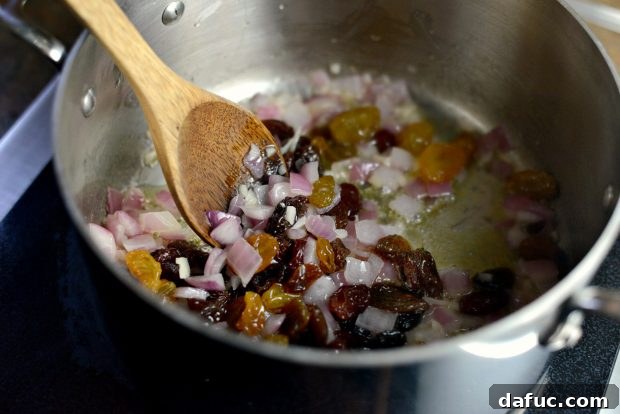
Give everything a good stir to evenly distribute the raisins, allowing them to warm through and mingle with the fragrant onion and garlic.
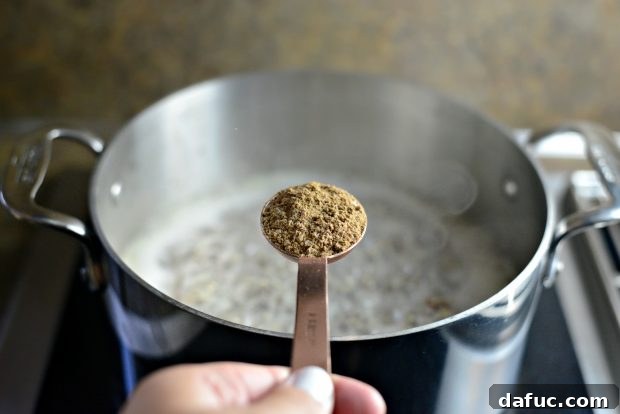
Now, it’s time for the star spice! Add 1 tablespoon of your Ras el Hanout Moroccan Spice Blend. Stir it into the mixture for about 30 seconds to a minute, allowing the spices to bloom in the warm oil. This brief toasting enhances their complex flavors and aromas, bringing a truly authentic Moroccan character to the dish.
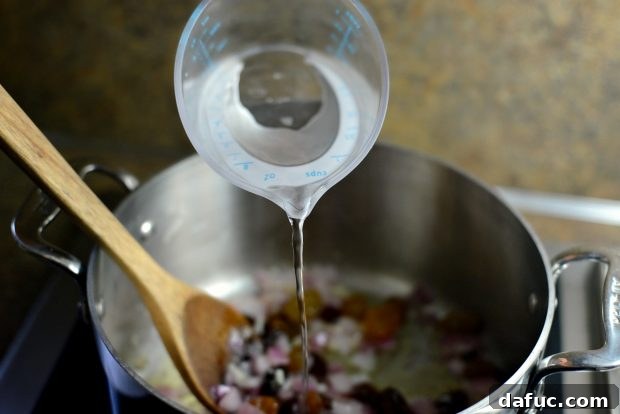
Step 3: Cooking the Quinoa to Perfection
Pour in 3/4 cup of cool water. This liquid, along with the broth, will provide the necessary moisture for the quinoa to cook perfectly.
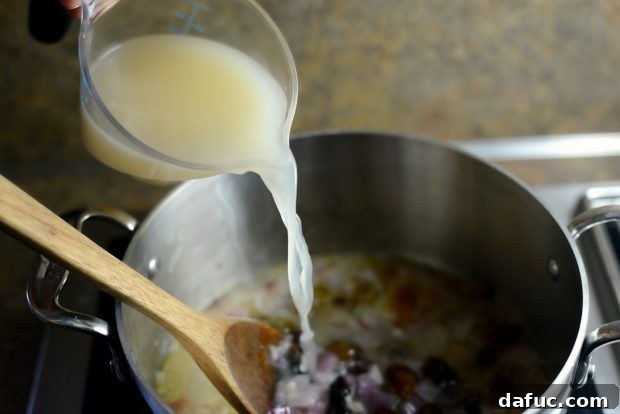
Follow with 1 cup of low-sodium chicken broth (or vegetable broth for a vegetarian/vegan option). The broth adds an extra layer of savory flavor to the quinoa, making it more delicious than plain water alone.
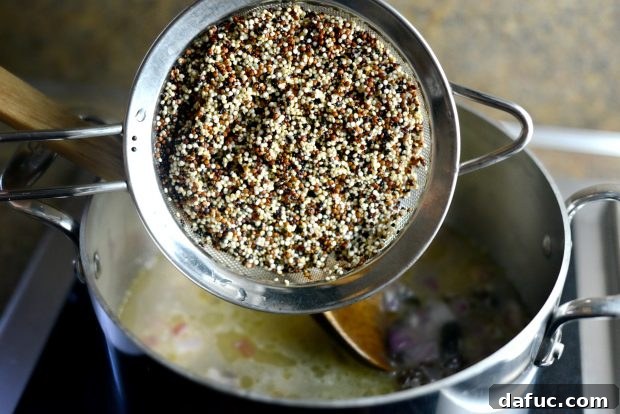
Add 1 cup of rinsed quinoa to the pot. Rinsing quinoa under cold water is an important step to remove its natural coating, saponin, which can impart a bitter taste. Bring the mixture to a rolling boil over high heat. Once boiling, cover the pot tightly with a lid, reduce the heat to low, and let it simmer for 12 minutes. This gentle cooking allows the quinoa to absorb the flavorful liquid and become tender. After 12 minutes, remove the pot from the heat and let it stand (still covered) for another 5 minutes. This resting period allows the quinoa to steam, resulting in perfectly fluffy grains. Finally, fluff the quinoa gently with a fork.
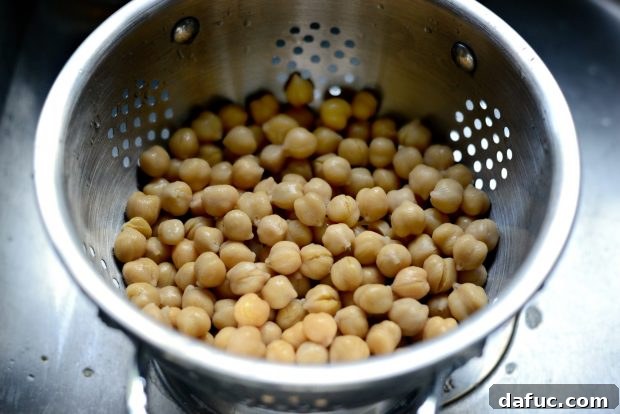
Step 4: Preparing the Fresh Additions
While the quinoa is cooking, prepare your fresh ingredients. Drain and thoroughly rinse 1 (15 ounce) can of garbanzo beans (chickpeas). Rinsing removes excess sodium and any canning liquid. If you find any loose skins, gently remove them for a smoother texture.
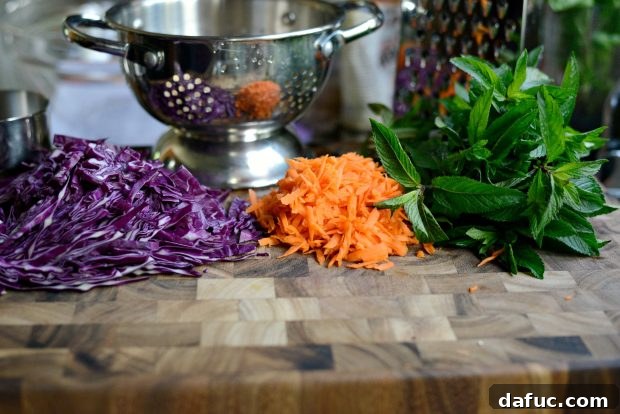
Slice up 2 cups of vibrant purple cabbage into thin ribbons. Grate a few carrots – for me, about 3 small to medium carrots yield approximately 1 cup – adding a pop of color and natural sweetness. Finally, rinse a few sprigs of fresh mint and pat them dry. The mint will be torn by hand just before mixing to maximize its fresh aroma.
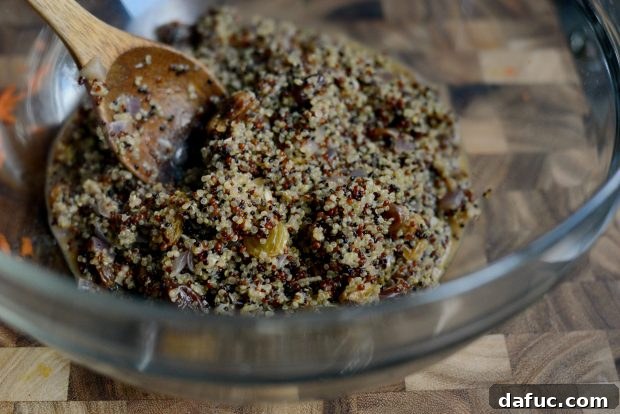
Step 5: Assembling the Pilaf
Once the quinoa is perfectly cooked and fluffed, transfer it, along with any remaining flavorful liquids in the pan, into a large mixing bowl. The slight excess liquid will help moisten and distribute the flavors throughout the pilaf.
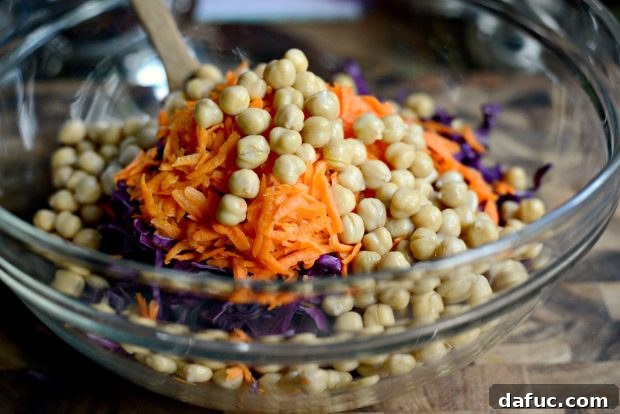
Add the thinly sliced purple cabbage, grated carrots, and the drained, rinsed garbanzo beans to the bowl with the quinoa. These vegetables bring a beautiful array of colors, textures, and nutrients to the dish.
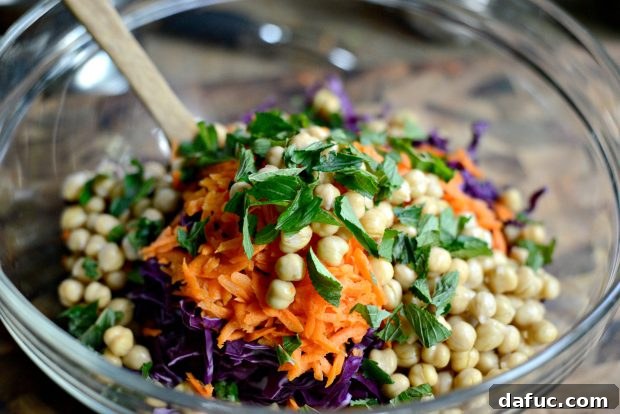
Hand-tear the leaves from 3 to 4 mint sprigs directly into the bowl. Tearing, rather than chopping, helps to release the mint’s essential oils more effectively, giving the pilaf a burst of fresh, invigorating flavor. Gently toss all the ingredients together until they are well combined and the quinoa is evenly mixed with the vegetables and mint.
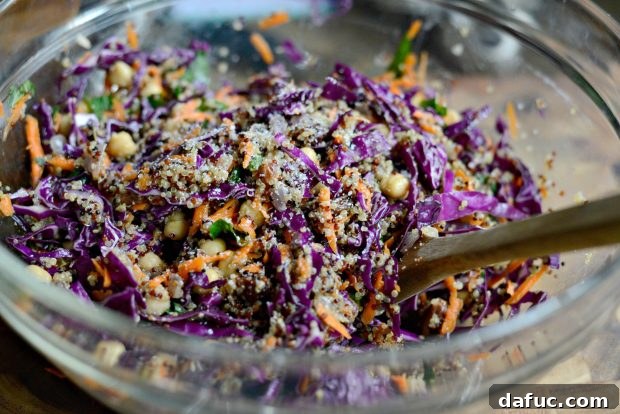
Taste the pilaf and season with more kosher salt if desired. The amount of salt needed can vary based on the chicken broth used and personal preference, so always taste and adjust.
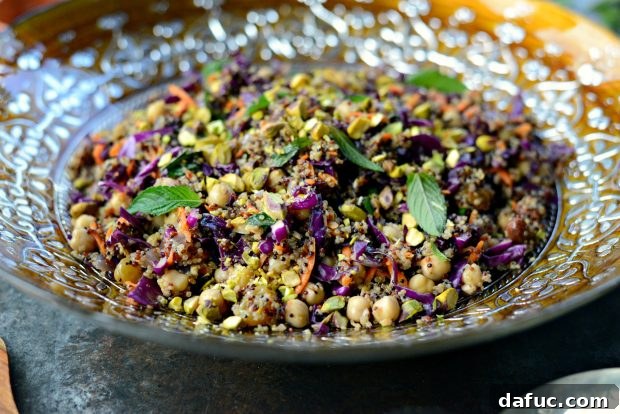
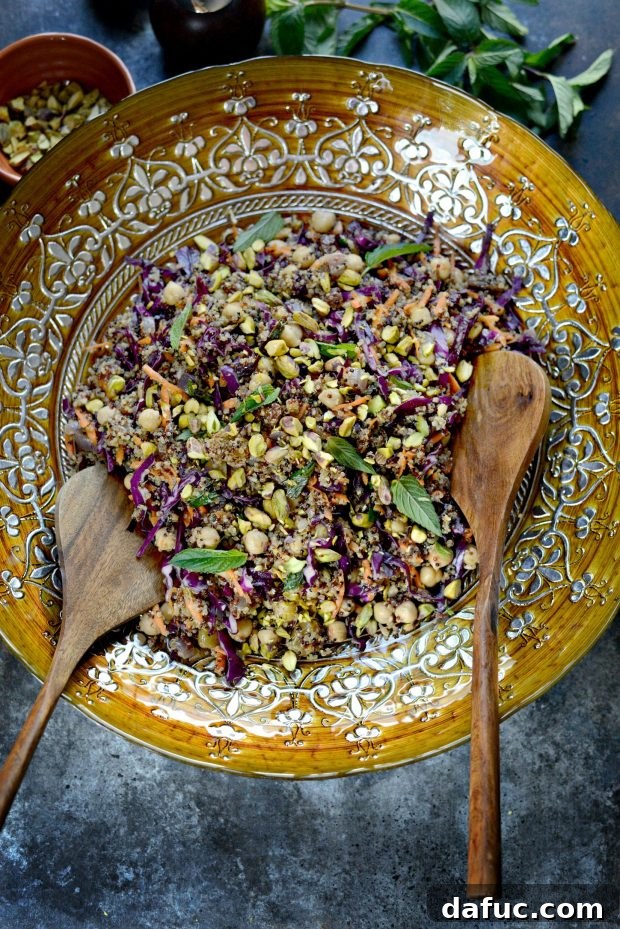
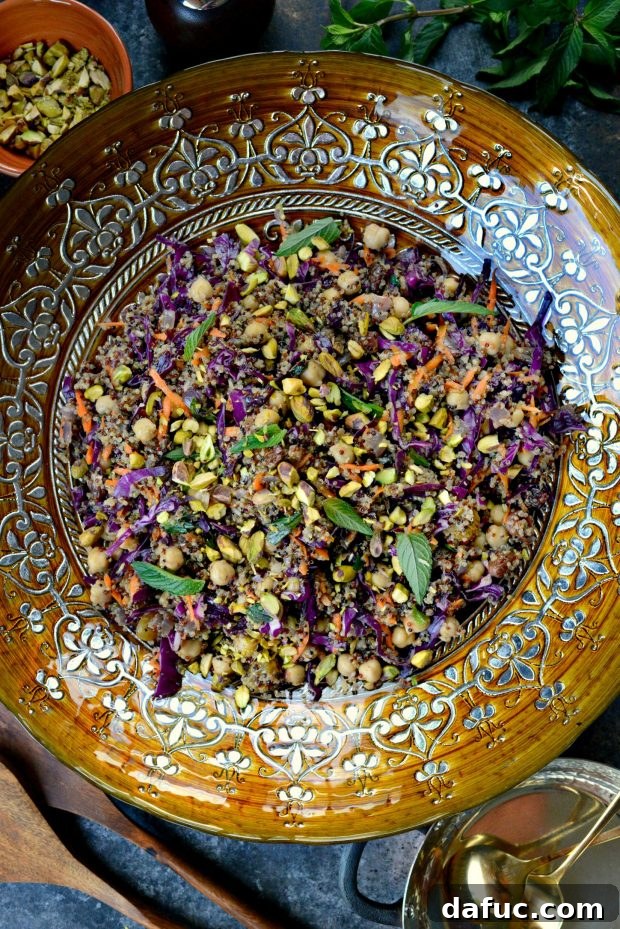
Serve the Moroccan Quinoa Pilaf while it’s still warm. Garnish generously with a sprinkling of coarsely chopped pistachios and a few extra fresh mint leaves for a beautiful presentation and added freshness.
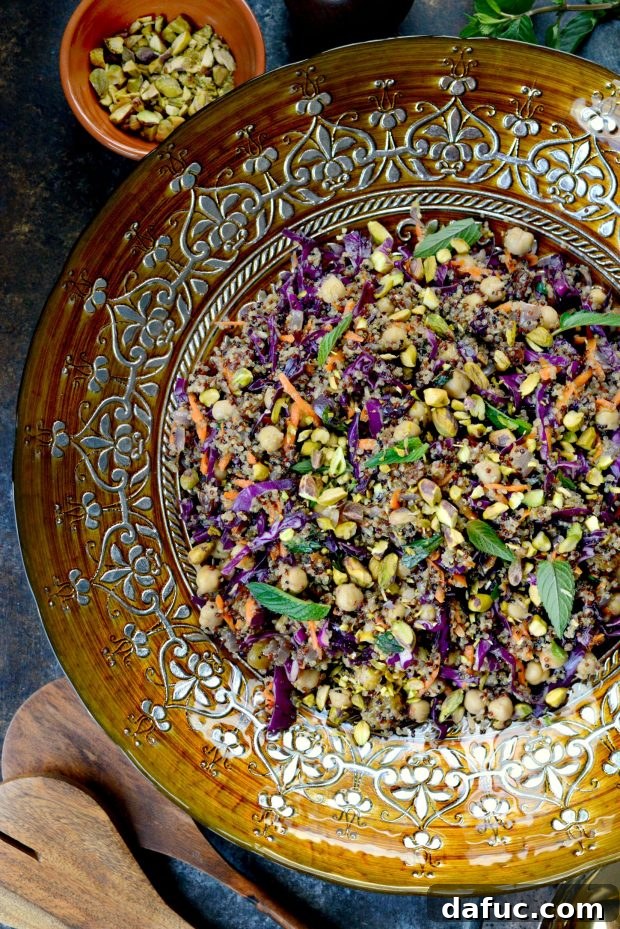
A Symphony of Flavors and Textures
What truly makes this Moroccan Quinoa Pilaf exceptional is its incredible interplay of textures and flavors. You’ll love the satisfying crunch from both the thinly sliced purple cabbage and the coarsely chopped pistachios, providing a delightful contrast to the soft, fluffy quinoa. The plump raisins contribute bursts of juicy sweetness, perfectly balancing the savory and spicy notes. And of course, the star – Ras el Hanout – infuses every spoonful with its absolutely amazing, complex flavor profile, delivering a warming punch to your taste buds, often followed by a subtle, pleasing kick at the back of your throat, thanks to a touch of cayenne often found in the blend. The fresh mint brightens the entire dish, adding a cooling herbaceous counterpoint to the warm spices.
This dish is not only delicious and incredibly healthful, packed with protein from the quinoa and chickpeas, fiber from the vegetables, and beneficial fats from the olive oil and pistachios, but it’s also a feast for the eyes with its vibrant colors. It truly embodies the spirit of nourishing your body with delightful food.
Enjoy!
My cookbook Simply Scratch : 120 Wholesome Homemade Recipes Made Easy is now available! CLICK HERE for details and THANK YOU in advance!
Print Recipe
Yield: 6 servings
Moroccan Quinoa Pilaf
Rainbow quinoa is cooked with onions, garlic and raisins in broth before being tossed with purple cabbage, carrots and garbanzo beans. It’s a gorgeous and healthful meatless main or side dish.
Prep Time: 15 minutes
Cook Time: 30 minutes
Total Time: 45 minutes
Ingredients
- 2 tablespoons unsalted butter
- 1 tablespoon olive oil
- 1 cup diced red onion
- 2 to 3 cloves fresh garlic, minced
- kosher salt (to taste)
- 1/2 cup raisins
- 1 tablespoon Ras el Hanout, Moroccan Spice Blend
- 1 cup low-sodium chicken broth (or vegetable broth)
- 3/4 cup water
- 1 cup quinoa, rinsed and drained
- 2 cups thinly sliced purple cabbage
- 1 cup grated carrots, about 3 small-medium carrots
- 1 (15 ounce) can chickpeas, drained and rinsed
- 3 sprigs fresh mint, torn by hand
- 1/3 cup coarsely chopped pistachios (for garnish)
Instructions
- Melt 2 tablespoons of butter plus 1 tablespoon oil in a medium saucepan over medium to medium-low heat. Add onions, garlic and a pinch of salt and sauté until soft and tender, about 4 to 5 minutes.
- Increase the heat to high and add in the raisins and Ras el Hanout. Pour in the water and chicken broth, and add in the rinsed quinoa. Bring to a boil, cover and reduce heat to low. Simmer the quinoa for 12 minutes. Remove the pan from the heat and let stand (covered) for 5 minutes before fluffing with a fork.
- Add the warm quinoa (and any liquids leftover in the pan) to a large bowl. Add in the cabbage, carrots, chickpeas, and tear the fresh mint leaves. Toss the ingredients together, taste and season with more kosher salt if desired.
- Transfer the warm pilaf to a serving dish, sprinkle with chopped pistachios and extra mint leaves and serve immediately.
Nutrition Information (per serving, approximate)
Serving: 1g,
Calories: 272kcal,
Carbohydrates: 38g,
Protein: 8g,
Fat: 11g,
Saturated Fat: 3g,
Polyunsaturated Fat: 2g,
Monounsaturated Fat: 5g,
Trans Fat: 1g,
Cholesterol: 10mg,
Sodium: 43mg,
Potassium: 560mg,
Fiber: 6g,
Sugar: 4g,
Vitamin A: 4069IU,
Vitamin C: 21mg,
Calcium: 71mg,
Iron: 3mg
Author: Laurie McNamara
Course: Salads, Main Course, Side Dish
Cuisine: Moroccan, Mediterranean
Recipe lovingly adapted from taste.com.au