
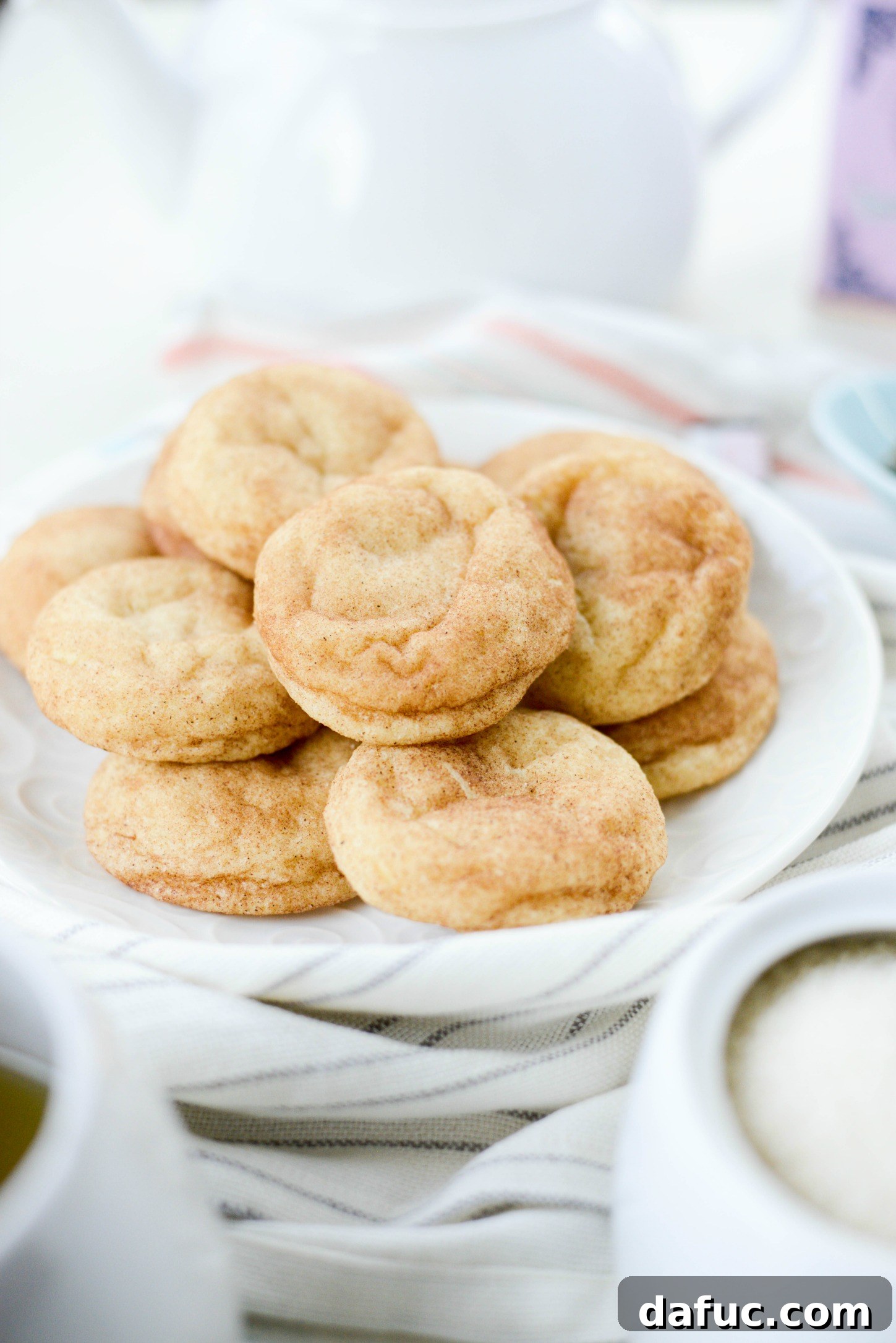
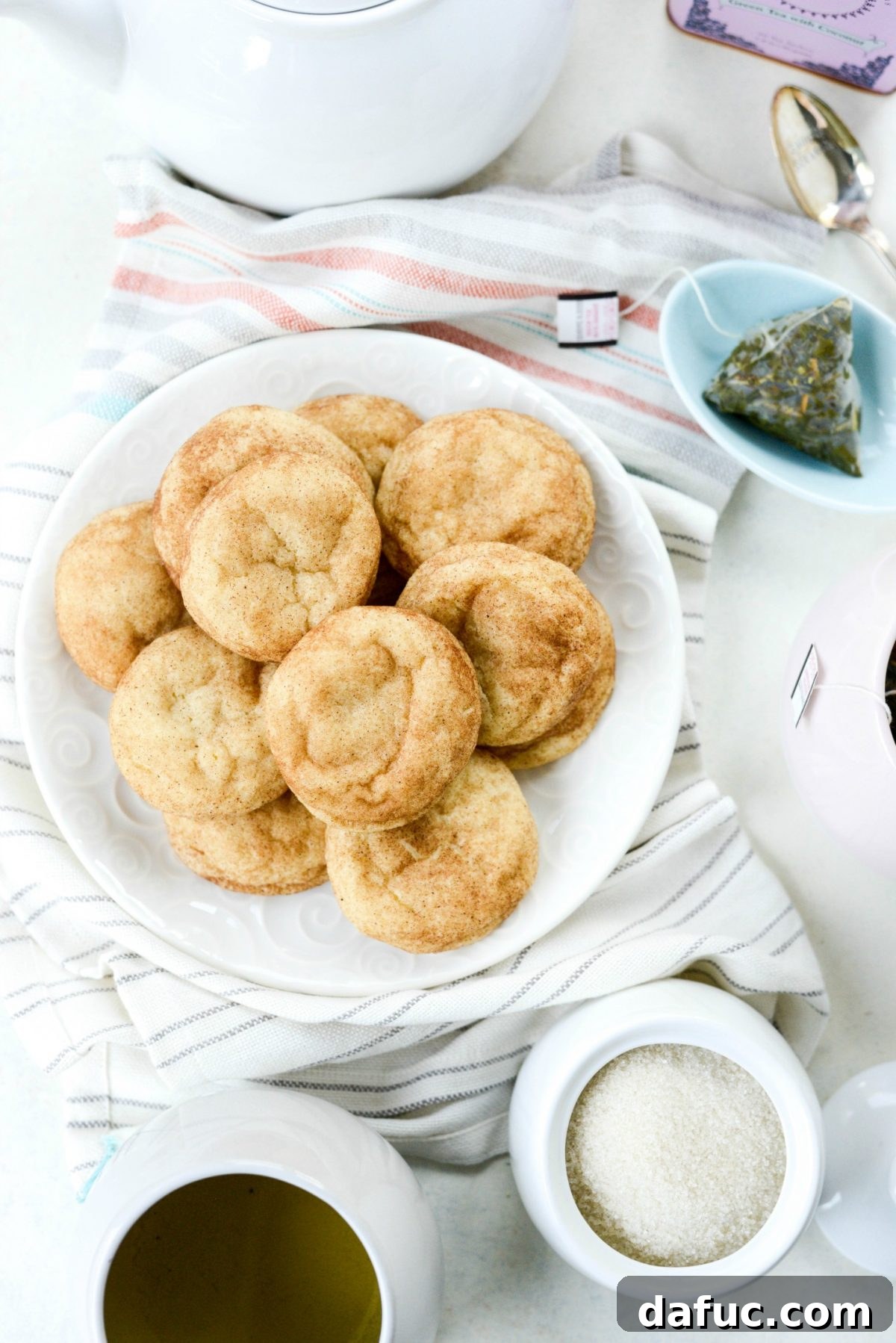
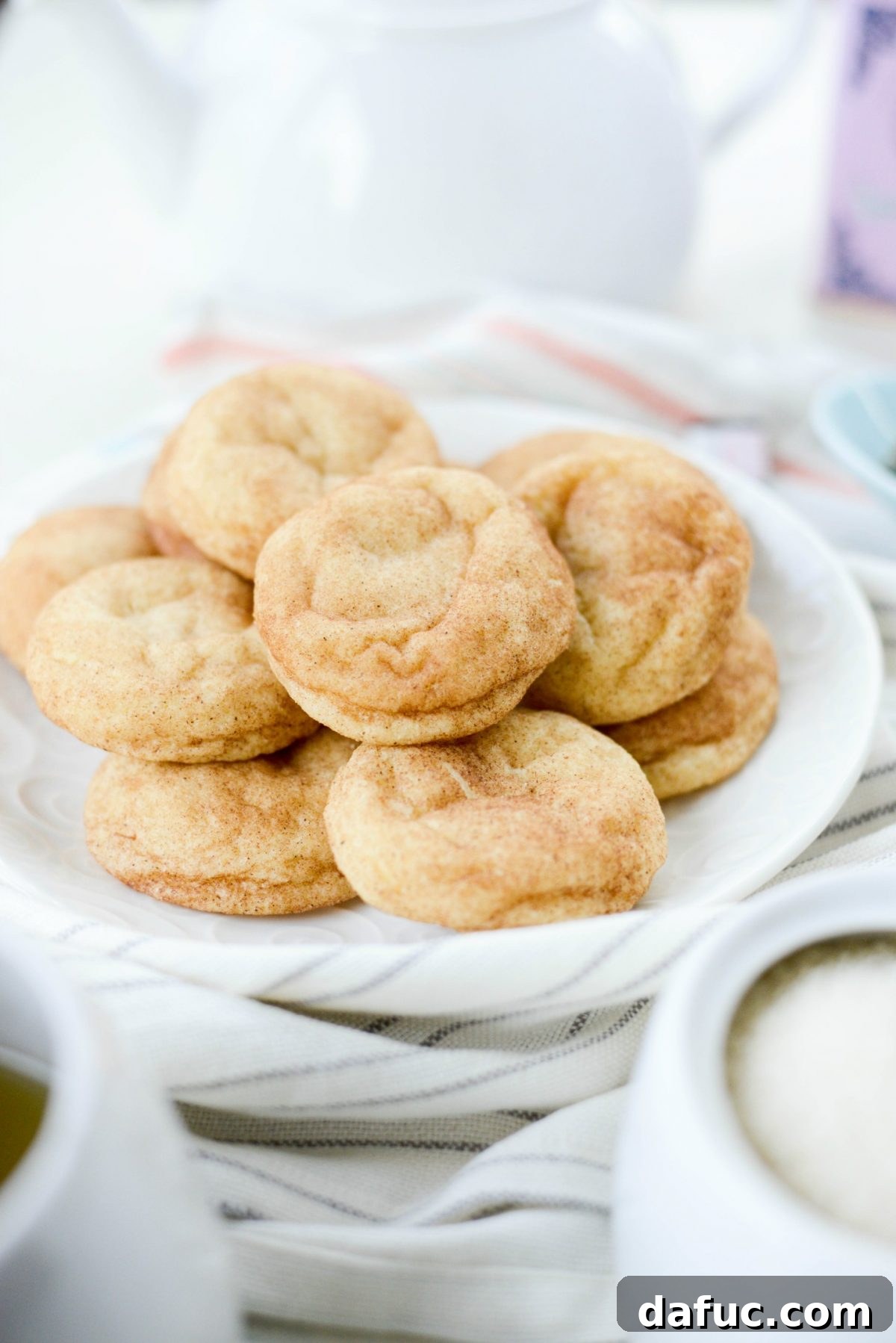
Welcome to the ultimate guide for crafting the BEST Classic Snickerdoodles you’ll ever taste! These tender butter cookies, generously coated in a shimmering blanket of cinnamon sugar, are famous for their irresistible combination of crisp, sugary edges and luxuriously soft, chewy middles. A timeless American classic, the Snickerdoodle offers a comforting warmth with every bite, making it a perfect treat for any occasion, from cozy afternoons with tea to festive holiday gatherings.
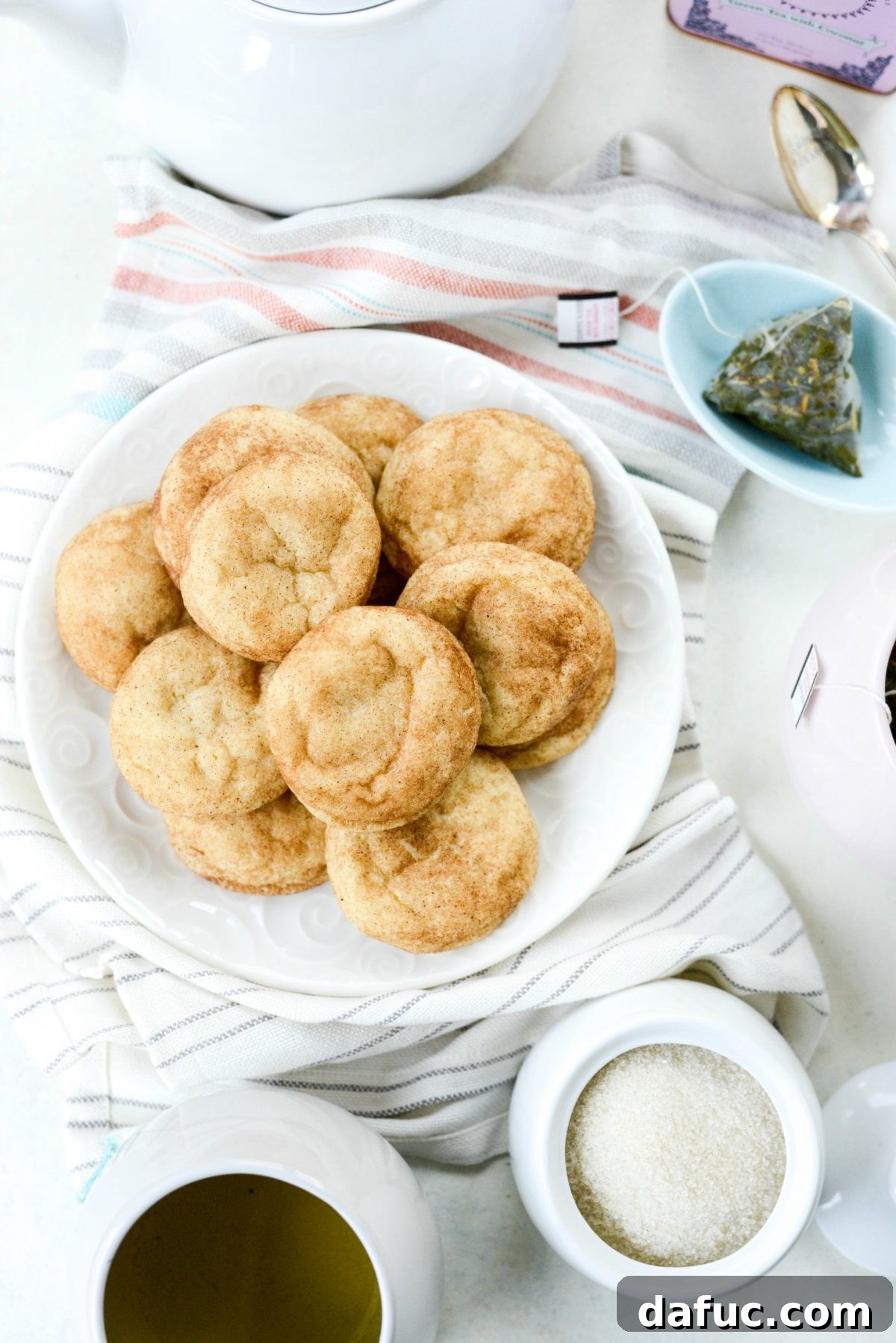
The Enduring Charm of Snickerdoodle Cookies
Snickerdoodles hold a special place in my heart, marking the very beginning of my culinary journey. I vividly recall learning to bake these delightful cookies during my early teenage years in ‘Home Economics’ – a class now more formally known as “Food Science and Nutrition” in my daughter’s school curriculum. Home Ec was more than just cooking; it was a foundational experience where I learned practical life skills like sewing a button, crafting a pincushion, and, most importantly, mastering the art of the perfect soft pretzel and the quintessential Snickerdoodle.
It’s fascinating to see how education evolves. While my generation learned a broader range of domestic skills in one class, today’s students delve deeper, exploring the science behind culinary creations like soups, stir-fries, vinaigrettes, and croutons, with dedicated courses for practical skills. There’s even an “Advanced Food Science and Nutrition” class – a testament to the growing interest and complexity in culinary arts. High school classes certainly seem more engaging these days, though no amount of money could convince me to relive those years!
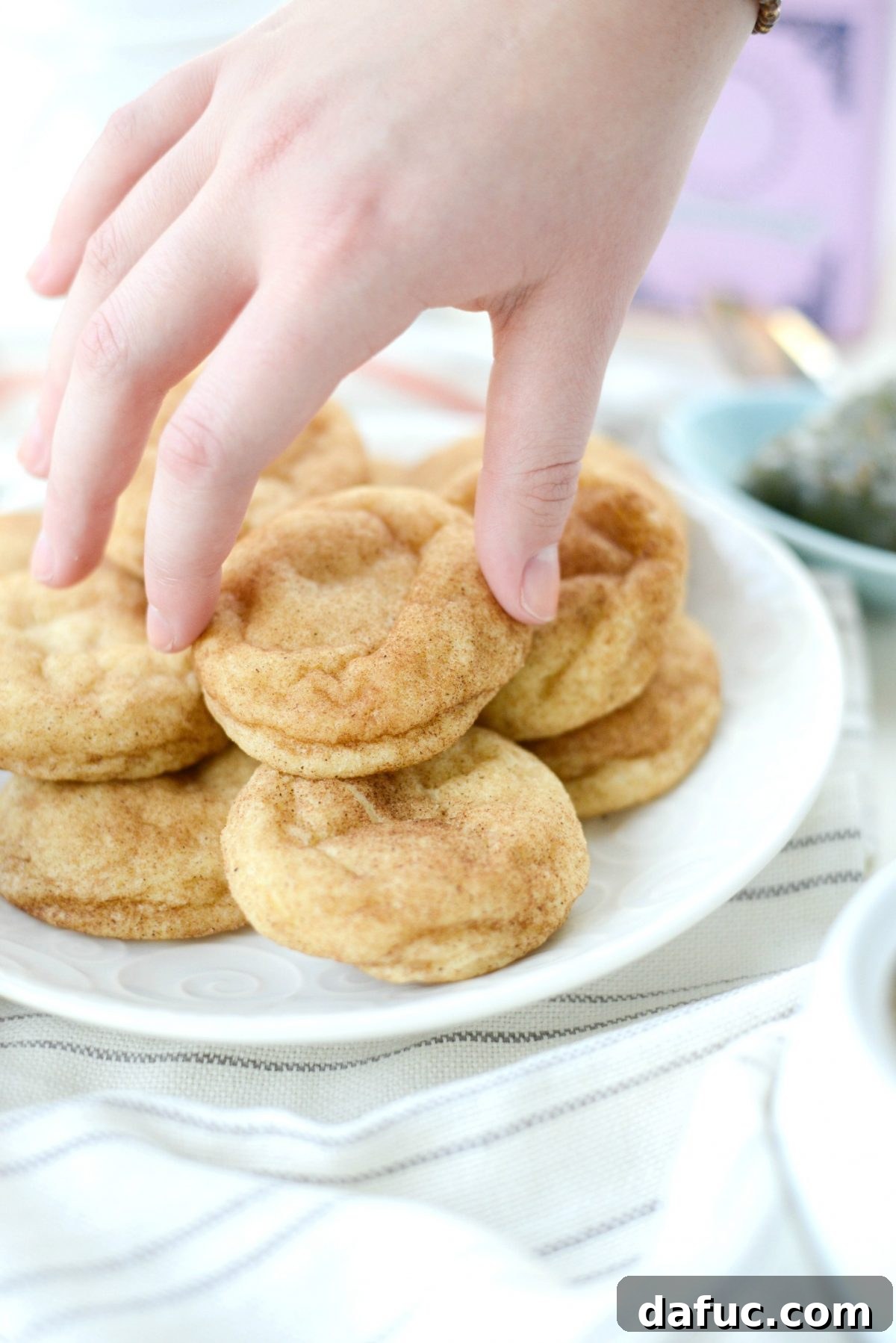
Why These Snickerdoodles Are The Best
Beyond nostalgia, this Snickerdoodle recipe consistently delivers perfection. What makes it stand out?
- Unmatched Texture: Experience that signature Snickerdoodle crispness on the outside, giving way to an incredibly soft and pillowy interior that practically melts in your mouth.
- Rich Buttery Flavor: Made with real butter, these cookies boast a deep, satisfying flavor that forms the perfect canvas for the vibrant cinnamon sugar.
- Perfect Cinnamon-Sugar Ratio: The ideal blend of cinnamon and sugar creates a delightful spice and sweetness balance, without overpowering the delicate cookie base.
- Easy to Make: With straightforward instructions and common pantry ingredients, this recipe is accessible for bakers of all skill levels, ensuring success every time.
- Crowd-Pleaser: From casual gatherings to holiday feasts, Snickerdoodles are universally loved. They disappear fast, so be prepared to bake extra batches!
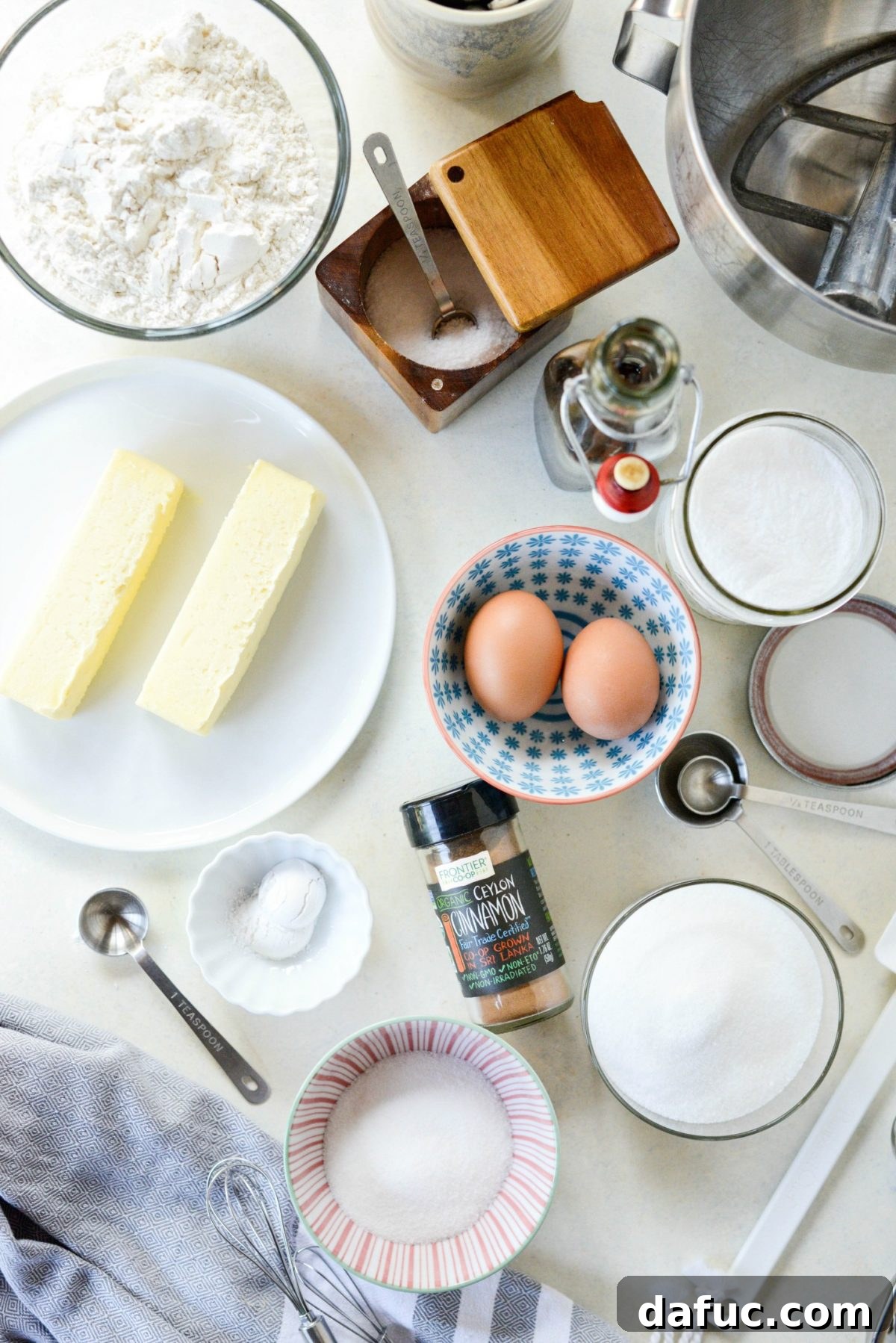
Essential Ingredients for Classic Snickerdoodles
Creating these iconic cookies requires a few key components. Here’s what you’ll need to gather:
- Softened unsalted butter
- Granulated sugar
- Large eggs
- Vanilla extract
- All-purpose flour
- Kosher salt
- Baking soda
- Cream of tartar
- Cinnamon for the coating
Understanding Cream of Tartar: The Snickerdoodle Secret
One ingredient often overlooked, but absolutely crucial to the distinct character of a Snickerdoodle, is cream of tartar. It’s truly fascinating stuff!
Cream of tartar, chemically known as potassium bitartrate, is an acidic salt. Its origin story is quite surprising: it’s a byproduct of winemaking! When wine ferments, tartaric acid naturally present in grapes forms crystals that precipitate out of the liquid and adhere to the inside of wine barrels. This residue is then collected, purified, and processed into the white powder we know as cream of tartar.
But how did someone ever think to put a winemaking byproduct into cookies? That’s a question I’m determined to Google one day! Regardless of its discovery, cream of tartar plays a vital role in Snickerdoodles. It reacts with the baking soda to give the cookies their characteristic tangy flavor and contributes significantly to their wonderfully chewy texture and slight puffiness, preventing them from spreading too thin. Without it, you’d end up with a delicious cinnamon sugar cookie, but not a true Snickerdoodle. It’s also famous for stabilizing egg whites in meringues, allowing them to achieve impressive volume and firmness.
Baking Perfect Classic Snickerdoodles: A Step-by-Step Guide
Let’s get baking! Follow these detailed steps to achieve Snickerdoodle perfection.
Step 1: Preheat Your Oven and Prepare Your Baking Sheets
First, preheat your oven to 325℉ (or 160℃). This slightly lower temperature helps the cookies bake evenly without over-browning, ensuring those coveted soft centers. Line a rimmed metal baking sheet with a silicone baking mat. As noted in my baking tips below, silicone mats are key to achieving the ideal “lofty” Snickerdoodle texture.
Step 2: Cream Butter and Sugar
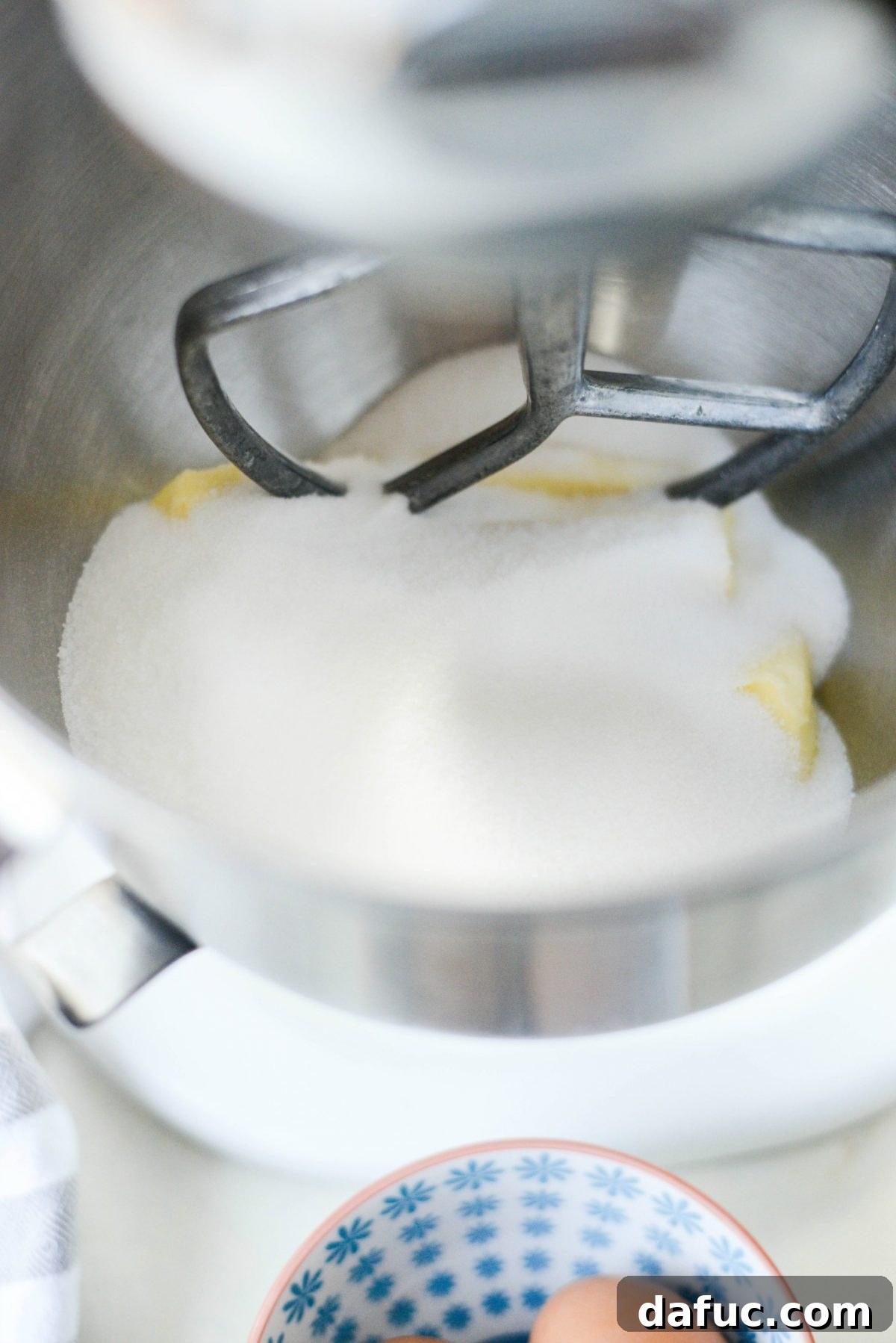
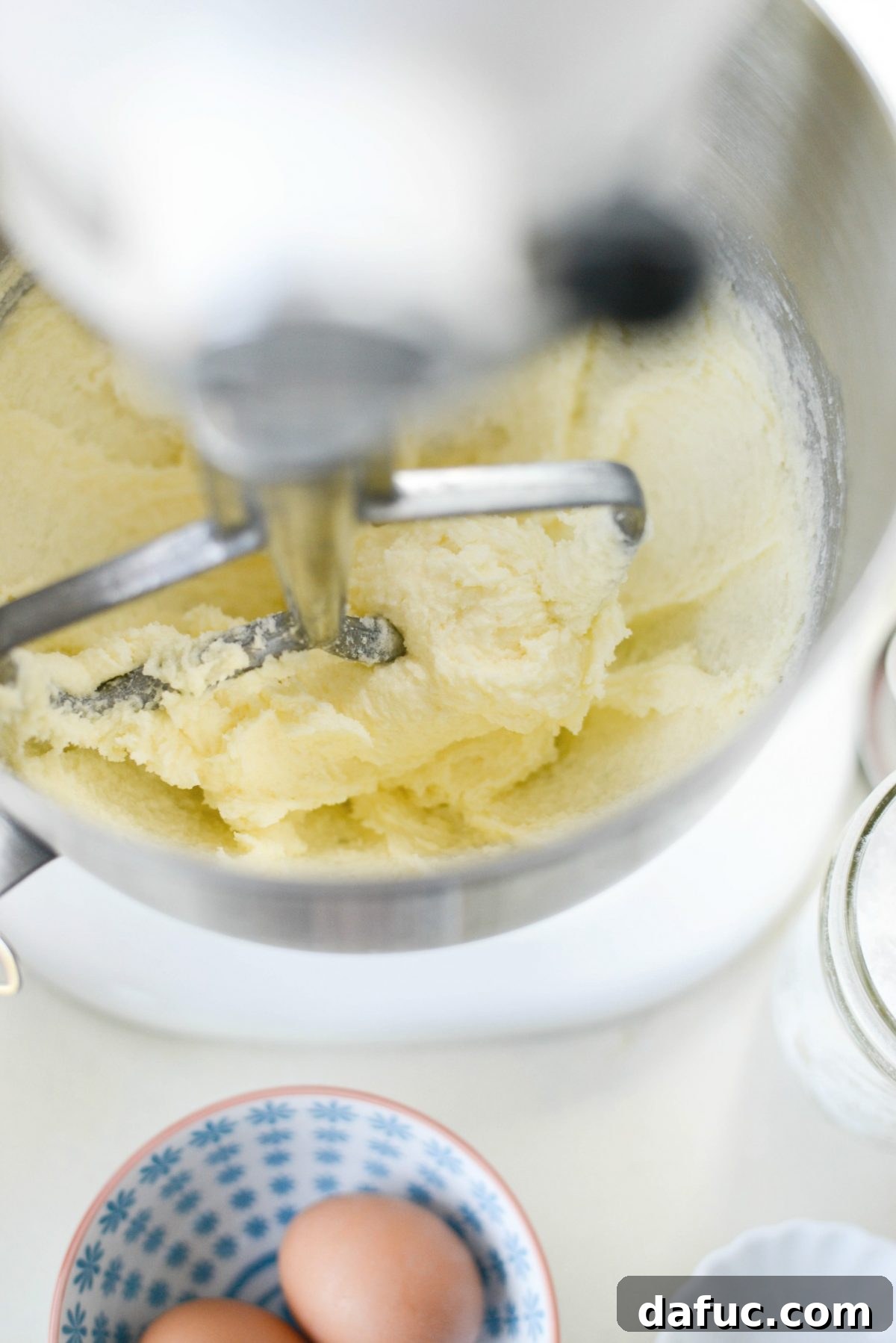
In the bowl of your stand mixer, fitted with the paddle attachment, combine two sticks (1 cup) of softened unsalted butter and 1-1/4 cups of granulated sugar. Cream these ingredients together on low speed for about 2 minutes, until the mixture is light, fluffy, and pale in color. Proper creaming incorporates air, which contributes to the cookies’ final texture.
Step 3: Add Eggs and Vanilla
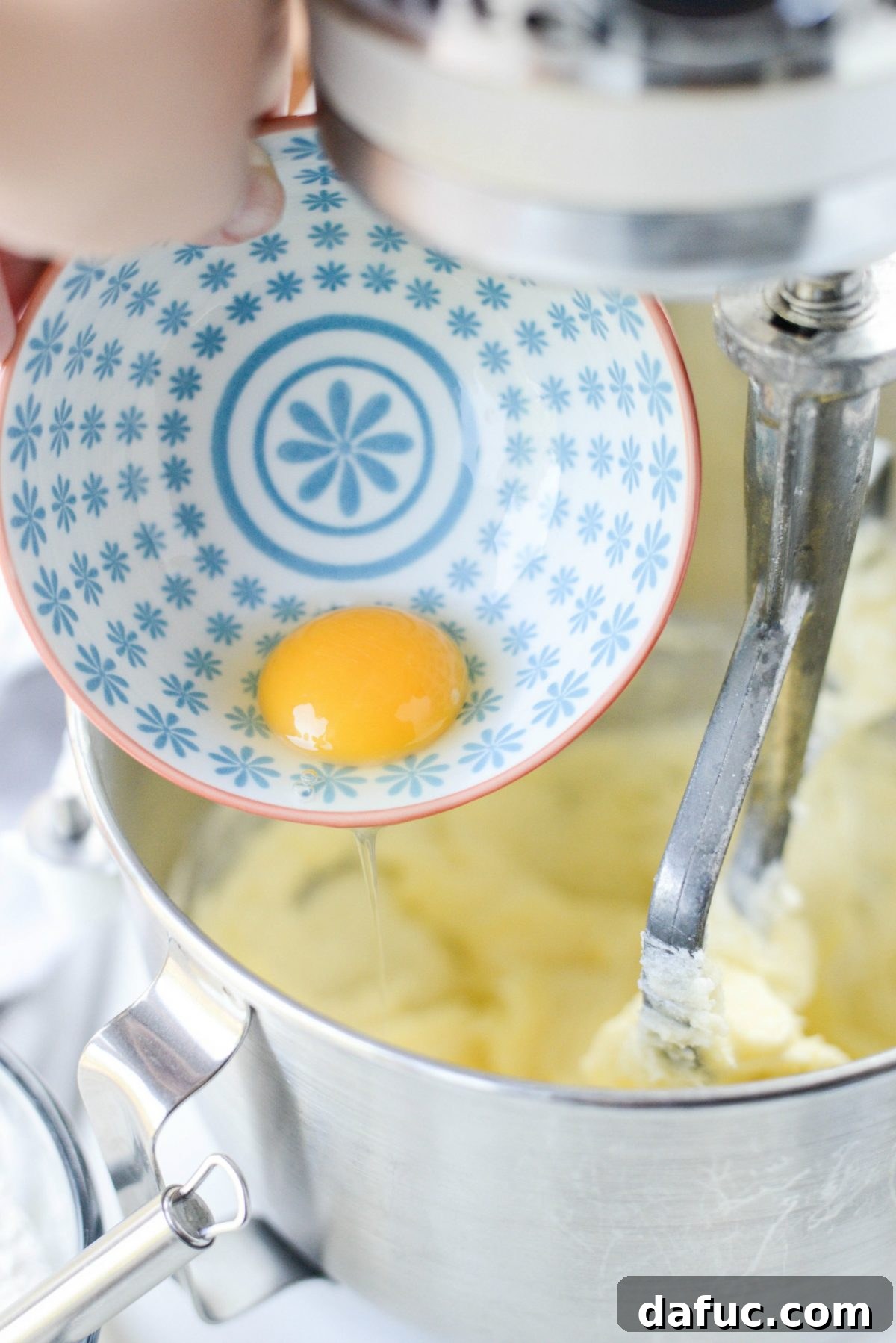
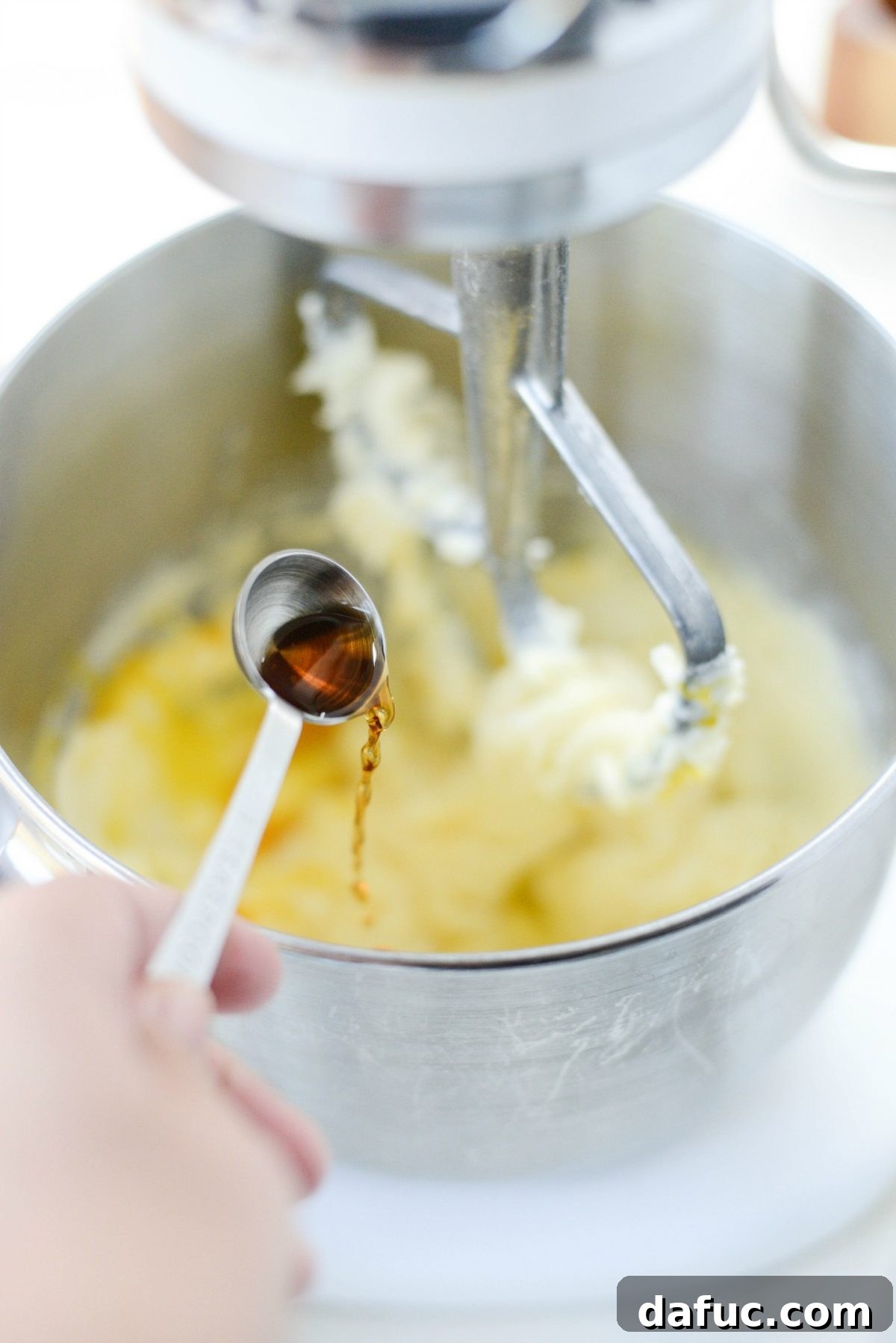
Crack in one large egg at a time, mixing well after each addition until fully combined. This ensures the eggs are evenly incorporated into the butter-sugar mixture. Once both eggs are mixed in, measure and add 2 teaspoons of vanilla extract, mixing just until fragrant.
Step 4: Combine Dry Ingredients
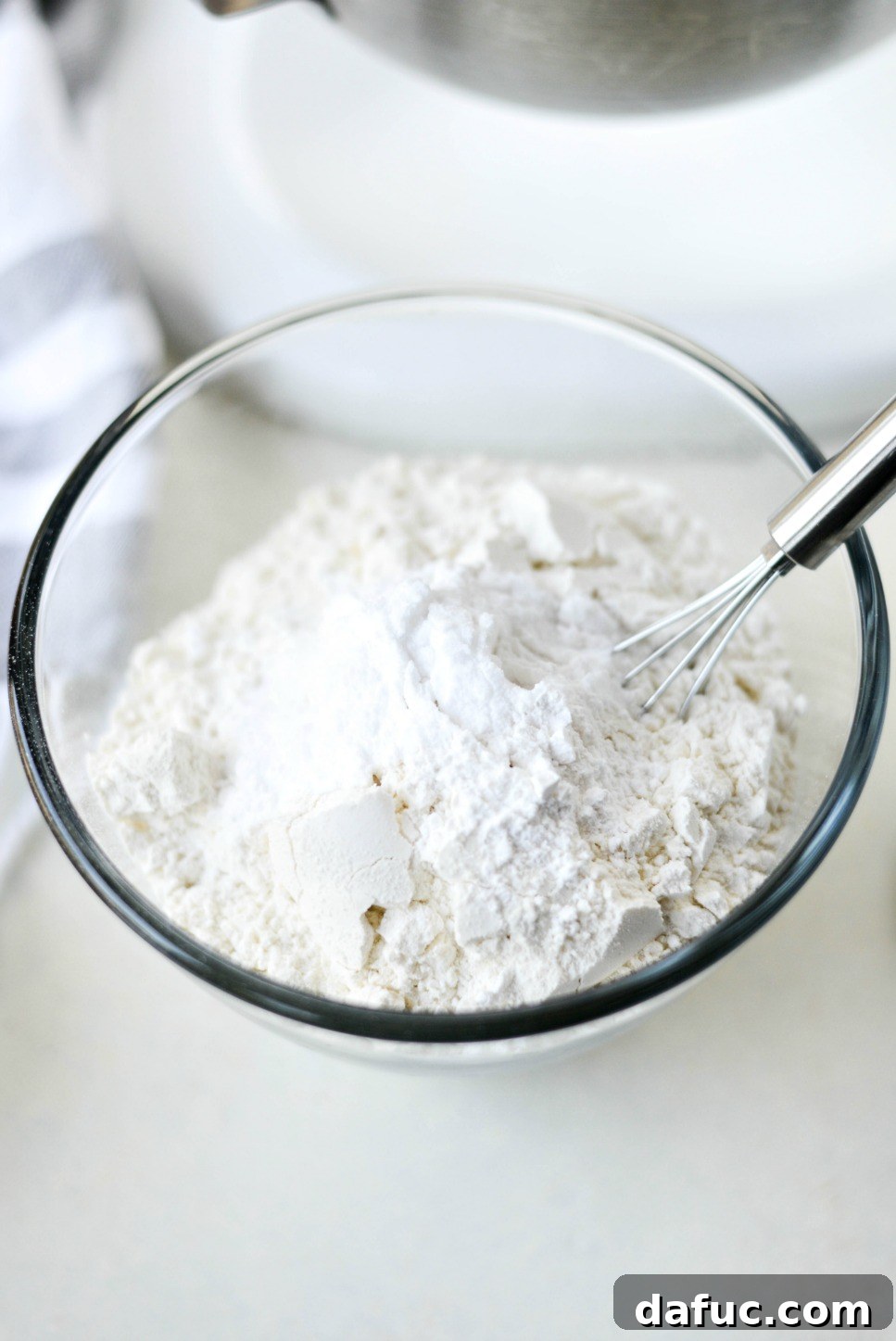
In a separate medium-sized bowl, whisk together the dry ingredients: 2-3/4 cups of all-purpose flour, 2 teaspoons of cream of tartar, 1 teaspoon of baking soda, and 1/4 teaspoon of kosher salt. Ensuring these are well-mixed prevents pockets of leavening agents in your cookies.
Step 5: Gradually Add Dry to Wet Ingredients
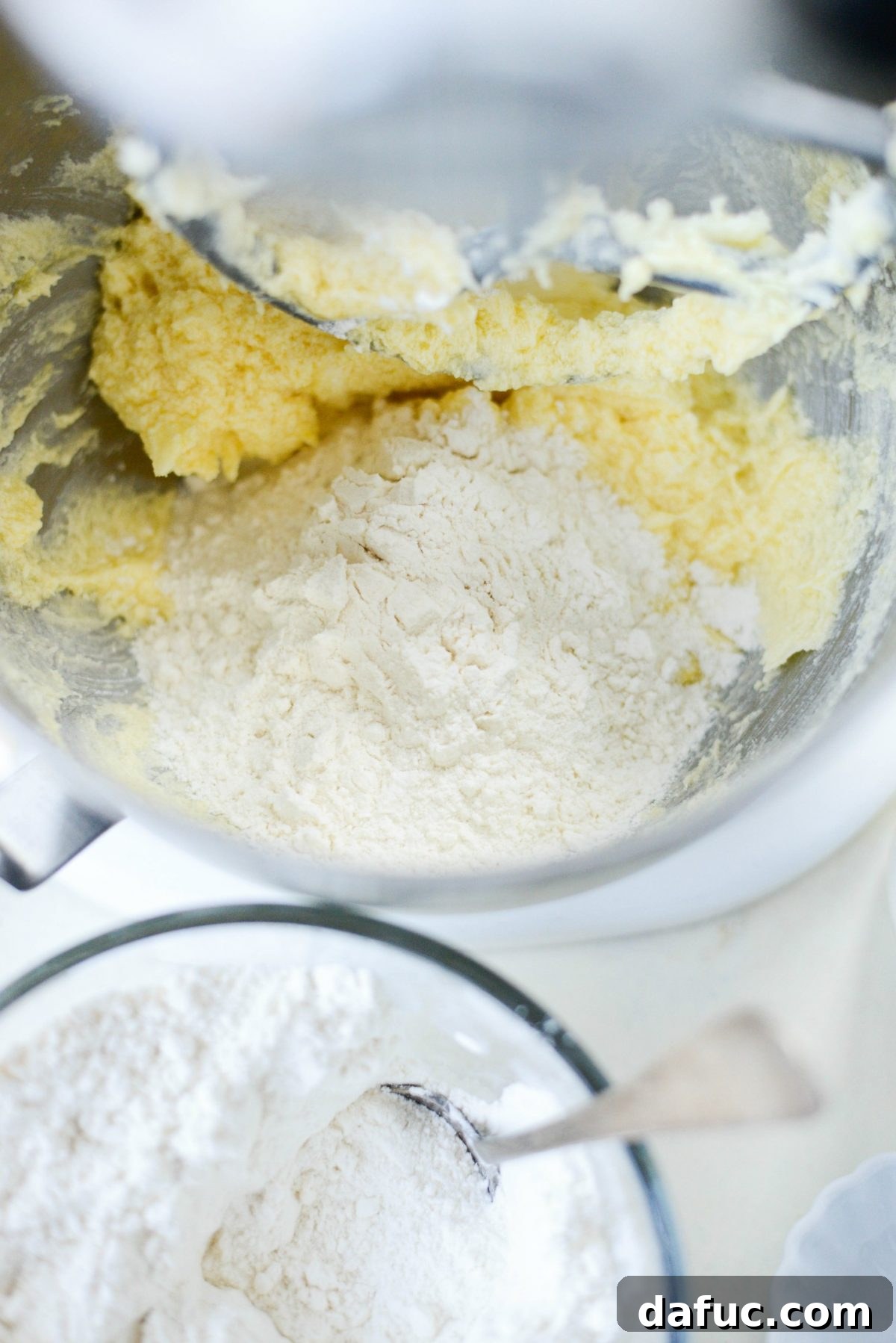
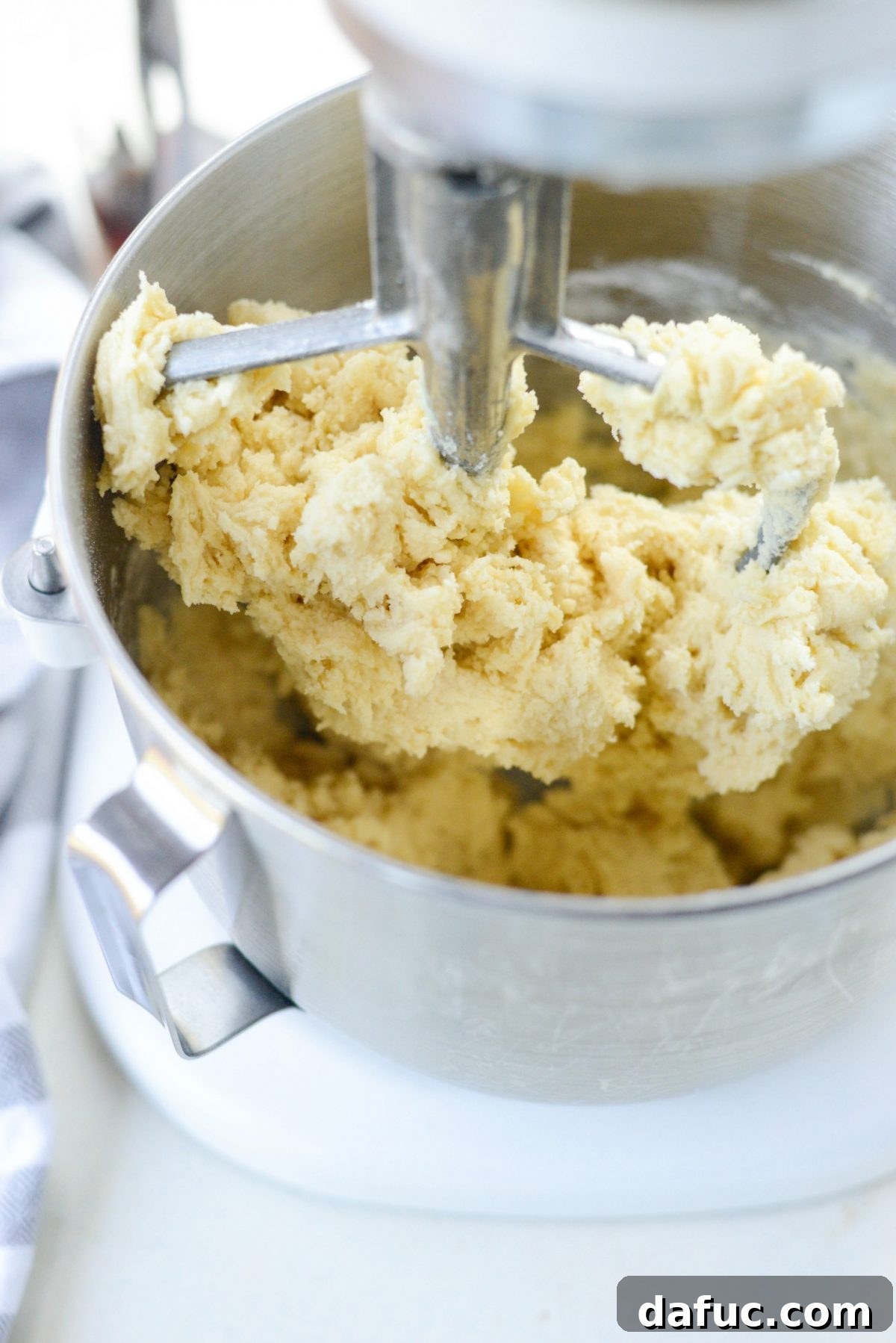
With the mixer on low speed, gradually add the combined dry ingredients to the butter and sugar mixture. Mix only until just incorporated, being careful not to overmix. Overmixing can develop the gluten in the flour too much, leading to tougher cookies. The dough should come together as a soft, pliable consistency.
Step 6: Prepare Cinnamon Sugar Coating
In a shallow bowl, combine 1/4 cup of granulated sugar and 1 heaping tablespoon of ground cinnamon. Stir well to create your fragrant cinnamon-sugar coating. This ratio provides the perfect balance of spice and sweetness.
Step 7: Scoop, Roll, and Coat
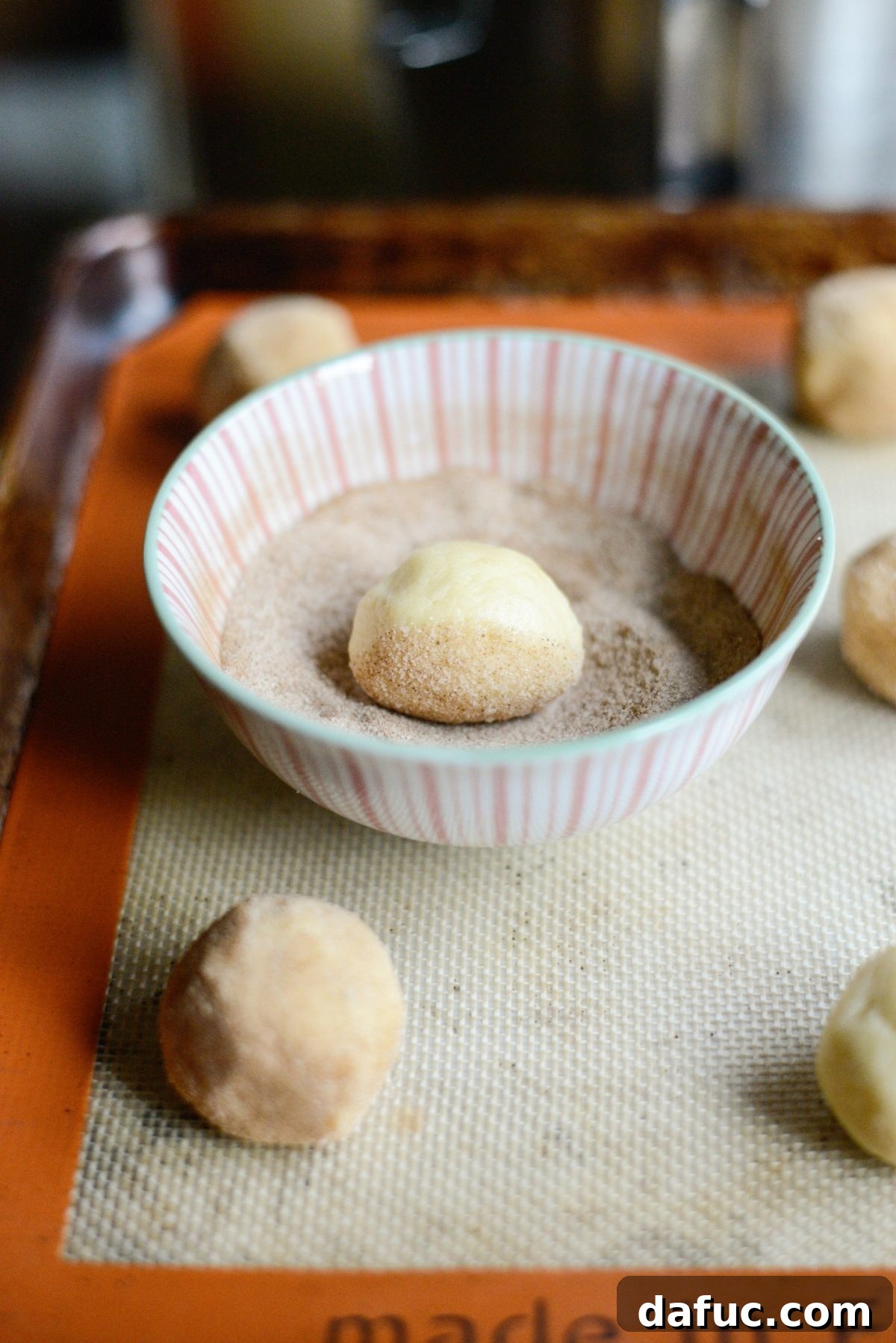
Use a 1-1/2 tablespoon cookie scoop to portion out the dough. Roll each portion between your palms to form a smooth ball. This step ensures even baking and a beautiful, uniform shape. Place the dough ball into the bowl with the cinnamon sugar. Sprinkle extra cinnamon sugar over the top while gently rolling the cookie dough to ensure it’s thoroughly coated on all sides. I’ve found this method helps the cinnamon sugar adhere better to the dough.
Step 8: Bake the Cookies
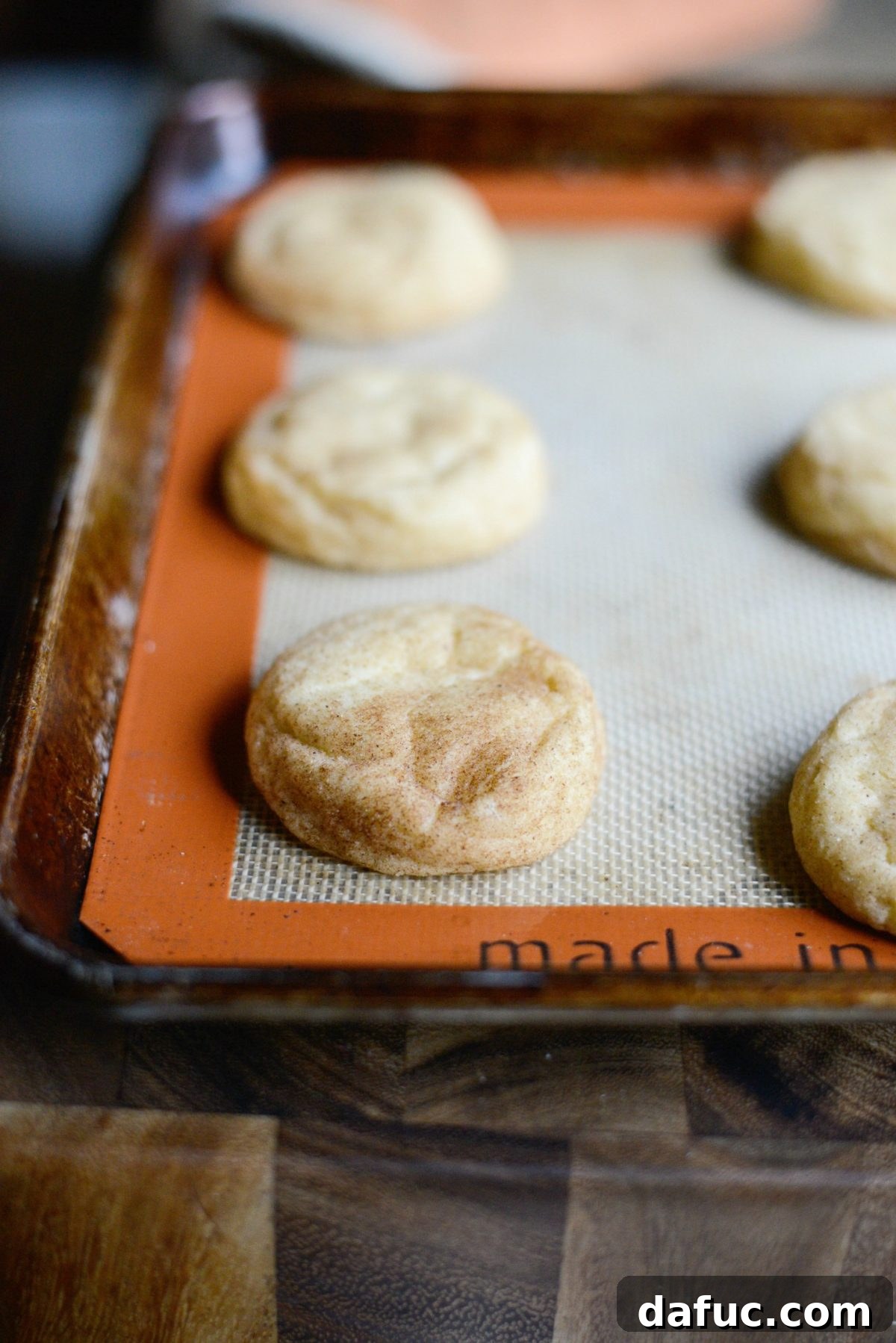
Place the cinnamon-sugar-rolled cookie dough balls onto your silicone-lined baking sheet, leaving about 2 inches between each cookie. Bake on the middle rack of your preheated oven for 10 to 12 minutes. For super soft Snickerdoodles, I recommend baking for exactly 10 minutes. The cookies will look slightly underbaked in the center but will set as they cool, ensuring maximum chewiness.
Silicone vs. Parchment Paper: A Baking Sheet Showdown
Through extensive testing, I’ve discovered a noticeable difference when baking Snickerdoodles on silicone mats versus parchment-lined metal sheets. A batch baked on parchment paper came out thinner and less “lofty,” lacking that signature puffy Snickerdoodle appearance. While they tasted just as good, the visual appeal and satisfying chew were enhanced by using a silicone mat. The silicone provides a slightly insulated, non-stick surface that encourages even heat distribution and a thicker, chewier cookie.
Step 9: Cool and Enjoy
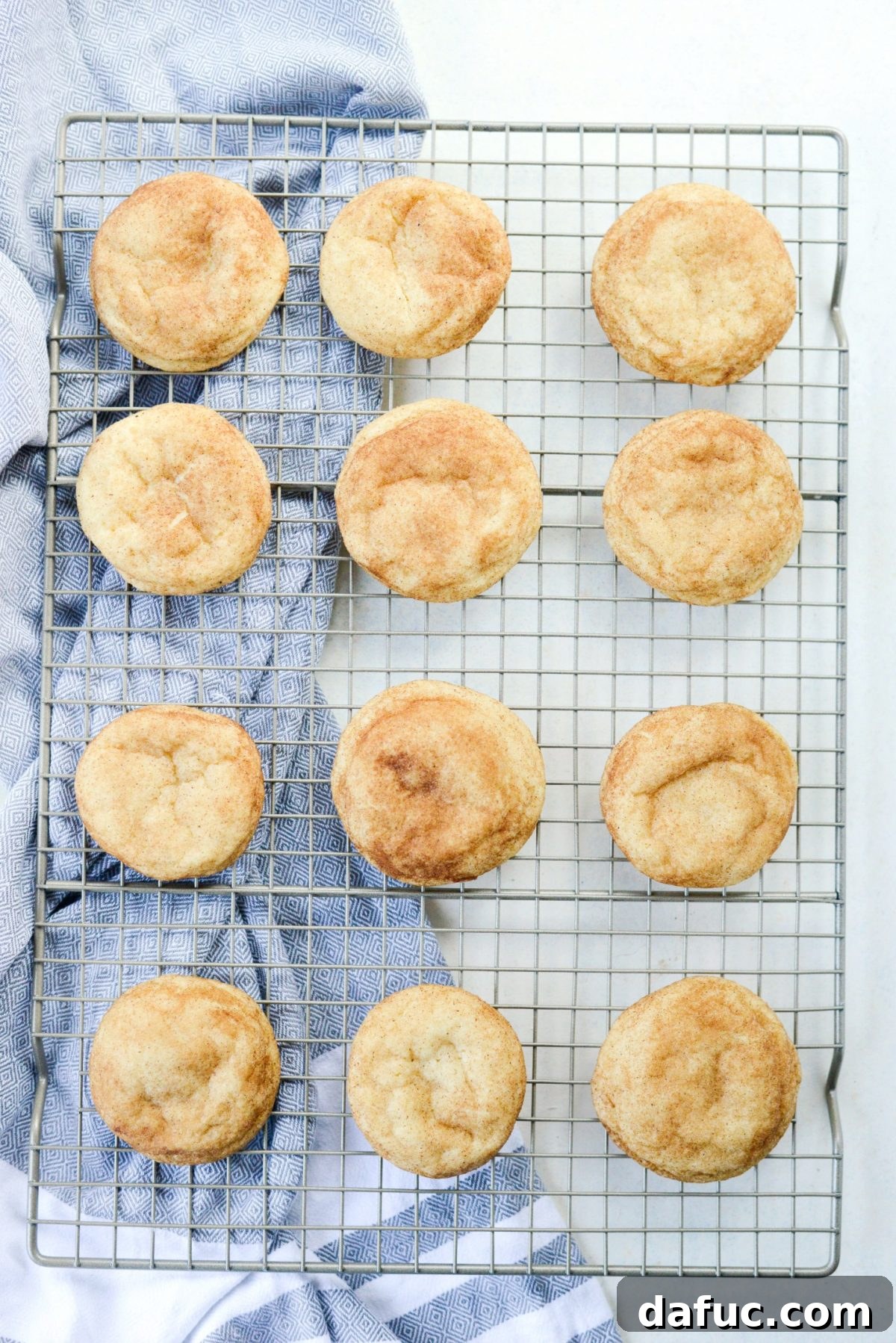
Allow the cookies to cool on the baking sheet for a few minutes before carefully transferring them to a wire rack to cool completely. This crucial step helps them firm up and prevents them from breaking apart. Once cooled, they are ready to be devoured!
Tips for Snickerdoodle Success
- Room Temperature Ingredients: Ensure your butter and eggs are at room temperature. This allows them to cream together smoothly and incorporate air more effectively, leading to a lighter, more consistent dough.
- Don’t Overmix: After adding the flour mixture, mix only until just combined. Overmixing develops gluten, which can make your cookies tough instead of tender.
- Measure Flour Correctly: Use the spoon-and-level method for measuring flour. Spoon flour into your measuring cup and then level it off with a straight edge. Scooping directly from the bag can compact the flour, leading to too much flour and dry cookies.
- Chill if Dough is Too Soft: If your kitchen is warm and the dough feels too soft to roll, pop it into the refrigerator for 15-30 minutes.
- Even Cookie Balls: Using a cookie scoop helps ensure uniform cookie size, which promotes even baking.
- Don’t Overbake: Snickerdoodles are best when slightly underbaked, maintaining their chewiness. They may look soft in the center when you take them out, but they will continue to bake slightly on the hot pan and firm up as they cool.
Storing Your Snickerdoodles
These cookies are best enjoyed fresh, but they also store well:
- At Room Temperature: Store baked Snickerdoodles in an airtight container at room temperature for up to 3-4 days. For optimal freshness, place a slice of bread in the container to help keep them soft.
- Freezing Baked Cookies: Allow cookies to cool completely, then place them in a freezer-safe airtight container or bag. They can be frozen for up to 2-3 months. Thaw at room temperature before serving.
- Freezing Cookie Dough: Roll the dough balls in cinnamon sugar, then flash freeze them on a baking sheet until solid. Transfer to a freezer-safe bag and freeze for up to 3 months. Bake from frozen, adding a couple of extra minutes to the baking time.
Snickerdoodle Variations to Explore
While the classic is undeniably perfect, Snickerdoodles can also be adapted:
- Pumpkin Snickerdoodles: Add a touch of pumpkin puree and pumpkin pie spice to the dough for a fall-inspired twist.
- Chocolate Chip Snickerdoodles: Fold in some mini chocolate chips for a delightful combination of flavors.
- Lemon Snickerdoodles: Add lemon zest to the dough and a hint of lemon extract for a bright, citrusy cookie.
- Apple Cider Snickerdoodles: Reduce apple cider to a syrup and incorporate it into the dough, then coat in cinnamon sugar.
Frequently Asked Questions About Snickerdoodles
Q: What makes a Snickerdoodle different from a regular sugar cookie?
A: The key difference is cream of tartar, which gives Snickerdoodles their distinctive tangy flavor and chewy texture, along with a crispier exterior. Sugar cookies typically don’t contain cream of tartar and often have a flatter, snappier texture.
Q: Can I substitute baking powder for cream of tartar?
A: While baking powder contains cream of tartar, it’s not a direct substitute for the amount needed in Snickerdoodles. Substituting baking powder might result in a cookie that lacks the signature tang and chewy texture. For the best results, stick to cream of tartar.
Q: Why are my Snickerdoodles flat?
A: Several factors can cause flat cookies:
- Butter that’s too soft or melted.
- Overmixing the dough.
- Not chilling the dough (if your dough is very warm).
- Oven temperature being too high.
- Using parchment paper instead of a silicone mat (as discussed above).
Ensure your butter is softened but still cool to the touch, and follow the recipe steps carefully.
Q: Can I use brown sugar instead of granulated sugar?
A: While you can use brown sugar, it will significantly change the texture and flavor. Brown sugar contains molasses, which will make the cookies chewier and give them a caramel-like taste, moving away from the classic Snickerdoodle profile.
Q: How do I know when Snickerdoodles are done baking?
A: They should have slightly set edges and a soft, still slightly puffy center. They may not look fully golden brown, especially in the middle. Trust the timing; 10-12 minutes is usually perfect for soft, chewy centers.
It’s the weekend, and what better way to celebrate than with a few batches of these incredible Snickerdoodles? They pair perfectly with a warm cup of tea or coffee, and let’s be honest, the internet can always use another amazing Snickerdoodle recipe, right? Who doesn’t love these tender, buttery delights with their crisp, cinnamon-sugary edges? They are simply too good to resist!
Enjoy! And if you give this Classic Snickerdoodles recipe a try, please let me know! Snap a photo and tag me on Twitter or Instagram!

Print Recipe
Pin Recipe
Leave a Review »
Snickerdoodles
This Classic Snickerdoodles recipe is the BEST! Snickerdoodles are tender butter cookies coated in cinnamon sugar. Known for their crisp, sugary edges and soft chewy middles.
Ingredients
- 1 cup softened unsalted butter
- 1¼ cup granulated sugar
- 2 large eggs
- 2 teaspoons vanilla extract
- 2¾ cups unbleached all purpose flour
- 2 teaspoons cream of tartar
- 1 teaspoon baking soda
- 1/4 teaspoon kosher salt
CINNAMON SUGAR:
- 1/4 cup sugar
- 1 (heaping) tablespoon cinnamon
Equipment
- Nordic Ware Natural Aluminum Commercial Baker’s Half Sheet (2 Pack), Silver
- 2 silpat silicone baking mats
- KitchenAid KP26M1XWH 6 Qt. Professional 600 Series Bowl-Lift Stand Mixer – White
Instructions
- Preheat your oven to 325℉ (or 160℃).
- Line a rimmed, metal sheet pan with a silicone mat. (see notes)
- In the bowl of your mixer, fitted with a paddle attachment, cream together the butter and sugar until light and creamy. About 2 minutes.
- Add one egg at a time, mixing well after each one. Then add in the vanilla.
- Whisk together the flour, cream of tartar, baking soda and salt. Gradually add the flour mixture to the batter, mixing until just incorporated.
- Combine cinnamon and sugar in a bowl.
- Measure 1-1/2 tablespoons of cookie dough, roll into a ball and coat in the cinnamon sugar. Place the rolled cookie balls 2-inches apart, 12 per pan and bake for 10 to 12 minutes.
- Allow the cookies to cool on the pan for a few minutes before transferring to a wire rack to fully cool.
Notes
Why silicone? Well, I did bake a batch on a parchment lined metal baking sheet and they came out thinner and less “lofty”. They tasted the same, but didn’t have that signature snickerdoodle appearance.
Nutrition Information (per serving)
Serving: 1 cookie,
Calories: 83kcal,
Carbohydrates: 9g,
Protein: 1g,
Fat: 5g,
Saturated Fat: 3g,
Polyunsaturated Fat: 1g,
Monounsaturated Fat: 1g,
Trans Fat: 1g,
Cholesterol: 24mg,
Sodium: 51mg,
Potassium: 34mg,
Fiber: 1g,
Sugar: 8g,
Vitamin A: 173IU,
Vitamin C: 1mg,
Calcium: 3mg,
Iron: 1mg