
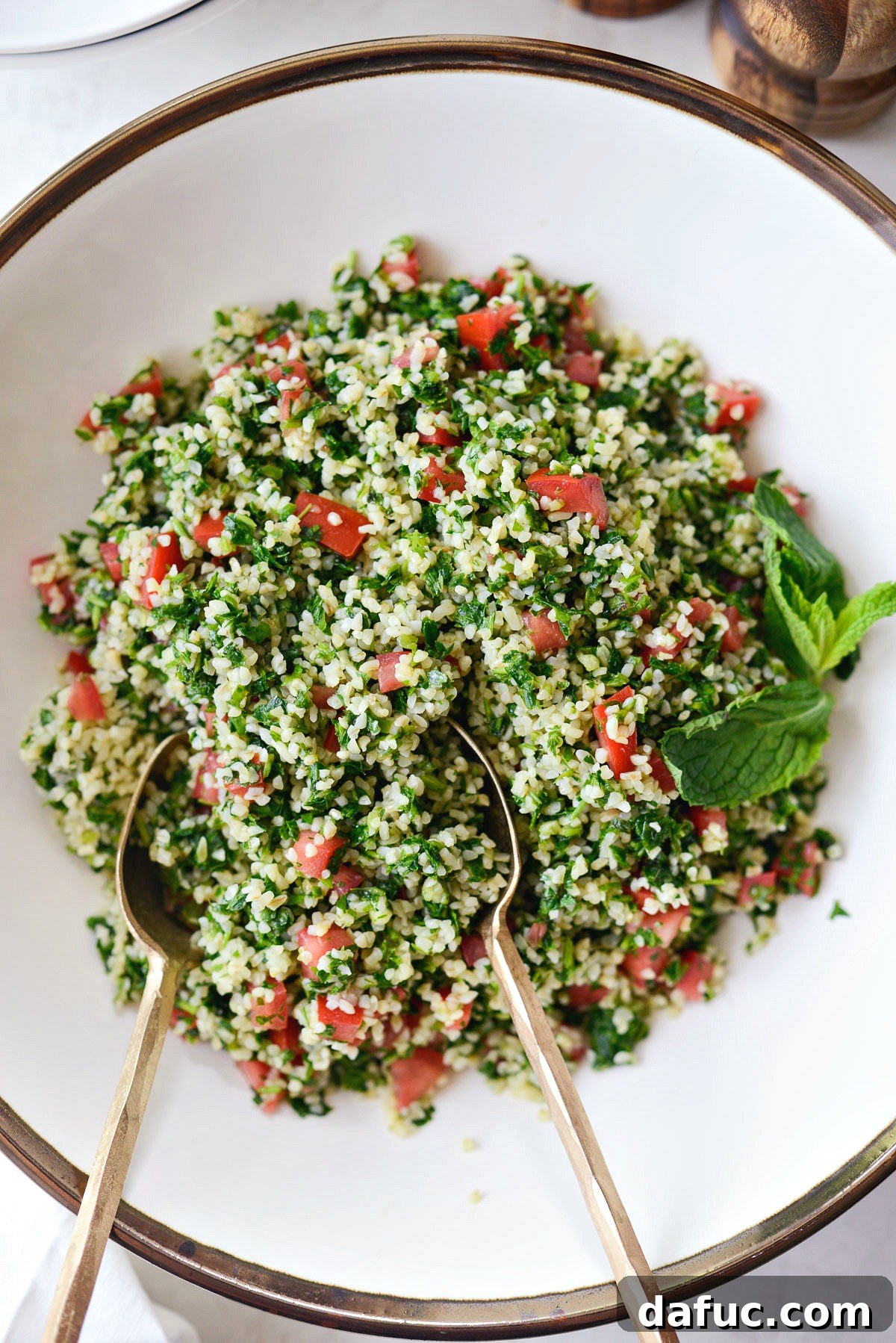
Authentic & Easy Homemade Tabbouleh Recipe: A Fresh Levantine Salad
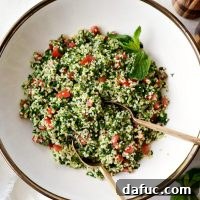
Delight your senses with this incredibly fresh and vibrant Homemade Tabbouleh recipe! A cornerstone of Levantine cuisine, this vegetarian salad is a celebration of finely minced herbs, wholesome grains, and zesty citrus. Picture a medley of lush parsley, aromatic mint, and crisp green onions, perfectly balanced with tender bulgur wheat, juicy tomatoes, and a generous dressing of bright lemon juice and rich olive oil. It’s more than just a salad; it’s an experience in wholesome, refreshing flavor.
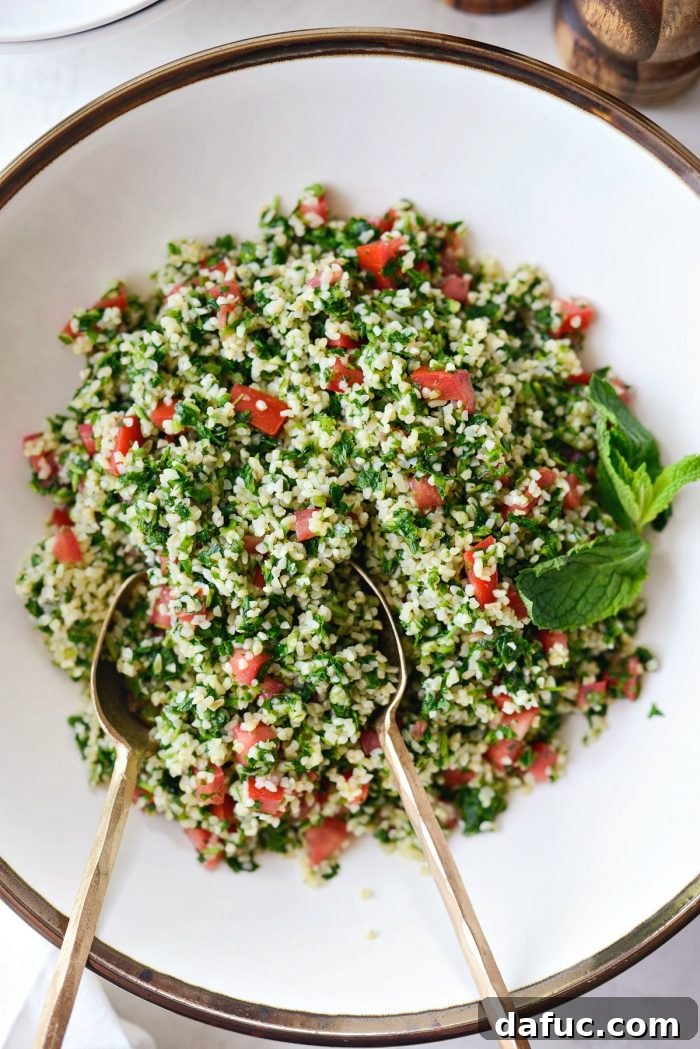
Embrace the Freshness: What is Tabbouleh?
For those unfamiliar, tabbouleh (or tabouleh) is a classic Middle Eastern salad, cherished for its invigorating taste and healthful properties. Traditionally, it features a generous amount of finely chopped fresh parsley, complemented by mint, bulgur (a type of cracked wheat), green onions, and tomatoes. The entire mixture is then dressed simply with olive oil and lemon juice, creating a symphony of textures and flavors that is both light and satisfying. While often served as part of a larger mezze platter, its versatility allows it to shine as a side dish, a light lunch, or even a flavorful component in wraps and bowls.
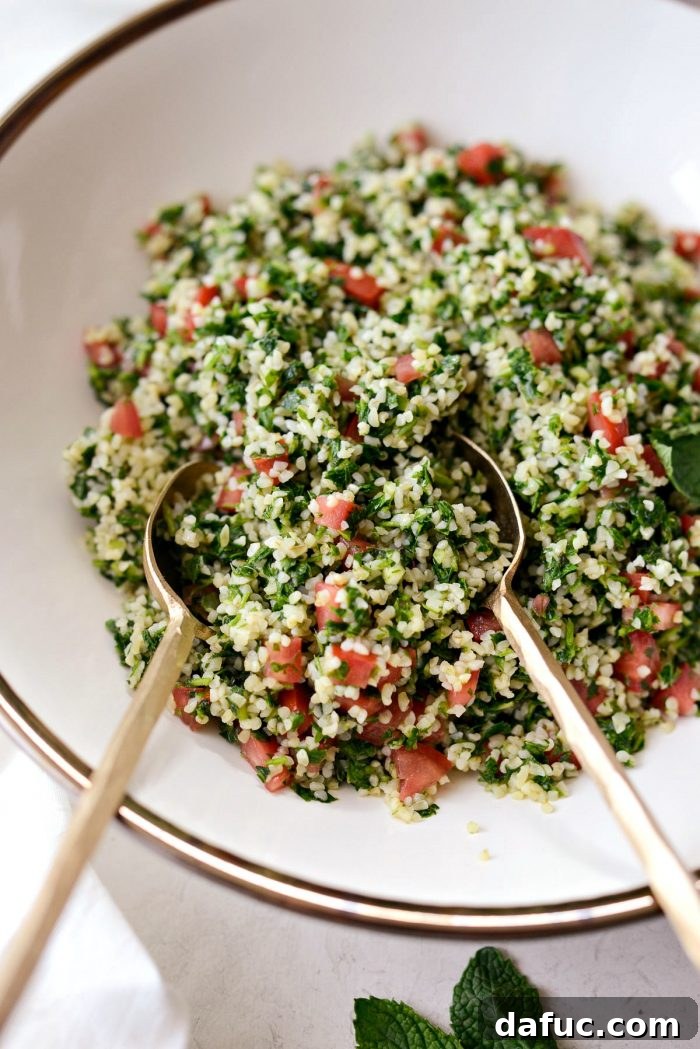
My Journey to the Perfect Homemade Tabbouleh
The first time I tasted tabbouleh, it was an instant love affair. Years ago, my sister Kelly introduced it at a family gathering. Served alongside creamy hummus and warm pita bread, it quickly became the star of the appetizer spread. I found myself repeatedly returning to the table, captivated by its fresh, tangy profile and the delightful crunch of the herbs. It was a revelation – so incredibly vibrant, healthy, and surprisingly easy to prepare.
Since that memorable day, homemade tabbouleh has become a staple in my kitchen. I’ve prepared it countless times as a bright accompaniment to grilled chicken, a refreshing addition to summer picnics, and even transformed leftovers into a delicious, zesty dip. Truth be told, I could happily enjoy a bowl of this verdant salad any time of day, as is. Its crisp texture and bright flavors never fail to uplift a meal.
Why Opt for Homemade Tabbouleh?
While store-bought tabbouleh can be convenient, crafting it yourself offers unparalleled advantages:
- Unmatched Freshness: You control the quality of ingredients, ensuring the freshest, most vibrant herbs and vegetables go into your salad. This is crucial for tabbouleh, where freshness is paramount.
- Customizable Flavor: Adjust the lemon, olive oil, and salt to your personal preference. Want it tangier? Add more lemon! Prefer a richer base? A drizzle more olive oil.
- Cost-Effective: Making it at home is generally more economical than purchasing pre-made versions, especially if you already have some of the staple ingredients on hand.
- Simple Preparation: Despite its sophisticated flavor, tabbouleh is remarkably simple to assemble, requiring minimal cooking (just boiling water for the bulgur) and mostly chopping.
- Nutritional Benefits: Packed with nutrient-dense ingredients, homemade tabbouleh is a fantastic source of vitamins, minerals, and fiber, contributing to a healthy diet.
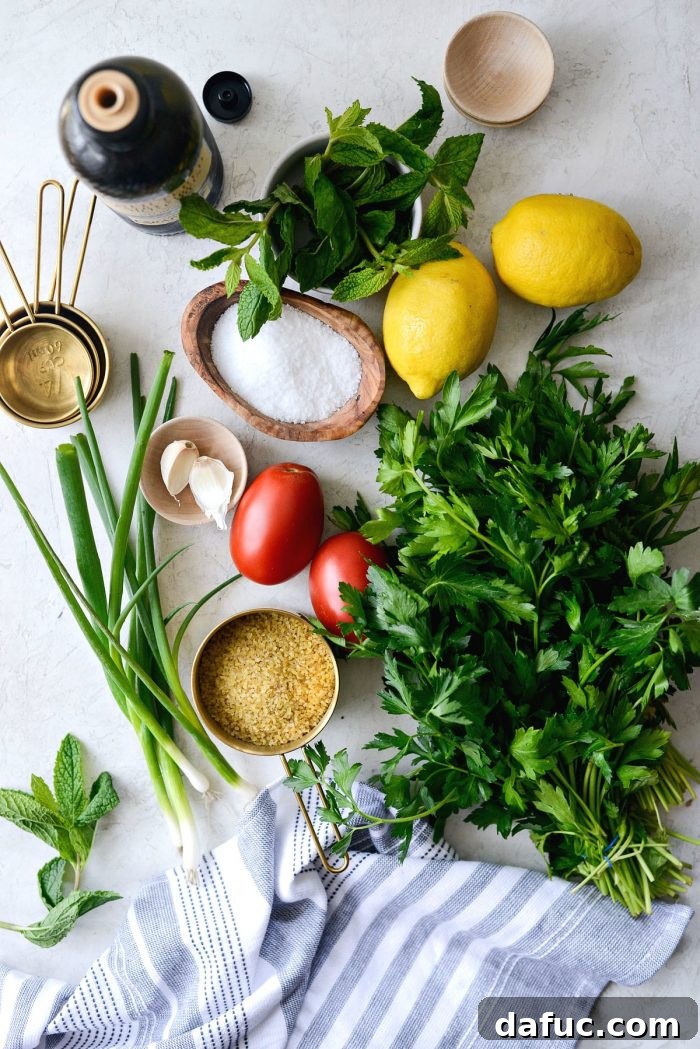
Essential Ingredients for Your Fresh Tabbouleh
The beauty of tabbouleh lies in its simple, high-quality components. Here’s a closer look at what you’ll need and why each ingredient is key:
- Bulgur Wheat: This cracked wheat grain forms the base of the salad, absorbing the dressing and providing a delightful chewiness. Opt for fine bulgur for the most authentic texture, as it softens quickly without needing to be cooked.
- Flat Leaf Italian Parsley: This is the star! Tabbouleh is fundamentally a parsley salad. Choose fresh, vibrant bunches with no yellowing. Its robust, peppery flavor and slightly firm texture are indispensable.
- Fresh Mint: Mint provides that signature cooling, aromatic lift that balances the parsley and lemon. Use fresh leaves for the best results; dried mint will not yield the same bright flavor.
- Green Onions (Scallions): These add a mild, crisp oniony bite without overpowering the delicate herbs. Both the white and green parts are used.
- Garlic: A couple of fresh cloves, finely minced, add a subtle depth and aromatic warmth that enhances the overall flavor profile.
- Kosher Salt: Essential for seasoning and bringing out the flavors of all the ingredients. Adjust to taste.
- Olive Oil: A good quality extra virgin olive oil is crucial for the dressing. It provides richness, helps emulsify the lemon juice, and adds a fruity, peppery note.
- Lemon Juice: Freshly squeezed lemon juice is non-negotiable! Its bright acidity is what truly makes tabbouleh sing, adding tang and zest.
- Roma Tomatoes (Optional but Recommended): While some traditional recipes prioritize parsley over tomato, diced Roma tomatoes add a wonderful burst of sweetness, color, and juiciness. Ensure they are ripe and firm.
Step-by-Step Guide to Crafting Your Tabbouleh
Making homemade tabbouleh is a straightforward process that yields incredibly rewarding results. Follow these steps for a perfect batch:
1. Prepare the Bulgur Wheat:
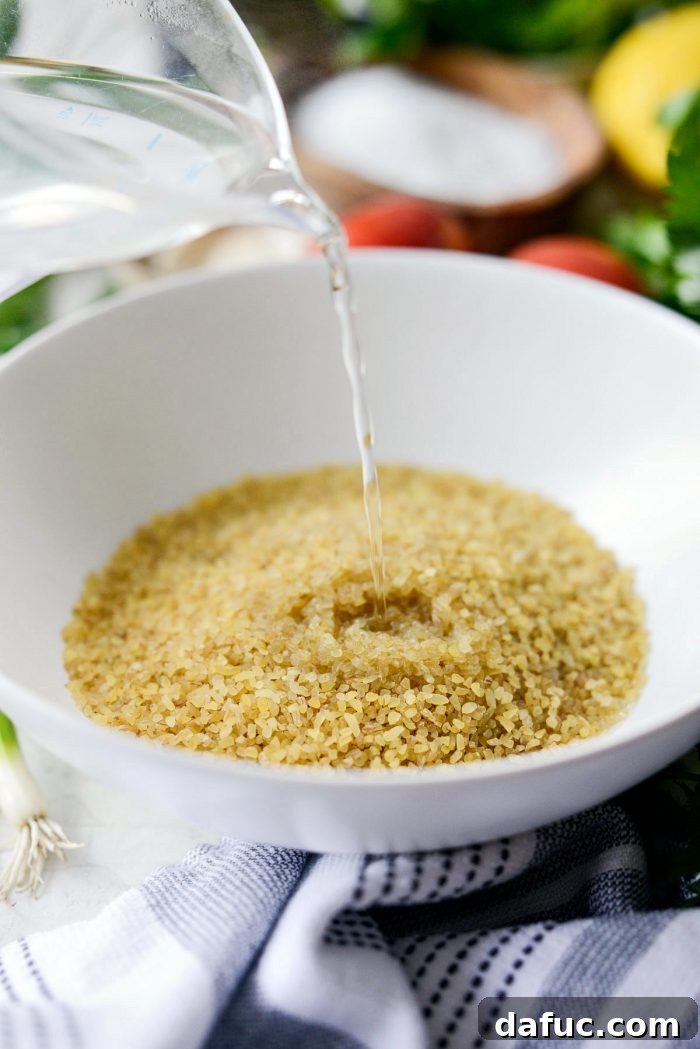
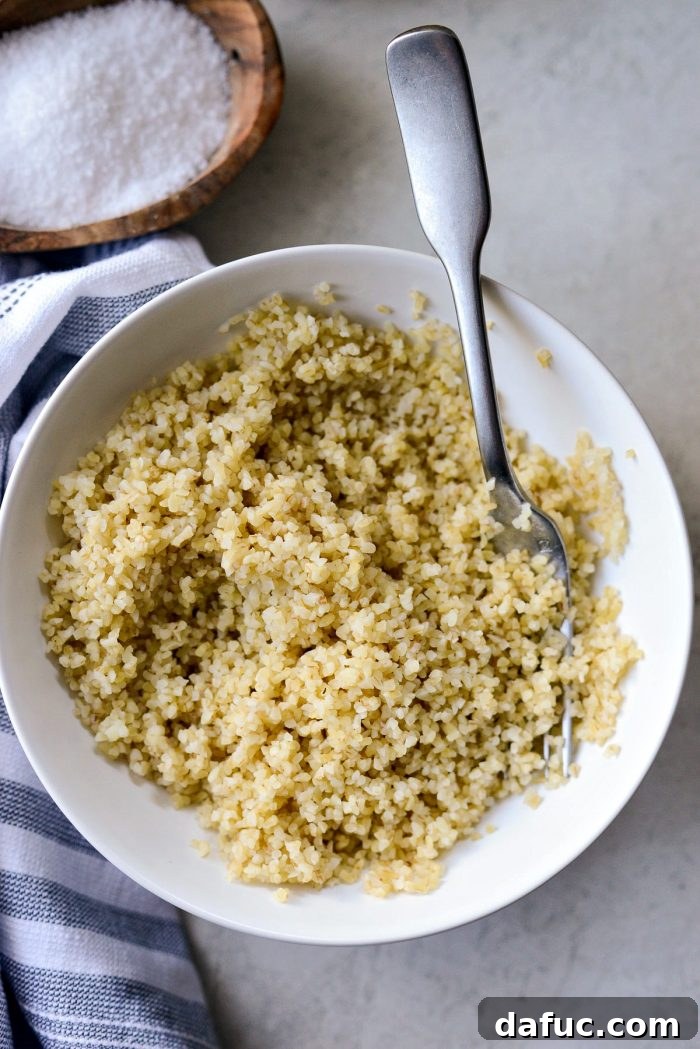
In a medium bowl, combine 3/4 cup of fine bulgur wheat with 3/4 cup of boiling water. Stir briefly, then set the bowl aside and allow the bulgur to soak for about 30 minutes. During this time, the bulgur will absorb the water and soften. Once softened, fluff it gently with a fork to separate the grains.
2. Mince the Herbs and Aromatics:
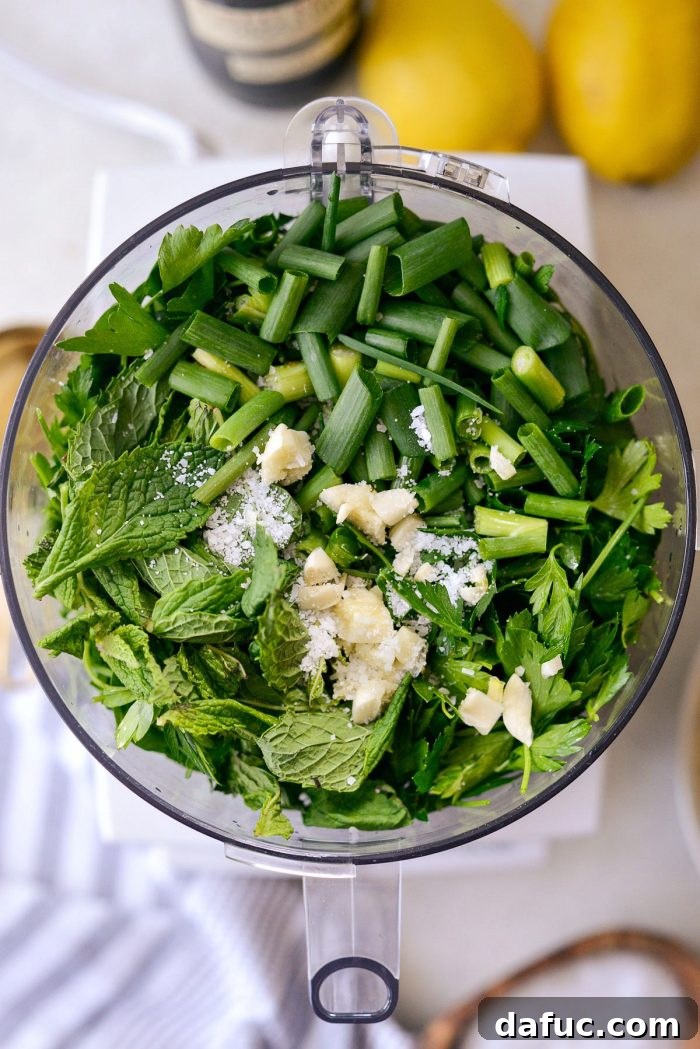
While the bulgur is soaking, prepare your fresh ingredients. In a food processor fitted with a blade attachment, add two large bunches of chopped flat-leaf Italian parsley (making sure to discard any tough or overly thick stems), 1/4 cup of fresh mint leaves, 4 to 5 roughly chopped green onions, 2 peeled and chopped fresh garlic cloves, and a generous pinch of kosher salt. Secure the lid.
3. Achieve the Perfect Mince:
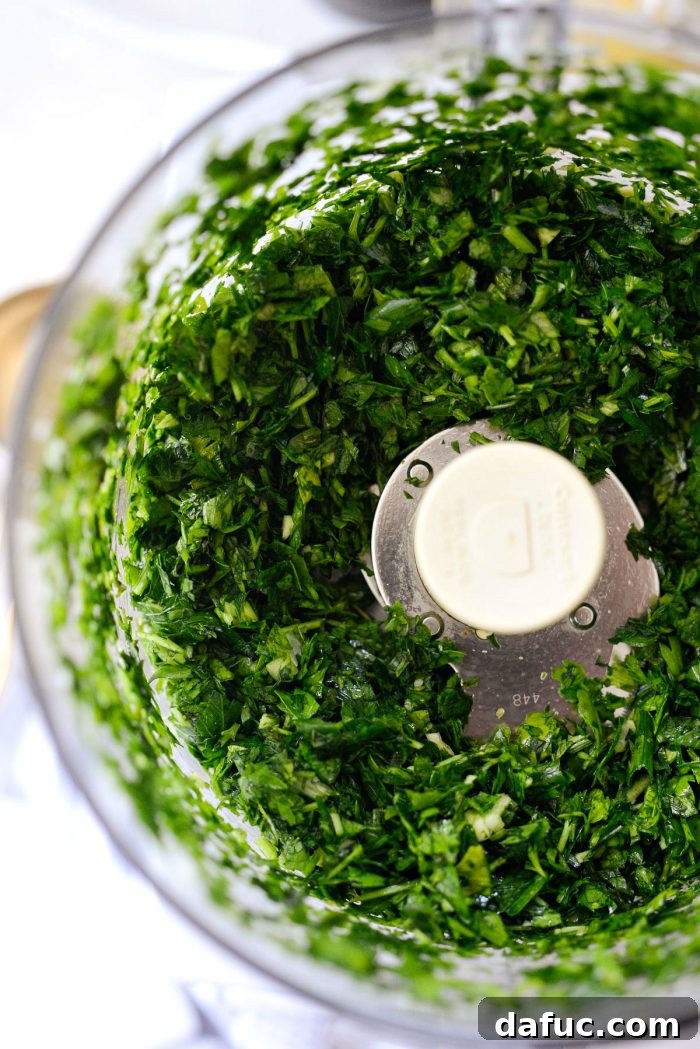
Pulse the ingredients in the food processor until they are very finely minced. It’s crucial for tabbouleh that the herbs are almost uniformly fine, not coarsely chopped. Stop and scrape down the sides of the bowl as needed to ensure even processing. You want a bright green, almost fluffy mixture.
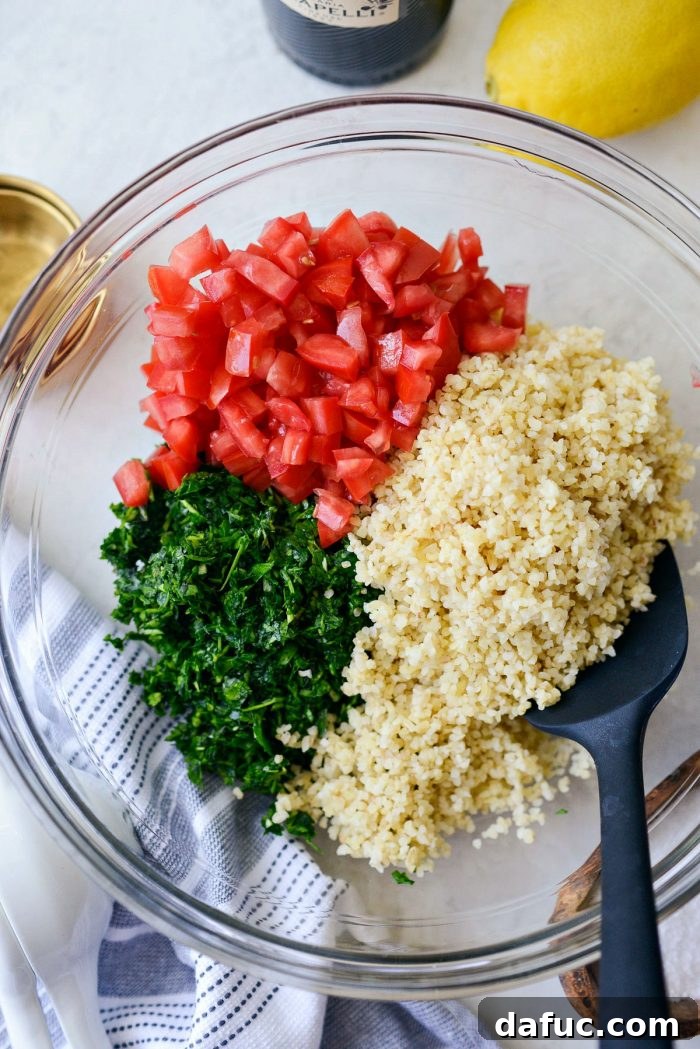
4. Combine All Ingredients:
Transfer the finely minced herb mixture to a large mixing bowl. Add the fluffed bulgur wheat and 2 seeded and finely diced Roma tomatoes (if using). The fine dice on the tomatoes helps them integrate seamlessly into the salad without creating large, watery chunks.
5. Dress the Tabbouleh:
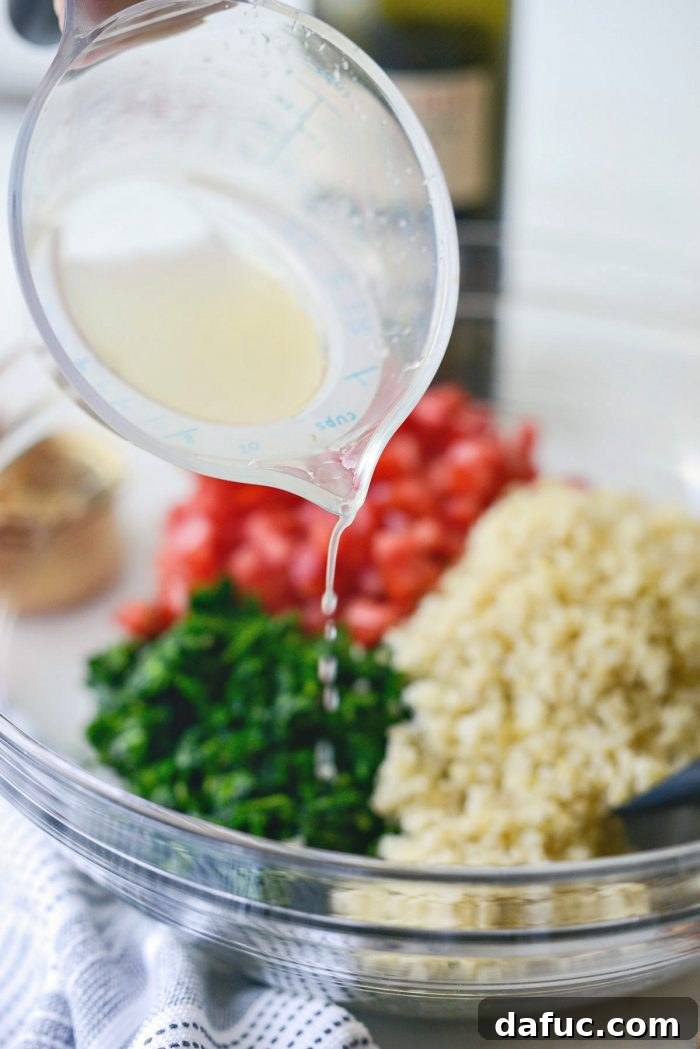
Pour in 1/4 cup of fresh lemon juice. The acidity will brighten all the flavors.
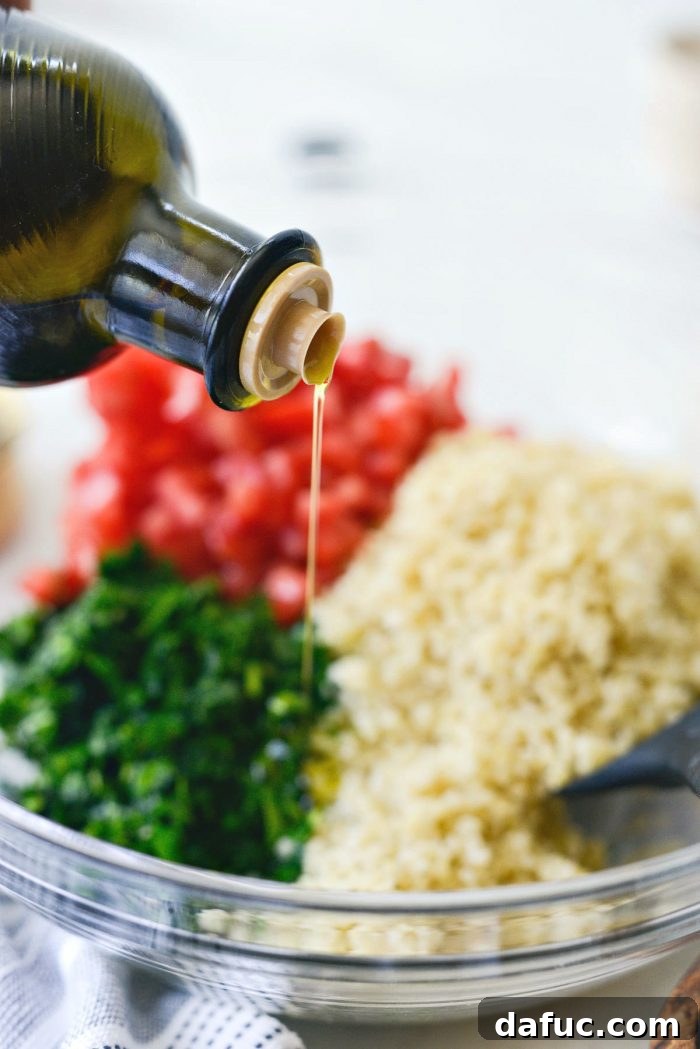
Follow with 1/4 cup of good quality extra virgin olive oil. This adds richness and helps to carry the flavors.
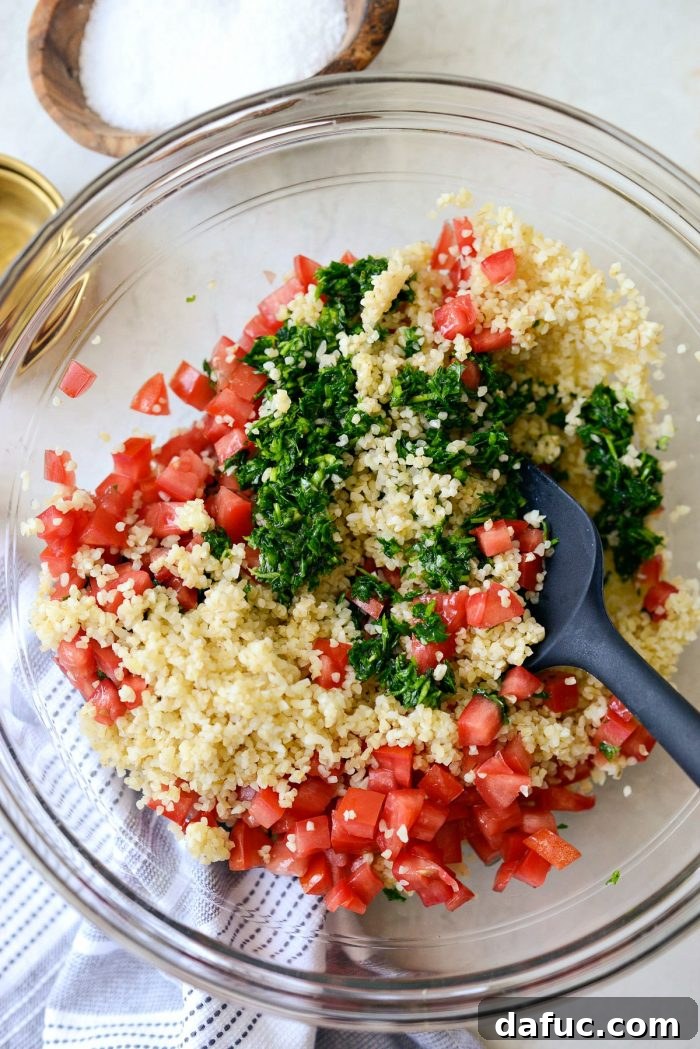
6. Toss and Season:
Toss all the ingredients gently until they are thoroughly combined. The bulgur should be evenly coated, and the herbs distributed throughout the salad. Taste the tabbouleh and adjust the seasoning. This is your chance to add more kosher salt, a little extra lemon juice for zing, or a touch more olive oil for richness, depending on your preference.
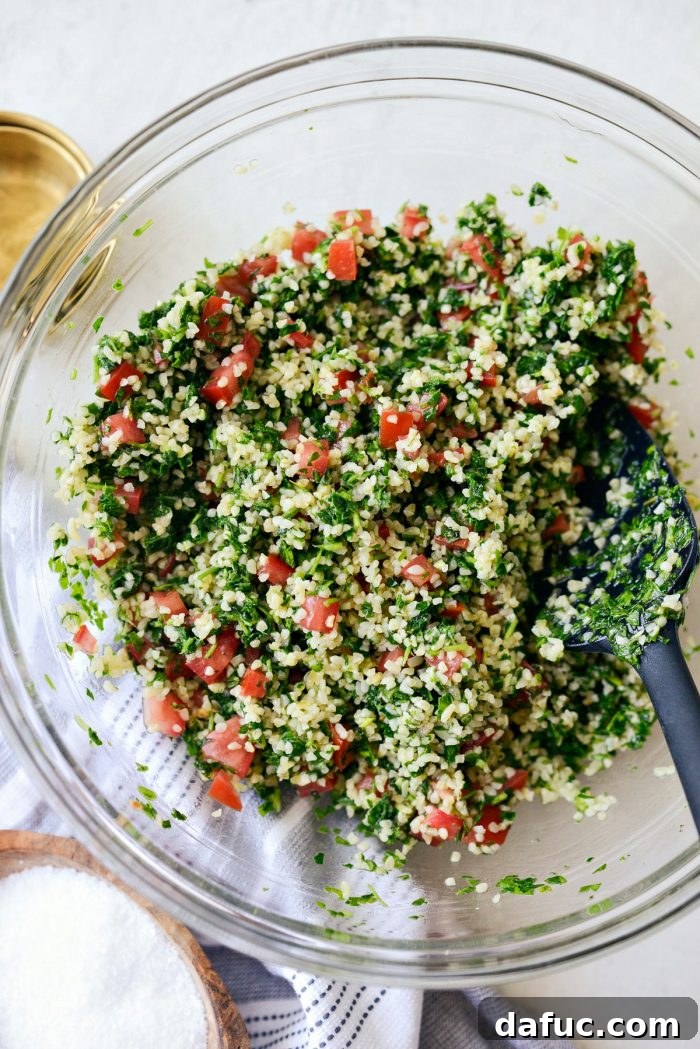
7. Chill for Flavor Development:
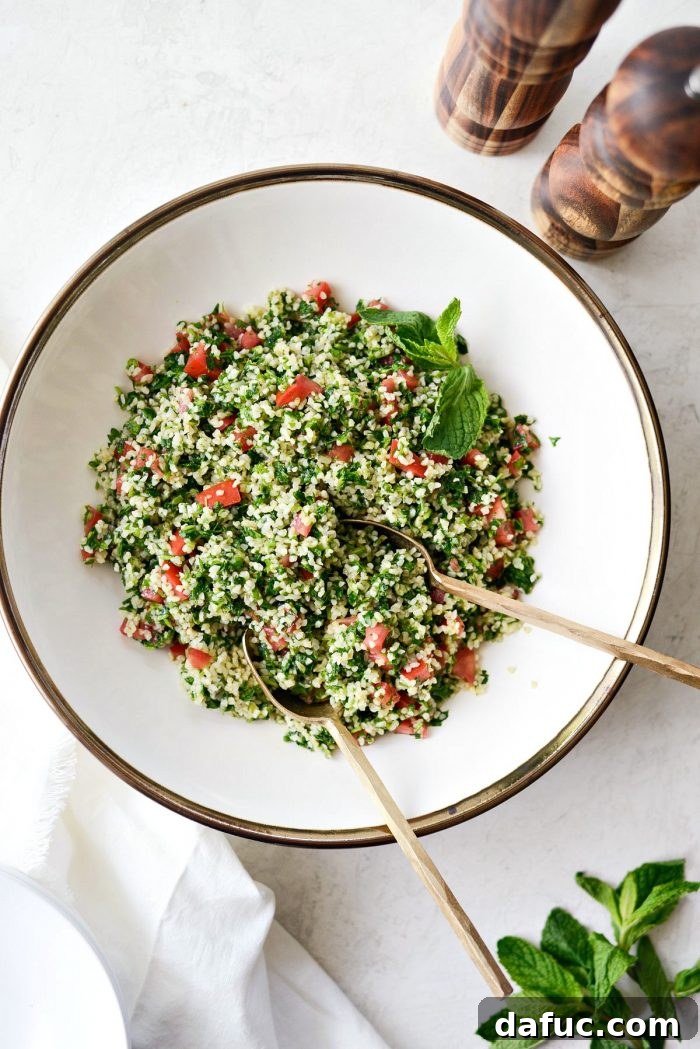
This step is crucial! Cover the bowl with plastic wrap and chill the tabbouleh in the refrigerator for at least 4 hours, or ideally, overnight. This chilling time allows the flavors to meld and deepen, resulting in a more harmonious and delicious salad. The bulgur will also continue to absorb the dressing, enhancing its texture.
Tips for the Best Homemade Tabbouleh
- Chop Finely, Very Finely: This is the golden rule of tabbouleh. The parsley, mint, and green onions should be minced almost to a uniform size, creating a delicate, cohesive texture. A food processor makes this task much easier, but a very sharp knife and patience can achieve similar results.
- Don’t Over-Soak Bulgur: Fine bulgur wheat only needs to soak in hot water, not boil. Over-soaking can lead to a mushy texture. Keep an eye on it and fluff it as soon as it’s tender.
- Freshly Squeezed Lemon Juice is a Must: Bottled lemon juice simply won’t give you the same vibrant, zesty flavor that fresh lemons do.
- Taste and Adjust: Flavors can vary, so always taste your tabbouleh before serving and adjust the salt, lemon juice, or olive oil to suit your palate.
- Quality Olive Oil: Since olive oil is a primary dressing component, choose a good quality extra virgin olive oil for the best flavor.
- Chill Time is Key: Don’t skip the chilling step! It’s essential for the flavors to fully develop and integrate.
Serving Suggestions & Pairing Ideas
Tabbouleh is incredibly versatile and pairs well with a variety of dishes. Here are some ideas:
- Mezze Platter: Serve it as part of a traditional Middle Eastern mezze, alongside hummus, baba ghanoush, pita bread, and olives.
- Grilled Meats or Fish: Its freshness cuts through the richness of grilled chicken, lamb kebabs, or pan-seared fish.
- Vegetarian Main Course: Enjoy it as a light and satisfying vegetarian lunch, perhaps with some falafel or grilled halloumi.
- In Wraps & Sandwiches: Use it as a vibrant filling for pita wraps or as a fresh addition to sandwiches.
- Transform Leftovers: Any leftover tabbouleh can be blended into a delicious dip, mixed with Greek yogurt for a creamy spread, or even tossed with other greens for a quick side salad.
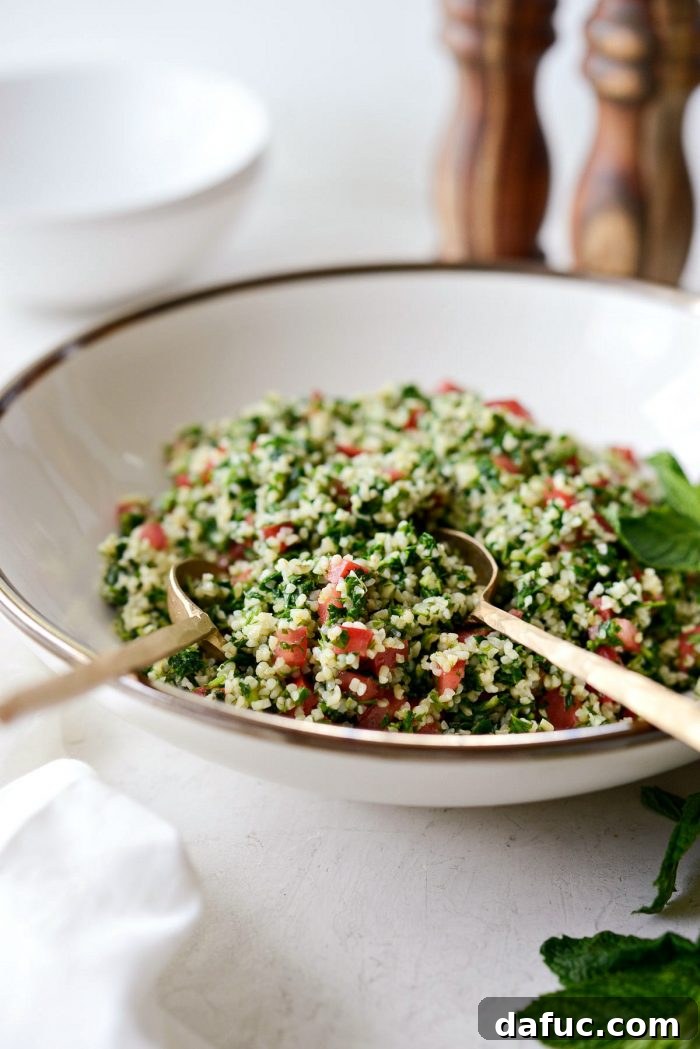
Tabbouleh Variations & Dietary Adaptations
While the classic recipe is perfect, don’t hesitate to experiment:
- Grain-Free Tabbouleh: Looking for a low-carb or gluten-free option? No problem! Replace the bulgur wheat with finely riced cauliflower for a delicious cauliflower tabbouleh recipe.
- Add More Veggies: Diced cucumber, bell peppers, or even finely chopped radish can add extra crunch and flavor.
- Spice It Up: A pinch of red pepper flakes can introduce a subtle heat.
- Herbal Twist: Experiment with a small amount of fresh oregano or dill for a different aromatic note.
The Health Benefits of Tabbouleh
Beyond its incredible taste, tabbouleh is a nutritional powerhouse:
- Rich in Vitamins: Parsley and mint are loaded with vitamins A, C, and K, important for immunity, skin health, and bone health.
- Fiber-Packed: Bulgur wheat and fresh vegetables contribute significant dietary fiber, aiding digestion and promoting satiety.
- Antioxidants: The abundance of fresh herbs and vegetables provides a wealth of antioxidants that combat free radicals in the body.
- Heart-Healthy Fats: Extra virgin olive oil is a monounsaturated fat, known for its cardiovascular benefits.
- Hydrating: The fresh ingredients, especially tomatoes and lemon juice, contribute to hydration.
There you have it – a comprehensive guide to making the most exquisite homemade tabbouleh. This vibrant salad is not only easy to prepare but also brings a burst of fresh flavor and healthy goodness to any meal. Enjoy the process of creating this Levantine classic and savor every refreshing bite.
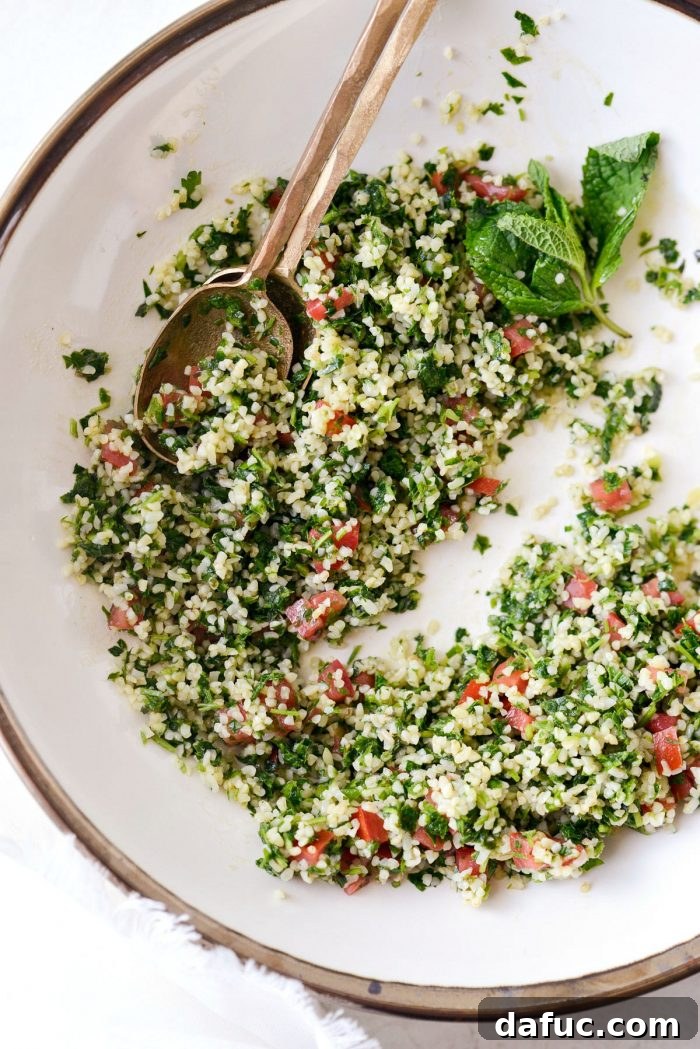
Enjoy! And if you give this Homemade Tabbouleh recipe a try, let me know! Snap a photo and tag me on Twitter or Instagram!
Homemade Tabbouleh Recipe Card
Print Recipe
Pin Recipe
Leave a Review »
8 servings
Homemade Tabbouleh
This Homemade Tabbouleh recipe is fresh and delicious! A vegetarian Levantine salad consisting of finely minced parsley, mint and green onions tossed with soaked bulgur wheat, lemon juice and olive oil.
1 hr
5 mins
1 hr 5 mins
Ingredients
- 3/4 cup bulgur wheat
- 3/4 cup boiling water
- 2 large bunches parsley, tough stems removed
- 1/4 cup fresh mint leaves
- 4 to 5 finely chopped green onions
- 2 cloves garlic, chopped
- kosher salt
- 2 roma tomatoes, finely chopped (optional)
- 1/4 cup lemon juice
- 1/4 cup olive oil
Equipment
- Cuisinart DLC-8SY Pro Custom 11-Cup Food Processor, White
Instructions
- Add the bulgur wheat to a small bowl and pour the hot boiling water over top. Set it off to the side to soak for 30 minutes.
- In a large food processor, add the parsley, mint, green onions, garlic and a generous pinch of salt.
- Pulse until finely minced.
- In a large bowl combine the parsley mixture with the bulgur wheat, tomatoes, lemon juice and olive oil. Toss to combine.
- Cover and refrigerate 4 hours to over night.
Nutrition Facts
Serving: 1/2 cup, Calories: 113kcal, Carbohydrates: 12g, Protein: 2g, Fat: 7g, Saturated Fat: 1g, Polyunsaturated Fat: 1g, Monounsaturated Fat: 5g, Sodium: 6mg, Potassium: 127mg, Fiber: 3g, Sugar: 1g, Vitamin A: 271IU, Vitamin C: 7mg, Calcium: 17mg, Iron: 1mg
Laurie McNamara
Salads
Middle Eastern