
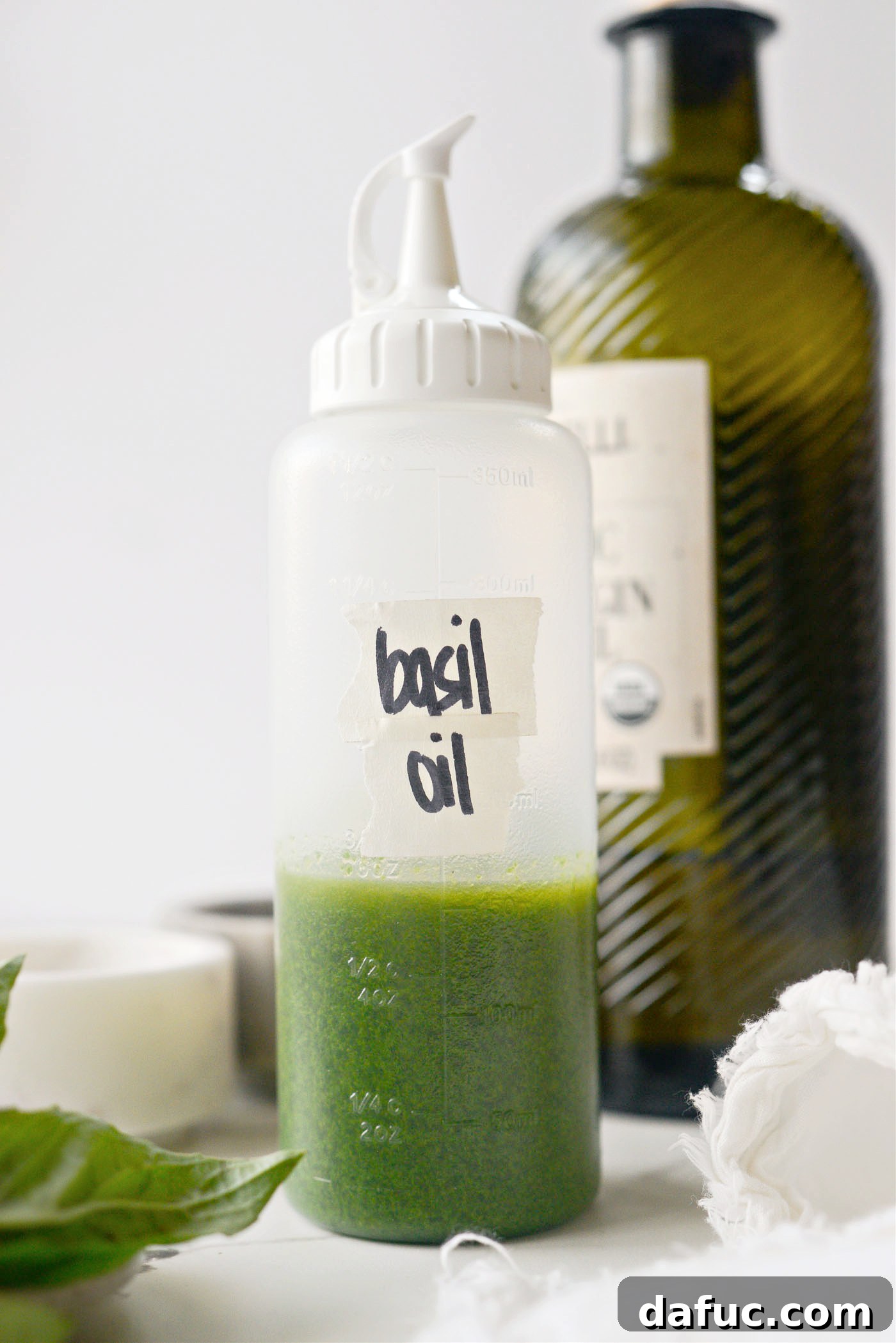
Easy Homemade Basil Oil: Your Go-To Fresh Flavor Enhancer for Every Dish
Unlock a world of vibrant flavor and stunning color with this incredibly simple yet profoundly impactful Easy Basil Oil Recipe. More than just a condiment, homemade basil oil is a culinary marvel that effortlessly elevates everyday meals into extraordinary dining experiences. Imagine a delicate drizzle over grilled vegetables, a vibrant swirl in your favorite soup, or a fragrant finish to pasta – this oil delivers an unparalleled burst of fresh, herbaceous goodness that store-bought alternatives simply can’t match. By crafting your own, you gain complete control over the quality of ingredients and achieve a freshness that truly shines. This comprehensive guide will take you through every step, from selecting the finest basil to mastering the perfect blend, ensuring your kitchen is always stocked with this versatile and delicious staple.
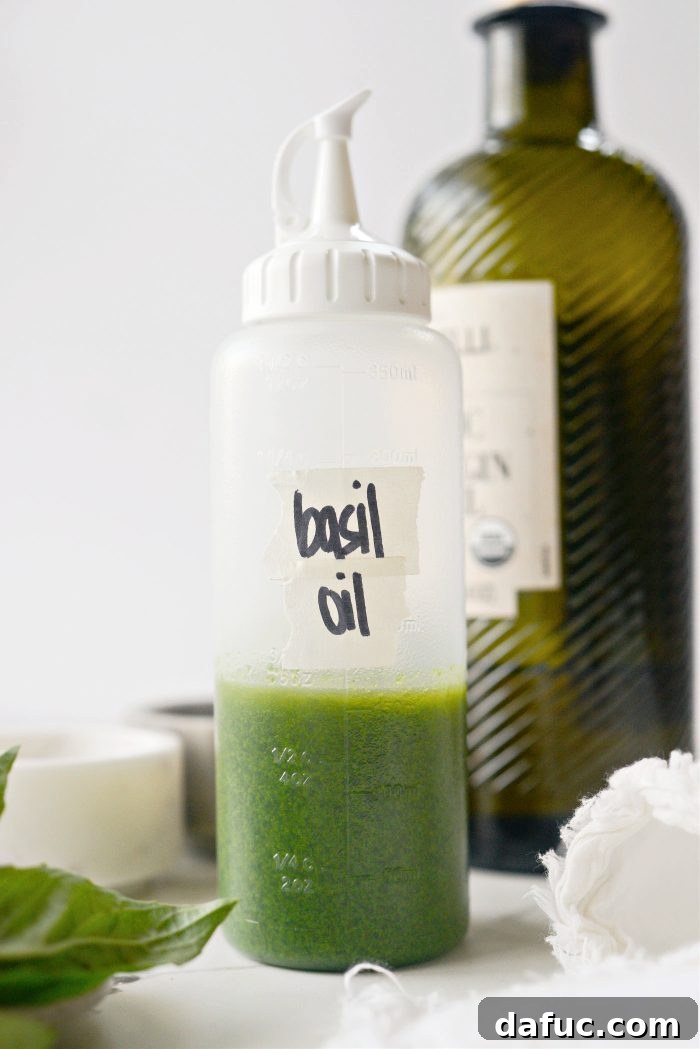
What Exactly Is Basil Oil? A Culinary Staple Explained
At its core, basil oil is a minimalist masterpiece: a harmonious blend of fresh basil leaves steeped and emulsified with high-quality olive oil. This simple foundation is often enhanced with aromatic garlic and a bright squeeze of lemon juice, creating a thin, pourable oil designed to infuse dishes with a light, yet intensely herbaceous essence. Unlike its thicker, more robust relative, pesto, basil oil purposely omits cheese and nuts, resulting in a lighter consistency perfect for drizzling and a fantastic nut-free alternative for those with dietary restrictions. Its primary function is to serve as a flavor enhancer, imparting a vivid green hue and a fragrant, peppery undertone that gracefully complements a diverse range of cuisines, from Mediterranean to modern American. It’s a quick and easy way to add a touch of gourmet sophistication to almost any dish without heavy preparation.
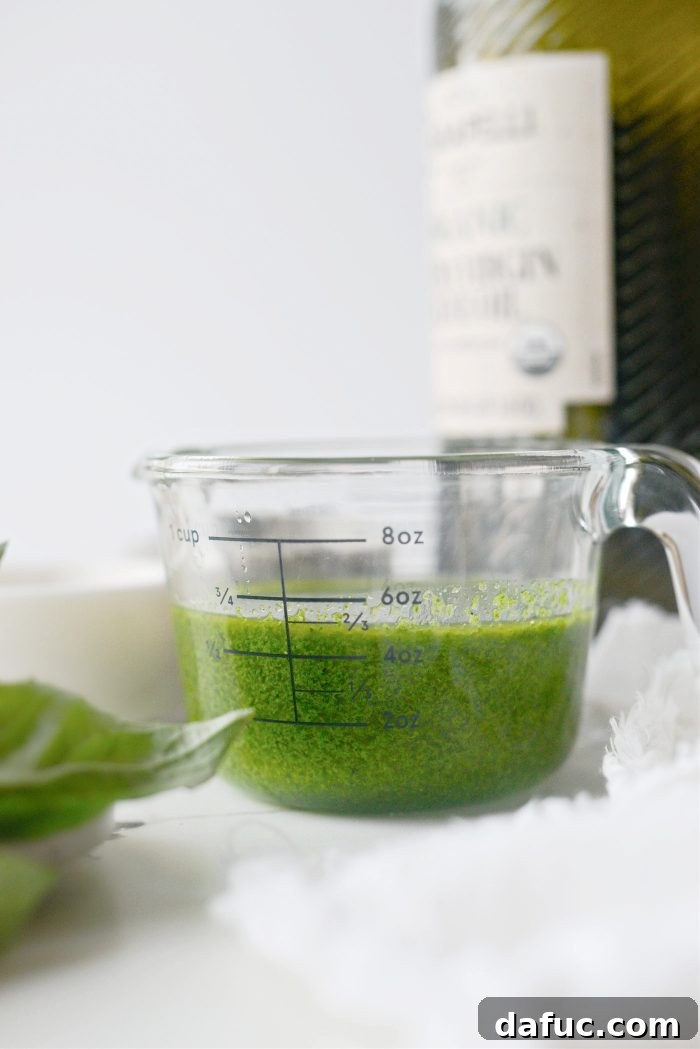
This guide delves deep into the art of crafting this delightful oil. Not only will you learn how incredibly effortless it is to create this aromatic condiment, but we’ll also explore a myriad of ingenious ways to integrate it into your daily cooking. Furthermore, we’ll provide expert tips for proper storage, ensuring your homemade basil oil retains its peak freshness and captivating vibrant green color for as long as possible, allowing you to enjoy its delightful flavors whenever inspiration strikes.
The Unbeatable Advantages of Homemade Basil Oil
While a quick trip to a gourmet store might offer pre-made basil oil, the difference in taste, aroma, and overall quality when you make it yourself is truly profound. Crafting basil oil from scratch in your own kitchen offers a plethora of compelling benefits that elevate it far beyond any commercial alternative:
- Unmatched Freshness and Purity: When you make basil oil at home, you are in complete control of every ingredient. This ensures that only the freshest, most vibrant basil leaves and the highest quality extra virgin olive oil are used, free from any artificial preservatives or questionable additives often found in store-bought versions.
- Superior, Intense Flavor Profile: The delicate and slightly peppery notes of fresh basil are at their most potent when processed just before consumption. Homemade oil captures this fleeting essence perfectly, delivering an aromatic intensity and depth of flavor that commercially processed oils simply cannot replicate dueing shelf life and processing.
- Reliable Nut-Free Option: For individuals managing nut allergies or sensitivities, homemade basil oil provides a safe and equally delicious alternative to traditional pesto, offering similar herbaceous goodness without any allergen concerns. It’s a fantastic way to enjoy rich, green flavors without compromise.
- Economical and Cost-Effective: Purchasing fresh basil in season, especially when it’s abundant and affordable, and buying good quality olive oil in larger quantities, is significantly more budget-friendly than consistently buying small, expensive bottles of pre-made gourmet oils.
- Tailored Customization to Your Palate: The beauty of homemade lies in its flexibility. You can easily adjust the amount of garlic for a bolder kick, increase the lemon for a brighter finish, or fine-tune the seasoning to perfectly match your personal taste preferences and the specific dishes you intend to use it with.
- Aesthetically Pleasing Vibrant Color: With just a few simple techniques, homemade basil oil can boast an incredibly stunning, natural bright green hue. This vibrant color not only indicates freshness but also visually enhances any dish, making your culinary creations even more appealing.
- No Mystery Ingredients: You know exactly what goes into your oil, providing peace of mind and supporting a cleaner, healthier eating lifestyle.
Selecting the Perfect Basil for Optimal Flavor
The undisputed star of this recipe is, naturally, the basil itself. To achieve the most exquisite basil oil, your choice of basil is paramount. Always opt for fresh, vibrant basil leaves. When shopping, look for bundles where the leaves are bright green, plump, and firm, entirely free from any signs of wilting, discoloration (such as brown or black spots), or bruising. Sweet basil, also known as Genovese basil, is the most common variety and is highly recommended for its classic, robust flavor profile and aromatic qualities that are ideal for this oil. If you are fortunate enough to have a home garden, harvesting your own basil just minutes before you intend to blend it will yield an oil with an unparalleled aroma and the most intense, fresh flavor possible. Handle the leaves gently to prevent bruising, which can lead to premature browning.
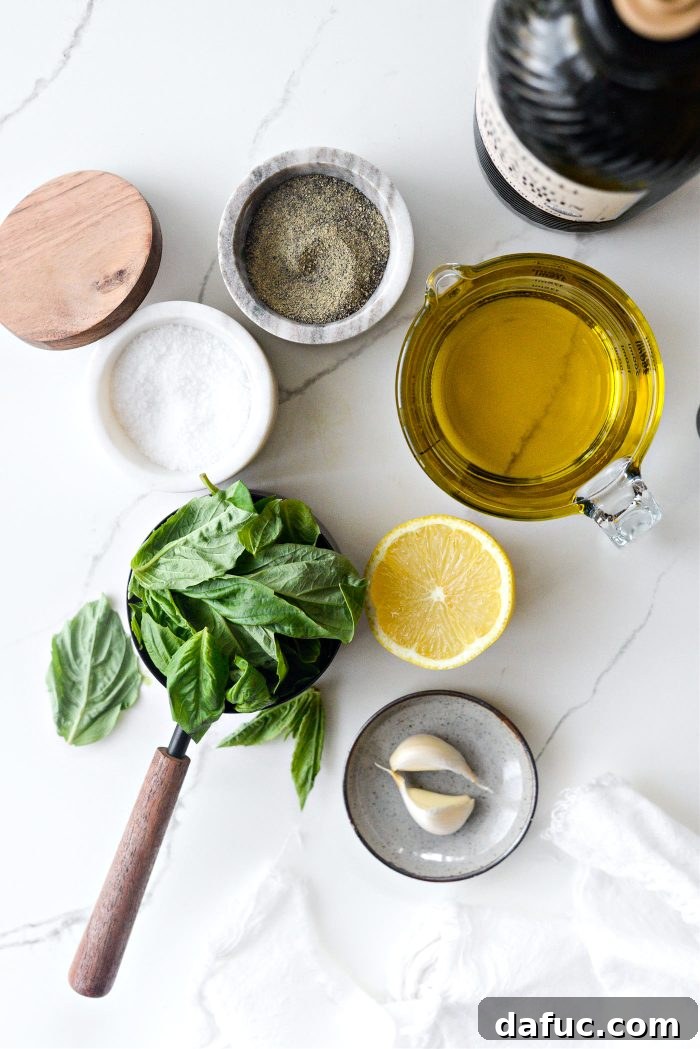
The Simple Yet Powerful Ingredients Behind a Flawless Basil Oil
Crafting a truly sublime basil oil requires surprisingly few ingredients, making it accessible for any home cook. The secret to its exquisite taste and beautiful appearance lies in the quality of each component, as every element plays a crucial role in the final product.
- Fresh Basil Leaves: You’ll need approximately 3/4 cup of basil leaves, which should be firmly packed into your measuring cup. This ensures a concentrated, rich basil flavor that forms the backbone of the oil. It’s absolutely essential to use fresh basil; dried basil simply cannot replicate the vibrant color, delicate texture, or intense, aromatic freshness required for this recipe.
- Good Quality Olive Oil: The olive oil is not just a carrier; it’s a co-star. Your choice of olive oil will profoundly impact the overall flavor and mouthfeel of your basil oil. Extra virgin olive oil (EVOO) is highly recommended for its distinct fruity notes, slight peppery finish, and smooth texture, all of which beautifully complement and enhance the natural flavors of the basil. Avoid using light, refined, or old olive oils, as they lack the desired depth and complexity of flavor that makes this oil so special.
- Garlic: Incorporate 1 to 2 small to medium cloves of fresh garlic, which should be smashed and peeled before adding. Garlic contributes a pungent, savory depth that perfectly balances the sweetness of the basil. The quantity can be easily adjusted to suit your personal preference – use less for a milder oil, or add an extra clove for a more assertive, garlicky kick.
- Lemon Juice: About 1 tablespoon of freshly squeezed lemon juice is a non-negotiable ingredient. Its bright acidity provides a crucial counterpoint to the richness of the olive oil and the herbaceousness of the basil. More importantly, the acidity from the lemon juice acts as a natural antioxidant, playing a vital role in preserving the basil’s vibrant green color and preventing it from oxidizing and turning an unappetizing brown.
- Kosher Salt: A half teaspoon of kosher salt is added not just for seasoning, but to expertly enhance and bring forward all the individual flavors within the blend, creating a harmonious and balanced taste profile.
- Freshly Ground Black Pepper: A quarter teaspoon of freshly ground black pepper introduces a subtle warmth and a gentle, aromatic bite. This simple addition helps to round out the overall flavor, adding a nuanced layer of complexity.
Creative Optional Flavor Enhancements:
Once you’ve mastered the foundational basil oil recipe, don’t hesitate to experiment and personalize your creation to perfectly match your culinary whims:
- A Hint of Heat with Red Pepper Flakes: For those who appreciate a delightful spicy kick, consider adding a small pinch (about 1/4 teaspoon) of red pepper flakes. Blend them into the oil after the initial processing, pulsing once or twice more to distribute the heat evenly.
- Amplify Citrus with Lemon Zest: To create an even more intensely lemony basil oil, incorporate 1/2 teaspoon of fresh lemon zest along with the lemon juice. The zest carries concentrated citrus oils that provide a brighter, more aromatic lemon flavor.
- For the Garlic Lovers: If you are a true garlic aficionado and desire a bolder, more pronounced garlic presence, simply add an additional clove of garlic to the blender.
- Aromatic Herb Blends: While this recipe focuses purely on basil, a tiny amount (e.g., a few sprigs) of fresh parsley or even mint can be introduced for a more complex herbaceous flavor profile. Be mindful that this will subtly alter the pure basil essence.
- Touch of Sweetness: A tiny pinch of sugar can sometimes balance out bitterness if your basil is particularly strong, though generally not needed with fresh, sweet basil.
Mastering the Art of Making Homemade Basil Oil: A Step-by-Step Guide
Creating your own basil oil is surprisingly quick and straightforward, offering an impressive culinary reward for minimal effort. Follow these detailed steps to achieve a perfectly smooth, flavorful, and beautifully green basil oil every single time:
Essential Equipment You’ll Need:
- Personal Blender or Mini Food Processor: These compact appliances are ideally suited for this recipe. Their smaller size ensures that the ingredients are thoroughly blended and emulsified without being spread too thinly across a larger container, which can be an issue with full-sized blenders. While a regular-sized blender can work, you might find yourself needing to stop and scrape down the sides more frequently to ensure all components are fully incorporated.
- Measuring Cups and Spoons: For accurate ingredient proportions.
- Spatula: To help scrape down the sides of the blender/food processor and to transfer the finished oil.
Detailed Instructions:
- Ingredient Preparation is Key: Begin by gathering and preparing all your ingredients. It is crucial to wash your fresh basil leaves thoroughly under cool running water. After washing, ensure the basil is completely and meticulously dried. Excess water droplets clinging to the leaves can introduce unwanted moisture into your oil, potentially diluting its flavor and significantly reducing its shelf life. A salad spinner or gentle patting with paper towels works wonders here. Next, smash and peel your garlic cloves; this makes them easier to blend smoothly and releases their aromatic compounds.
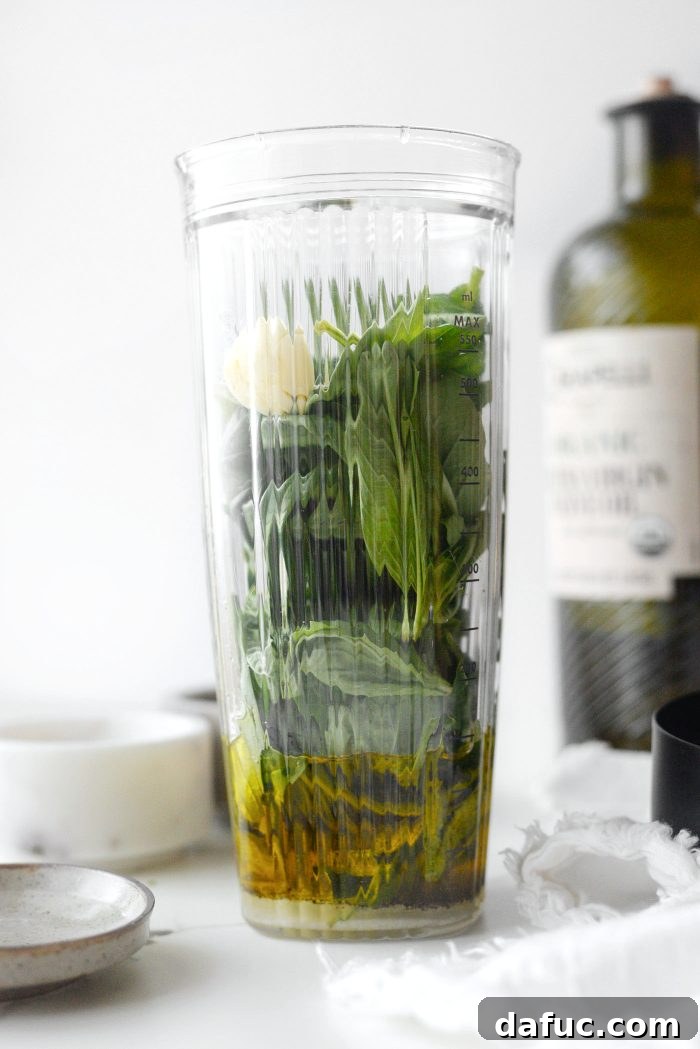
- Combine All Components in Your Chosen Appliance: Carefully add the prepared ingredients into the bowl of your personal blender or mini food processor. This includes the 3/4 cup of firmly packed fresh basil leaves, the 1/2 cup of high-quality olive oil, the 2 smashed and peeled garlic cloves, 1 tablespoon of fresh lemon juice, 1/2 teaspoon of kosher salt, and 1/4 teaspoon of freshly ground black pepper. Arrange them to ensure they are close to the blade for efficient blending.
- Blend Until Perfectly Smooth: Secure the lid tightly onto your blender or food processor. Begin to process the ingredients, starting at a low speed and gradually increasing to high, until the mixture transforms into a completely blended, smooth, and uniform consistency. The ideal texture should be slightly thinner than traditional pesto, allowing it to drizzle beautifully. You will likely need to pause the blending process one or two times to scrape down any ingredients clinging to the sides of the container, ensuring everything is thoroughly incorporated and evenly emulsified. Continue blending until no visible pieces of basil or garlic remain.
- Final Taste and Consistency Adjustment: Once blended, carefully taste a small amount of your basil oil. This is your opportunity to adjust the seasoning if necessary – perhaps a tiny pinch more salt or pepper to perfectly balance the flavors. If you find the oil to be thicker than your desired drizzling consistency, simply add another tablespoon or two of olive oil, then blend briefly for a few more seconds until it reaches the ideal fluidity.
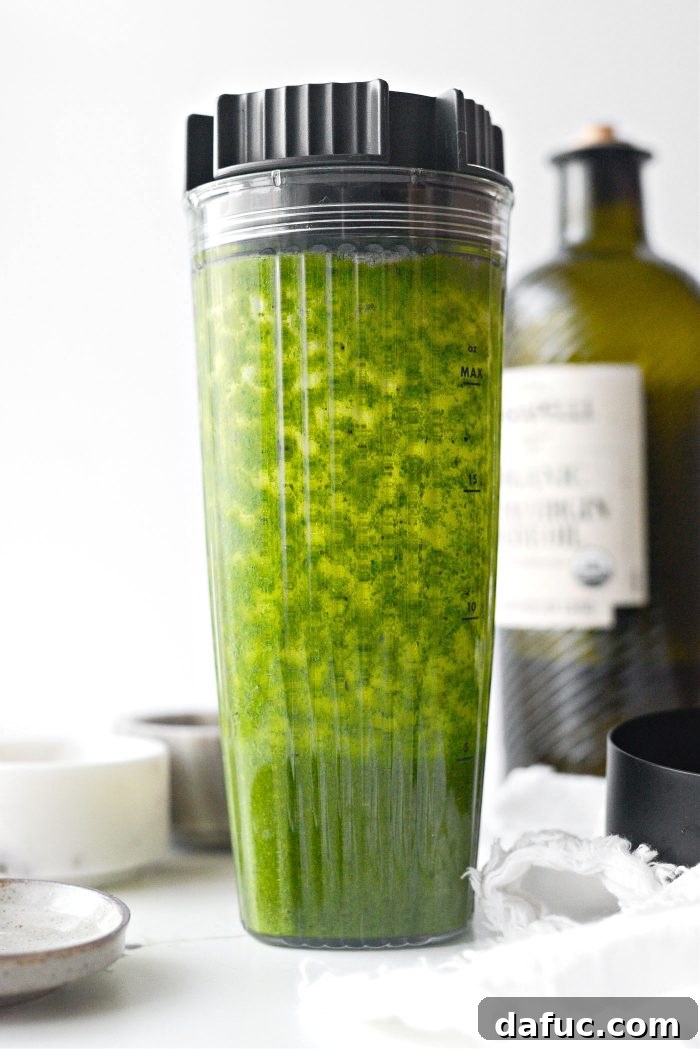
And there you have it! In a matter of mere minutes, you’ll have a batch of vibrant, intensely aromatic homemade basil oil, ready to infuse your culinary creations with an instant touch of gourmet freshness. The simplicity of this process, coupled with the incredible depth of flavor it brings, truly makes this recipe a kitchen essential.
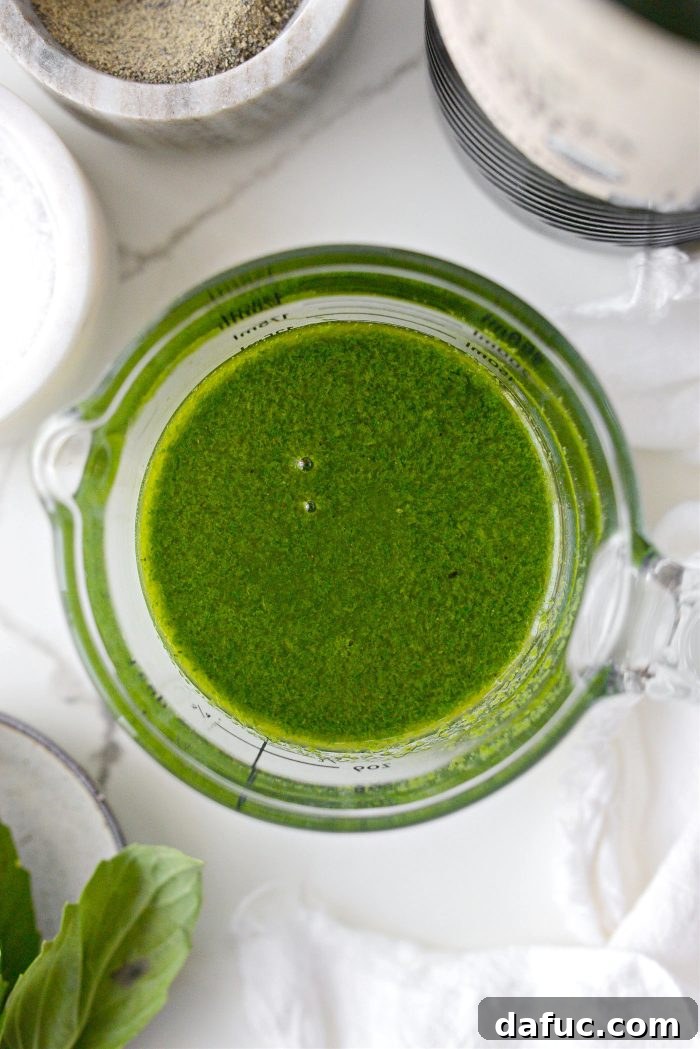
The pure joy of drizzling this homemade elixir over your favorite dishes is an experience in itself. It’s a testament to how humble ingredients, when treated with care, can yield spectacular results that delight the senses.
Expert Tips for Maximizing Flavor and Preserving a Vibrant Green Color
Achieving that coveted, stunningly bright green color and an intense, fresh basil flavor isn’t just about using the right ingredients; it’s also about employing clever techniques. Here are some professional tips to ensure your homemade basil oil is a visual and gastronomic triumph:
- The Blanching Advantage (Optional but Highly Recommended for Peak Green): For the most vividly green basil oil, consider briefly blanching your basil leaves. This simple step locks in the chlorophyll, dramatically preventing oxidation and browning. To do this, quickly drop your fresh basil leaves into a pot of rapidly boiling, lightly salted water for just 15-30 seconds. Immediately scoop them out and plunge them into an ice bath (a bowl of ice water) to halt the cooking process. Once cooled, thoroughly squeeze out every bit of excess water before proceeding to blend.
- Utilize Very Cold Oil: Some seasoned chefs advocate for using very cold or even chilled olive oil when blending. The friction generated by the blender blades can create heat, which in turn can cause the basil to oxidize and lose its vibrant color. Cold oil helps to counteract this effect, keeping the basil cooler during processing and thus preserving its verdant hue.
- Avoid Over-Processing: Blend your ingredients only until the mixture is smooth and fully emulsified. Resist the temptation to over-process, as excessive blending can generate too much heat. This heat can not only dull the basil’s beautiful green color but also potentially alter its delicate, fresh flavor, sometimes leading to a slightly bitter taste.
- Lemon Juice is Your Green Guardian: As previously highlighted, the acidity from the freshly squeezed lemon juice is absolutely crucial. It acts as a natural guardian, preventing the basil from browning quickly after blending by stabilizing its chlorophyll. Do not skip this ingredient.
- Swift and Airtight Storage: Once your basil oil is blended to perfection, transfer it to an airtight container as quickly as possible. Minimizing its exposure to air immediately after preparation is vital in preventing oxidation and maintaining both its vibrant color and peak freshness.
- Fine Strain for Purity (Optional): If you desire a perfectly clear, smooth basil oil free of any minute basil particles, you can strain the blended oil through a fine-mesh sieve lined with cheesecloth. While this step is optional, it yields a professional-grade, pristine oil ideal for elegant garnishes.
Creative Culinary Applications for Your Versatile Homemade Basil Oil
The sheer versatility of homemade basil oil is truly astounding. Once you have a fresh batch ready, you’ll discover an endless array of opportunities to infuse your meals with its exquisite fresh, aromatic profile, turning ordinary dishes into something truly special.
- An Elegant Dipping Oil for Artisanal Breads: Serve it simply in a shallow bowl with warm, crusty bread. It’s a sophisticated appetizer on its own, perhaps alongside a splash of balsamic vinegar or a sprinkle of flaky sea salt.
- Elevate Everyday Salads: Drizzle generously over various salads – from a vibrant medley of fresh greens to hearty grain bowls, robust chopped salads, or the timeless simplicity of a classic Caprese salad. It functions as a light, herbaceous dressing that needs no further embellishment.
- Swirl into Comforting Soups and Creamy Risottos: A spoonful swirled into a steaming bowl of minestrone, a rich tomato soup, or a luxurious creamy risotto just before serving adds an instant gourmet touch, a stunning pop of color, and an additional layer of herbaceous flavor.
- Enhance Sandwiches, Paninis, and Wraps: Brush or drizzle basil oil inside your favorite sandwiches, paninis, or wraps for a delightful fresh and herbaceous kick. It’s also an incredible base to spread thinly on a pizza crust before adding your toppings, infusing the entire pie with fresh basil notes.
- Brighten Roasted or Grilled Vegetables: A finishing drizzle over a platter of roasted asparagus, grilled zucchini, colorful bell peppers, tender broccoli, or crispy potatoes not only brings them to life with fresh flavor but also imparts a beautiful, glossy sheen.
- The Perfect Companion for Proteins: Basil oil pairs exceptionally well with a wide range of proteins. Drizzle it over grilled chicken breasts, baked or pan-seared fish (such as delicate cod, flaky salmon, or succulent snapper), tender shrimp, or even a perfectly cooked steak. It imparts a subtle yet distinctive herbaceous note that enhances the natural flavors of the protein.
- Effortless Pasta Perfection: For a quick and satisfying meal, toss freshly cooked pasta with a generous amount of basil oil. You can then add elements like sweet cherry tomatoes, cubes of fresh mozzarella, a sprinkle of grated Parmesan cheese, or some toasted pine nuts (if desired and not avoiding nuts) for a complete dish.
- A Flavorful Marinade Base: Utilize basil oil as a vibrant and aromatic base for marinades. It works wonderfully for chicken, various types of fish, or an assortment of vegetables, allowing the fresh basil and garlic flavors to deeply infuse the ingredients before cooking.
- Garnish for Brunch Favorites: Add an unexpected and delightful pop of flavor by drizzling basil oil over scrambled eggs, fluffy omelets, or savory frittatas.
- Infused Mayonnaise or Aioli: Stir a tablespoon or two into plain mayonnaise or homemade aioli for a quick, herbaceous dipping sauce for fries, sandwiches, or seafood.
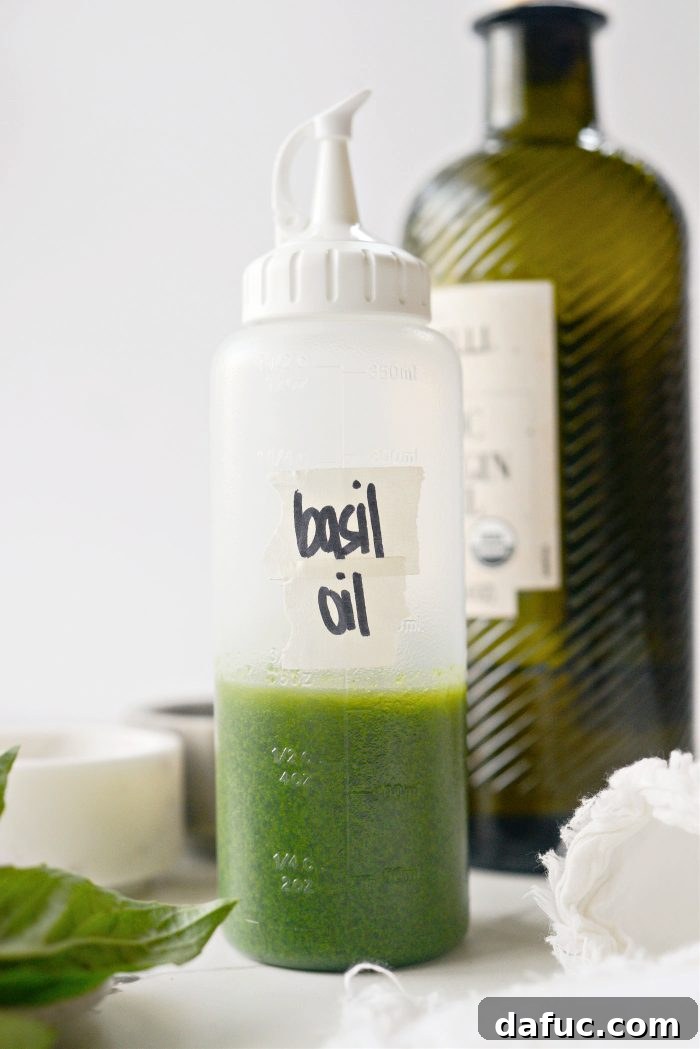
Optimal Storage for Preserving Basil Oil’s Freshness and Color
Proper storage techniques are absolutely critical to maintaining the vibrant color, fresh aroma, and exquisite flavor of your homemade basil oil. Given that this recipe includes fresh garlic, adherence to food safety guidelines is paramount to prevent the growth of harmful bacteria like Clostridium botulinum, which can thrive in anaerobic (oxygen-free) environments at room temperature. Always store basil oil correctly.
Refrigeration: Short-Term Freshness
For immediate use and short-term storage, transfer your freshly made basil oil into an impeccably clean, airtight container or a glass jar with a tight-fitting lid. Store this in the refrigerator. When properly stored in this manner, your basil oil will remain fresh and delicious for up to 1 week. It’s important to note that good quality olive oil, especially extra virgin varieties, may solidify or become cloudy when chilled in the refrigerator. This is a completely normal occurrence and does not affect the oil’s quality; it will return to its liquid state and clear up when brought to room temperature before use. To prevent contamination and extend its shelf life within the recommended timeframe, always use a clean spoon or utensil each time you retrieve oil from the container.
Freezing: Long-Term Flavor Preservation
For those who wish to enjoy the taste of summer basil year-round, homemade basil oil freezes exceptionally well, making it a perfect candidate for long-term storage.
Method 1: Convenient Ice Cube Trays:
- Portion: Carefully pour the basil oil into standard ice cube trays. This method creates convenient, pre-portioned servings that are easy to thaw and use individually.
- Seal with Oil (Optional but Recommended): For an added layer of protection against freezer burn and to help intensely preserve the basil’s vibrant green color, consider pouring a thin layer of fresh olive oil over the top of each basil oil cube before placing the trays in the freezer. This creates a natural barrier.
- Freeze Solid: Place the ice cube trays in the freezer until the basil oil is completely frozen solid, which typically takes a few hours.
- Transfer and Store: Once frozen, pop the individual basil oil cubes out of the trays. Transfer these frozen cubes into a heavy-duty, freezer-safe bag or an airtight freezer container. Make sure to squeeze out as much air as possible from bags to minimize freezer burn.
- Label: Clearly label the bag or container with the date of freezing.
Method 2: Larger Freezer-Safe Container:
- Pour and Cover: Pour the entire batch of basil oil into a freezer-safe container. Ensure there is a little headspace.
- Create an Oil Seal: To prevent oxidation and help maintain the beautiful green color, pour a thin, protective layer of fresh olive oil directly over the surface of the basil oil in the container. This creates an effective seal.
- Seal and Freeze: Securely seal the container with its lid.
- Label: Label the container with the date of freezing.
Frozen basil oil can be stored effectively for up to 1 year. When you’re ready to use it, simply thaw the desired amount in the refrigerator overnight, or for quicker use, at room temperature for a shorter period. The frozen portions are exceptionally convenient for dropping directly into hot soups, simmering sauces, or freshly cooked pasta dishes, infusing them with instant basil freshness.
Troubleshooting Common Basil Oil Issues
While making basil oil is a relatively simple process, you might occasionally encounter a few common challenges. Knowing how to address these ensures your next batch is perfect.
- “My basil oil turned brown or dull green!” This is almost always due to oxidation. The key culprits are exposure to air and insufficient acidity.
- Prevention: Ensure you generously use fresh lemon juice, as its acidity is crucial for stabilizing the chlorophyll. Work quickly once the basil is blended, transferring it to an airtight container. Consider the blanching technique (mentioned above) for an even more robust green.
- Solution: Unfortunately, once it’s browned, the color is difficult to fully restore. Focus on prevention for your next batch.
- “My basil oil is too thick for drizzling.” This means you need a higher oil-to-basil ratio for your desired consistency.
- Prevention: Start with the recommended amount of olive oil, but be prepared to adjust.
- Solution: Simply add a bit more olive oil (start with a tablespoon or two) and blend again for a few seconds until you achieve your preferred thinner, drizzling consistency.
- “My basil oil tastes bitter or too pungent.” Bitterness can stem from a few sources.
- Prevention: Over-processing can sometimes “bruise” the basil leaves, releasing bitter compounds. Blend just until smooth and no longer. Using an olive oil that is overly strong or peppery might also contribute. Finally, too much garlic can create an overpowering pungency.
- Solution: For a batch that’s already made, you can try adding a tiny pinch of sugar or a bit more lemon juice to balance the bitterness. For the next batch, reduce garlic, use a milder olive oil, and avoid over-blending.
- “How do I ensure maximum flavor every time?”
- Prevention: Always use the freshest basil possible – ideally harvested just before blending. Utilize high-quality extra virgin olive oil. Don’t skimp on fresh lemon juice and ensure your salt and pepper are perfectly balanced. Taste and adjust!
Frequently Asked Questions About Homemade Basil Oil
- Can I substitute dried basil for fresh basil in this recipe?
- No, absolutely not. This recipe relies entirely on the vibrant flavor, delicate texture, and bright green color that only fresh basil leaves can provide. Dried basil has a completely different flavor profile and will not yield the same aromatic, visually appealing oil.
- Is it safe to store homemade basil oil with garlic at room temperature?
- No, it is critically important for food safety that homemade basil oil containing fresh garlic (or any fresh herbs) be stored exclusively in the refrigerator or freezer. Garlic stored in oil at room temperature, especially in an anaerobic environment, creates a high-risk condition for the growth of Clostridium botulinum, the bacteria responsible for botulism. Always refrigerate immediately and use within a week, or freeze for longer storage.
- Can I easily scale this recipe to make a larger batch?
- Absolutely! This recipe is incredibly adaptable and can easily be scaled up or down. Just ensure that you have a blender or food processor with sufficient capacity to comfortably accommodate the increased volume of ingredients without overcrowding.
- What’s the main difference between basil oil and traditional pesto?
- The primary differences lie in consistency and ingredients. Basil oil is typically thinner, designed for drizzling, and is free of nuts and cheese. Traditional pesto, on the other hand, is a thicker sauce that typically includes pine nuts (or other nuts), Parmesan cheese, and sometimes Pecorino Romano, often used as a coating for pasta or a spread.
- Can I use other types of oil instead of olive oil?
- While extra virgin olive oil is highly recommended for its robust flavor and health benefits, which pair exceptionally well with basil, you could experiment with other neutral-flavored oils. Options like avocado oil, grapeseed oil, or a very light vegetable oil could work, but be aware that using them will alter the final flavor profile and might lack the depth that EVOO provides.
- How can I make my basil oil even greener?
- Beyond using fresh lemon juice and minimizing air exposure, the best technique for achieving an exceptionally vibrant green is to briefly blanch the basil leaves in boiling water, then immediately shock them in an ice bath before drying thoroughly and blending. This locks in the chlorophyll.
Conclusion: Unlock a World of Flavor with Homemade Basil Oil
Embarking on the journey of making your own basil oil is a delightfully simple act that promises bountiful culinary rewards. It transcends the definition of a mere condiment; it is a vibrant infusion of pure freshness, capable of elevating your everyday meals into something truly extraordinary with minimal effort. With its captivating emerald green hue and the aromatic embrace of fresh basil, zesty lemon, and pungent garlic, this homemade staple is destined to swiftly become an indispensable part of your kitchen repertoire. It’s a testament to the power of fresh ingredients and simple techniques. So, gather your pristine basil, fire up your blender, and prepare to drizzle your way to a symphony of deliciousness that will impress your family and friends alike. Enjoy the freshness, revel in the flavor, and make this vibrant basil oil your new secret weapon in the kitchen!
Easy Basil Oil Recipe
This Easy Basil Oil Recipe is the perfect way to add a vibrant pop of color and an incredible burst of fresh flavor to all your favorite dishes. Drizzle it generously over grilled or roasted vegetables, swirl it into a comforting soup, toss with pasta, or use it as a dynamic dressing for salads. Simple, quick, and utterly delicious!
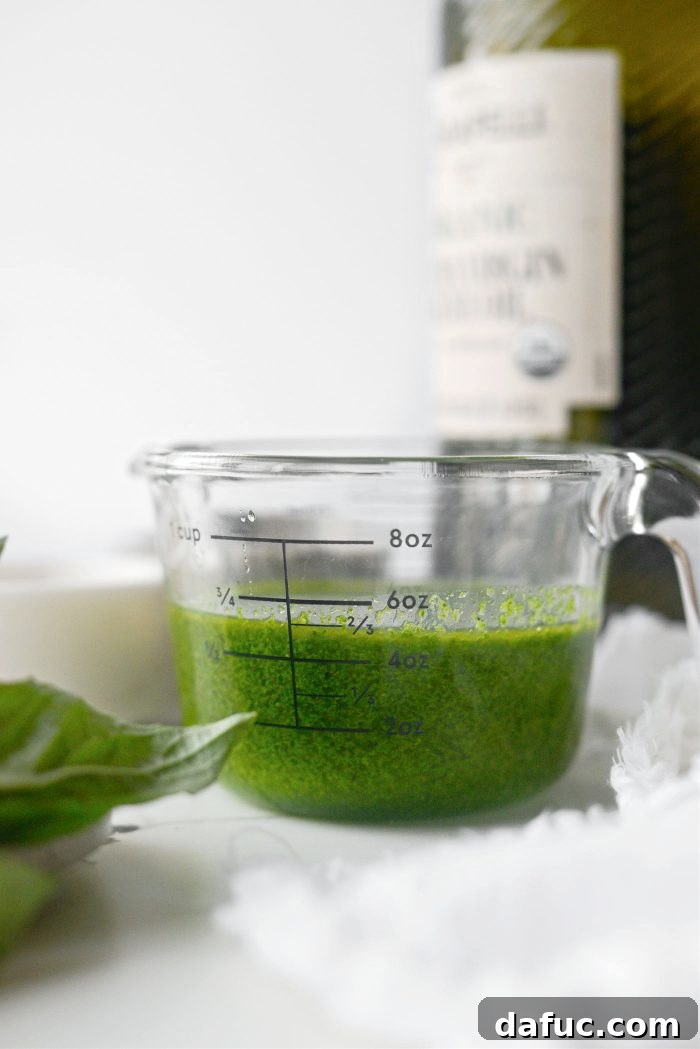
This recipe will yield approximately ⅔-cup, which translates to 10 (1-tablespoon) servings, perfect for sharing or enjoying throughout the week.
Recipe Overview
- Yield: 10 servings (approximately ⅔ cup total, 1 tablespoon per serving)
- Prep Time: 5 minutes
- Total Time: 5 minutes
- Author: Laurie McNamara
- Course: Homemade Ingredients & Condiments
- Cuisine: Italian
Ingredients You’ll Need:
- 3/4 cup fresh basil leaves, firmly packed
- 2 small to medium cloves fresh garlic, smashed and peeled (adjust quantity to your taste preference)
- 1 tablespoon fresh lemon juice (essential for flavor and color preservation)
- 1/2 cup good quality olive oil (extra virgin olive oil recommended for best flavor)
- 1/2 teaspoon kosher salt
- 1/4 teaspoon freshly ground black pepper
Recommended Equipment:
- Personal Blender or Mini Food Processor (e.g., a compact blender like the Zwilling Enfinigy Personal Blender or a KitchenAid Cordless 5-cup Food Chopper works perfectly)
Step-by-Step Instructions:
- Combine Ingredients: Add all the measured ingredients – the 3/4 cup of packed fresh basil leaves, 1/2 cup of olive oil, the 2 smashed and peeled garlic cloves, 1 tablespoon of fresh lemon juice, 1/2 teaspoon of kosher salt, and 1/4 teaspoon of freshly ground black pepper – into the pitcher of your personal blender or the bowl of your mini food processor.
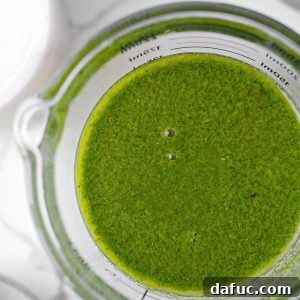
- Blend Until Smooth: Secure the lid tightly on your appliance. Process the ingredients until the mixture is completely blended, smooth, and has achieved a uniform consistency. You may need to pause the blending cycle once or twice to scrape down any ingredients that cling to the sides of the container, ensuring everything is thoroughly incorporated and evenly emulsified.
- Adjust and Serve: Taste the basil oil and adjust the seasoning if desired. If you prefer a thinner consistency for drizzling, you can add an additional tablespoon or two of olive oil and blend briefly until it reaches your preferred fluidity. Your vibrant homemade basil oil is now ready to use!
Chef’s Notes & Storage Tips:
How To Store Basil Oil: For optimal freshness and safety, always store your homemade basil oil in a clean, airtight container or a jar with a tight-fitting lid in the refrigerator. It will maintain its best quality for up to 1 week. Remember that olive oil may solidify or become cloudy when cold; this is natural and will reverse at room temperature.
How To Freeze Basil Oil for Longer Storage: To extend the enjoyment of your basil oil, it freezes beautifully. Portion the oil out into ice cube trays or store it in a single freezer-safe container. To help preserve its freshness and vibrant green color, cover the surface of the oil (or each cube) with a thin layer of fresh olive oil before freezing. If using trays, once the cubes are frozen solid, remove them and transfer to a heavy-duty freezer-safe bag or container, squeezing out excess air. Frozen basil oil can be stored for up to 1 year.
Nutrition Disclaimer: Please note that all nutritional information presented on this site and within this recipe is intended for informational purposes only and should be used as a general guideline. I am not a certified nutritionist, and individual dietary needs may vary.
Approximate Nutrition Facts (per 1 tablespoon serving)
- Calories: 97 kcal
- Carbohydrates: 0.3g
- Protein: 0.1g
- Fat: 11g
- Saturated Fat: 1g
- Polyunsaturated Fat: 1g
- Monounsaturated Fat: 8g
- Sodium: 0.4mg
- Potassium: 9mg
- Fiber: 0.05g
- Sugar: 0.05g
- Vitamin A: 95 IU
- Vitamin C: 1mg
- Calcium: 4mg
- Iron: 0.1mg