
The Ultimate Guide to Homemade Teriyaki Sauce: Easy, Flavorful & Versatile
Are you tired of bland, store-bought teriyaki sauce filled with unknown ingredients and excessive sodium? Imagine creating a vibrant, flavorful teriyaki sauce right in your own kitchen with just a few pantry staples and about 10 minutes of your time. This comprehensive guide will not only walk you through the simple steps to make a delicious base teriyaki sauce but also empower you to customize it with four exciting variations. Perfect for stir-fries, marinades, or glazes, this homemade teriyaki sauce recipe promises to elevate your Asian-inspired dishes to a whole new level of taste and freshness. One batch yields approximately 1 cup of this incredible sauce, enough to transform multiple meals.
Why Choose Homemade Teriyaki Sauce?
For years, home cooks have relied on store-bought options for their stir-fries and Asian dishes. However, crafting your own teriyaki sauce offers numerous advantages that pre-made versions simply can’t match. It’s a game-changer for anyone looking to control their ingredients, enhance flavor, and enjoy healthier meals.
Unmatched Freshness and Flavor
The biggest appeal of homemade teriyaki sauce lies in its superior taste. By using fresh garlic and ginger, you unlock aromatic notes that are far more potent and complex than anything you’d find in a bottle. The balance of sweet, savory, tangy, and umami flavors is perfectly tuned, giving your dishes a restaurant-quality finish that store-bought sauces often lack. This vibrant freshness is truly the hallmark of a sauce made from scratch.
Control Over Ingredients for Healthier Eating
Many commercial teriyaki sauces are loaded with high fructose corn syrup, artificial colors, preservatives, and exorbitant amounts of sodium. When you make it yourself, you dictate what goes in. You can opt for low-sodium soy sauce, adjust sugar levels to your preference, and avoid any unwanted additives. This is especially beneficial for those with dietary restrictions or health-conscious individuals who prioritize clean eating and understanding exactly what they consume. You can easily make it gluten-free by using tamari.
Cost-Effective and Convenient
While the initial cost of purchasing all the individual ingredients might seem higher, a well-stocked pantry often means you already have most of what you need. Ingredients like soy sauce, brown sugar, and cornstarch are kitchen staples, and fresh ginger can even be stored in the freezer for extended use, making it readily available. Making your own sauce from scratch can be more economical in the long run, saving you trips to the grocery store for specialty sauces that often come with a premium price tag.
Incredibly Versatile and Adaptable
Beyond being an excellent stir-fry sauce, homemade teriyaki opens up a world of culinary possibilities. It serves as a fantastic marinade for chicken, beef, pork, or tofu, infusing them with incredible depth. It can also be reduced to a glossy glaze for grilled meats or roasted vegetables, adding a rich, caramelized finish. Furthermore, it makes an exquisite dipping sauce for appetizers like dumplings or spring rolls. The ability to customize the base with various additions means you can tailor it to any dish or palate, ensuring it always hits the right note.
Essential Ingredients for Your Perfect Teriyaki Sauce
Creating this flavorful sauce requires a handful of simple ingredients, most of which you likely already have. The key is using fresh, high-quality components to achieve the best taste. Here’s what you’ll need and why each ingredient is crucial for that authentic teriyaki experience:
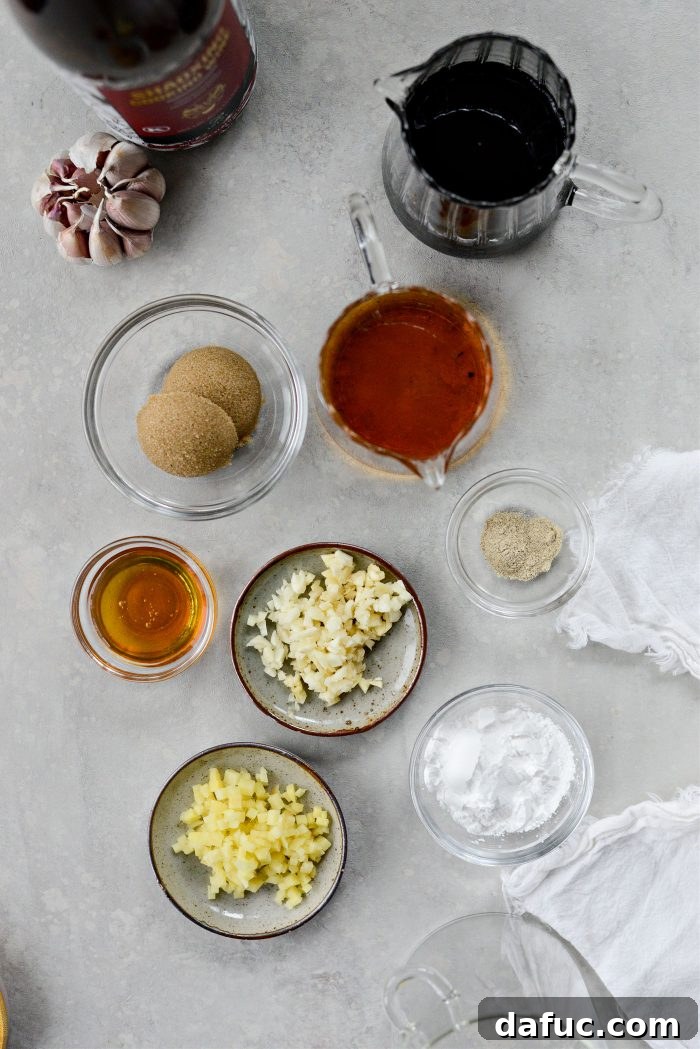
- Dark Brown Sugar: More than just a sweetener, dark brown sugar provides a rich, molasses-like caramel flavor that adds depth and complexity to the sauce. It perfectly balances the savory notes of the soy sauce and contributes to the sauce’s appealing color and slight stickiness.
- Cornstarch: This unassuming ingredient is the secret to achieving that signature glossy, thick consistency characteristic of a perfect teriyaki sauce. Cornstarch acts as a superb thickening agent, ensuring your sauce clings beautifully to your food without being watery, making every bite flavorful.
- Honey: Offering an additional layer of natural sweetness, honey also contributes unique floral undertones and a beautiful sheen to the finished sauce. Its stickiness complements the brown sugar, creating a well-rounded and subtly complex sweetness that elevates the overall flavor.
- Fresh Garlic: A foundational aromatic, fresh minced garlic delivers a pungent, savory punch that is indispensable for authentic Asian flavors. Always opt for freshly minced garlic over powdered versions for the most vibrant and impactful taste.
- Fresh Ginger: Lending a distinct pungent, spicy, and subtly sweet flavor, fresh ginger is a cornerstone of teriyaki cuisine. Its invigorating warmth adds a vibrant kick that brightens and elevates the entire sauce. Pro tip: Keep fresh ginger root in your freezer; it grates easily when frozen, saving you prep time!
- White Pepper: Brighter, slightly sharper, and with more herbaceous notes than traditional black pepper, white pepper provides a subtle heat and a nuanced flavor profile that enhances the other ingredients without overpowering them. It’s a classic addition to many Asian sauces for a reason.
- Low-Sodium Soy Sauce: This forms the savory and umami-rich base of your teriyaki. Using a low-sodium version is highly recommended as it allows you to control the saltiness of the final sauce, making it healthier and ensuring the other delicate flavors can truly shine through. For a gluten-free option, substitute with low-sodium tamari, which offers a similar flavor profile without the gluten.
- Mirin (or Sake/Shaoxing Wine): Mirin, a sweet Japanese rice wine, is essential for authentic teriyaki, providing a delicate sweetness, a slight tang, and a wonderful gloss to the sauce. Its unique fermentation profile adds complexity. If mirin is unavailable, dry sake or Chinese Shaoxing wine can be used as suitable substitutes, though the flavor profile may vary slightly, with sake being drier and Shaoxing wine offering a deeper, savory nuance.
Step-by-Step Preparation: Crafting Your Base Teriyaki Sauce
Making this homemade teriyaki sauce is incredibly straightforward and takes minimal effort. With just a few simple steps, you’ll have a perfectly balanced and flavorful sauce ready to use in any dish.
-
Gather and Combine Dry and Wet Ingredients
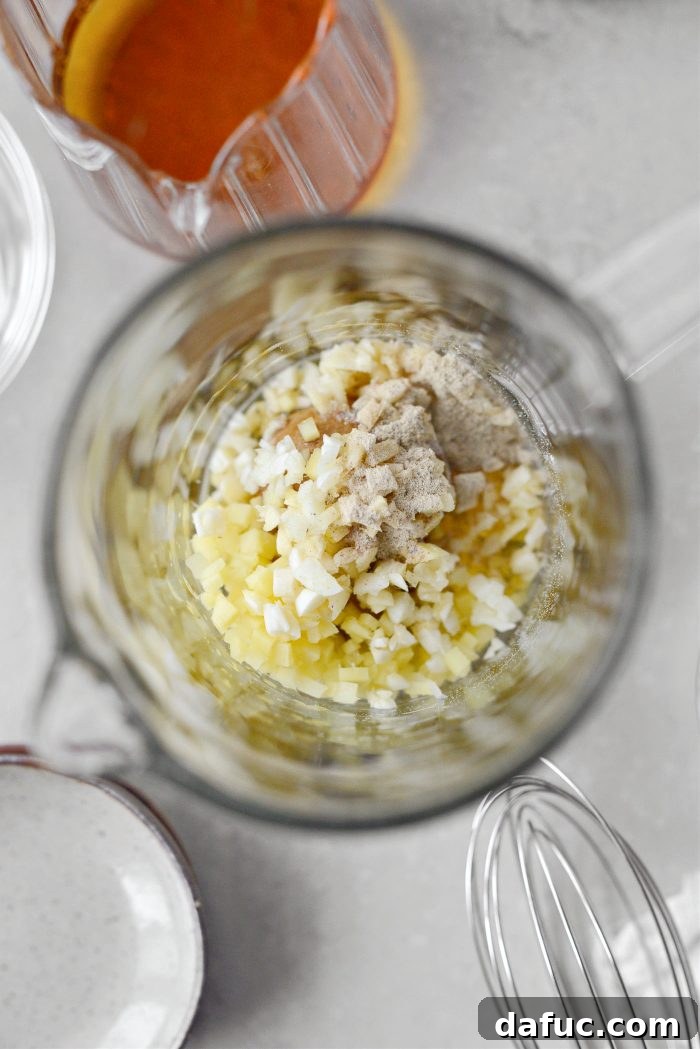
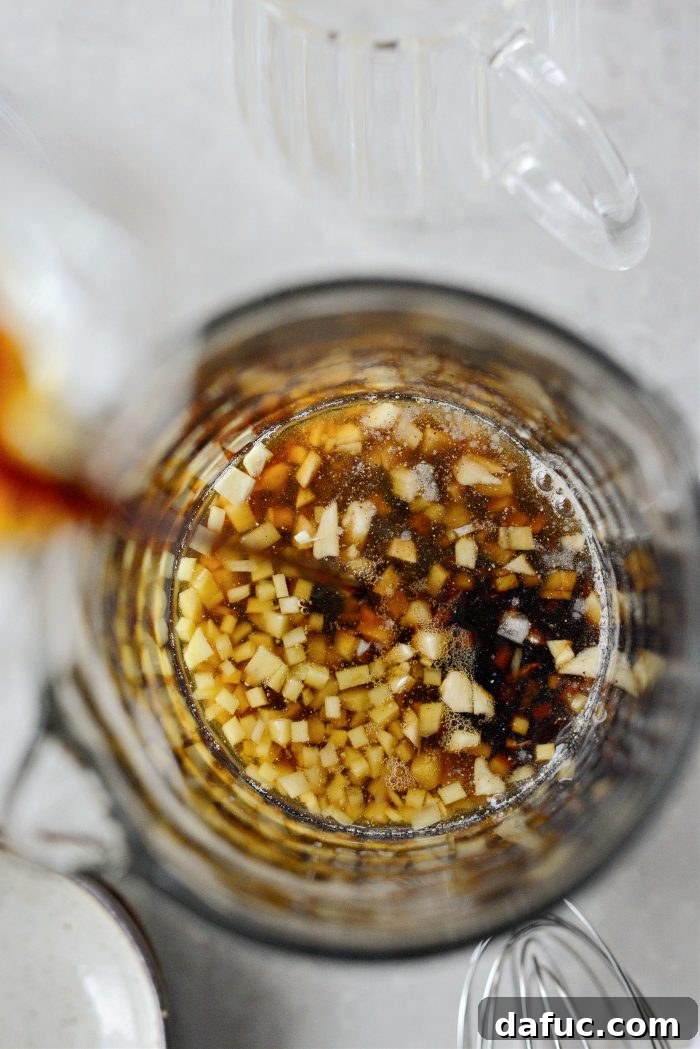
In a medium-sized glass bowl, measure out and add all your dry and semi-liquid ingredients: 2 tablespoons of dark brown sugar, 1 tablespoon of cornstarch, 1 tablespoon of honey, 2 cloves of finely minced fresh garlic, 1-1/2 tablespoons of finely chopped fresh ginger, and 1/4 teaspoon of ground white pepper. It’s crucial that the garlic and ginger are minced very finely to ensure their flavors are fully dispersed throughout the sauce.
-
Incorporate the Liquid Base
Next, carefully pour in the primary liquid components: 1/2 cup of low-sodium soy sauce (remember to use low-sodium tamari if you prefer a gluten-free option) and 1/4 cup of mirin. If mirin is not accessible in your local grocery store, 1/4 cup of dry sake or Shaoxing wine will also work well, contributing a similar depth of umami and fermentation notes to the sauce.

-
Whisk Until Perfectly Smooth
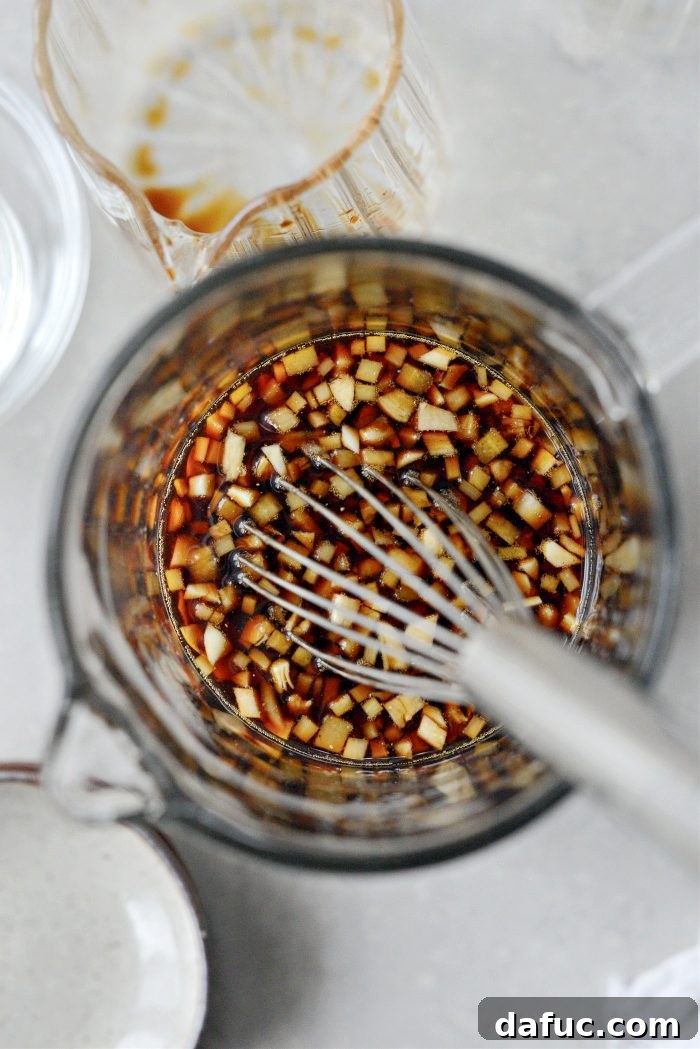
Using a whisk or a small rubber spatula, vigorously stir all the ingredients together in the bowl. Continue whisking until the brown sugar and honey are completely dissolved, ensuring there are no granular bits remaining. Equally important is to whisk until the cornstarch is fully incorporated, preventing any lumps and guaranteeing a smooth, uniform consistency for your finished sauce.
-
Your Sauce is Ready
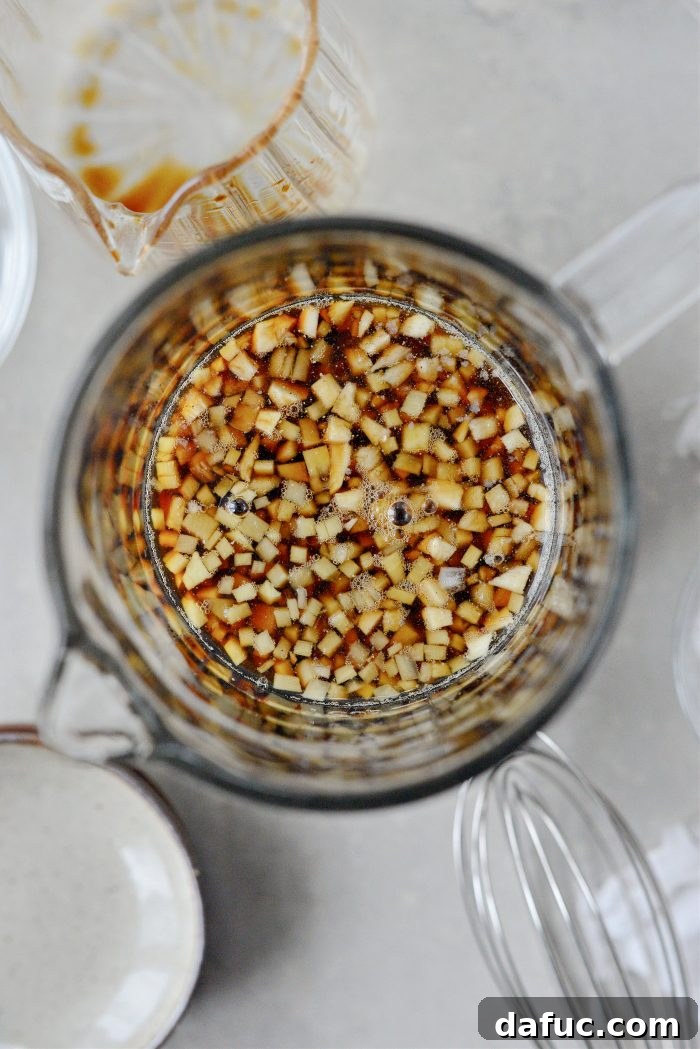
Once thoroughly combined and smooth, your homemade teriyaki sauce is ready! The sauce will appear slightly opaque with a consistent texture. It’s now perfect for immediate use in your cooking or for adding your preferred flavor variations to personalize it further.
Unleash Your Creativity: Exciting Teriyaki Sauce Variations
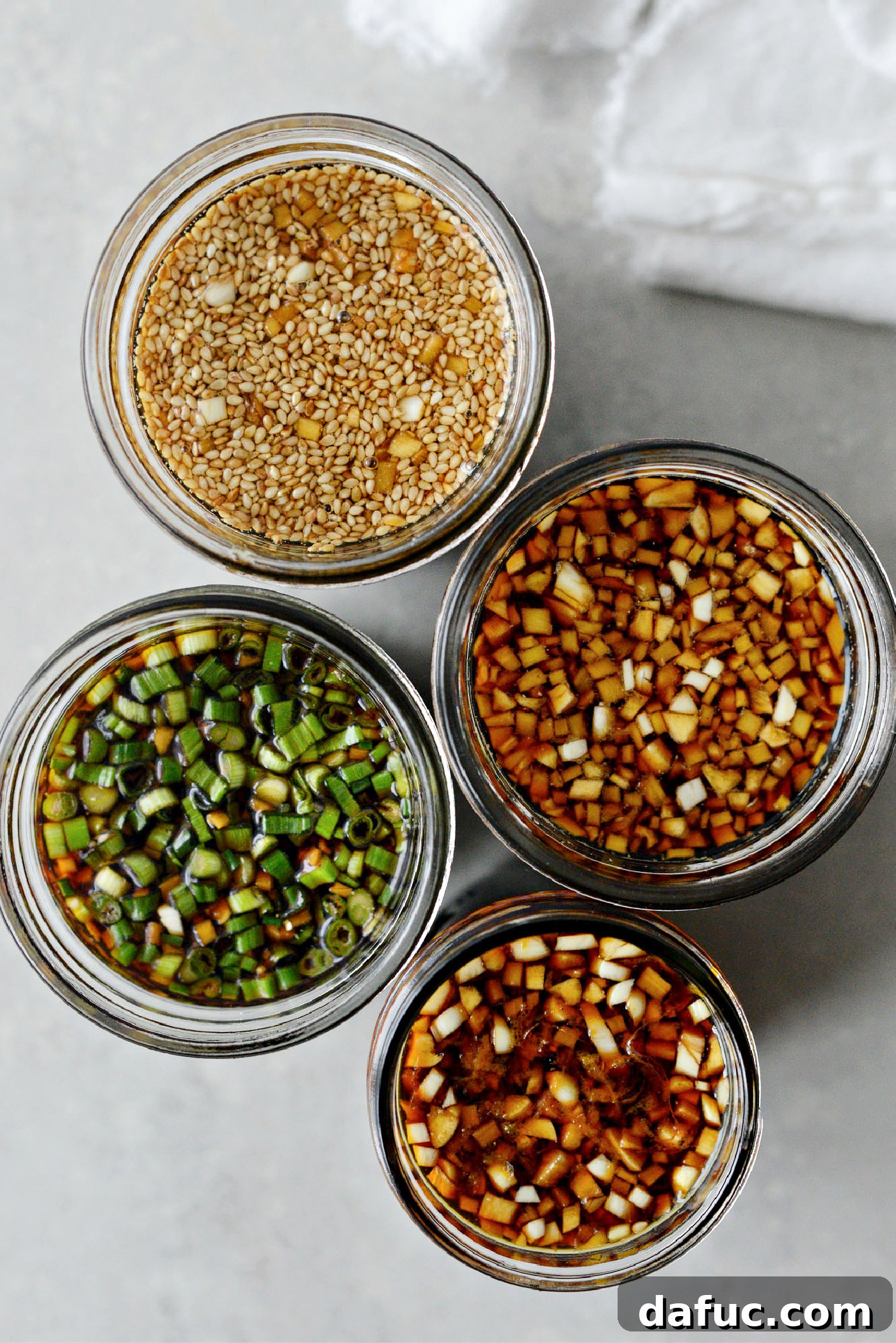
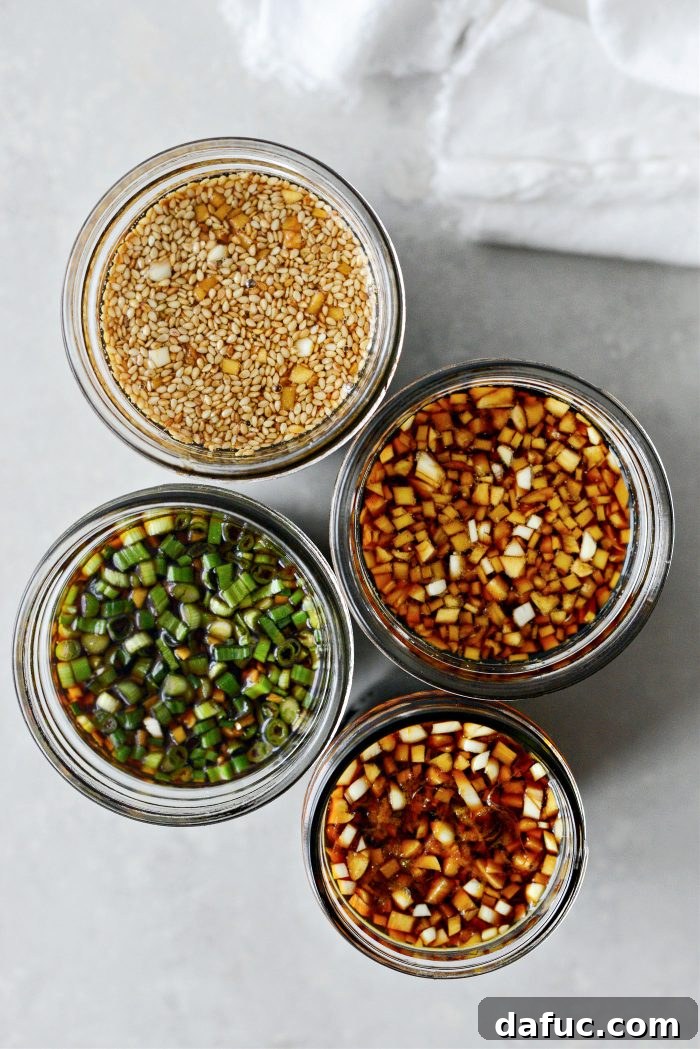
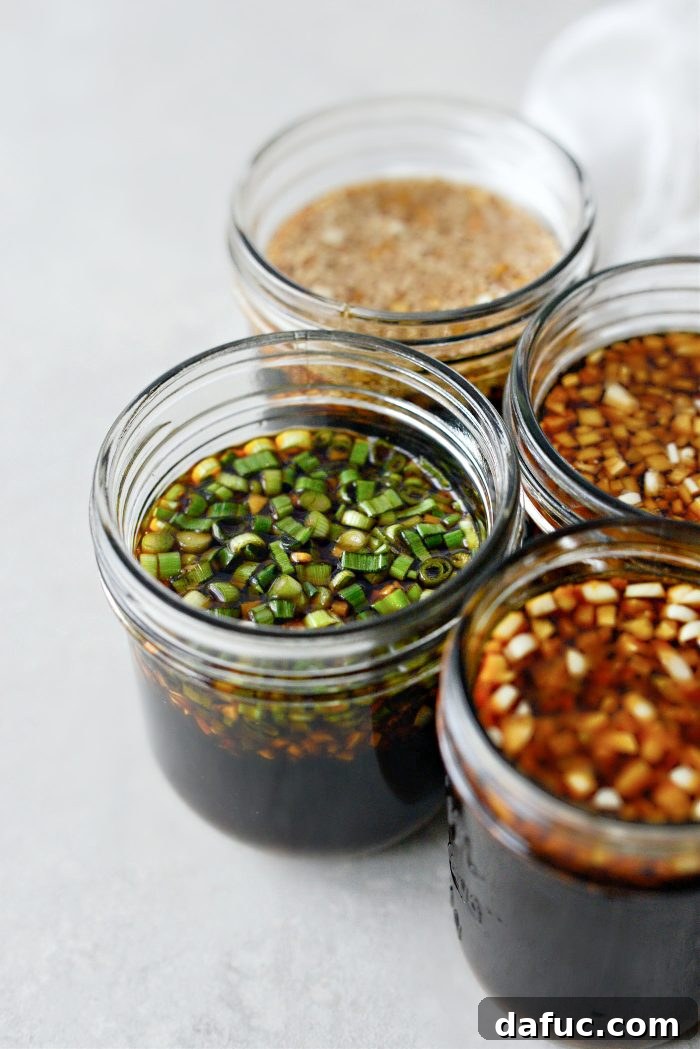
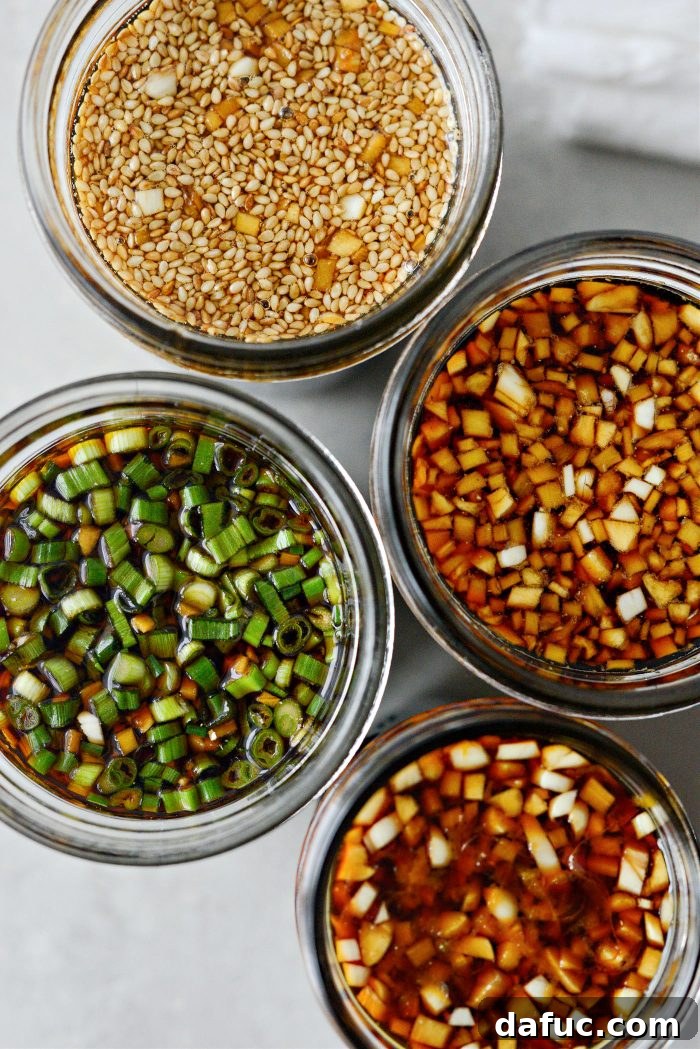
The beauty of this base teriyaki recipe is its incredible adaptability. Once you’ve mastered the classic, you can easily experiment with different additions to create unique flavor profiles that cater to various dishes and palates. Here are four delicious variations to inspire your culinary adventures:
Citrus Teriyaki Sauce
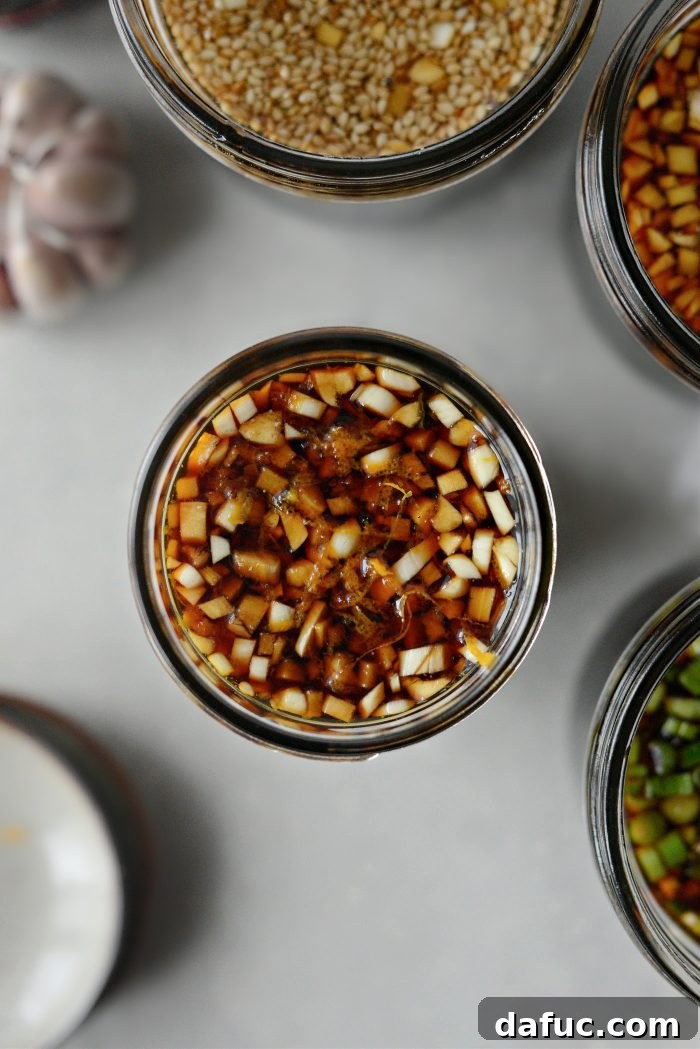
For a bright, refreshing, and zesty twist, simply add the finely grated zest of one whole orange (which typically yields about 1 tablespoon) to your prepared base teriyaki recipe. The vibrant citrus notes provide a wonderful tangy counterpoint to the savory sauce, creating a lighter and more aromatic profile. This variation pairs wonderfully with delicate proteins like chicken or white fish, and can also elevate vegetable stir-fries with its aromatic burst. It’s particularly appealing for those who enjoy a hint of freshness in their savory dishes.
Green Onion Teriyaki Sauce
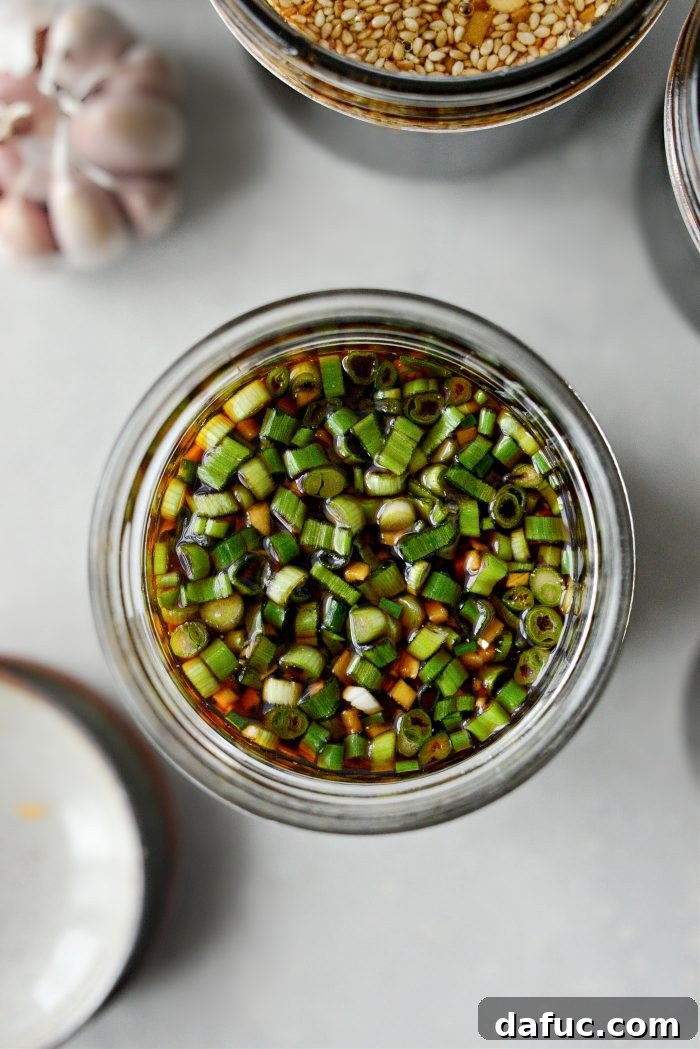
To infuse your sauce with a mild, subtly pungent, and incredibly fresh oniony flavor, incorporate 4 sliced green onions (utilizing both the white and dark green parts) into the base recipe. Green onions add a gentle savory depth and a lovely visual appeal with their flecks of green. This variation is ideal for chicken, pork, or tofu dishes where you want an extra layer of aromatic freshness and a slight, pleasant bite. If kept slightly chunky, they also provide a delightful textural element.
Sesame Teriyaki Sauce
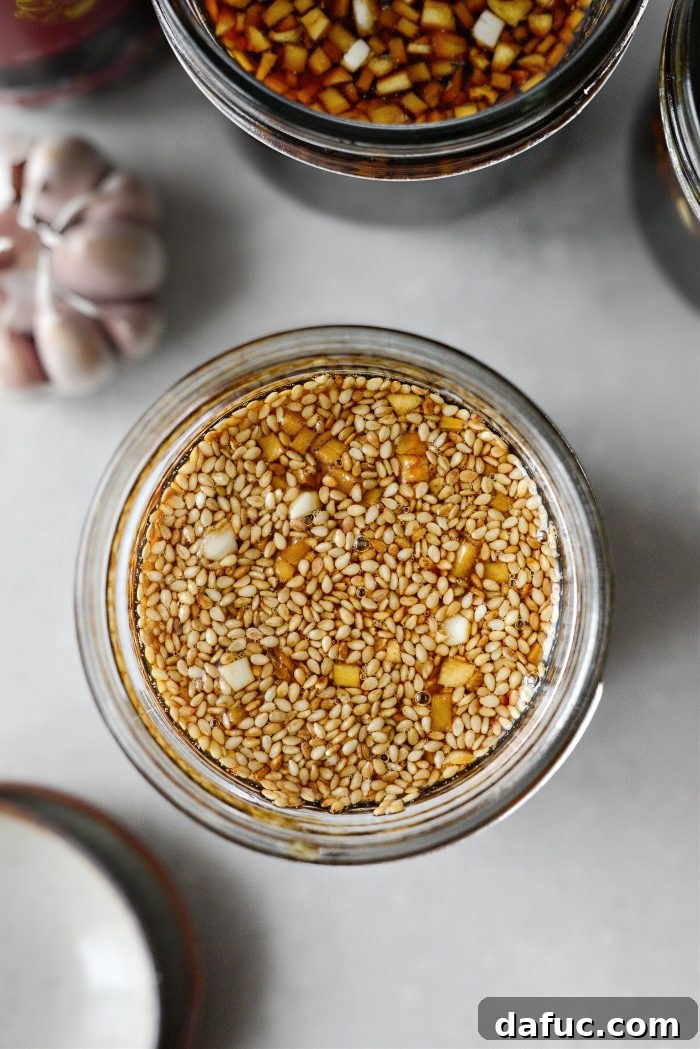
For a nutty, intensely aromatic, and deeply savory sauce, enrich your base teriyaki with 2 teaspoons of toasted sesame oil and 2 tablespoons of toasted sesame seeds. Toasted sesame oil offers an undeniable, distinctive flavor that is fundamental in many Asian cuisines, while the seeds provide a delightful crunch and enhanced visual appeal. This variation is fantastic for heartier dishes like beef stir-fries, savory noodle bowls, or as a marinade for grilled vegetables and tofu, imparting a rich, authentic East Asian taste.
Spicy Teriyaki Sauce
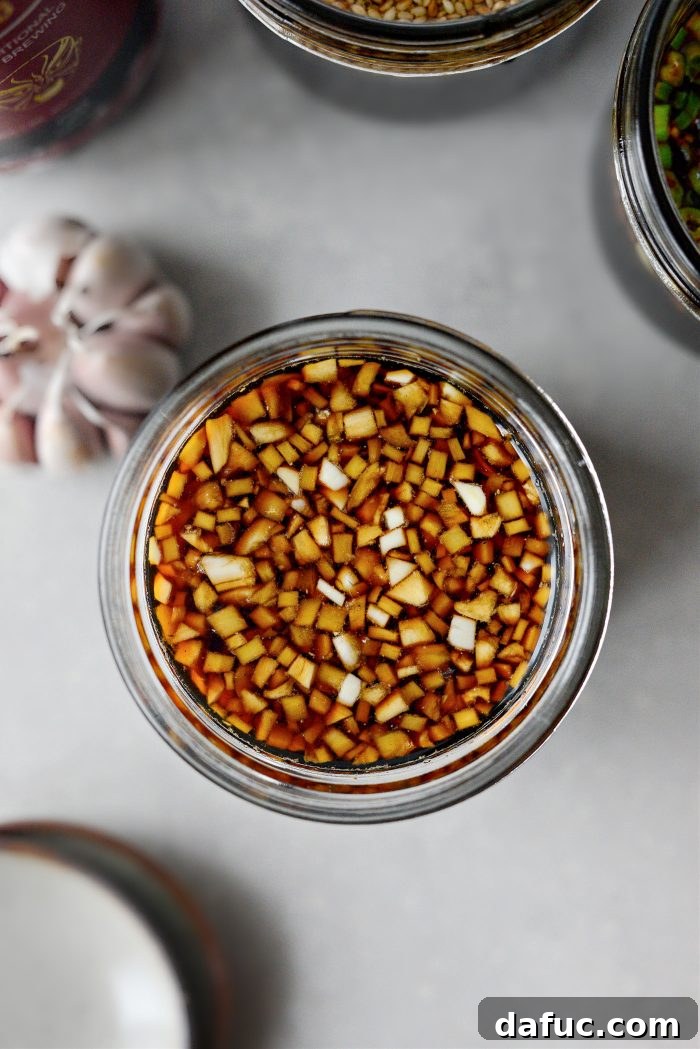
If you love a little heat and crave an extra kick, transform your classic teriyaki into a spicy sensation by adding 1 teaspoon to 1 tablespoon (or even more, depending on your preferred spice level!) of sriracha or sambal oelek to the base recipe. These popular chili pastes deliver a vibrant heat and a touch of tangy acidity that can beautifully cut through the richness of meats. This variation is perfect for those who enjoy bold flavors and a fiery element in their stir-fries, marinades, or as a dynamic dipping sauce for a wide array of appetizers.
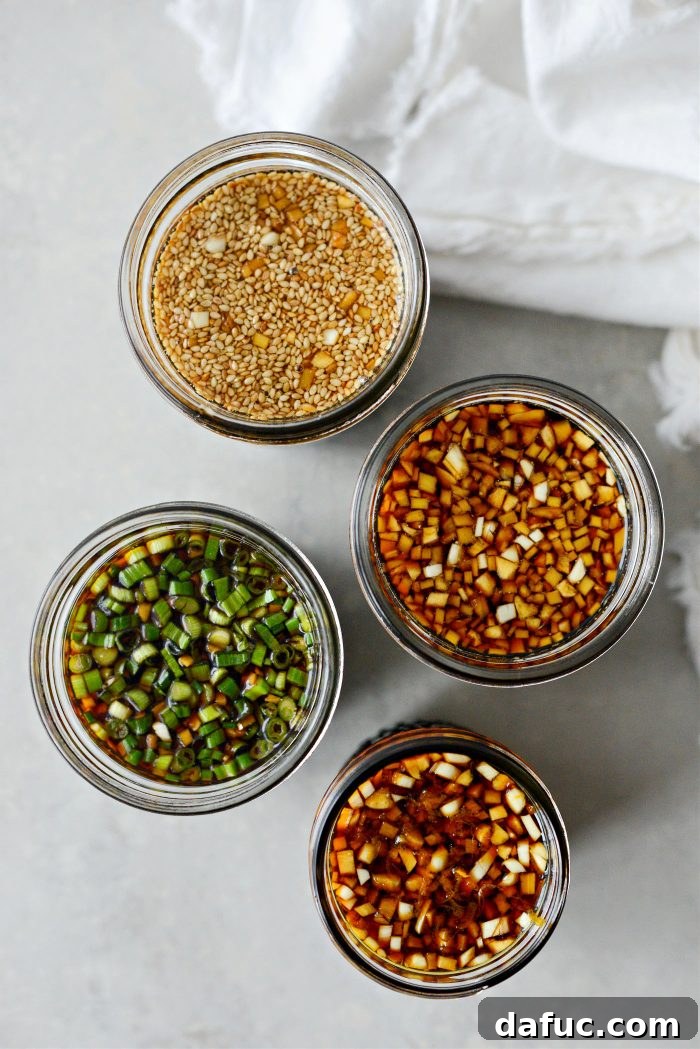
Mastering the Art of Teriyaki: Usage and Storage Tips
Now that you’ve created your incredible homemade teriyaki sauce, it’s time to put it to good use and ensure you store it properly to enjoy its freshness and flavor for as long as possible.
How to Use Your Homemade Teriyaki Sauce in Recipes:
- For Stir-fries: This is arguably the most common use. Once you’ve stir-fried your choice of meat, seafood, or vegetables in a hot wok or skillet, simply pour in your prepared teriyaki sauce. Bring the sauce to a gentle bubble, and it will quickly thicken to a beautiful, glossy consistency that perfectly coats all your ingredients. Serve immediately with steamed rice or noodles for a complete meal.
- For Grilling or Roasting (Basting/Glazing): If you plan to use this teriyaki sauce to baste grilled meats, chicken, seafood, or vegetables, a little extra step is highly recommended. Pour the desired amount of sauce into a small saucepan and bring it to a simmer over medium heat. Let it gently bubble for a few minutes until it thickens slightly. This pre-thickening prevents the sauce from simply dripping off your food on the grill or in the oven and helps it adhere beautifully, forming a delicious, caramelized glaze. Apply during the last few minutes of cooking to prevent the sugars from burning.
- As a Marinade: This sauce makes an excellent marinade due to its balanced sweet and savory profile. Place your protein of choice (chicken thighs, beef strips, pork tenderloin, or tofu cubes) in a resealable bag or shallow dish with the sauce and let it marinate in the refrigerator for at least 30 minutes, or up to 4 hours for deeper flavor penetration. Always discard any used marinade that has been in contact with raw meat before cooking, or bring it to a rolling boil for several minutes before using it as a serving sauce.
- Dipping Sauce: Serve your versatile homemade teriyaki sauce alongside appetizers like crispy spring rolls, savory gyoza, chicken nuggets, or even fresh vegetable sticks for a flavorful and satisfying dip.
How to Store Homemade Teriyaki Sauce:
To maintain its optimal freshness and robust flavor, store your homemade teriyaki sauce in an airtight container with a tight-fitting lid. A clean glass jar or a sealed plastic container works perfectly. Always keep it refrigerated to ensure its longevity and prevent spoilage.
How Long Will Homemade Teriyaki Sauce Last?
Due to the presence of fresh, perishable ingredients like garlic and ginger, your homemade teriyaki sauce is best enjoyed within 3 to 4 days when stored properly in the refrigerator. Before each use, be sure to shake or stir the sauce well, as some ingredients, particularly the cornstarch, may settle at the bottom during storage.
Can You Freeze Homemade Teriyaki Sauce?
Absolutely! Freezing is an excellent way to extend the shelf life of your teriyaki sauce, allowing you to have a delicious batch ready whenever cravings strike or when you’re short on time. You have a couple of convenient options for freezing:
- Freezer-Safe Bags: Pour the sauce into freezer-safe, re-sealable bags. To save space and facilitate quicker thawing, lay the bags flat on a baking sheet to freeze solid, then store them vertically in your freezer. This method allows for efficient thawing and easy portioning.
- Plastic Containers: Alternatively, pour the sauce into plastic freezer containers. Ensure you leave a little headspace (about an inch from the top) for expansion as the liquid freezes. Freeze for up to 3 months for best quality.
To use frozen sauce, simply transfer it from the freezer to the refrigerator and allow it to thaw overnight. Once thawed, give it a good stir before incorporating it into your favorite recipes, ensuring all the flavors are well distributed.
Homemade Teriyaki Sauce: Your Go-To Recipe Card
Print Recipe |
Pin Recipe
Homemade Teriyaki Sauce
Making homemade teriyaki sauce is easy! Just a few simple ingredients and about 10 minutes is all you need! Customize with variations mentioned below for an even more exciting flavor profile.
Ingredients
- 2 tablespoons dark brown sugar
- 1½ tablespoon cornstarch
- 1 tablespoon honey
- 2 cloves garlic, finely chopped
- 1½ tablespoons fresh ginger, peeled and minced
- 1/4 teaspoon white pepper
- 1/2 cup low-sodium soy sauce (use low-sodium tamari if gluten-free)
- 1/4 cup mirin (sake or shaoxing wine can be substituted)
Instructions
- Place all the ingredients (brown sugar, cornstarch, honey, garlic, ginger, white pepper, low-sodium soy sauce, and mirin/substitute) into a bowl.
- Whisk well until all ingredients are thoroughly combined, the brown sugar and honey are dissolved, and no lumps of cornstarch remain.
- Your homemade teriyaki sauce is now ready to use or customize with the variations listed above. Refer to the detailed usage and storage notes in the main article for best practices.
Recipe Notes
Recipe Variations:
Citrus: Add the zest of 1 orange (about 1 tablespoon).
Green Onion: Add 4 sliced green onions (both light and dark green parts).
Sesame: Add 2 teaspoons toasted sesame oil plus 2 tablespoons toasted sesame seeds.
Spicy: Add 1 teaspoon to 1 tablespoon sriracha or sambal oelek (adjust to your heat preference).
Basting Tip: If using this sauce to baste grilled meats or vegetables, pour it into a saucepan and bring it to a simmer first to thicken it, ensuring it coats your food better and forms a delicious glaze.
Nutrition Disclaimer: All information presented on this site is intended for informational purposes only. I am not a certified nutritionist, and any nutritional information shared should only be used as a general guideline. Consult with a qualified health professional for personalized advice.
Nutrition Information (Approximate per recipe yield)
Serving: 1 recipe, Calories: 379kcal, Carbohydrates: 87g, Protein: 12g, Fat: 1g, Saturated Fat: 0.1g, Polyunsaturated Fat: 0.2g, Monounsaturated Fat: 0.1g, Sodium: 5052mg, Potassium: 560mg, Fiber: 2g, Sugar: 55g, Vitamin A: 1IU, Vitamin C: 3mg, Calcium: 74mg, Iron: 2mg
Course: Homemade Ingredients & Condiments
Cuisine: Japanese
Enjoy! We truly hope you love this easy and delicious homemade teriyaki sauce as much as we do. It’s a versatile staple that will undoubtedly become a favorite in your kitchen. If you give this recipe a try, please share your experience and culinary creations with us! Snap a photo of your dish and tag us on Twitter or Instagram! Your feedback and photos inspire us to keep sharing delicious recipes!