
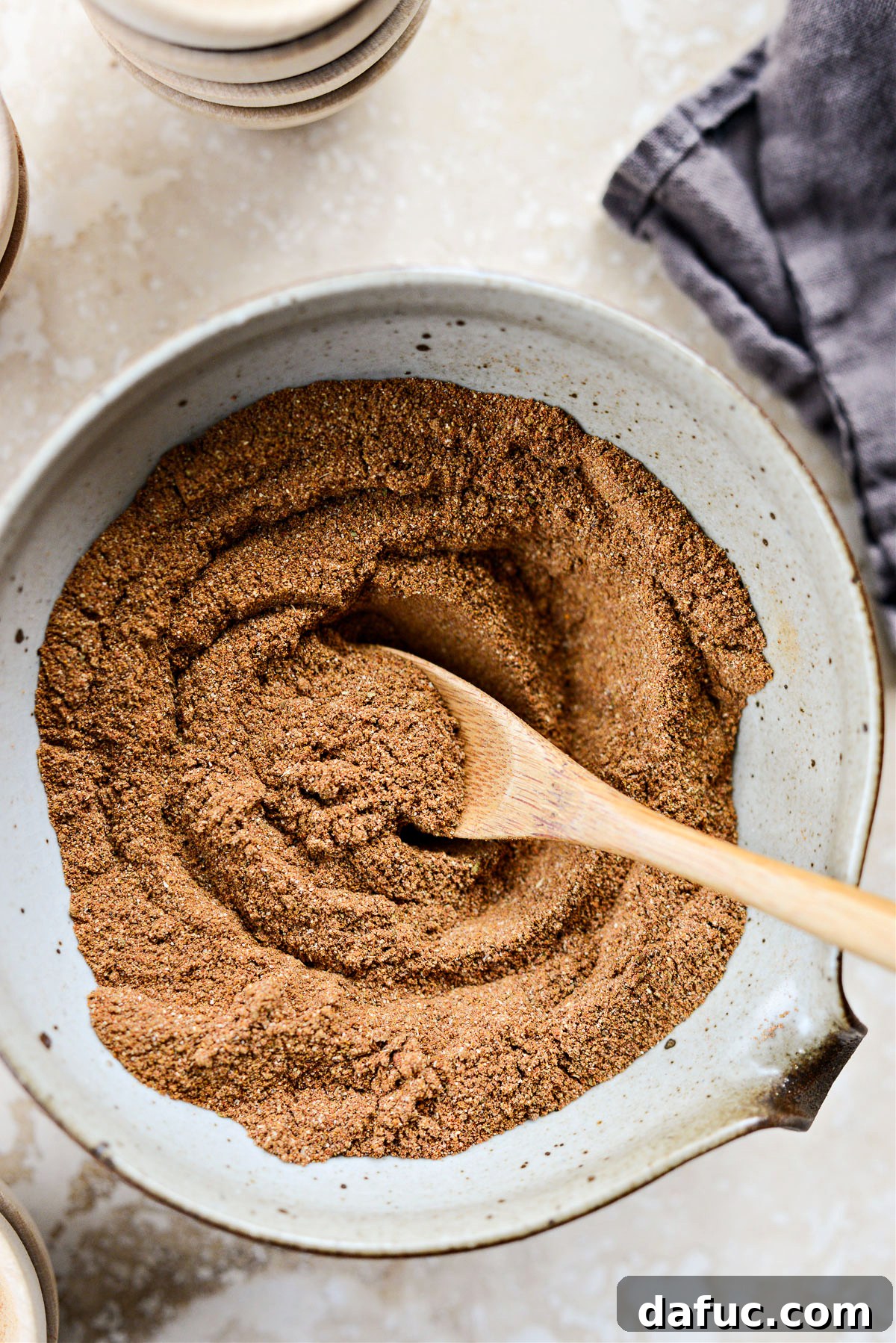
Unlock Authentic Middle Eastern Flavors with This Easy Homemade Shawarma Seasoning Blend
Tired of bland meals and complex spice cabinet searches? Imagine infusing your dishes with the vibrant, aromatic essence of authentic Middle Eastern cuisine, effortlessly. This comprehensive guide will show you how to create your very own Homemade Shawarma Seasoning blend, a robust mix of 13 warm and earthy spices that promises to transform your cooking. Forget store-bought packets – with this simple DIY recipe, you’ll have a fresh, customizable, and incredibly flavorful shawarma spice blend ready to elevate everything from succulent chicken and tender lamb to vibrant roasted vegetables, hearty soups, and flavorful stews. Get ready to embark on a culinary journey, bringing the tantalizing taste of the Levant straight into your kitchen.
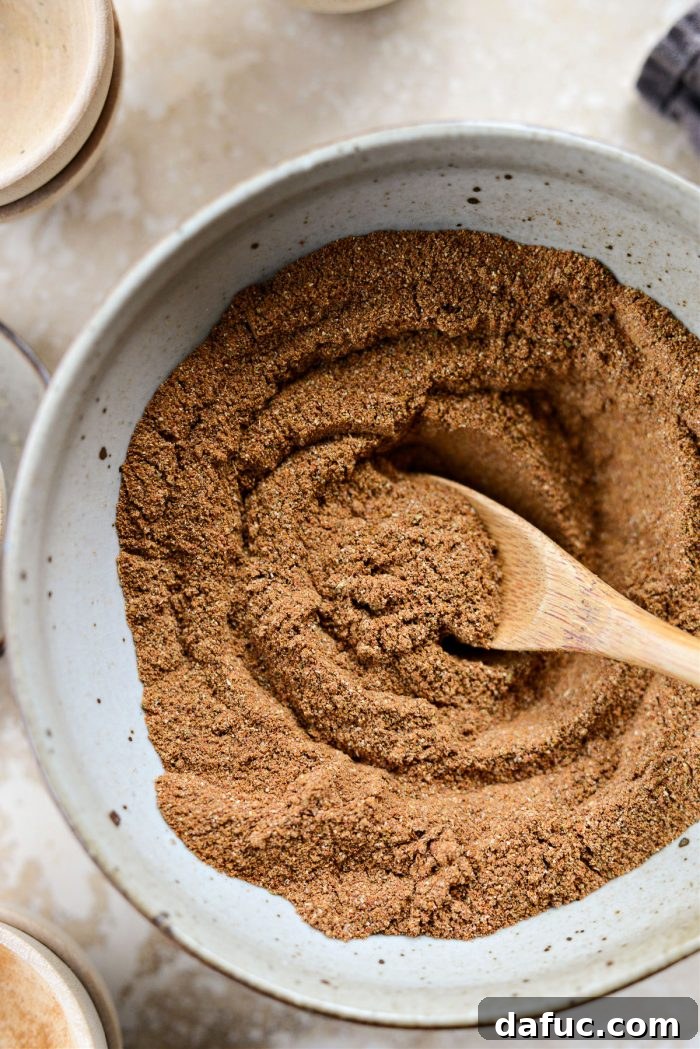
Why Craft Your Own Shawarma Seasoning? The Secret to Unforgettable Flavor
As an avid home cook, I’ve found myself making chicken shawarma time and time again. Whether it’s for delicious wraps, topping for fresh salads, or hearty rice bowls, this dish is a staple in my kitchen. During the warmer months, nothing beats grilled chicken shawarma kebabs paired with an abundance of fresh, seasonal vegetables. The reason for its frequent appearance on my menu is simple: it’s not only incredibly delicious but also surprisingly easy and bursting with flavor.
However, a minor frustration began to surface. Constantly pulling out all 13 individual spices and meticulously measuring each one out, every single time I wanted to make shawarma, became a chore. That’s when a culinary lightbulb moment struck: “Why not pre-mix a batch of this incredible seasoning so it’s always on hand?” This simple idea revolutionized my cooking routine and I quickly realized the immense benefits of preparing my own spice blends. Making your own homemade shawarma spice mix offers several advantages:
- Unmatched Freshness: Store-bought blends can sit on shelves for months, losing potency. Your homemade version will be vibrant and full of life.
- Customization: Adjust the ratios to suit your personal taste preferences. Love a bit more heat? Add extra chili powder. Prefer a stronger hint of cardamom? Go for it!
- Cost-Effective: Buying individual spices in bulk is often more economical than repeatedly purchasing pre-mixed blends.
- Convenience: A pre-mixed jar means quick meal prep. No more fumbling for multiple bottles when dinner time rolls around.
- Control Over Ingredients: Avoid unwanted anti-caking agents, excessive salt, or other additives often found in commercial blends. You know exactly what’s going into your food.
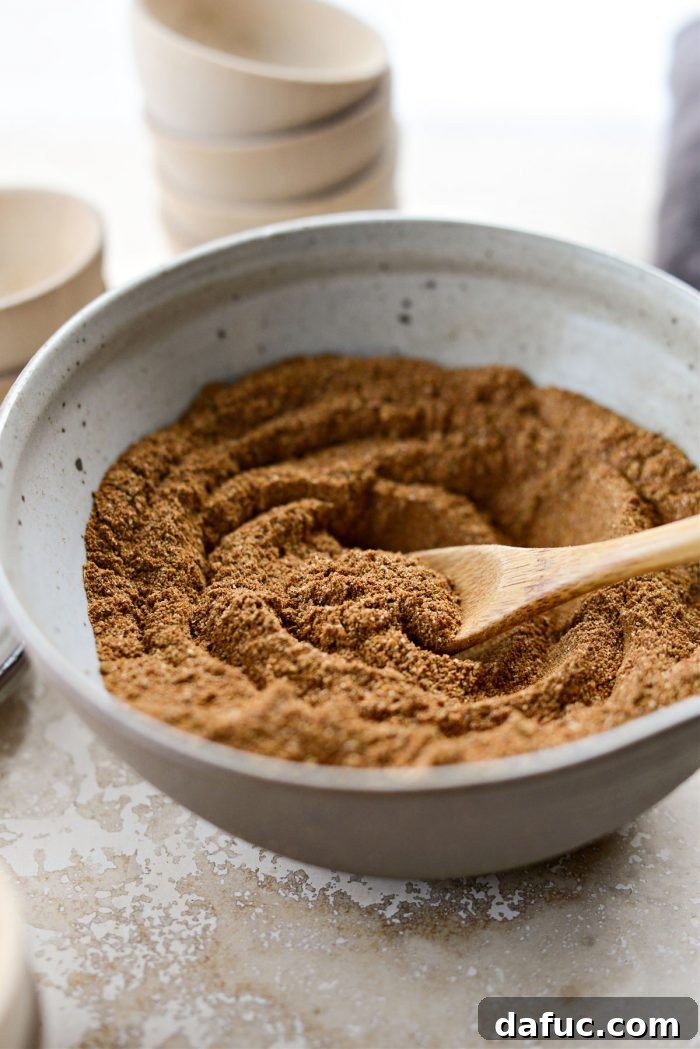
So, that’s exactly what I did. And you can too!
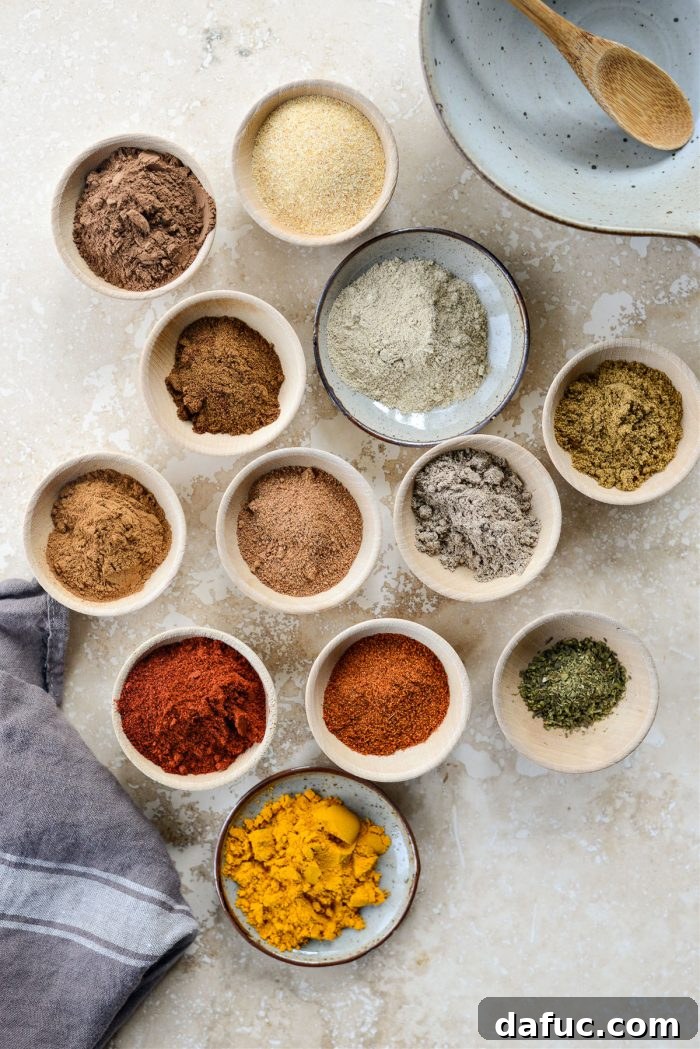
The Heart of Shawarma: A Deep Dive into the 13 Essential Spices
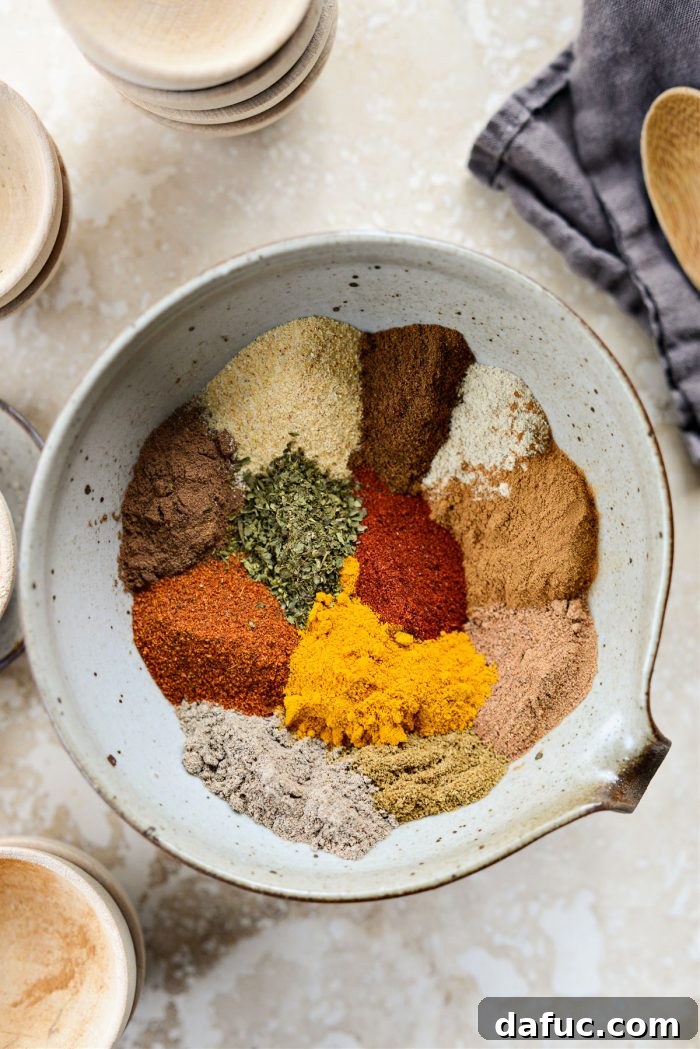
To create this irresistible homemade shawarma seasoning, you’ll need a baker’s dozen of aromatic spices. Each one plays a crucial role in building the complex, layered flavor profile that makes shawarma so unique and beloved. Let’s explore the individual contributions of these essential ingredients:
- Allspice: A truly unique spice, allspice contributes warm notes reminiscent of cloves, cinnamon, and nutmeg, living up to its name by providing a broad spectrum of warm flavors. It’s the foundational warmth in our blend.
- Garlic Powder: Offering a savory, pungent depth without the moisture of fresh garlic, garlic powder is indispensable for creating a robust base flavor that permeates your dish.
- White Pepper: Milder than black pepper with a slightly earthy, musty aroma, white pepper adds a gentle heat and a distinct, subtle complexity often favored in Middle Eastern cuisine.
- Ground Cinnamon: Sweet, warm, and woody, cinnamon brings a comforting and subtly exotic sweetness that balances the savory elements and defines the authentic taste of shawarma.
- Nutmeg: Sweet, nutty, and slightly peppery, nutmeg contributes a delicate richness and aromatic depth, enhancing the overall warmth of the spice blend.
- Clove: Highly aromatic with an intense, sweet, and pungent flavor, ground cloves add a powerful, warm, and somewhat bitter note that is quintessential to traditional shawarma.
- Ground Cardamom: Often called the “Queen of Spices,” green cardamom offers a unique, intensely aromatic, slightly sweet, and floral flavor with hints of citrus and eucalyptus. It’s a key player in the distinctive shawarma aroma.
- Ground Cumin: Earthy, warm, and slightly bitter, cumin is a cornerstone of many Middle Eastern and Indian dishes, providing a deep, savory foundation that anchors the blend.
- Chili Powder: A blend in itself (often containing chili, cumin, oregano, and garlic powder), chili powder adds a mild, approachable warmth and a reddish hue, contributing to the seasoning’s overall zest.
- Paprika: Sweet and fruity with a vibrant red color, standard paprika adds a mild pepperiness and depth, enriching the visual appeal and flavor.
- Smoked Paprika: Taking traditional paprika a step further, smoked paprika imparts a beautiful smoky aroma and flavor, adding another layer of complexity and an enticing depth that mimics slow-roasted meat.
- Oregano: Earthy, slightly bitter, and aromatic, dried oregano provides a fresh, herbaceous counterpoint to the warm spices, grounding the blend with a familiar Mediterranean touch.
- Turmeric: Known for its brilliant yellow color and earthy, slightly bitter, and peppery taste, turmeric contributes warmth, a subtle pungent note, and a beautiful golden hue to the seasoning.
Selecting the Best Spices for Your Homemade Blends
When it comes to sourcing spices for your homemade blends, the quality of your ingredients directly impacts the final flavor. While there’s no single “right” or “wrong” brand, you generally get what you pay for. Investing in good quality spices will make a noticeable difference in your cooking. Here are some tips and brands to consider:
Currently, I often use Morton & Bassett (and this is **not a sponsored endorsement**) because I consistently find their spices to be top-notch in texture, vibrant color, and intense flavor. I also appreciate their commitment to quality control and charitable work. Over the years, I’ve also had excellent experiences with other reputable brands such as Simple Organic, Frontier Co-op, and Penzys. These brands are known for their fresh, potent, and often ethically sourced spices.
Consider buying whole spices where possible and grinding them yourself for the ultimate freshness. For example, whole cumin seeds, coriander seeds, and peppercorns can be toasted and then ground just before mixing, releasing an incredible burst of aroma and flavor that pre-ground spices simply can’t match. If grinding your own isn’t feasible, always look for pre-ground spices in opaque, airtight containers and check their expiry dates to ensure maximum potency. A simple sniff test can also tell you a lot: if a spice has a faint aroma, it’s likely past its prime.
Crafting Your Signature Homemade Shawarma Seasoning
Making this blend is incredibly straightforward. It’s a simple process of measuring and combining:
In a clean jar or bowl, carefully measure and add the following spices: 2 tablespoons allspice, 2 tablespoons garlic powder, 1 tablespoon white pepper, 1 tablespoon ground cinnamon, 1 tablespoon ground nutmeg, 1 tablespoon ground clove, 1 tablespoon ground cardamom, 1 tablespoon ground cumin, 2 teaspoons chili powder, 2 teaspoons paprika, 2 teaspoons smoked paprika, 2 teaspoons dried oregano (finely crushed between your fingers to release its essential oils), and 2 teaspoons ground turmeric.
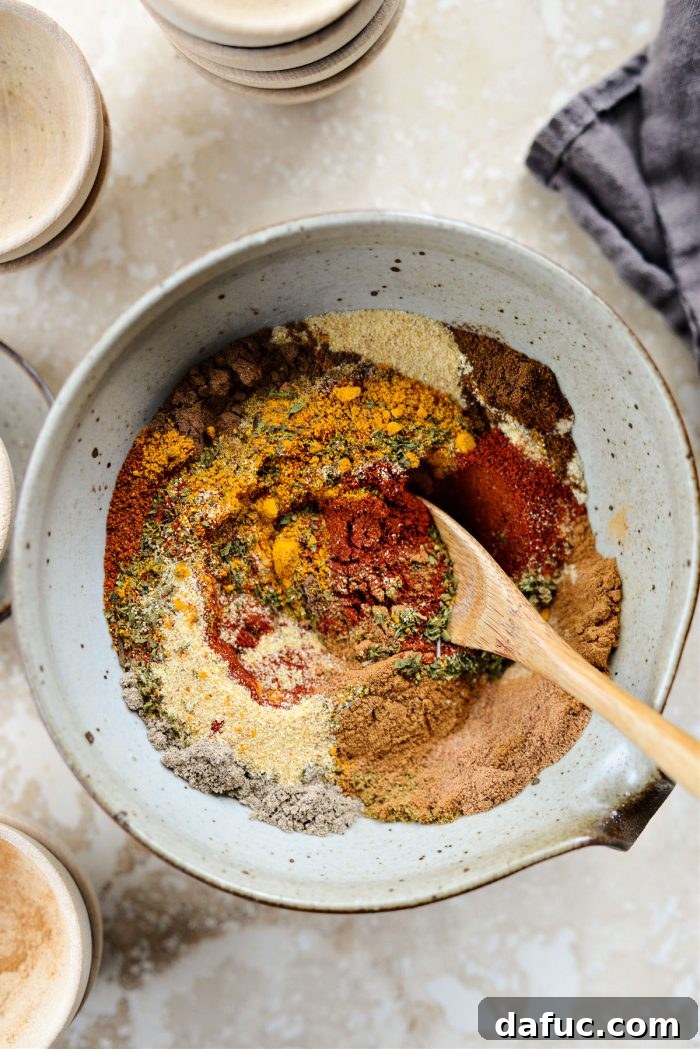
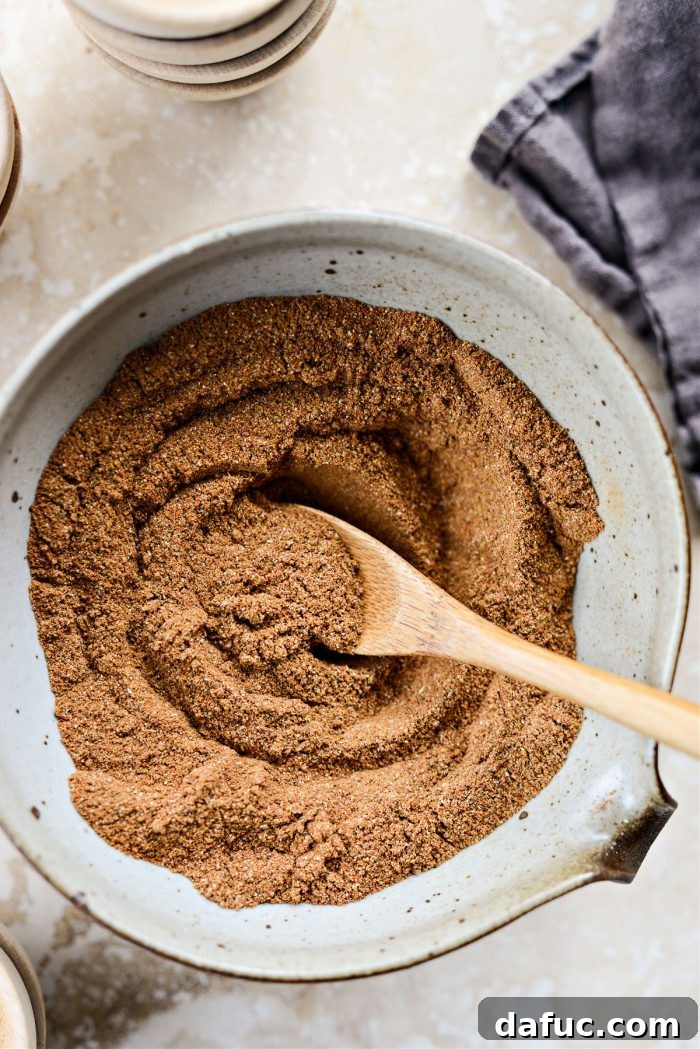
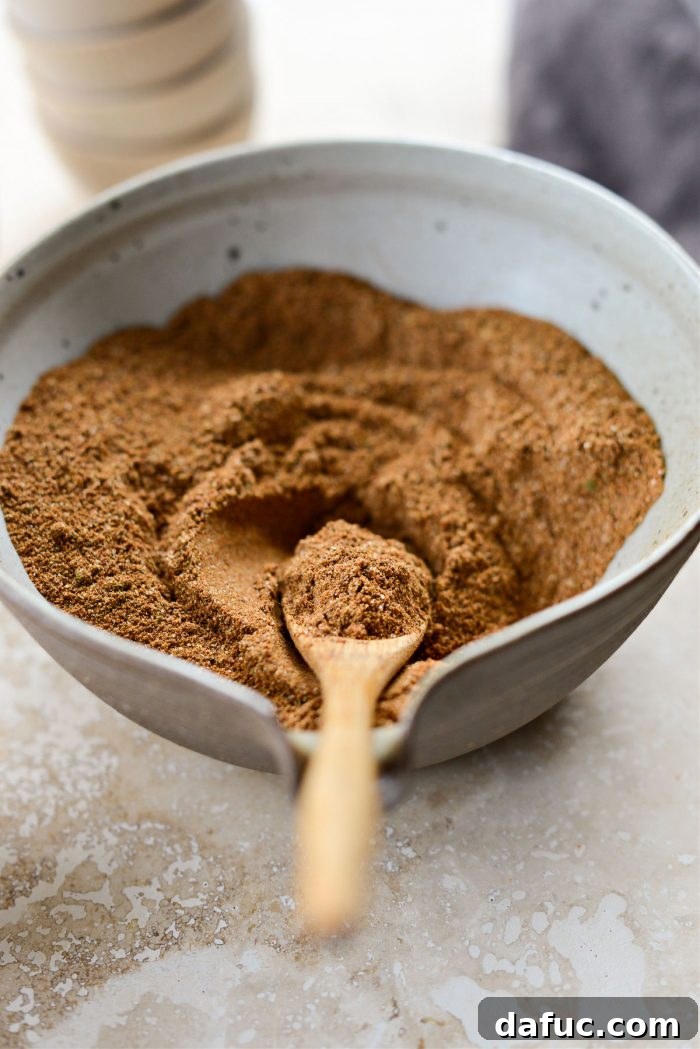
Stir thoroughly to combine all the spices evenly. Ensure there are no clumps and that the colors are uniformly distributed. Once mixed, transfer the blend to an airtight container. Your homemade shawarma seasoning is now ready to infuse your dishes with bright, warm, and savory Middle Eastern flavors!
Versatile Ways to Use Your Shawarma Seasoning
The beauty of this shawarma spice blend lies in its versatility. It’s not just for chicken! Here are just a few ideas to get you started:
- Proteins: Rub it generously on chicken (thighs, breasts, or whole chickens), lamb (shoulder, leg, or kebabs), beef (for stir-fries or roasts), or even fish and shrimp before grilling, roasting, or pan-frying.
- Vegetables: Toss cauliflower florets, zucchini slices, bell peppers, eggplant, or chickpeas with olive oil and a generous amount of seasoning before roasting or grilling for a flavor explosion.
- Soups and Stews: Stir a teaspoon or two into lentil soup, chickpea stew, or any vegetable-based broth for an instant Middle Eastern flair.
- Marinades: Combine with yogurt, lemon juice, and olive oil for a classic shawarma marinade that tenderizes and flavors meat beautifully.
- Dips and Spreads: Mix a pinch into hummus, yogurt dips, or even cream cheese for an aromatic spread.
- Rice and Grains: Stir into plain rice, couscous, or quinoa during cooking to add depth and flavor.
Once you try it, you’ll find countless ways to incorporate this vibrant blend into your everyday cooking. It’s especially delicious on roasted vegetables like cauliflower and zucchini, or even baked chickpeas – SO good!
Proper Storage for Maximum Freshness
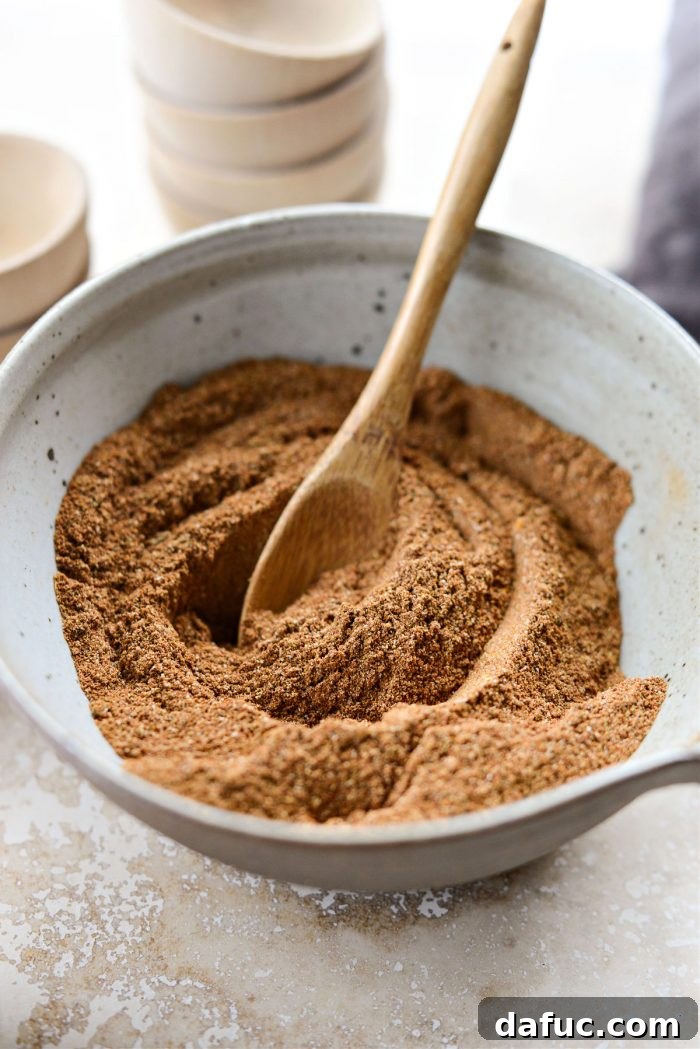
Storing your **homemade spice blends** correctly is essential to maintain their potency and flavor over time. When not in use, always store your shawarma seasoning in a cool, dry place away from direct sunlight and heat. A dark pantry or cabinet is ideal. Make sure the container has a tight-fitting lid to prevent air and moisture from degrading the spices. Stored properly, your homemade blend can last for up to 1 year, or possibly even longer, though its aroma and flavor will be at their peak in the first 6-9 months.
Enjoy! And if you give this Homemade Shawarma Seasoning recipe a try, don’t hesitate to share your culinary creations! Snap a photo and tag me on Twitter or Instagram! I love seeing what you cook up!
Print Recipe
Pin Recipe
Homemade Shawarma Seasoning
Homemade Shawarma Seasoning is a blend of 13 warm and robust spices. Use in marinades or to season your favorite protein, vegetables, soups and stews. Yields just under 1 cup.
Ingredients
- 2 tablespoons allspice
- 2 tablespoons garlic powder
- 1 tablespoon white pepper
- 1 tablespoon ground cinnamon
- 1 tablespoon ground nutmeg
- 1 tablespoon ground clove
- 1 tablespoon ground (green) cardamom
- 1 tablespoon ground cumin
- 2 teaspoons chili powder
- 2 teaspoons paprika
- 2 teaspoons smoked paprika
- 2 teaspoons ground turmeric
- 2 teaspoons dried oregano, crushed between fingers
Equipment
- Small (3.5oz) Spice Jars with Bamboo Lid
- Large (8.5oz) Spice Jars with Bamboo Lid
Instructions
-
In a clean jar or container with a tight-fitting lid, measure and add spices and mix well to combine.
-
Store in a cool dry place for 1 year or longer.
Notes
Storing Homemade Spices:
When not using, store in a cool dry place for up to 1 year or possibly longer.
Nutrition Disclaimer: All information presented on this site is intended for informational purposes only. I am not a certified nutritionist and any nutritional information shared on SimplyScratch.com should only be used as a general guideline.
Carbohydrates: 4g,
Protein: 1g,
Fat: 1g,
Saturated Fat: 1g,
Polyunsaturated Fat: 1g,
Monounsaturated Fat: 1g,
Trans Fat: 1g,
Sodium: 8mg,
Potassium: 64mg,
Fiber: 1g,
Sugar: 1g,
Vitamin A: 248IU,
Vitamin C: 1mg,
Calcium: 28mg,
Iron: 1mg