
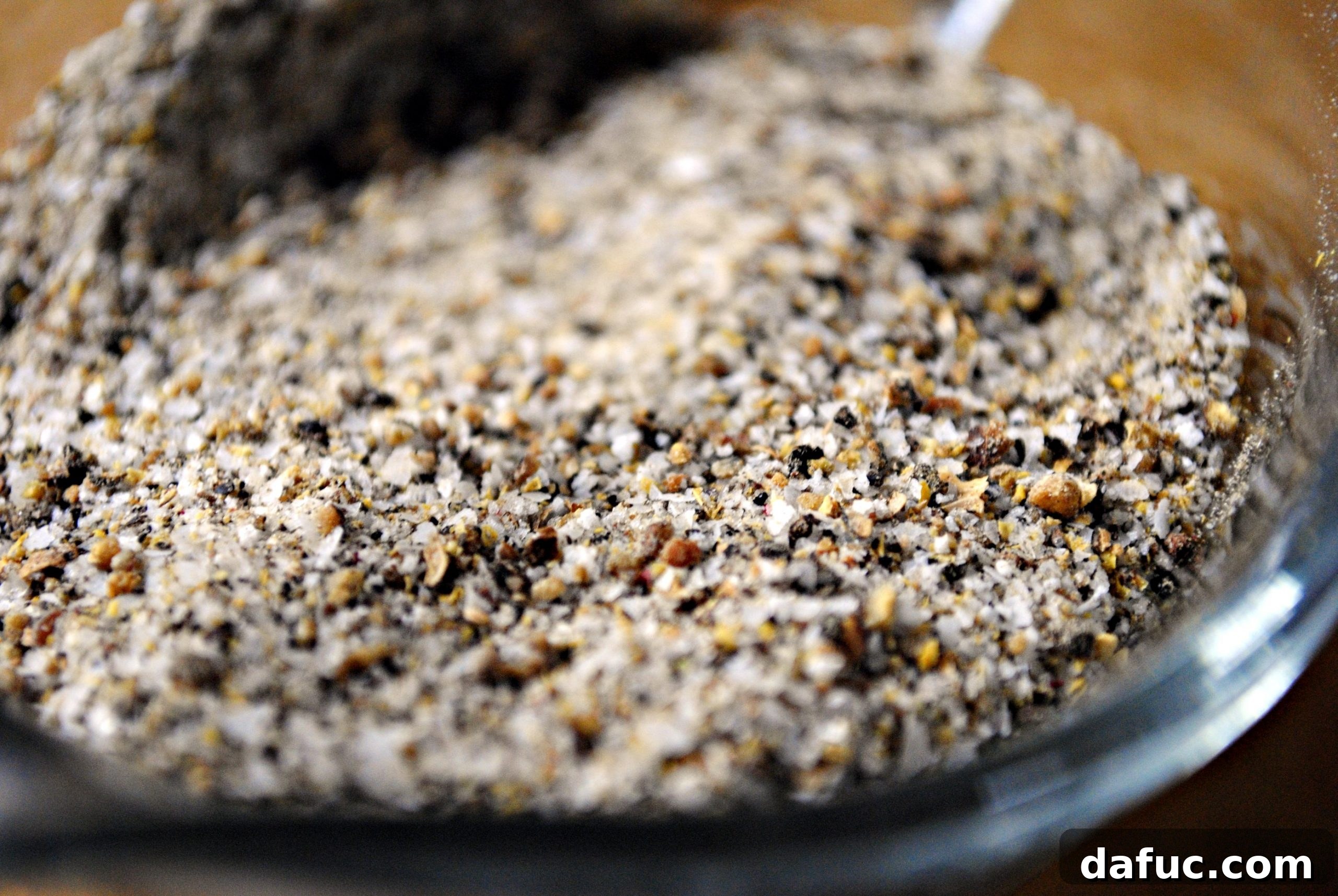
Mastering Homemade Lemon Pepper Seasoning: A Comprehensive Guide to Zesty Flavor
Unlock a world of vibrant flavor with your own homemade lemon pepper seasoning! Forget store-bought blends filled with artificial ingredients – crafting this zesty, aromatic spice is incredibly simple and immensely rewarding. Perfect for elevating everything from succulent fish and grilled chicken to roasted vegetables and fresh salads, this guide will walk you through every step to create a natural, pure lemon pepper blend that truly shines in your kitchen.
Imagine the bright, tangy notes of fresh lemon harmoniously mingling with the sharp, warm kick of black pepper. This isn’t just a seasoning; it’s a culinary cornerstone waiting to transform your everyday dishes into something extraordinary. And the best part? You gain complete control over every single ingredient, ensuring a clean, wholesome, and customizable flavor profile that store-bought versions simply can’t match.
Why Go Homemade? The Unbeatable Benefits of DIY Lemon Pepper
In a world saturated with convenience foods and pre-packaged solutions, the idea of making your own spice blends might seem like an unnecessary extra step. However, when it comes to something as fundamental and frequently used as lemon pepper seasoning, the advantages of crafting it yourself are simply unparalleled. Many commercial lemon pepper blends often contain a list of undesirable additives, including anti-caking agents, artificial flavors, colorings, and excessive amounts of sodium. By taking a few moments to make it at home, you regain full control, ensuring a pure product that is superior in both taste and quality.
- Unrivaled Freshness and Aroma: The vibrant fragrance of freshly zested lemon and newly ground pepper is something that cannot be replicated by pre-packaged alternatives, which often sit on store shelves for extended periods, losing their potency and aromatic compounds.
- Pure, Wholesome Ingredients: With homemade seasoning, you know precisely what goes into your blend – nothing more than lemons, peppercorns, and salt. There are no hidden MSG, no synthetic colors, no unwanted preservatives, and no mysterious “natural flavors.” This transparency is particularly appealing for those with dietary sensitivities, allergies, or a general preference for clean and unprocessed eating.
- Customizable Flavor Profile: Do you prefer a bolder, more intense lemon flavor? Or perhaps a spicier kick from the pepper? When you prepare your own seasoning, you have the freedom to adjust the ratios of lemon zest to pepper to perfectly match your palate and the specific dish you’re preparing. This level of customization is impossible with ready-made options.
- Cost-Effective Culinary Choice: While purchasing individual ingredients might feel like an initial upfront investment, a single batch of homemade lemon pepper will often prove far more economical in the long run than consistently buying premium store-bought versions. You’re paying for quality ingredients, not marketing or processing.
- A Delightful Sensory Experience: The process itself is a joy. Your kitchen will fill with the invigorating, bright scent of citrus and the pungent, warm aroma of freshly ground pepper as you prepare your blend. It’s a satisfying culinary act that connects you more deeply with your food.
Making your own lemon pepper is more than just following a recipe; it’s an enjoyable journey into mindful cooking and a testament to the fact that sometimes, the simplest things, made with care, are the most extraordinary. It’s akin to baking your own artisanal bread, churning your own fresh butter, or even making your own ketchup from scratch – a satisfying and empowering step towards culinary self-sufficiency and superior taste.
Crafting Perfection: The Essential Ingredients for Your Zesty Blend
The true genius of homemade lemon pepper seasoning lies in its elegant simplicity. You only need three core ingredients, yet the careful selection and quality of each component make a profound and noticeable difference in the final product’s flavor, aroma, and effectiveness. Here’s a closer look at what you’ll need and expert tips on how to choose them:
Key Ingredients for Homemade Lemon Pepper:
- Fresh Lemon Zest: The undisputed star of the show, delivering that vibrant, tangy, and aromatic citrus punch.
- Coarse Salt: Essential for balancing the flavors, enhancing the overall taste, and acting as a natural preservative for the blend.
- Freshly Ground Black Pepper (or a Peppercorn Medley): Providing the aromatic depth and the characteristic piquant kick that defines lemon pepper.

Choosing Your Lemons: The Foundation of Unforgettable Flavor
For the most vibrant and fragrant lemon pepper, the quality of your lemons is absolutely paramount. Always opt for organic, unwaxed lemons whenever possible, as you will be utilizing their skin directly in your seasoning. If organic varieties are not available, make sure to thoroughly scrub conventional lemons with a produce brush under warm running water. This helps remove any wax coatings or pesticide residues that might be present on the surface.
When selecting lemons, look for fruits that are firm, feel heavy for their size, and possess bright, unblemished skin. A good, juicy lemon should also feel slightly yielding when gently squeezed, indicating a rich internal pulp. You’ll need a generous amount of zest for a truly impactful seasoning, so don’t be conservative – plan to start with at least 5 to 7 medium to large lemons. While an initial visual might show fewer, experience consistently suggests that incorporating an additional lemon or two often yields the perfect balance of citrus intensity in the final blend.
The Pepper Component: Elevating Taste Beyond Just Black
While classic black pepper provides a fantastic, robust base, consider incorporating a peppercorn medley for an added layer of complexity and visual appeal. A high-quality medley typically includes black, white, green, and pink peppercorns, each contributing slightly different nuances to the flavor profile. Black peppercorns offer a sharp, pungent heat; white peppercorns provide a milder, earthy undertone; green peppercorns are fresh and slightly fruity; and pink peppercorns add sweet, delicate, and often floral notes. Some gourmet blends even incorporate complementary spices like coriander and allspice, which can beautifully enhance the bright lemon zest.
For optimal flavor and aroma, it is absolutely essential to use whole peppercorns and grind them freshly just before combining them with the zest. Pre-ground pepper, even high-quality varieties, rapidly loses its volatile aromatic compounds and potency once exposed to air. A coarse grind is ideal for this seasoning, as it allows the pepper’s robust, earthy flavor to meld perfectly with the lemon zest without becoming overly fine or dusty, contributing to a more pleasant texture in the final blend.
Selecting Your Salt: Enhancing, Not Overwhelming
Coarse salt is highly recommended for homemade lemon pepper seasoning. Varieties like kosher salt or a good quality sea salt work wonderfully. Their larger crystal size not only provides a pleasant textural element to the finished seasoning but also aids in the process of drawing out moisture from the lemon zest during the drying phase. This moisture removal is critical for creating a shelf-stable product. Avoid using fine table salt, which tends to clump easily and can make the seasoning overly salty if not measured with extreme precision. The decision to include salt directly in the blend or to add it separately when seasoning food is a personal preference, with the latter offering greater control over sodium levels in your cooking.
The Art of Making Homemade Lemon Pepper Seasoning: A Detailed Process
Ready to embark on this wonderfully fragrant and flavorful journey? Here’s a detailed, step-by-step guide to creating your signature homemade lemon pepper seasoning, ensuring a perfect blend every time:
Phase 1: Preparation – Zesting Your Lemons

- Thoroughly Wash and Dry Lemons: Begin by washing all your lemons meticulously under cool running water. If you are not using organic lemons, it’s advisable to scrub them vigorously with a clean produce brush to remove any wax or residue. Pat them completely dry with a clean towel; any residual moisture can make the zesting process difficult and may hinder proper drying later.
- Zest with Precision: Using a microplane grater (which yields very fine zest) or the fine side of a box grater, carefully remove only the bright yellow outer layer of the lemon peel. It is paramount to avoid grating into the bitter white pith directly underneath the zest. This pith can introduce an undesirable acrid flavor to your seasoning. Continuously rotate the lemon as you zest, ensuring you extract as much fragrant zest as possible from each fruit while leaving the pith untouched.

As you zest, you’ll immediately notice the beautiful, potent aromatic oils releasing, filling the air with a fresh, invigorating scent. Collect all the delicate zest in a medium-sized mixing bowl. Don’t stress too much about achieving an exact measurement at this stage, as lemon sizes can vary considerably. A good practical estimate is to aim for the zest yielded from 5 to 7 medium to large lemons for a standard batch.
Phase 2: Grinding the Peppercorns and Initial Blend

- Coarsely Grind Peppercorns: If you are using whole peppercorns (which is highly recommended for superior flavor), place them into a dedicated spice grinder or a clean coffee grinder. Pulse the grinder in short bursts until you achieve a coarse, textured grind. At this stage, it’s important to avoid grinding to a fine powder; a coarser texture will facilitate more efficient drying and better flavor infusion later on.
- Combine Zest and Pepper: Carefully add the freshly ground peppercorns to the bowl containing your prepared lemon zest.

Using a spoon or, even better, your clean fingertips, give the mixture a thorough stir. More importantly, take a moment to gently mash and rub the lemon zest into the freshly ground pepper. This crucial step helps to rupture the oil glands in the lemon zest, effectively releasing their potent essential oils and allowing them to infuse directly into the pepper. This is where the magic begins, creating that beautiful, combined citrusy and peppery aroma.
Phase 3: The Drying Process – Preserving Freshness and Intensifying Flavor
Drying the lemon zest is an absolutely vital step for several reasons: it creates a shelf-stable seasoning, prevents spoilage due to moisture, and intensifies the lemon flavor by concentrating its essence. This careful process ensures that no moisture remains which could otherwise compromise the longevity and quality of your blend.
- Prepare for Drying: Line a large baking sheet with a sheet of parchment paper. This simple step is critical as it prevents the mixture from sticking to the pan and makes cleanup significantly easier.
- Evenly Spread the Mixture: Carefully transfer the lemon zest and pepper mixture from the bowl onto the prepared baking sheet. Spread it out as thinly and evenly as possible across the entire surface. The thinner the layer, the more efficiently and uniformly the mixture will dry.

- Slow and Low Baking: Preheat your oven to its absolute lowest possible setting. This is typically in the range of 150-170°F (65-77°C), sometimes even lower if your oven allows. The goal is to dehydrate, not cook. Place the baking sheet with the spread-out mixture into the preheated oven.
- Dry Until Crisp: Bake the mixture for approximately 1 to 2 hours, or until the lemon zest is completely dry, brittle, and easily crumbles between your fingers when touched. The precise drying time can vary significantly depending on your oven’s accuracy, the ambient humidity in your kitchen, and the total quantity of zest you are drying. It is absolutely crucial not to rush this step or use too high a temperature, as doing so would cook the zest and degrade its delicate flavors, rather than simply dehydrating it.

- Stir Periodically for Evenness: Every 20-30 minutes during the drying process, carefully open the oven door, remove the baking sheet, and give the mixture a gentle toss with a spatula. This action helps to redistribute the zest and pepper, ensuring all parts dry evenly and consistently. Spread it back out thinly before returning it to the oven. Throughout this slow drying, your entire kitchen will be permeated with an absolutely delightful, intoxicating aroma of lemon and pepper!
- Cool Completely: Once you are certain the zest is entirely dry and crispy, remove the baking sheet from the oven. Allow the mixture to cool completely to room temperature before proceeding to the next step. This cooling phase is important as it prevents any potential condensation from forming within your storage container.
Phase 4: Final Grind and Salting – Bringing It All Together

- Perform the Final Grind: Transfer the cooled, dried lemon pepper mixture to your spice grinder. Place the lid on tightly and pulse until you achieve your desired consistency. This could range from a slightly coarse, sandy texture (which many prefer for visual appeal and a more robust mouthfeel) to a finer, more powdery blend, depending entirely on your personal preference for how you use the seasoning.

- Add Salt (Optional but Recommended): Now is the appropriate time to incorporate your coarse salt into the blend. The amount of salt you add can vary significantly based on your personal preference and how you intend to use the seasoning. A good starting point is approximately 1/4 cup of kosher salt for the amount of zest from 5-7 lemons and 1/3 cup of peppercorns. If you prefer to meticulously control the salt levels when seasoning various foods, you can choose to omit it from the blend entirely and simply add it separately during cooking.
- Mix Thoroughly: Mix the salt into the ground lemon pepper blend until it is completely and uniformly combined.

And there you have it – truly exceptional homemade lemon pepper seasoning! The immediate difference in aroma, vibrancy, and depth of flavor compared to any store-bought variety will be strikingly noticeable and incredibly satisfying.
Homemade Lemon Pepper Seasoning Recipe Card
This easy and delicious homemade lemon pepper seasoning is a game-changer for your kitchen, bringing unparalleled freshness and flavor. This recipe yields approximately 12 servings.
Pin Recipe
Recipe Details:
- Yield: Approximately 12 servings
- Cook Time (Drying): 40 mins (can be up to 2 hours depending on oven and amount)
- Additional Time (Prep/Grinding): 20 mins
Ingredients:
- 5 large lemons (for zest)
- 1/3 cup coarsely crushed peppercorns (black and/or a colorful medley)
- 1/4 cup kosher salt (optional, adjust to taste and dietary preference)
Instructions:
- Zest Lemons and Combine: Carefully zest all the lemons, ensuring you only remove the bright yellow part and avoid the bitter white pith. In a bowl, combine the fresh lemon zest with the coarsely crushed peppercorns. Gently mash and rub the zest into the pepper with your fingers or a spoon to help release the lemon’s essential oils.
- Dry the Mixture: Spread the lemon zest and pepper mixture thinly and evenly on a parchment-lined baking sheet. Bake at your oven’s lowest setting (typically around 150-170°F or 65-77°C) until the zest is completely dried and brittle. This usually takes between 1 to 2 hours. Stir and redistribute the mixture every 20-30 minutes to ensure even drying. Once dry, remove from oven and let cool completely.
- Final Grind: Once the dried lemon-pepper mixture has cooled entirely, transfer it to a spice grinder. Pulse until you achieve your desired texture – whether a fine powder or a slightly coarser, sandy consistency.
- Salt and Store: If desired, mix in the kosher salt until well combined. The amount can be adjusted based on personal taste. Store your homemade lemon pepper seasoning in a clean, airtight container in a cool, dark place for up to a few months to maintain optimal freshness and potency.
Nutrition Information (per 1 tablespoon serving):
Serving: 1 tablespoon
Calories: 33kcal | Carbohydrates: 9g | Protein: 1g | Fat: 1g | Saturated Fat: 1g | Polyunsaturated Fat: 1g | Monounsaturated Fat: 1g | Sodium: 2359mg | Potassium: 67mg | Fiber: 3g | Sugar: 1g | Vitamin A: 10IU | Vitamin C: 25mg | Calcium: 31mg | Iron: 1mg
Recipe Metadata:
- Author: Laurie McNamara
- Course: Homemade Ingredients & Condiments
- Cuisine: American
Unleash the Flavor: Versatile Uses for Your Homemade Lemon Pepper
Now that you’ve crafted your own exquisite, aromatic lemon pepper seasoning, the fun truly begins! Its bright, zesty, and subtly piquant profile makes it an incredibly versatile staple, capable of enhancing a wide array of dishes and transforming ordinary meals into extraordinary culinary experiences. Here are just a few inspired ideas to get you started on incorporating this fantastic blend into your cooking:
- Poultry Perfection: This is a classic pairing for a reason. Sprinkle your homemade lemon pepper generously on chicken breasts, thighs, wings, or even a whole roasted chicken before baking, grilling, pan-frying, or air frying. It pairs beautifully with fresh lemon slices and a sprig of rosemary or thyme, infusing the chicken with unparalleled juiciness and flavor.
- Fabulous Fish & Seafood: Arguably where lemon pepper shines brightest! Season delicate salmon fillets, flaky cod, sweet shrimp, succulent scallops, or firm tuna steaks before cooking for an instant burst of fresh, clean, and vibrant flavor. It’s particularly harmonious with white fish, cutting through any richness and adding a delightful tang.
- Steak & Red Meat Enhancement: While often associated with lighter fare, a strategic touch of lemon pepper can add a surprising brightness and depth to grilled steaks, seared pork chops, or even a rack of lamb. Use it in conjunction with other savory seasonings to create a complex flavor profile that will impress.
- Roasted Vegetables Transformed: Elevate your vegetable side dishes effortlessly. Toss broccoli florets, asparagus spears, zucchini slices, cubed potatoes, sweet carrots, or hearty Brussels sprouts with a drizzle of olive oil and a generous sprinkle of lemon pepper before roasting for an easy, flavorful, and healthy accompaniment.
- Salad Dressings & Marinades: Whisk your homemade lemon pepper directly into your favorite homemade vinaigrettes for a zesty kick, or use it as a key ingredient in marinades for chicken, fish, tofu, or even hearty portobello mushrooms. The bright lemon notes perfectly complement many classic dressing and marinade bases.
- Eggs Elevated: Don’t underestimate the power of a pinch! A sprinkle of lemon pepper on scrambled eggs, fried eggs, a fluffy omelet, or even a frittata can take your breakfast or brunch to exciting new heights of flavor.
- Gourmet Popcorn & Snacks: For a sophisticated twist on a simple snack, sprinkle your homemade lemon pepper seasoning liberally on freshly popped popcorn. It’s also incredibly delicious on roasted chickpeas, toasted nuts, or homemade kale chips, offering a burst of unexpected flavor.
- Pasta & Grains: Stir it into plain pasta dishes with a little olive oil and fresh parsley for an instant flavor boost. It’s also a wonderful addition to cooked rice, quinoa, or couscous, transforming them from bland sides to flavorful foundations.
The beauty of this homemade blend is its versatility. Don’t be afraid to experiment and discover new favorite pairings! Your homemade lemon pepper is a natural complement to so many flavors and cuisines; it’s truly an all-purpose seasoning that deserves a prominent spot in every kitchen.
Tips for Customization and Optimal Storage to Preserve Freshness
Make It Your Own: Customizing Your Blend
One of the most gratifying aspects of making your own seasoning is the complete freedom to tailor it to your exact preferences. Here are some ideas to help you customize your homemade lemon pepper blend:
- Lemon-Forward Intensity: If you are an absolute enthusiast for a potent lemon punch, simply increase the amount of zest you use relative to the pepper. This will yield a brighter, more tangy seasoning.
- Pepper Power Boost: For those who crave more heat, pungency, and aromatic depth, increase the quantity of whole peppercorns. You could even introduce a tiny pinch of cayenne pepper or red pepper flakes (dried with the zest) for an extra layer of warmth and spice, particularly if you enjoy a bolder kick.
- Herbaceous Additions: Consider incorporating other complementary dried herbs into your blend before the final grinding step. A touch of dried thyme, oregano, marjoram, or even a small amount of garlic powder or onion powder (ensure they are truly dry and not clumpy) can introduce even more sophisticated layers of flavor that marry well with lemon and pepper.
- Smoked Paprika Twist: For a beautiful color and a hint of smoky depth that surprisingly complements the brightness of lemon and the warmth of pepper, try adding a small amount of smoked paprika before the final grind. Start with a quarter teaspoon and adjust to taste.
Storing Your Homemade Treasure: Maximizing Freshness and Longevity
Proper storage is absolutely essential to maintain the vibrant freshness, potent aroma, and maximum efficacy of your homemade lemon pepper seasoning. Follow these guidelines to ensure your blend stays at its best for as long as possible:
- Airtight Container is Key: Always store your freshly made seasoning in a clean, dry, and airtight jar or container. Glass jars with tight-fitting lids are ideal. This critical step protects the blend from exposure to moisture and air, both of which are primary culprits in causing flavors to degrade and spices to lose their potency.
- Cool, Dark Place is Best: Keep your container in a cool, dark pantry or cupboard, far away from direct sunlight, heat sources (like the stove or oven), and areas prone to humidity. Heat and light are the natural enemies of all spices, accelerating the loss of their volatile aromatic oils and diminishing their vibrant flavors quickly.
- Understand the Shelf Life: When stored correctly in optimal conditions, homemade lemon pepper seasoning can typically last for up to 3-6 months. However, for the absolute peak flavor and aroma, it’s often best used within the first 2-3 months. Over time, you’ll gradually notice the aroma and intensity of the seasoning diminish, which is a natural indicator that it’s time to whip up a fresh batch.
- Avoid Humidity Fluctuations: Steer clear of storing your spice jar directly above or beside the stove, near a dishwasher, or in any area where there are frequent temperature and humidity fluctuations. Such environments can introduce moisture, leading to clumping or even spoilage.
The Zesty Conclusion: Elevate Your Cooking Today with Homemade Lemon Pepper!
Congratulations! You have successfully embarked on a delightful culinary adventure and created your very own, exceptionally flavorful homemade lemon pepper seasoning. This simple yet profound blend, meticulously crafted from natural ingredients and completely free from artificial additives, offers a brightness, depth, and aromatic intensity that store-bought versions can only aspire to replicate. From crafting grilling masterpieces to effortlessly enhancing your everyday meals, this incredibly versatile seasoning is poised to become an indispensable and cherished staple in your kitchen, inspiring countless delicious creations.
Embrace the profound satisfaction that comes with cooking with fresh, wholesome, and natural ingredients. Revel in the genuine compliments that are sure to come your way from family and friends who will undoubtedly notice the superior taste and quality. Go ahead, sprinkle with joyful abandon, and allow the vibrant, pure taste of your homemade lemon pepper to transform your next meal into something truly special and unforgettable!
Enjoy! If you give this incredibly rewarding recipe a try, we would absolutely love to hear about your experience! Feel free to share your wonderful culinary creations and tag us on Twitter or Instagram!