
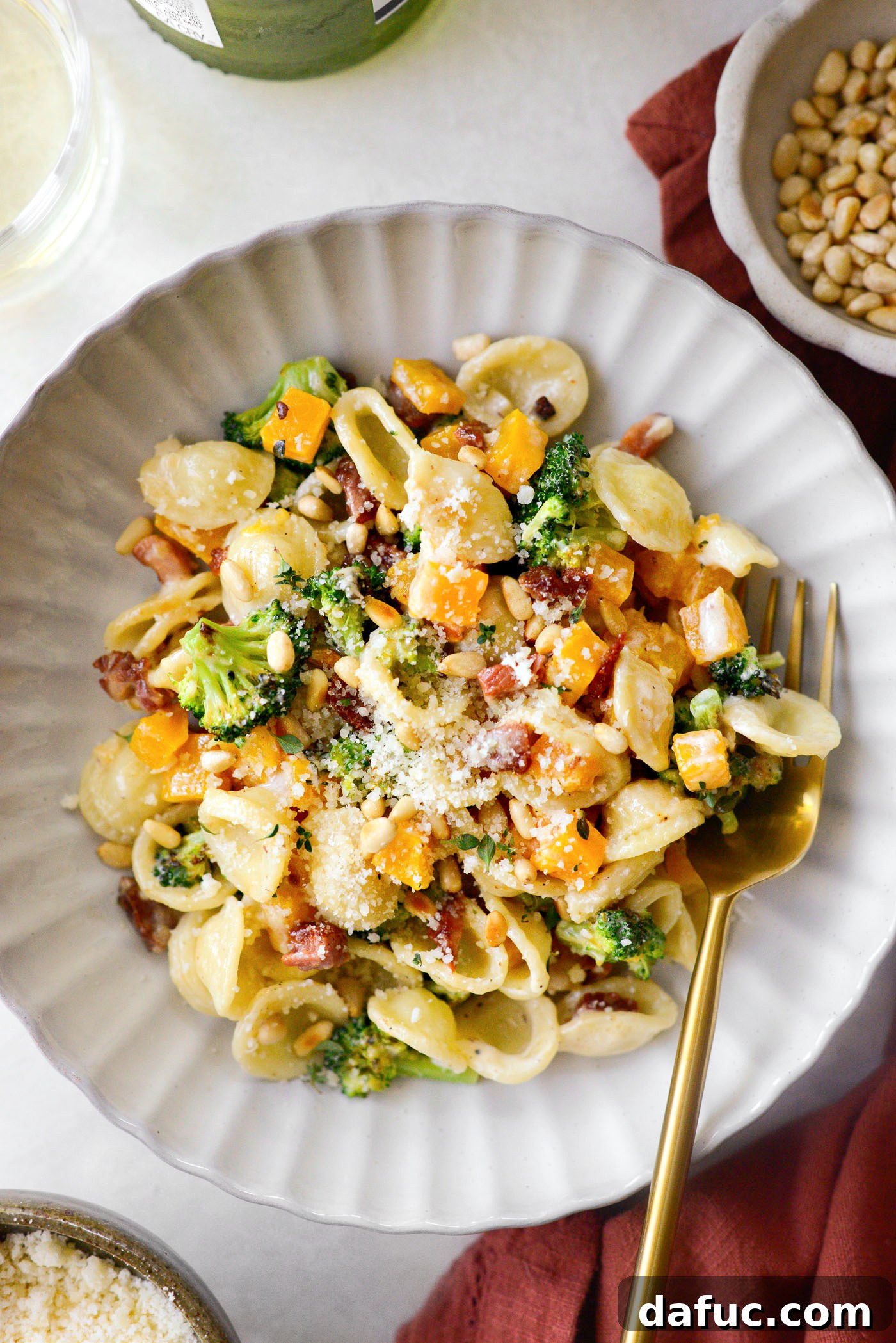
Orecchiette Pasta with Pancetta, Butternut Squash & Broccoli: The Ultimate Fall Recipe
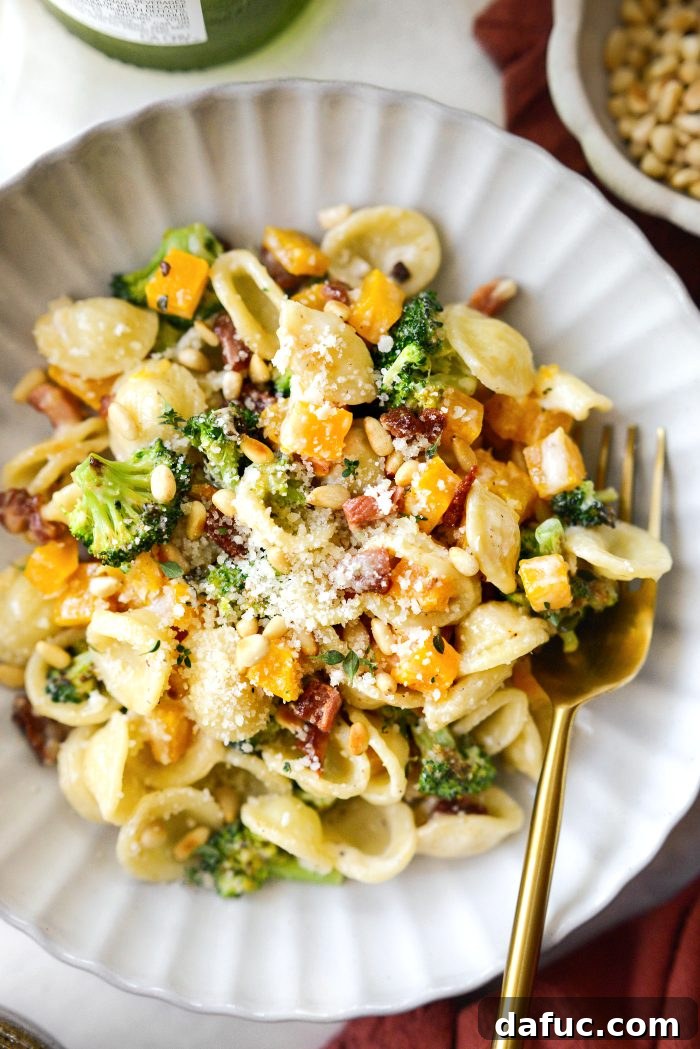
As the leaves begin to turn and the air grows crisp, there’s nothing quite like a comforting, flavor-packed pasta dish to warm the soul. This exquisite Orecchiette Pasta with Pancetta, Butternut Squash, and Broccoli is more than just a meal; it’s an invitation to savor the season. Imagine tender, sweet roasted butternut squash and vibrant broccoli florets, perfectly caramelized, mingling with savory, crispy pancetta. All of this goodness is gently tossed with chewy “little ear” orecchiette pasta, generously coated in a simple yet rich garlic-Parmesan cream sauce. A sprinkle of extra Parmesan and toasted pine nuts adds the final flourish, creating a dish that’s both elegant and utterly satisfying. Designed to yield 4 to 6 servings, this recipe is perfect for a cozy family dinner or a delightful gathering with friends.
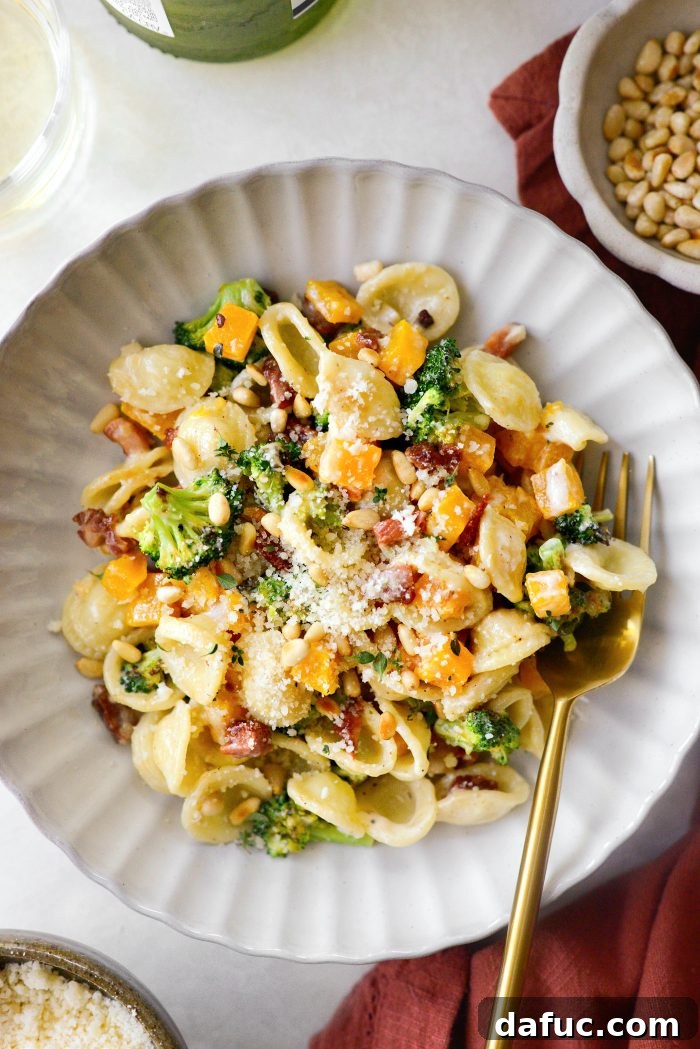
After a busy weekend or a day filled with activities, the thought of an elaborate meal can be daunting. You crave something truly delicious, yet effortlessly prepared. This orecchiette pasta dish is precisely that culinary hero. It strikes the perfect balance between indulgence and simplicity, offering a sophisticated flavor profile without demanding hours in the kitchen. It’s the ideal solution for those days when you desire a gourmet experience with minimal fuss, transforming everyday ingredients into an extraordinary autumn feast.
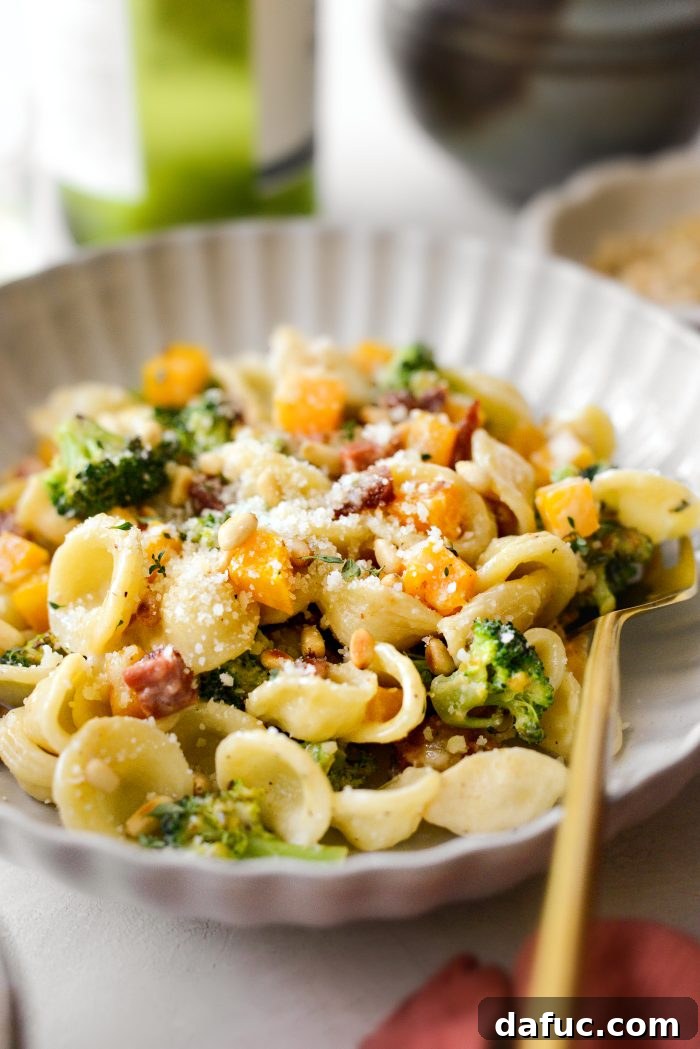
Why You’ll Fall in Love with This Fall Pasta
This Orecchiette Pasta recipe isn’t just another dinner idea; it’s a celebration of autumn’s bounty, crafted for both flavor and convenience. Here’s what makes it an absolute must-try:
- Seasonal Harmony: Butternut squash and broccoli are at their peak in the fall, offering natural sweetness and vibrant color that truly shine in this dish.
- Irresistible Textures: From the chewiness of the orecchiette, the crisp bite of pancetta, to the tender roasted vegetables and crunchy pine nuts, every forkful offers a delightful textural contrast.
- Creamy & Comforting: A velvety Parmesan cream sauce, infused with fresh garlic and aromatic thyme, envelops each ingredient, delivering ultimate comfort without being overly heavy.
- Effortlessly Elegant: While simple to prepare, this dish presents beautifully, making it suitable for both a casual weeknight meal and an impressive dinner party.
- Time-Saving Adaptability: For those extra busy days, you can take full advantage of pre-chopped butternut squash and broccoli florets available in many grocery stores, cutting down your prep time significantly.
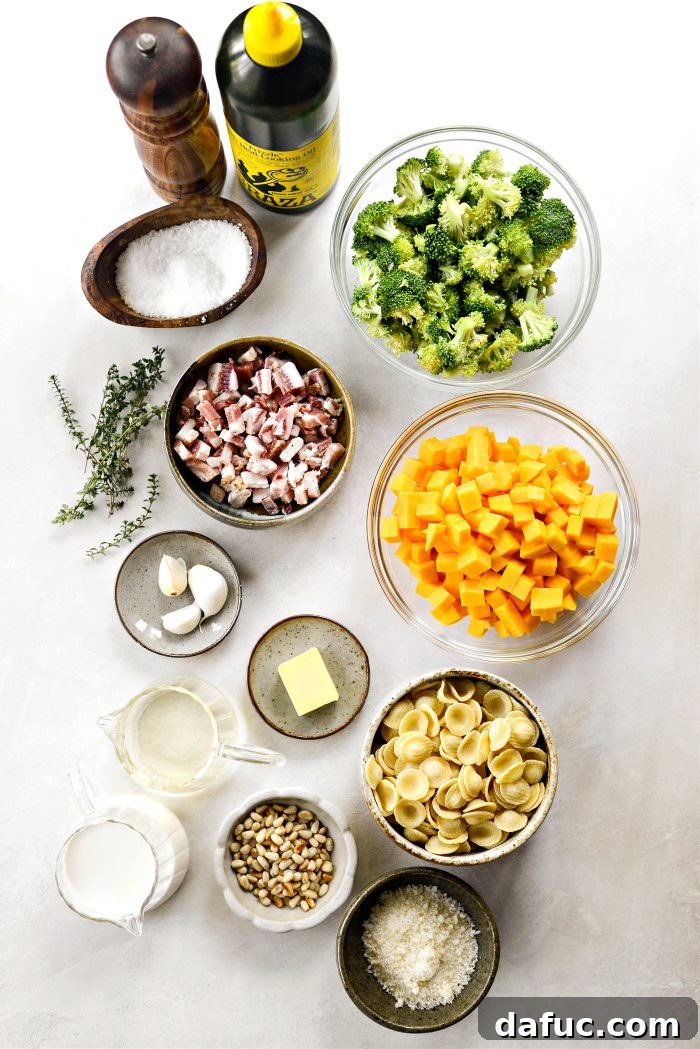
Essential Ingredients Spotlight
Crafting this delicious pasta dish begins with selecting high-quality ingredients. Each component plays a crucial role in building the layered flavors and textures that make this recipe so special.
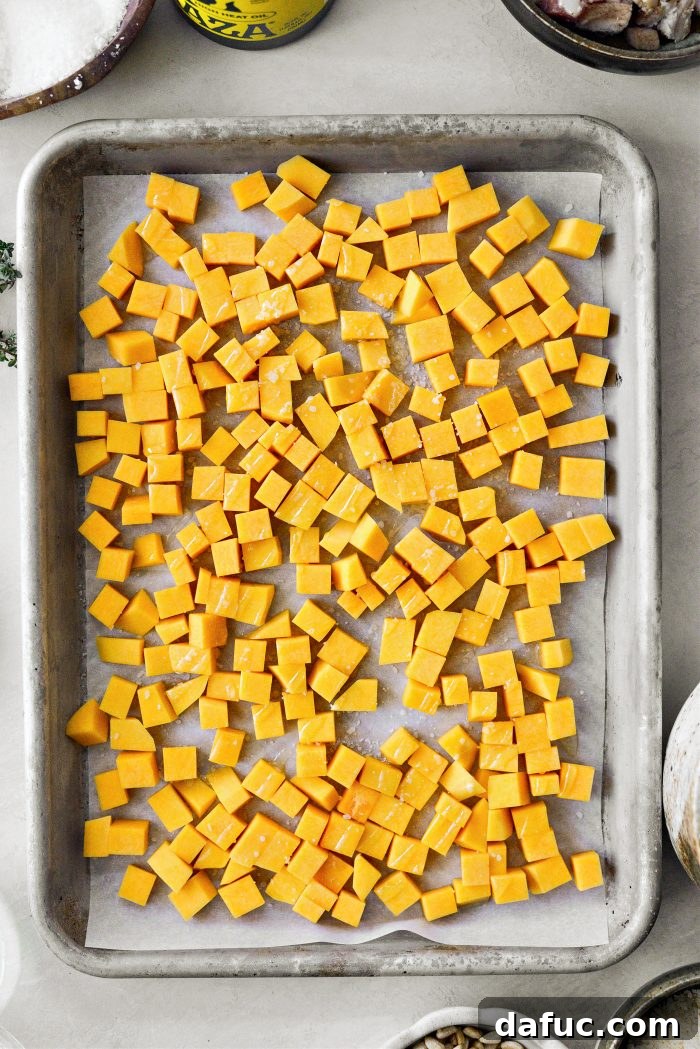
- Butternut Squash: The star of our roasted vegetables, butternut squash offers a delicate sweetness and a beautiful orange hue. Dice it into small, uniform pieces to ensure even cooking and tender perfection.
- Broccoli Florets: Providing a touch of bitterness and a vibrant green, broccoli adds both flavor and essential nutrients. Cut them into bite-sized florets so they roast beautifully alongside the squash.
- Orecchiette Pasta: Known as “little ears,” this Italian pasta shape is ideal for scooping up creamy sauces and tiny pieces of vegetables and pancetta, ensuring every bite is perfectly balanced.
- Diced Pancetta: This Italian cured pork belly brings a savory depth and a delightful crispiness to the dish. Its rendered fat also forms the flavorful base for our cream sauce.
- Fresh Garlic & Thyme: These aromatics are indispensable. Freshly minced garlic provides a pungent warmth, while fresh thyme leaves offer an earthy, herbaceous note that complements the other ingredients beautifully.
- Dry White Wine: A splash of dry white wine (like Sauvignon Blanc or Chardonnay) deglazes the pan, adding a layer of sophisticated acidity and helping to lift all those delicious browned bits from the pancetta.
- Heavy Cream & Parmesan Cheese: The foundation of our luxurious sauce. Heavy cream provides richness, while freshly grated Parmesan delivers a distinct salty, nutty, and umami punch.
- Nutmeg (Optional but Recommended): A small pinch of freshly grated nutmeg can elevate a cream sauce, adding a subtle warmth and a touch of mysterious complexity.
- Toasted Pine Nuts: These small, buttery nuts are a fantastic garnish, adding a delicate crunch and a rich, slightly resinous flavor that ties the whole dish together.
Step-by-Step Guide to Perfection
Follow these detailed steps to create your unforgettable Orecchiette Pasta with Pancetta, Butternut Squash & Broccoli.
1. Prepare and Roast the Vegetables
Begin by preheating your oven to 425℉ (220℃). This high temperature is key for achieving perfectly tender and slightly caramelized vegetables.
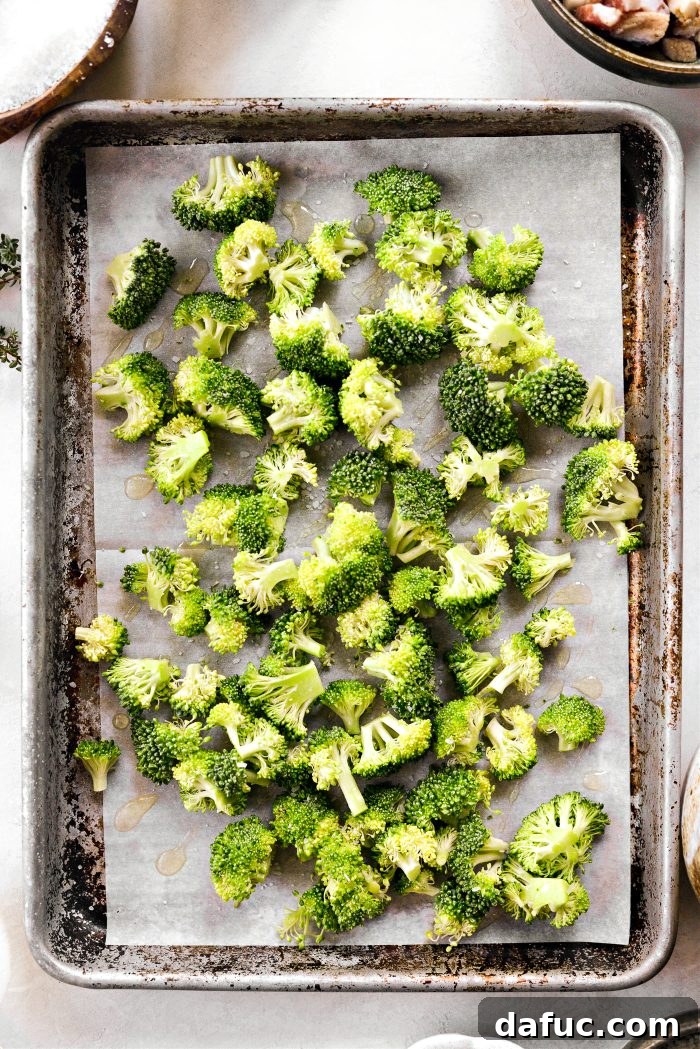
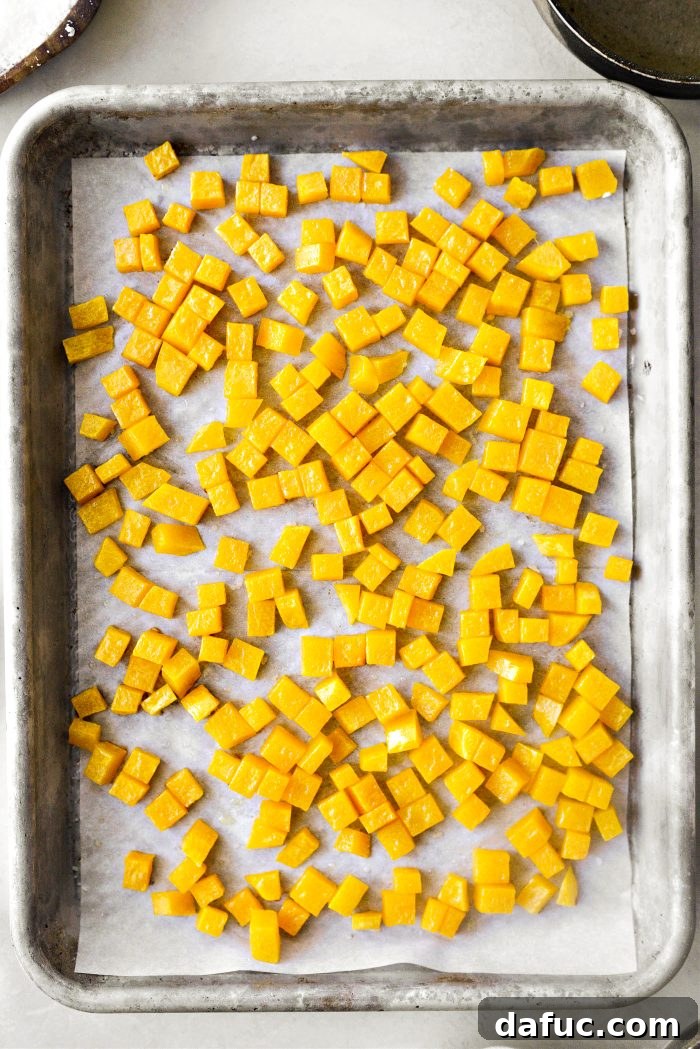
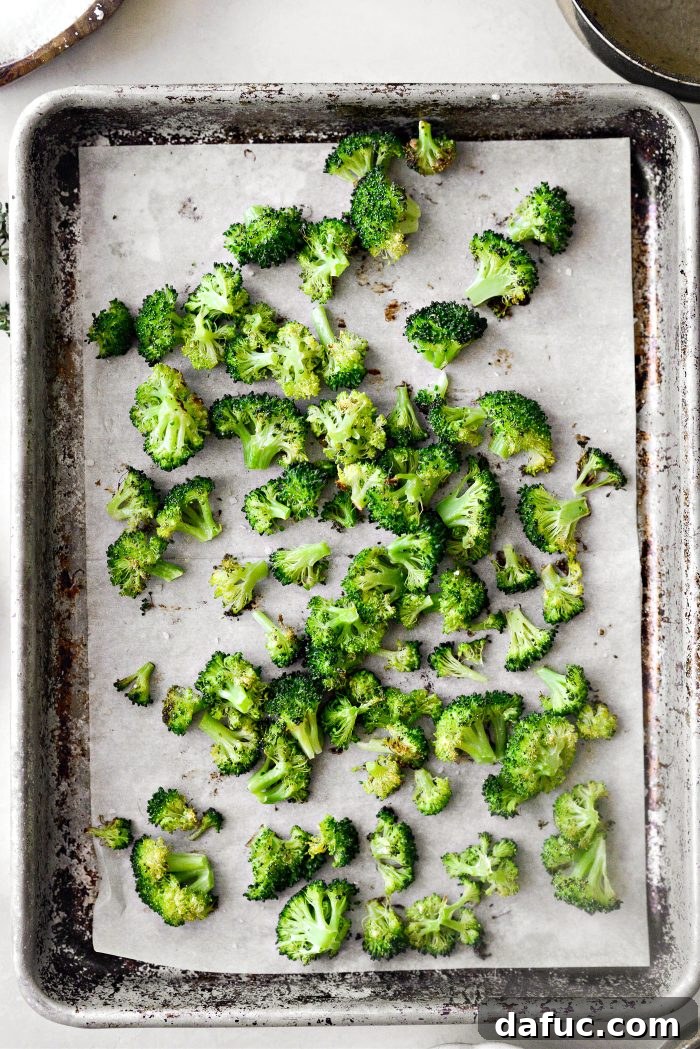
On two separate rimmed, quarter baking sheets, evenly spread 12 ounces of small-diced butternut squash (aim for pieces similar in size to your diced pancetta) and 6 ounces of broccoli florets. Drizzle both with a little olive oil, ensuring they are lightly coated, then season generously with kosher salt. The salt helps draw out moisture and enhances flavor during roasting. Roast the squash for approximately 20 minutes, remembering to rotate the pan halfway through for even cooking. After the first 5 minutes of the squash roasting, slide the pan with the broccoli into the oven to roast alongside it. The broccoli requires less cooking time than the squash to remain vibrant and tender-crisp. To check the squash for doneness, easily pierce a piece with a toothpick. Once both vegetables are tender, remove the pans from the oven and set them aside.
2. Cook the Pasta and Crisp the Pancetta
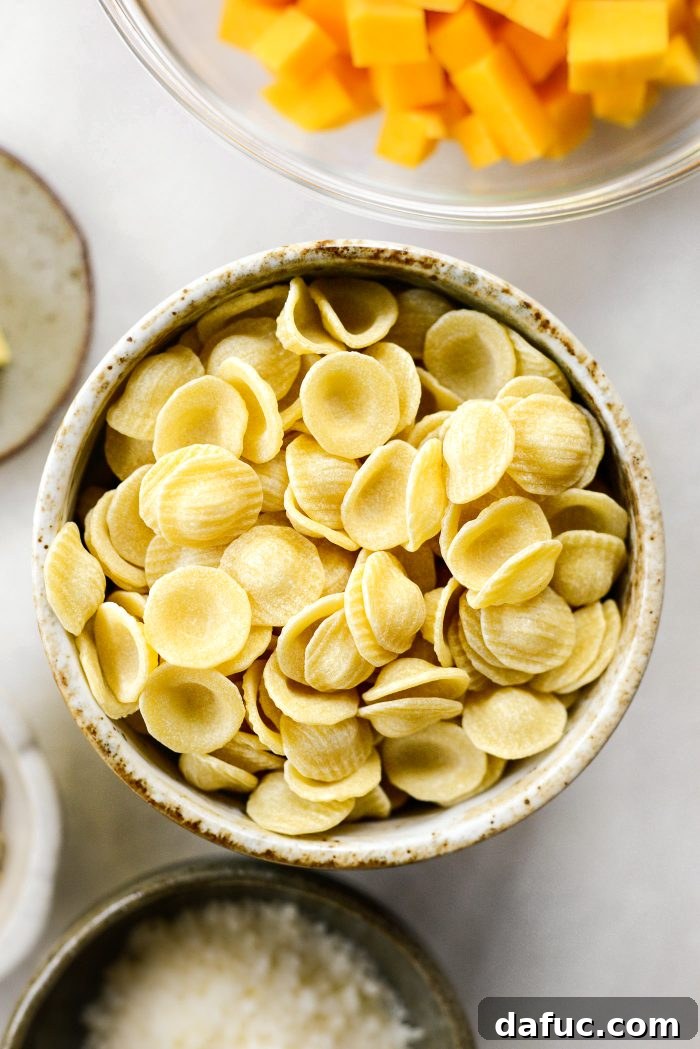
While your vegetables are roasting, bring a large pot of water to a rolling boil. Once boiling, add a generous palmful of fine sea salt – this is crucial for flavoring the pasta from within. Add 8 ounces of orecchiette pasta, stirring frequently to prevent sticking. Cook according to package directions until al dente. Timing is everything here; ideally, the pasta should finish cooking just as your sauce is ready.
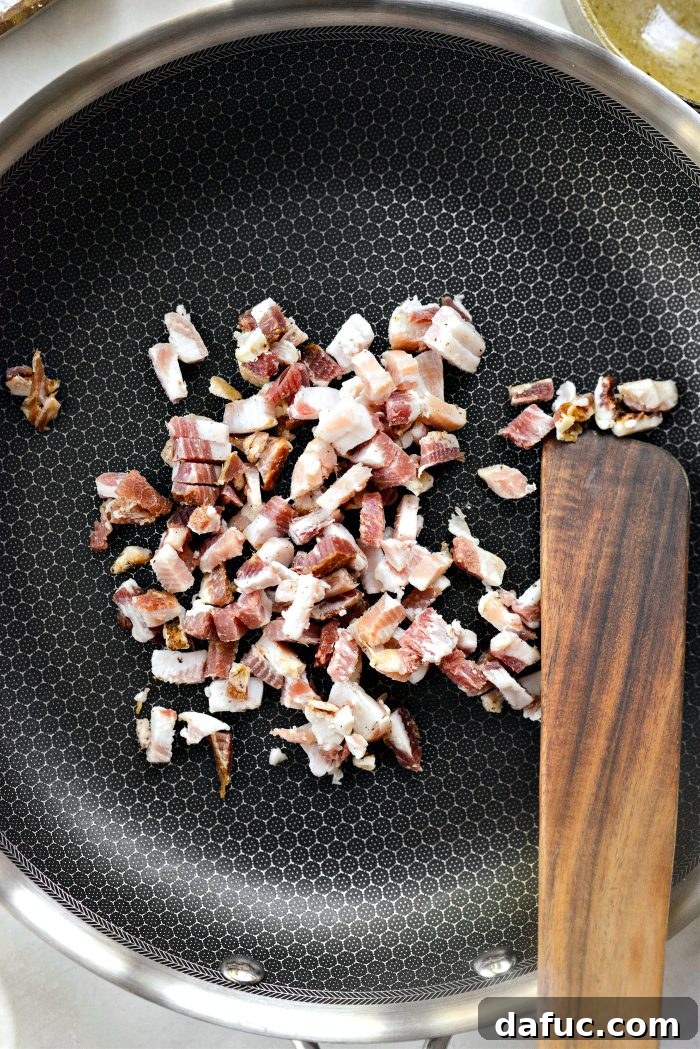
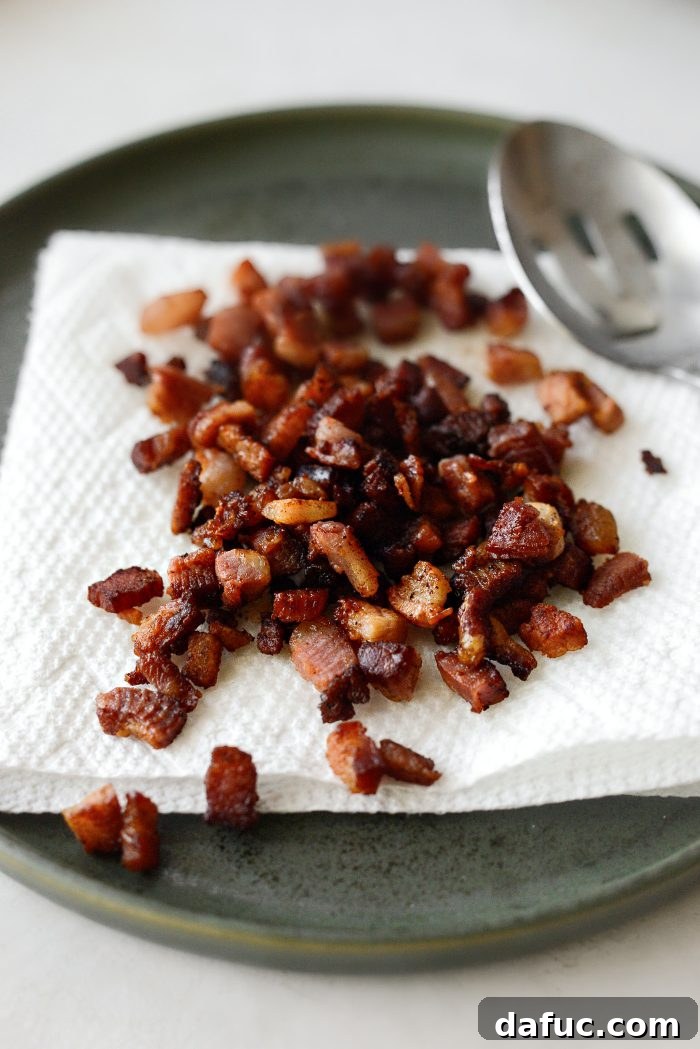
Simultaneously, heat a large 12-inch skillet over medium heat. Add 4 ounces of diced pancetta and cook for about 10 minutes, or until it renders its fat and becomes beautifully crispy and golden brown. Once crisp, use a slotted spoon to transfer the pancetta to a paper towel-lined plate. This allows any excess grease to drain, leaving you with perfectly crunchy bits. Importantly, leave the rendered pancetta fat in the skillet – it’s packed with flavor and will form the delicious base for your cream sauce.
3. Craft the Creamy Parmesan Sauce
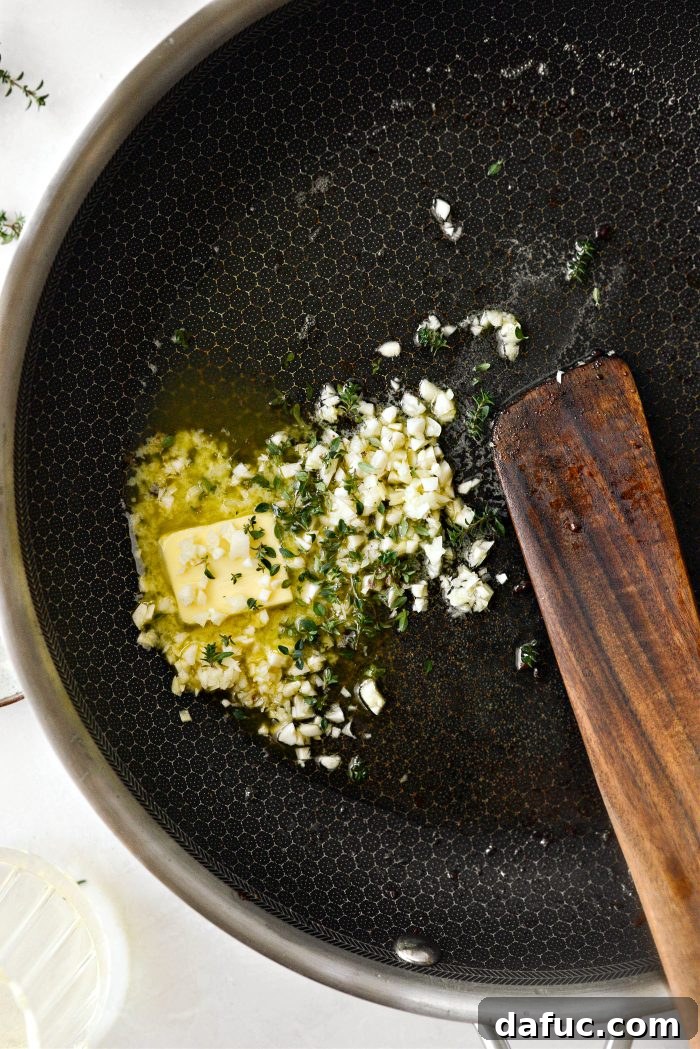
To the remaining pancetta fat in the skillet, add 2 tablespoons of butter, 3 cloves of finely minced fresh garlic, and 1/2 teaspoon of fresh thyme leaves. Sauté for about 1 minute, stirring constantly, until the garlic becomes fragrant but not browned. This step builds the aromatic foundation of your sauce.
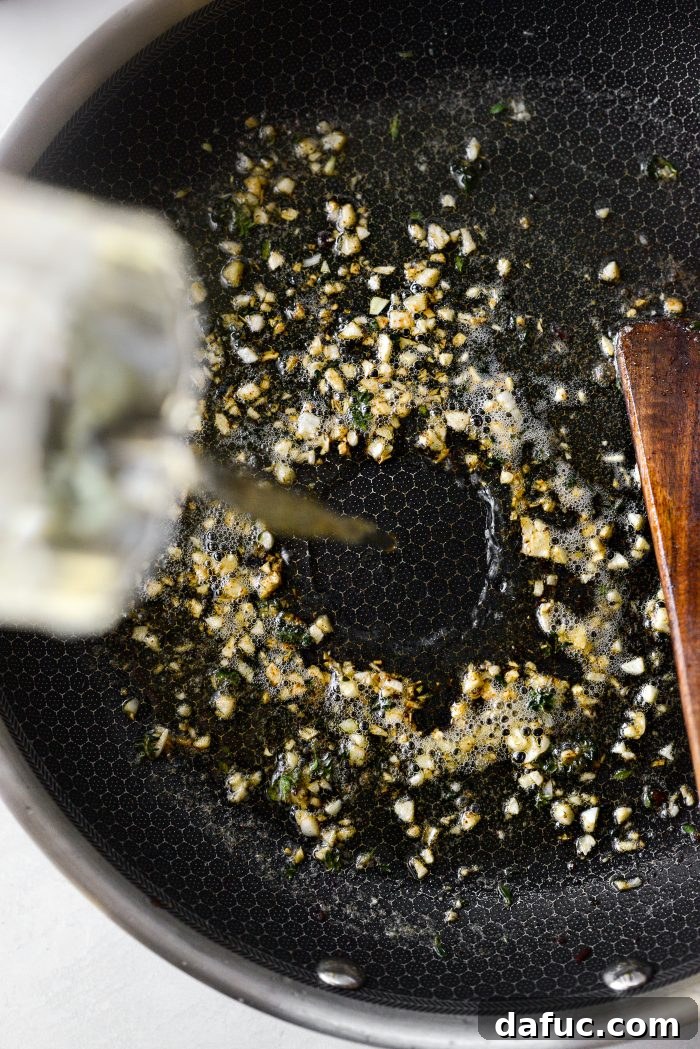
Pour in 1/4 cup of dry white wine. Bring the mixture to a gentle simmer, allowing it to cook until it has reduced by half. This process deglazes the pan, concentrating the flavors and creating a rich, complex base.
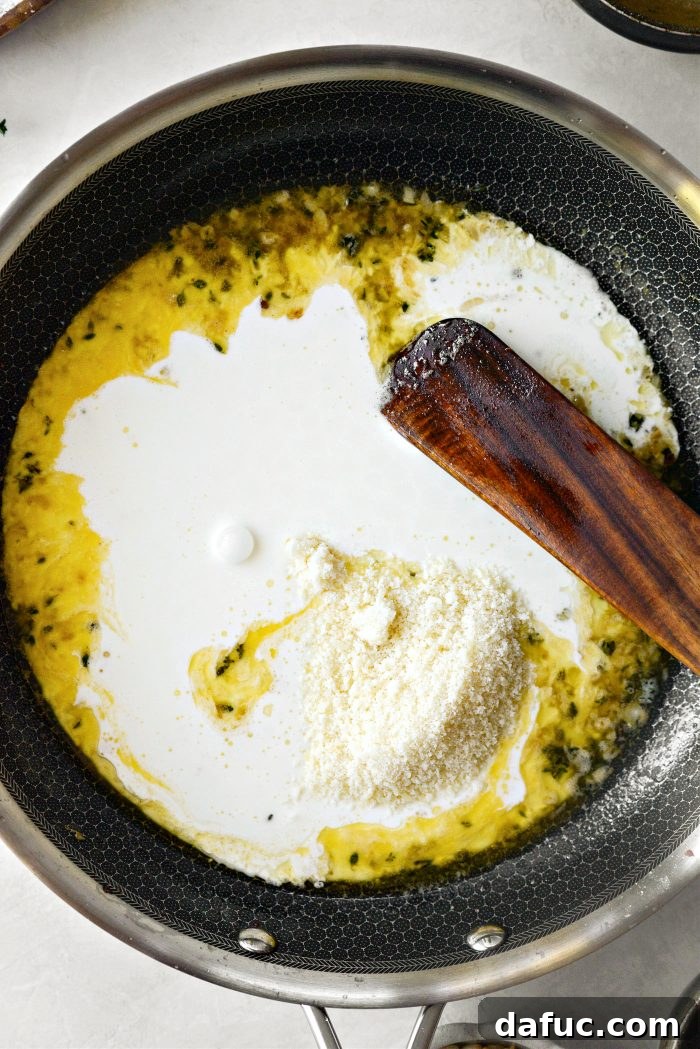
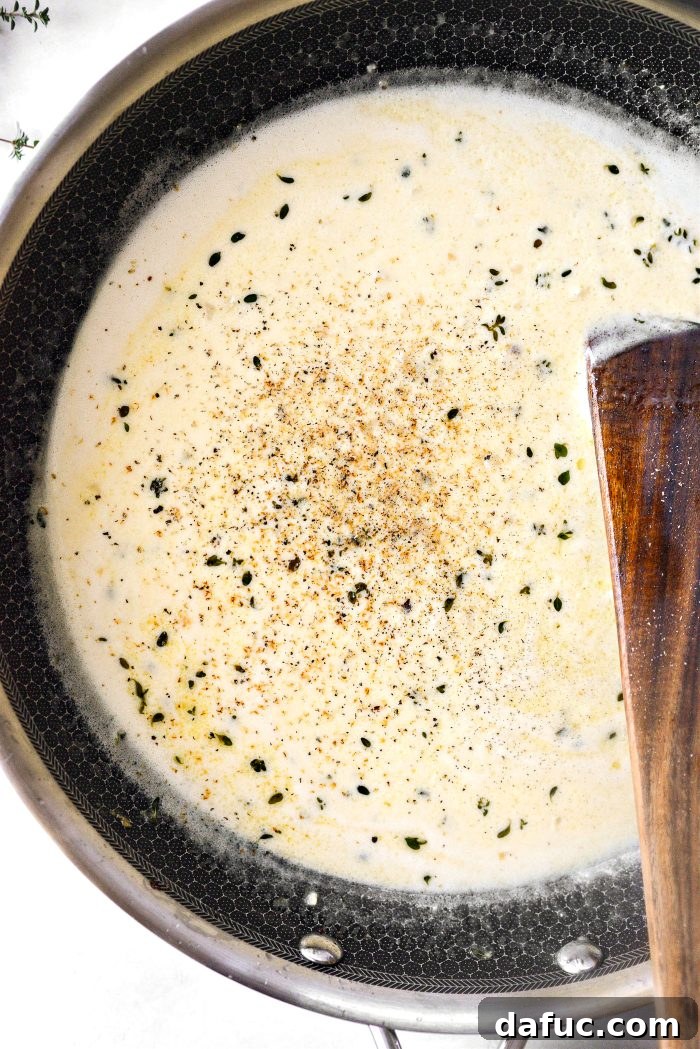
Next, pour in 3/4 cup of heavy cream and add 1/4 cup of freshly grated Parmesan cheese. Continue to simmer, stirring often, until the sauce has thickened slightly to a luscious consistency that will cling beautifully to the pasta. Reduce the heat to low, then season the sauce with freshly ground black pepper and a pinch of freshly grated nutmeg (if using). Nutmeg adds a wonderfully subtle warmth that elevates cream sauces.
4. Combine and Serve
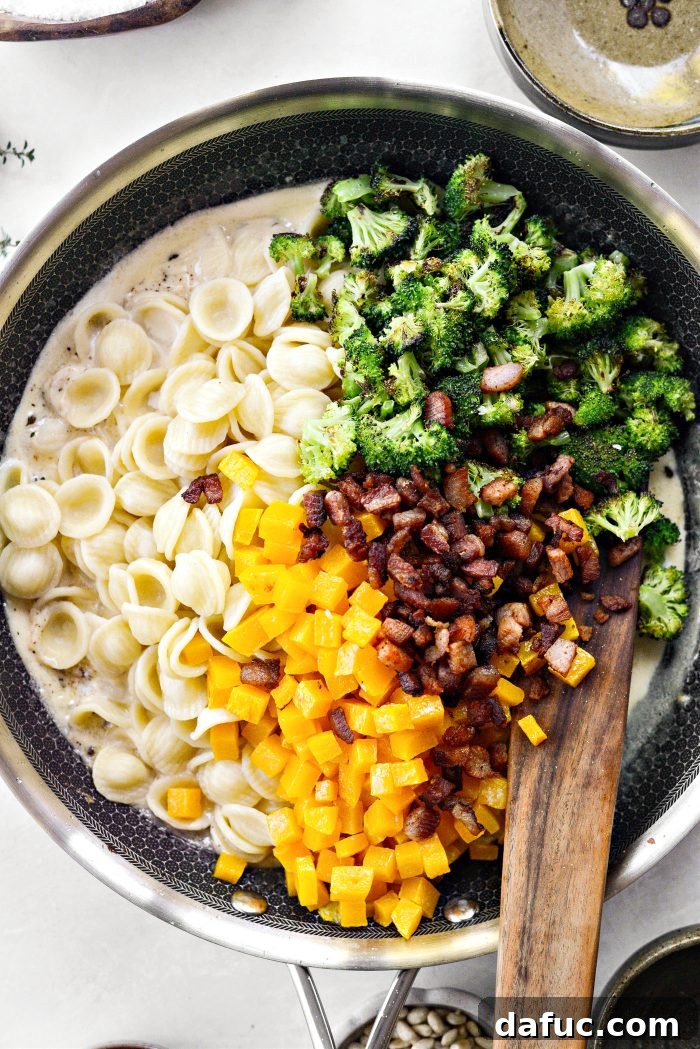
Drain the cooked orecchiette pasta thoroughly and add it directly to the skillet with the cream sauce. Add the roasted butternut squash, broccoli, and the crispy pancetta. Toss everything together gently until all the ingredients are well combined and coated in the silky sauce. Taste the pasta and adjust seasoning with additional salt if needed.
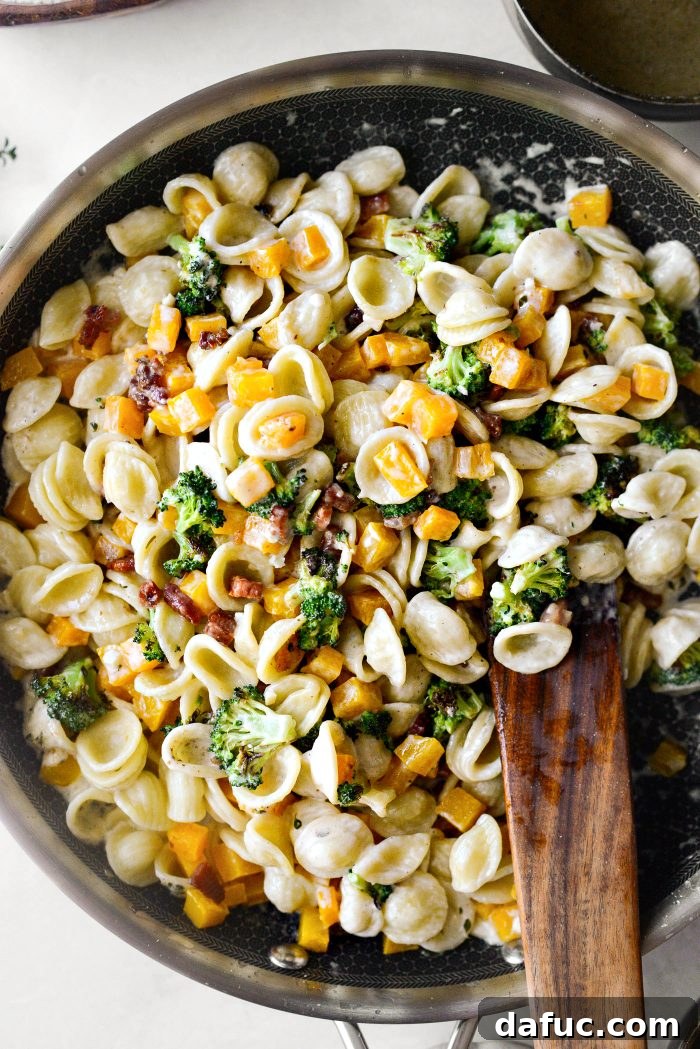
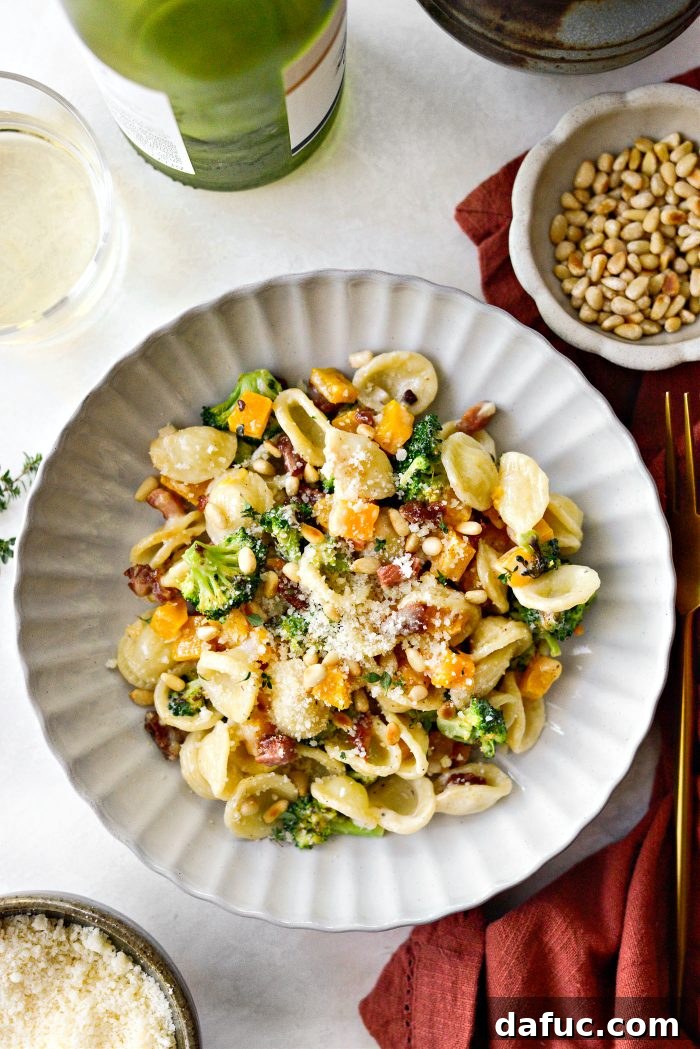
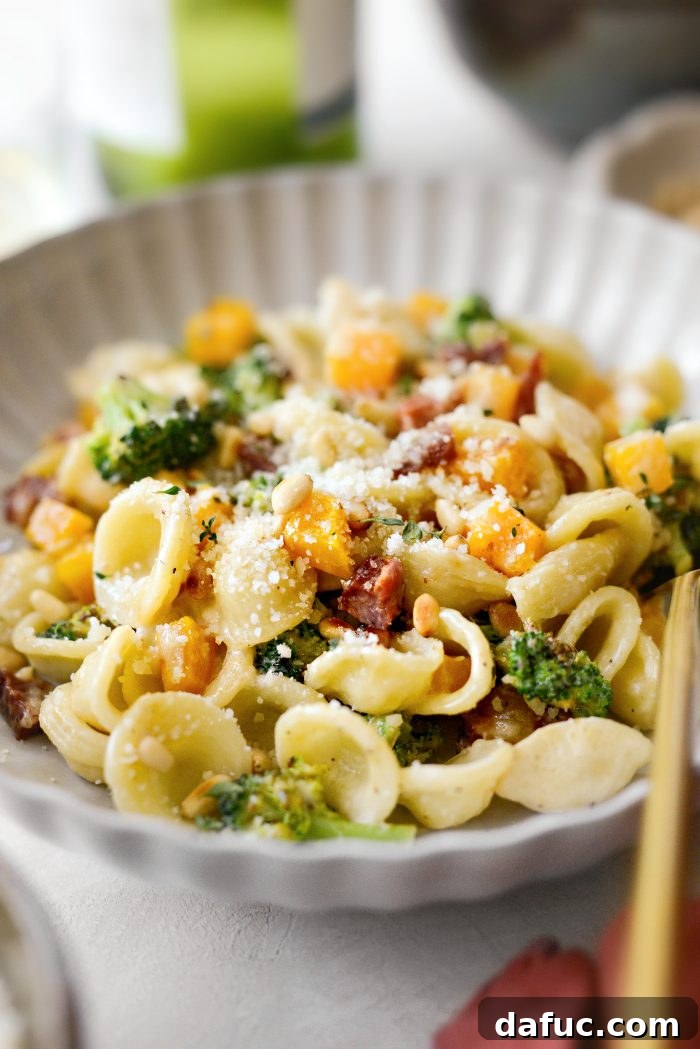
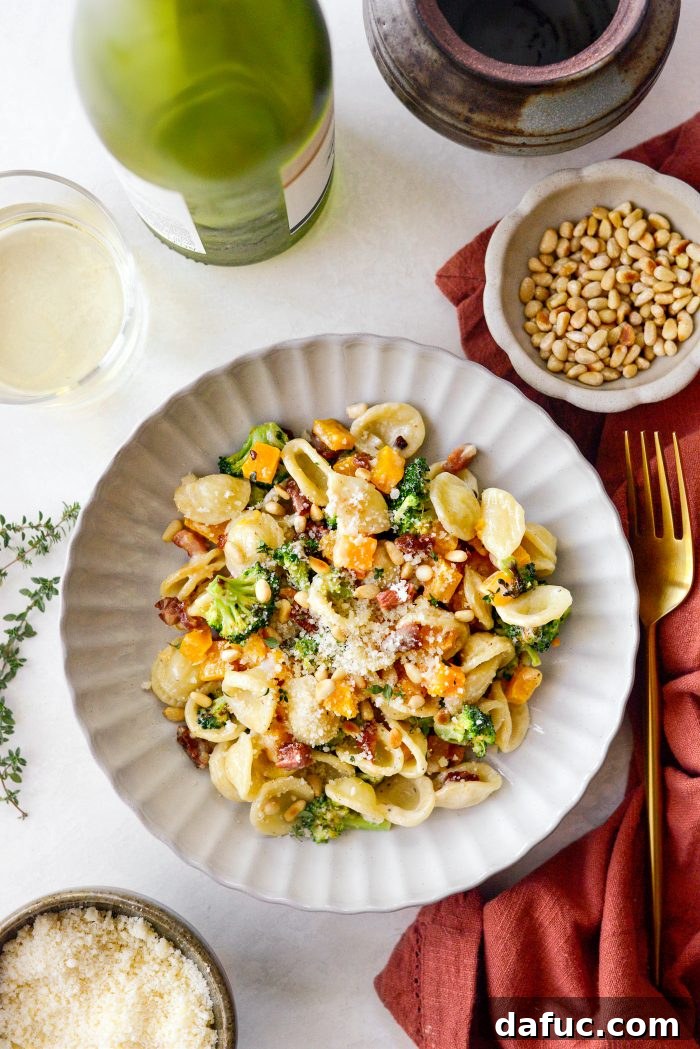
Divide the finished pasta among 4 to 6 bowls or plates. Garnish generously with a sprinkle of toasted pine nuts and an extra dusting of freshly grated Parmesan cheese. Serve immediately and enjoy the harmonious blend of flavors and textures.
Tips for Perfection
- Evenly Dice Vegetables: Ensure your butternut squash is diced into uniform, small pieces (similar in size to the pancetta) for even cooking and a cohesive dish texture.
- Don’t Crowd the Pan: When roasting vegetables, avoid overcrowding the baking sheets. Give them space to caramelize properly instead of steaming. Use two sheets if necessary.
- Salt Your Pasta Water: Always season your pasta water generously. It’s the only chance to flavor the pasta itself. It should taste like the sea!
- Fresh is Best: While pre-chopped vegetables are convenient, using fresh garlic and thyme will yield the most vibrant flavors in your sauce.
- Deglaze Properly: The dry white wine step is not just for flavor; it helps scrape up all the flavorful browned bits (fond) from the bottom of the pan after cooking the pancetta, adding immense depth to your sauce.
- Taste and Adjust: Always taste your sauce and the final dish before serving. Adjust salt, pepper, or even a squeeze of lemon juice (not in this recipe, but generally) to balance flavors.
Variations & Serving Suggestions
This Orecchiette Pasta is wonderfully versatile. Here are some ideas to customize it or serve it:
- Vegetable Swaps: Experiment with other fall vegetables like diced sweet potatoes, parsnips, Brussels sprouts, or even spinach for added greens.
- Protein Boost: For an even heartier meal, add cooked chicken sausage, shredded rotisserie chicken, or seared scallops to the dish.
- Make it Vegetarian: Omit the pancetta and instead sauté mushrooms (cremini or shiitake) in olive oil for an earthy, umami base. A touch of smoked paprika can also add depth.
- Different Pasta Shapes: While orecchiette is perfect, other short, sturdy pasta shapes like penne, rigatoni, or cavatappi would also work well.
- Lighter Sauce: If you prefer a lighter sauce, you can use half-and-half or even milk with a teaspoon of cornstarch mixed in, though the richness will be reduced.
- Wine Alternatives: If you prefer not to use wine, a good quality vegetable or chicken broth can be used for deglazing.
Serving Ideas:
This pasta is robust enough to be a standalone main dish. It pairs beautifully with a simple side salad, such as a crisp arugula salad with a light vinaigrette, or a hearty kale salad. A warm, crusty loaf of bread is also ideal for soaking up any leftover sauce. For a more elaborate meal, serve it as a side to grilled chicken, pan-seared steak, or baked salmon. The dish’s origins trace back to an inspiring meal in Utah in 2016, thanks to Chef Tony from Kroger, proving that great food can come from anywhere!
For More Delightful Pasta Recipes, Click Here!
Enjoy! And if you give this Orecchiette Pasta recipe a try, I’d love to hear from you! Snap a photo and share it by tagging me on Twitter or Instagram!
Yield: 6 servings
Orecchiette Pasta with Pancetta, Butternut Squash and Broccoli
This Orecchiette Pasta with Pancetta, Butternut Squash and Broccoli is the perfect fall pasta recipe! Tender roasted broccoli and butternut squash is tossed with crispy pancetta and cooked orecchiette pasta in a simple garlicky Parmesan cream sauce. Serve it topped with extra Parmesan cheese and toasted pine nuts.
Yields 4 to 6 servings depending on serving sizes.
Prep Time: 15 mins
Cook Time: 45 mins
Total Time: 1 hr
Ingredients
- 12 ounces butternut squash, diced small
- 6 ounces broccoli florets
- Olive oil
- Kosher salt
- Fine sea salt, for pasta water
- 1/2 pound orecchiette pasta
- 4 ounces diced pancetta
- 2 tablespoons butter
- 3 cloves fresh garlic, finely chopped
- 1/2 teaspoon fresh thyme, chopped
- 1/4 cup dry white wine, like sauvignon blanc
- 3/4 cup heavy cream
- Freshly ground black pepper, to taste
- 1/8 teaspoon nutmeg, freshly grated is best
- 1/2 cup freshly grated Parmesan cheese, divided
- 1/4 cup toasted pine nuts
Instructions
- Preheat your oven to 425℉ (220℃).
-
Roast The Squash and Broccoli:
- Place the diced butternut squash and the broccoli florets on two separate rimmed, quarter baking sheets. Drizzle with a little olive oil and season with kosher salt. Toss to coat.
- Roast the squash for about 20 minutes. After the first 5 minutes, slide the pan with the broccoli into the oven to roast alongside the squash. Once done, check the squash by inserting a toothpick (it should effortlessly pierce through the squash), then remove the pans and set off to the side. Note: Timing will depend on the size of your squash.
-
Bring a pot of water to boil and crisp the pancetta:
- While the vegetables are roasting, bring a pot of water to boil. Once boiling, add a palmful of fine sea salt along with 8 ounces of the orecchiette pasta, stir often and cook according to package directions. Aim for the pasta to be cooked when the sauce is done.
- Meanwhile, right after you turn on the heat for the water, add the pancetta to a large 12-inch skillet and heat on medium. Cook for about 10 minutes or until the pancetta is crispy. Use a slotted spoon to transfer to a paper towel lined plate and set off to the side, leaving the fat in the pan.
-
Make The Sauce:
- To the pancetta fat in the pan, add the butter, garlic and thyme leaves. Stir and cook 1 minute. Once the garlic is sautéed, pour in the dry white wine. Bring to a simmer and cook until reduced by half.
- Then pour in the heavy cream and add 1/4 cup of the grated Parmesan cheese. Bring to a simmer, stirring often, until the sauce has thickened slightly. Turn heat down to low and season the sauce with freshly ground black pepper and freshly grated nutmeg.
- Next, add in the drained cooked pasta, roasted butternut squash and broccoli, and the crispy pancetta. Toss to combine and taste to see if it needs salt.
- Divide the pasta among 4 bowls or plates and sprinkle with toasted pine nuts and the remaining Parmesan cheese.
Notes
Nutrition Disclaimer: All information presented on this site is intended for informational purposes only. I am not a certified nutritionist and any nutritional information shared should only be used as a general guideline.
Toasting Pine Nuts: Add pine nuts into a small dry skillet. Heat on medium to medium-low until fragrant and lightly golden brown. This usually takes about 8 minutes.
Nutrition Facts (per serving):
- Serving: 1 serving
- Calories: 473 kcal
- Carbohydrates: 40 g
- Protein: 13 g
- Fat: 29 g
- Saturated Fat: 13 g
- Polyunsaturated Fat: 4 g
- Monounsaturated Fat: 9 g
- Trans Fat: 0.2 g
- Cholesterol: 63 mg
- Sodium: 324 mg
- Potassium: 503 mg
- Fiber: 3 g
- Sugar: 4 g
- Vitamin A: 6846 IU
- Vitamin C: 38 mg
- Calcium: 149 mg
- Iron: 2 mg
Author: Laurie McNamara
Course: Grains & Pastas
Cuisine: American, Italian
This recipe was originally posted on February 6th, 2017, and has been thoughtfully updated with clearer and more concise instructions, new photography, and helpful information to enhance your cooking experience.