
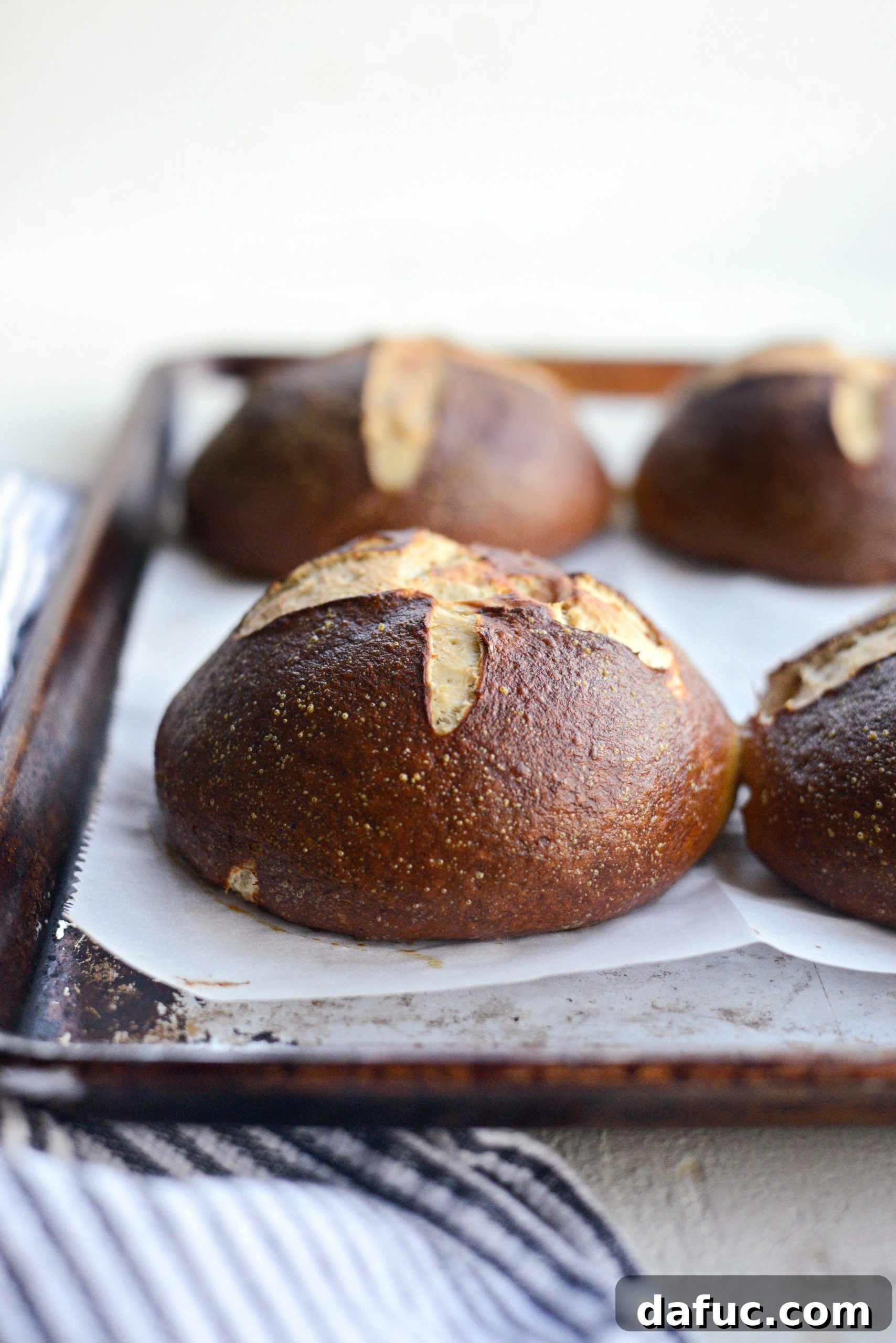
There’s an undeniable charm to freshly baked bread, and when it comes to a unique, satisfying flavor and texture, homemade pretzel bread stands in a league of its own. Imagine sinking your teeth into a soft, chewy interior encased in a gloriously deep, mahogany-brown crust with that signature tangy, salty pretzel taste. This easy homemade pretzel bread recipe brings that bakery-quality experience right into your kitchen, simplifying the process without compromising on authentic flavor. Using a straightforward dough base of warm milk, yeast, brown sugar, butter, salt, and flour, the magic truly happens when each small loaf takes a quick dip in a boiling water and baking soda solution before baking. This alkaline bath is the secret weapon, creating the perfect environment for the bread to achieve its distinctive dark color and classic pretzel-y flavor without burning. In just about 1 hour and 45 minutes, you’ll have four perfect mini loaves, ideal for transforming into hearty bread bowls, gourmet sandwich buns, or simply enjoyed on their own.
The Irresistible Allure of Homemade Pretzel Bread
For many, the idea of baking bread from scratch can seem daunting, a culinary Everest reserved for seasoned bakers. But what if we told you that creating these incredibly flavorful and visually appealing pretzel bread loaves could be surprisingly simple? This recipe shatters the myth that homemade bread must be complicated, offering a streamlined approach that even beginners can master with confidence. The joy of pulling warm, aromatic pretzel bread from your oven, knowing you made it yourself, is truly unparalleled. It’s more than just a recipe; it’s an invitation to explore the rewarding world of baking with fantastic results.
Simplicity Redefined: Why This Pretzel Bread Recipe is a Game-Changer
I distinctly remember my early struggles with bread making – a journey often fraught with deflated dough and dense results. That’s precisely why I’m thrilled to share this particular pretzel bread recipe, as it redefines simplicity. The key to its straightforward nature lies in the use of rapid-rise yeast. This ingenious ingredient dramatically cuts down on rising times, allowing you to move from mixing bowl to baked perfection in a fraction of the time traditional recipes demand. Forget lengthy proofing sessions; with rapid-rise yeast, you simply combine your ingredients, allow for a single, efficient rise, shape your loaves, and bake. The entire process, from start to finish, clocks in at under two hours, making bakery-fresh pretzel bread an achievable weekday treat or a quick weekend project.
The Science Behind the Signature Pretzel Crust
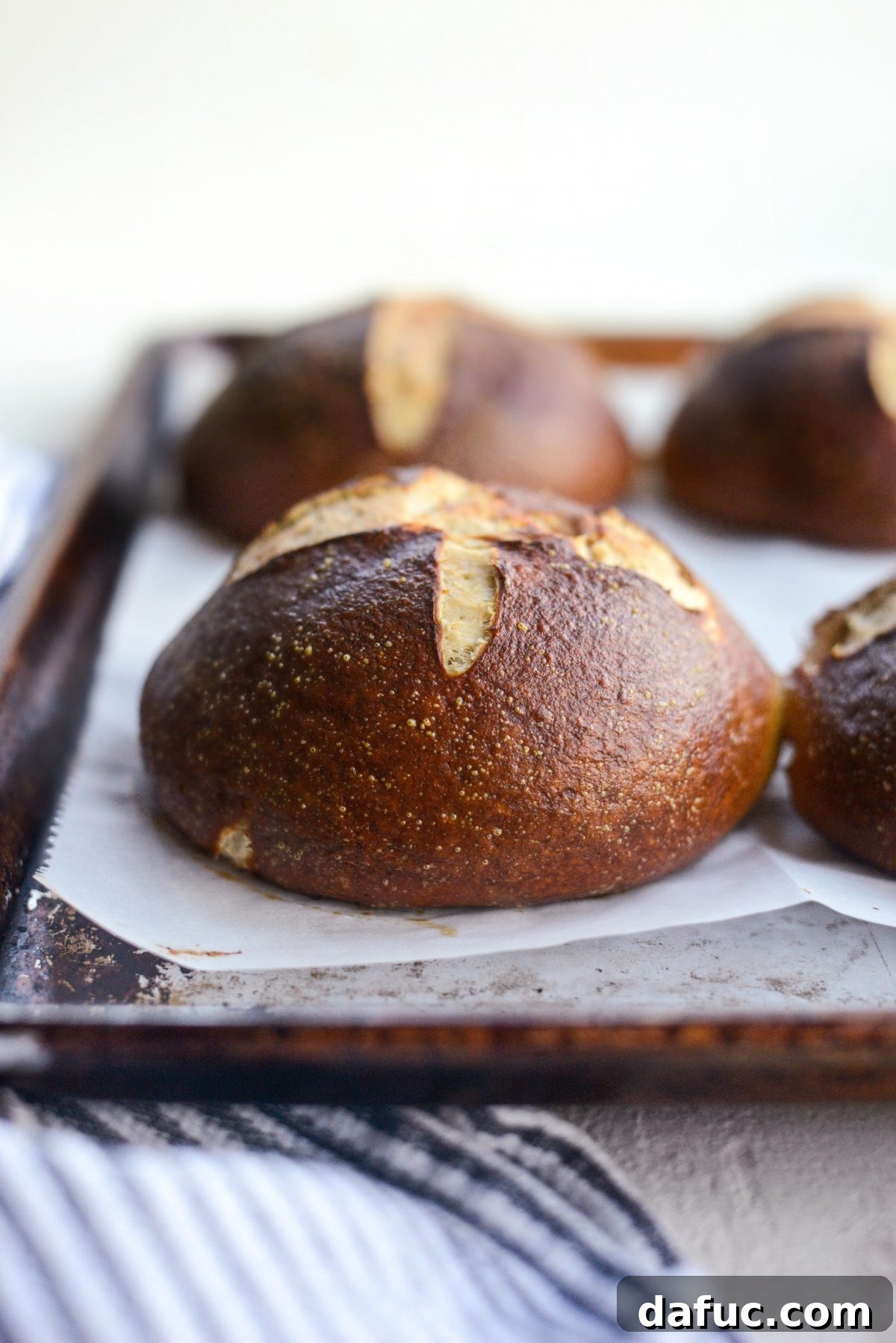
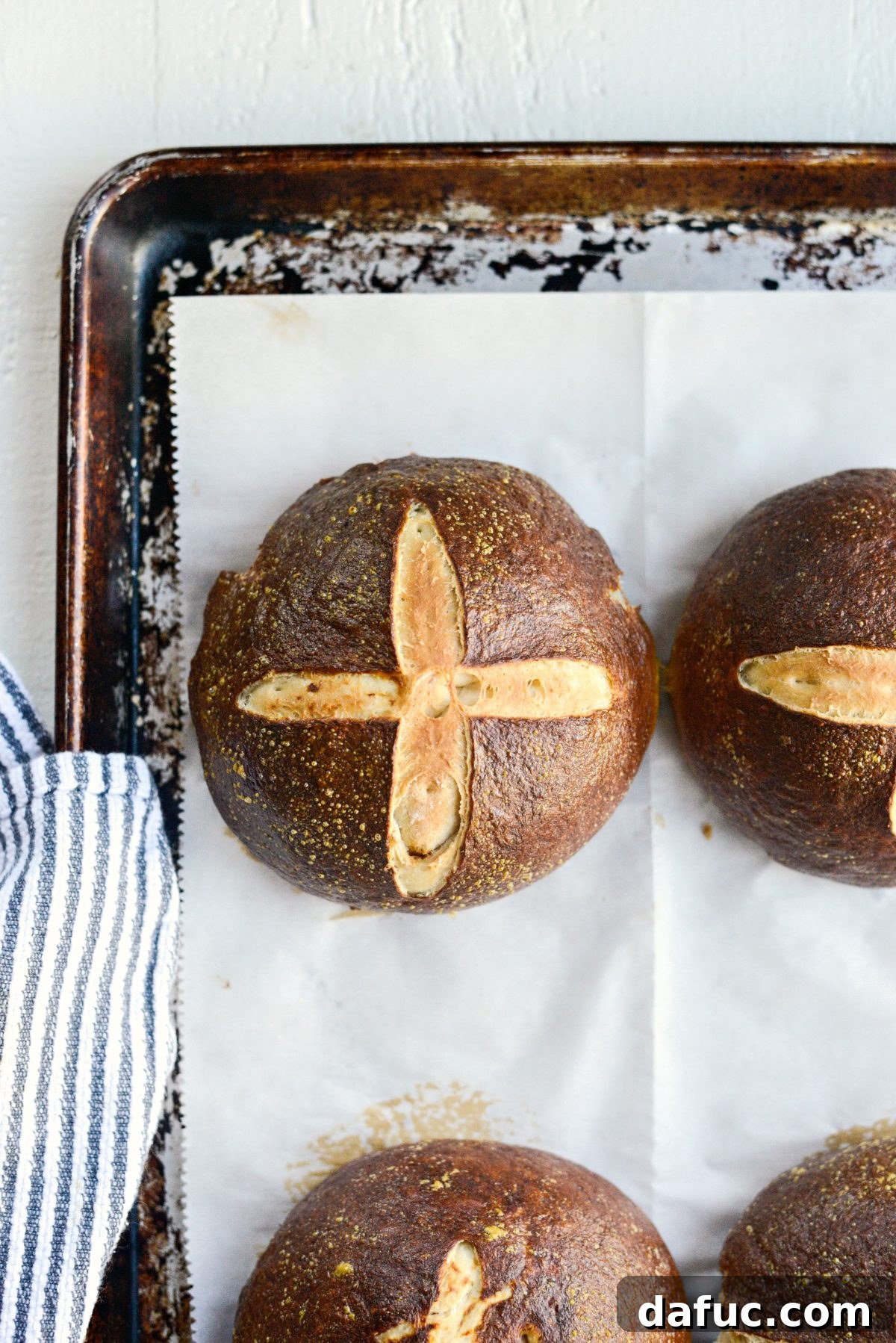
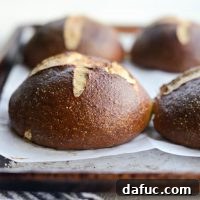
As you’ll witness through the step-by-step photos, one of the most striking features of this pretzel bread is its gorgeously deep, dark crust. This isn’t achieved through extended baking or a special glaze, but rather through a fascinating scientific interaction: the alkaline baking soda bath. After the dough rises and is shaped into individual loaves, they are briefly submerged in a boiling solution of water and baking soda. This creates an alkaline environment on the surface of the dough, which significantly accelerates the Maillard reaction during baking. The Maillard reaction is a chemical process between amino acids and reducing sugars that gives browned food its distinctive flavor and color. In the case of pretzel bread, this alkaline bath allows the crust to develop that rich, dark hue and the characteristic robust, slightly tangy, and incredibly “pretzel-y” flavor we all adore, all while ensuring the interior remains wonderfully soft and tender. It’s a culinary alchemy that transforms ordinary bread into an extraordinary experience.
Beyond the Loaf: A World of Pretzel Possibilities
Once you’ve mastered these delightful pretzel bread loaves, your culinary imagination is bound to ignite! The versatility of pretzel dough extends far beyond these buns. I can already envision a future filled with an array of pretzel-inspired delights. Get ready to explore upcoming recipes for homemade pretzel bagels, perfectly bite-sized pretzel nuggets, and classic pretzel twists. The unique flavor and texture profile of this dough make it an incredible base for countless baked goods, promising exciting new ways to enjoy that beloved pretzel taste.
Essential Ingredients for Perfect Pretzel Bread
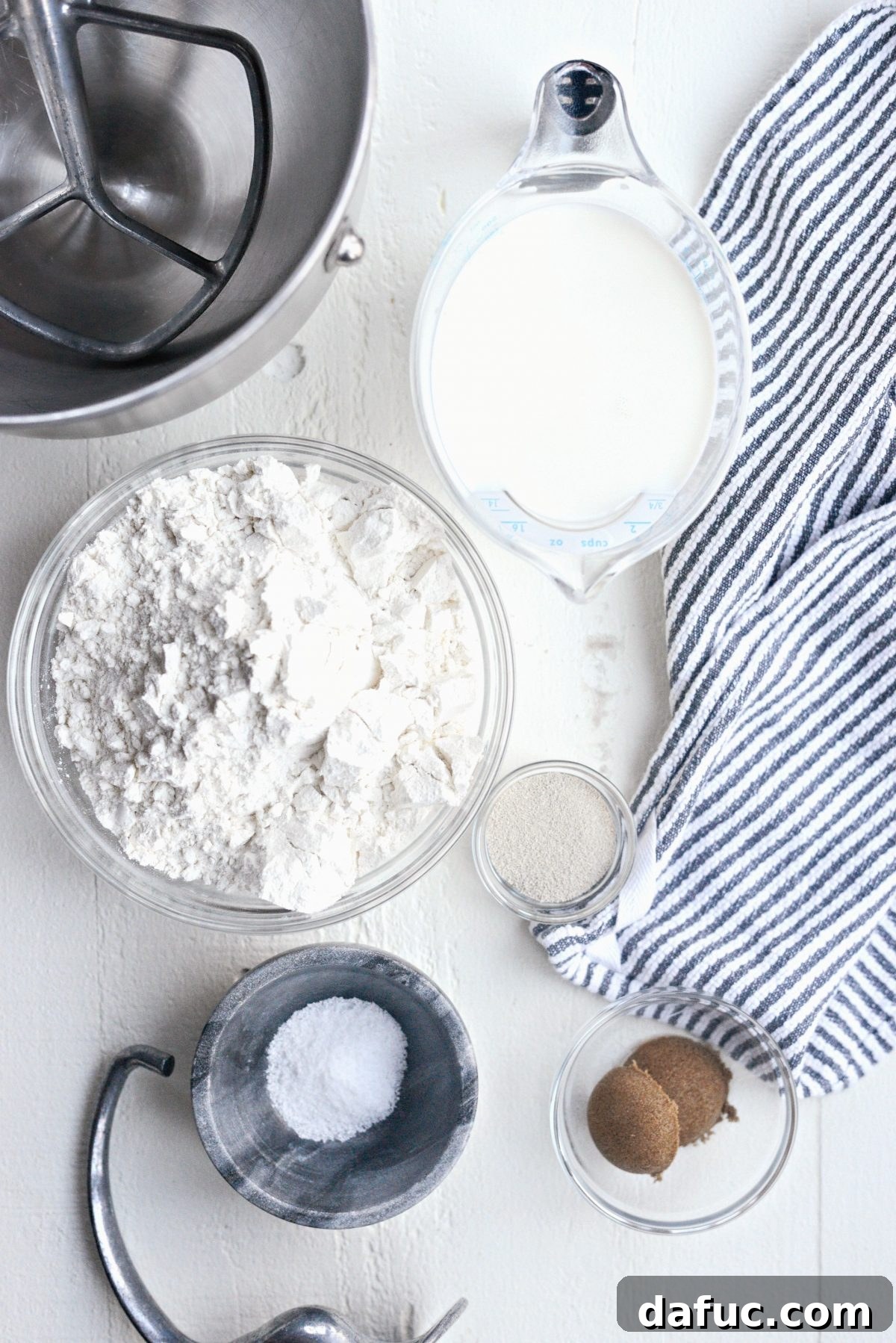
Creating exceptional homemade pretzel bread begins with high-quality ingredients. Before you even think about mixing, take a moment to pre-measure everything. This mise en place approach ensures a smooth and stress-free baking process, preventing last-minute scrambles and ensuring accuracy. Each component plays a vital role in developing the rich flavor and ideal texture of your pretzel bread, so having them ready and waiting is key to success.
To Make Homemade Pretzel Bread You’ll Need:
- Whole Milk: Provides richness and helps activate the yeast.
- Brown Sugar: Adds a subtle sweetness and feeds the yeast, contributing to a tender crumb.
- Melted Butter: Enhances flavor and creates a softer, more luxurious texture. (Don’t forget it on the counter like I sometimes do!)
- Rapid Rise Yeast: The secret to our quick and easy process, ensuring efficient rising.
- Unbleached All-Purpose Flour: The primary structural component, unbleached flour often has a slightly higher protein content, which is beneficial for bread making.
- Kosher Salt: Essential for flavor balance in the dough, and a key component of the authentic pretzel taste.
- Baking Soda: The star ingredient for the alkaline bath that gives pretzels their signature crust and flavor.
- Large Egg: For the egg wash, providing a beautiful sheen and aiding in browning.
Step-by-Step: Crafting Your Easy Homemade Pretzel Bread
Let’s dive into the detailed instructions to create these irresistible pretzel bread loaves. Follow these steps carefully, and you’ll be rewarded with a batch of perfectly baked, flavorful bread that will impress everyone.
Preparing the Dough: The Foundation of Flavor
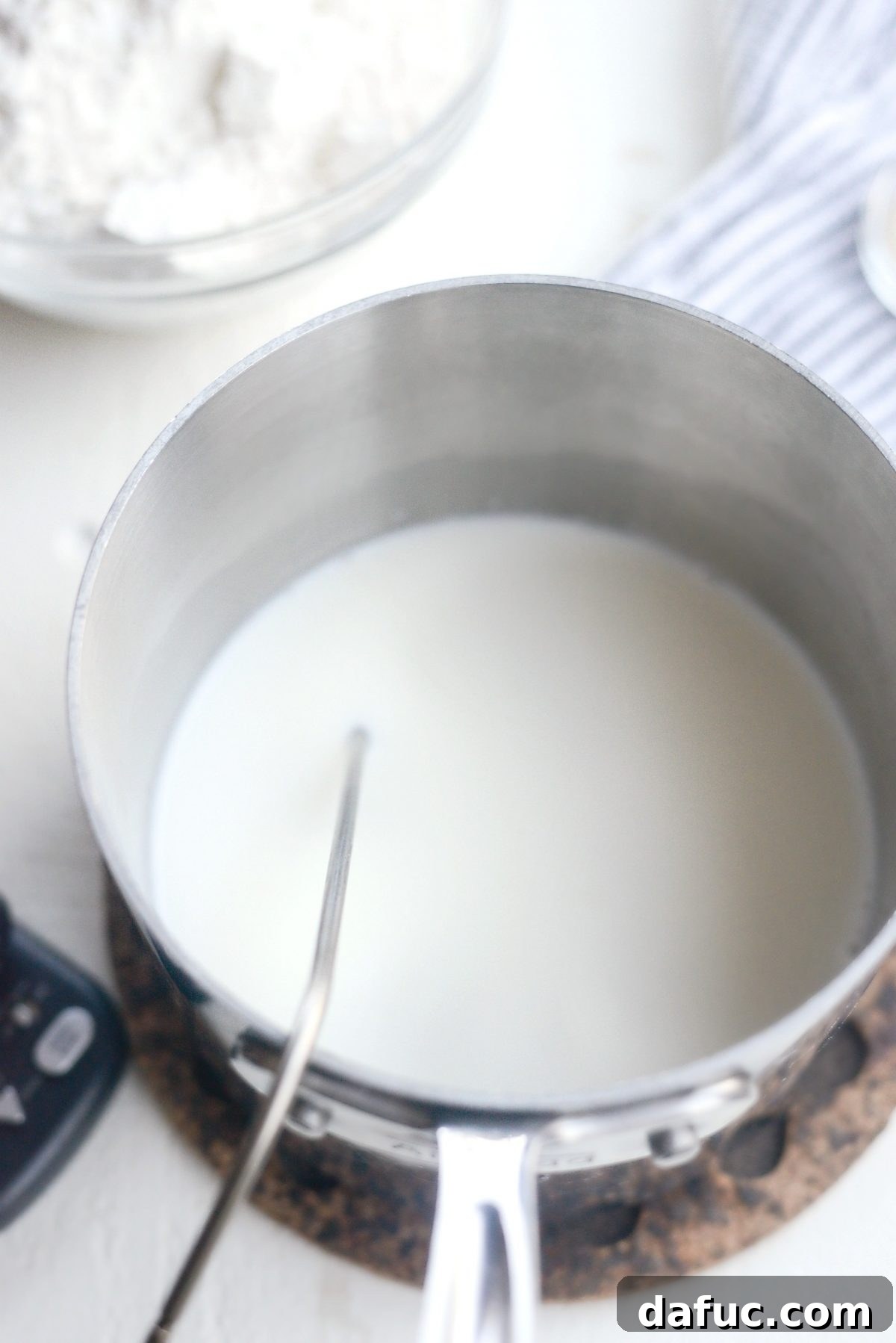
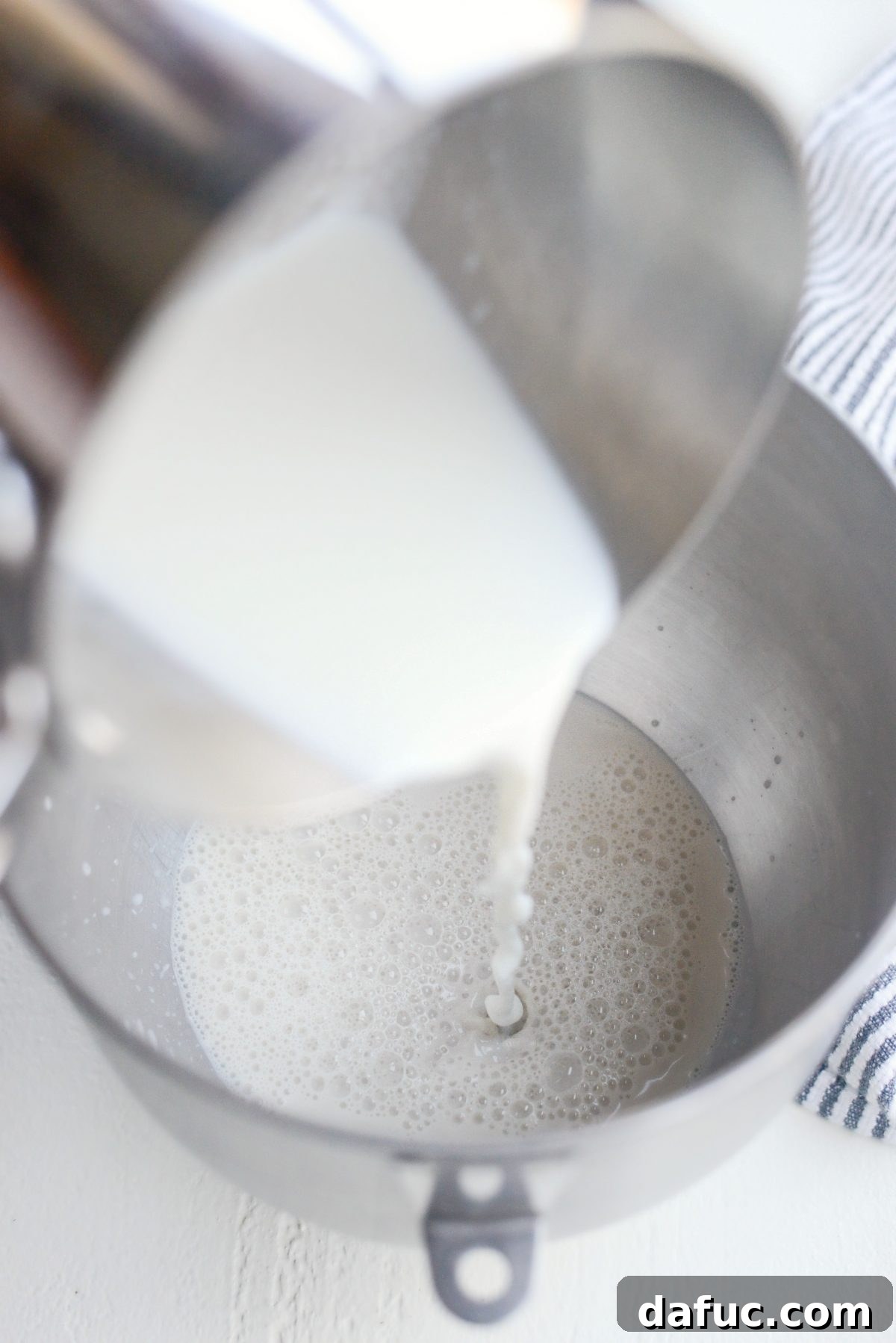
Begin by adding 2 generous tablespoons of dark brown sugar to the bottom of your stand mixer’s bowl. Meanwhile, in a small saucepan, gently heat 1-1/2 cups of whole milk until it reaches an ideal temperature of 110°F (43°C). This precise temperature is crucial for activating the rapid rise yeast without hindering its activity. Once heated, carefully pour the warm milk into the mixing bowl with the sugar and whisk thoroughly until the brown sugar is completely dissolved. This creates a sweet, nourishing base for your yeast to thrive.
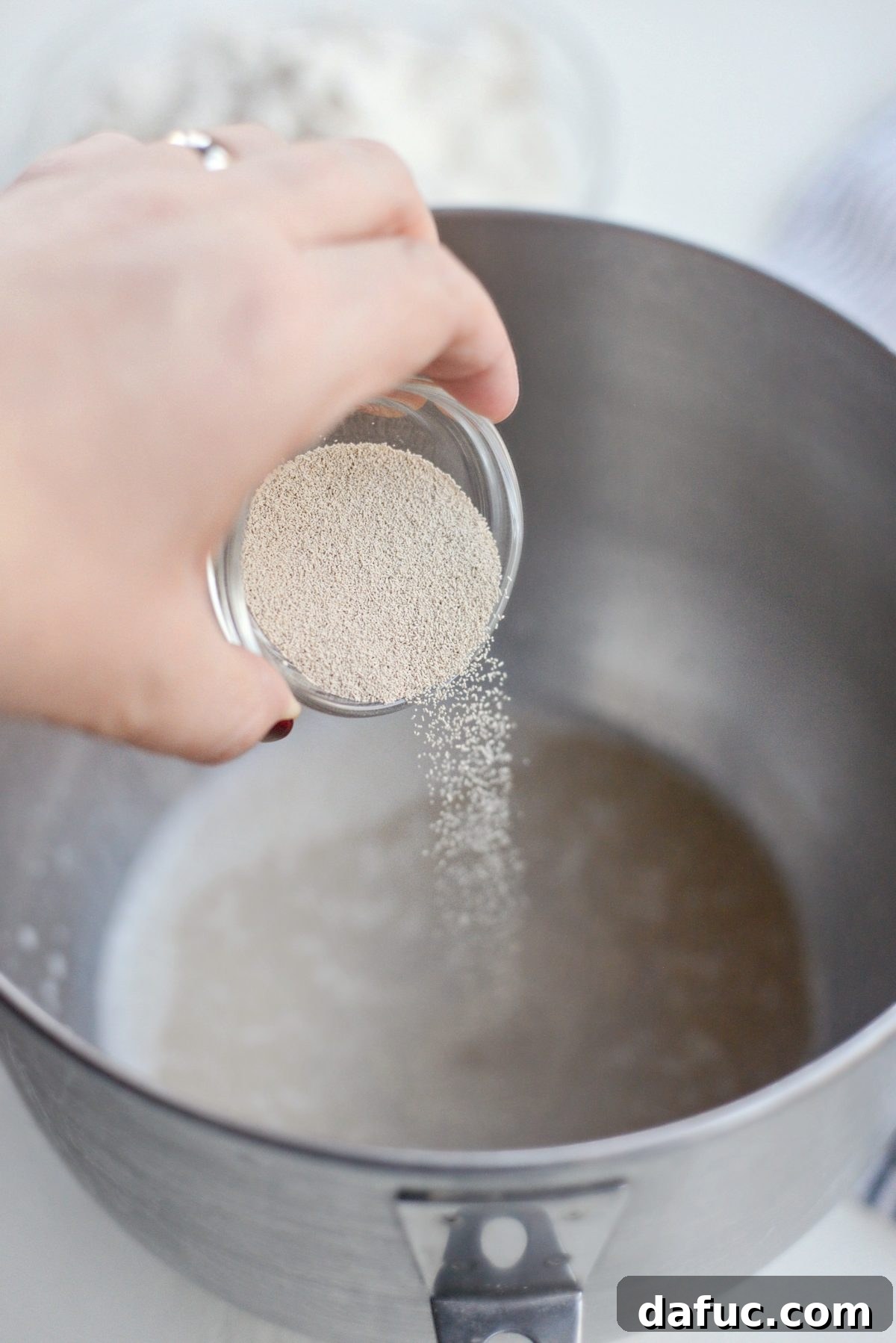
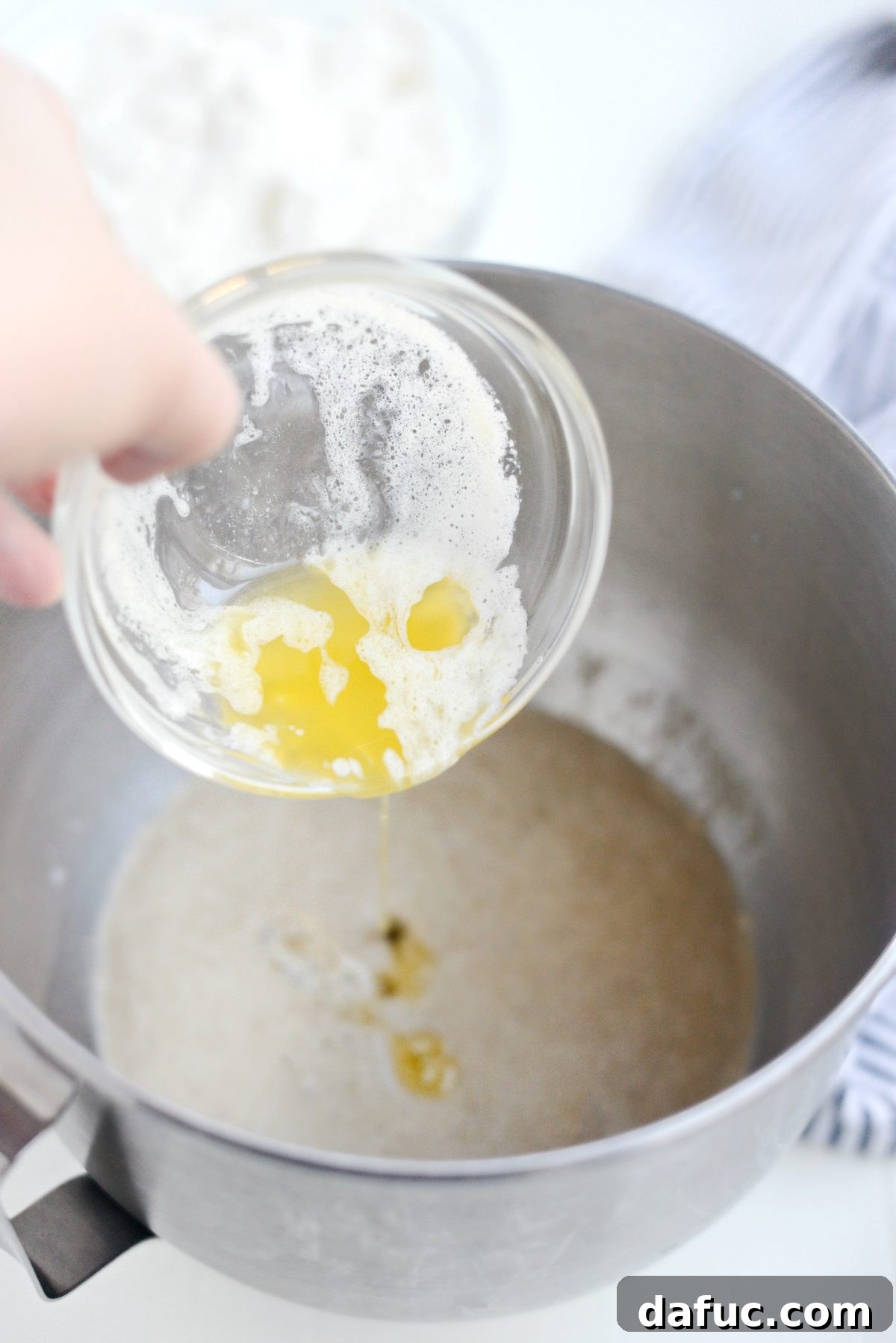
Next, sprinkle in 2 envelopes of rapid rise yeast (which typically equates to 4-1/2 teaspoons or 1/2 ounce). Add 2 tablespoons of melted butter, ensuring it has cooled slightly so it doesn’t scald the yeast. Give everything a quick stir to combine.
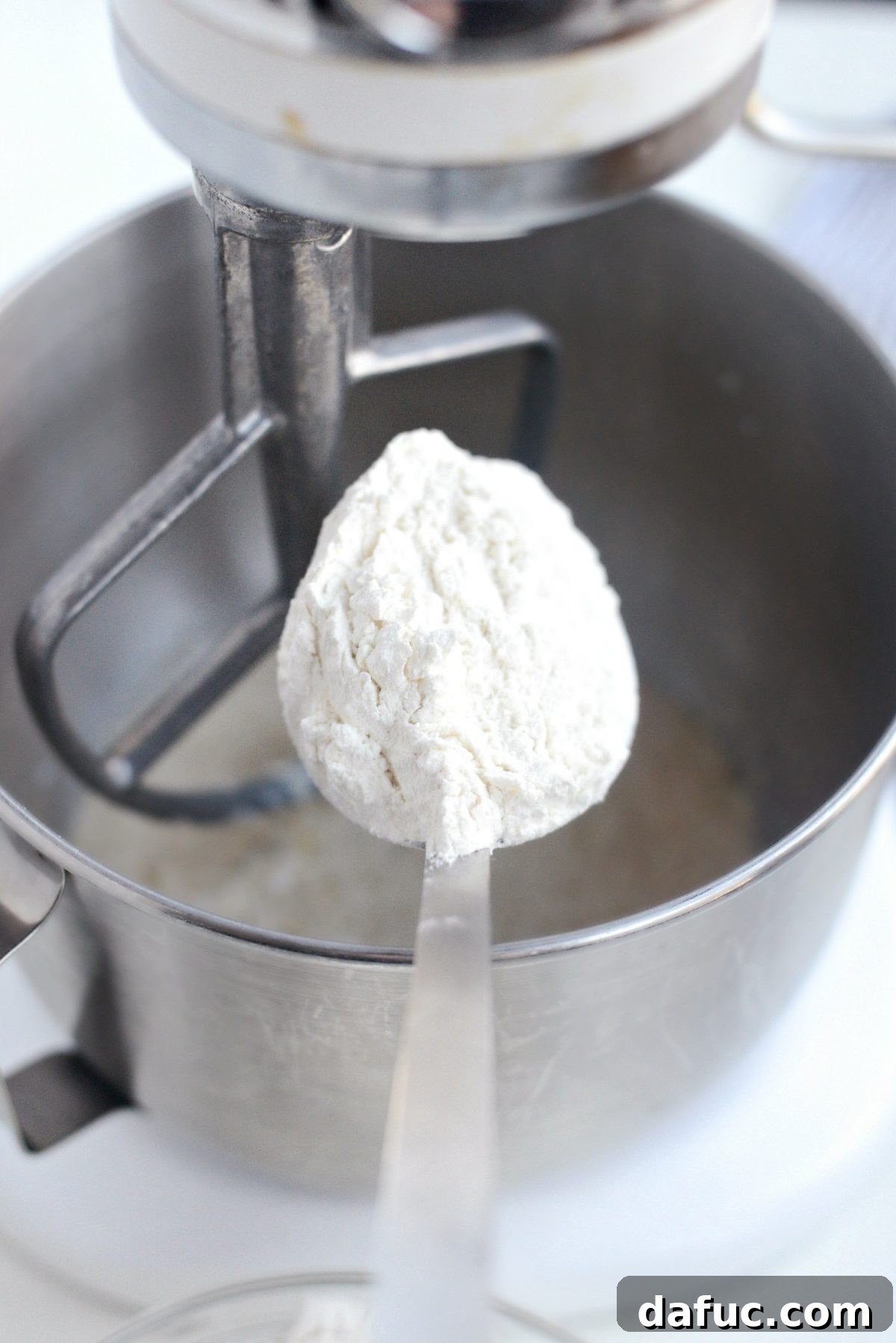
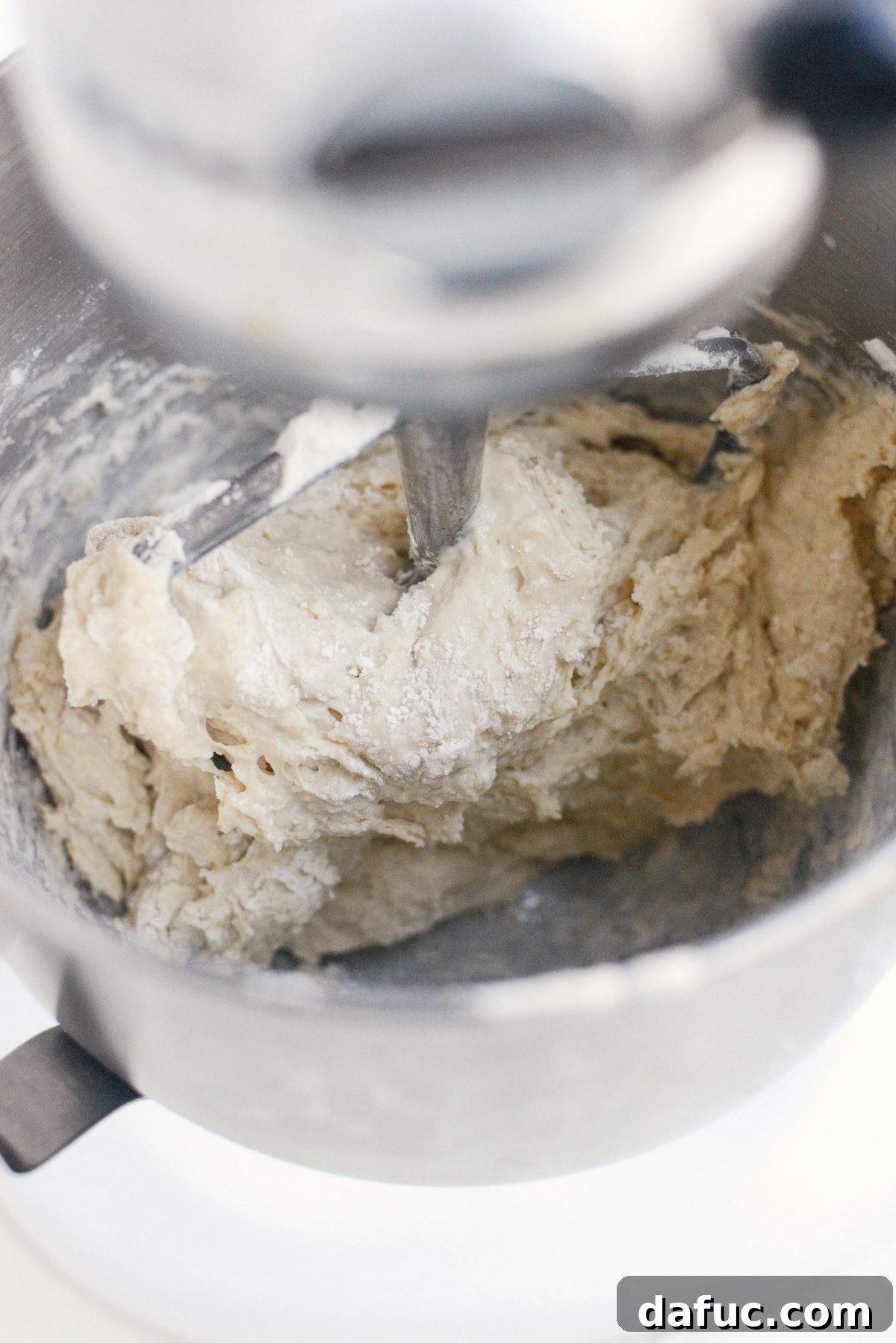
With the paddle attachment on your stand mixer, gradually add the 3-1/2 cups of unbleached all-purpose flour and 2 teaspoons of kosher salt to the wet ingredients. Mix on low speed until all the flour is just incorporated and a shaggy dough forms. Be careful not to overmix at this stage.
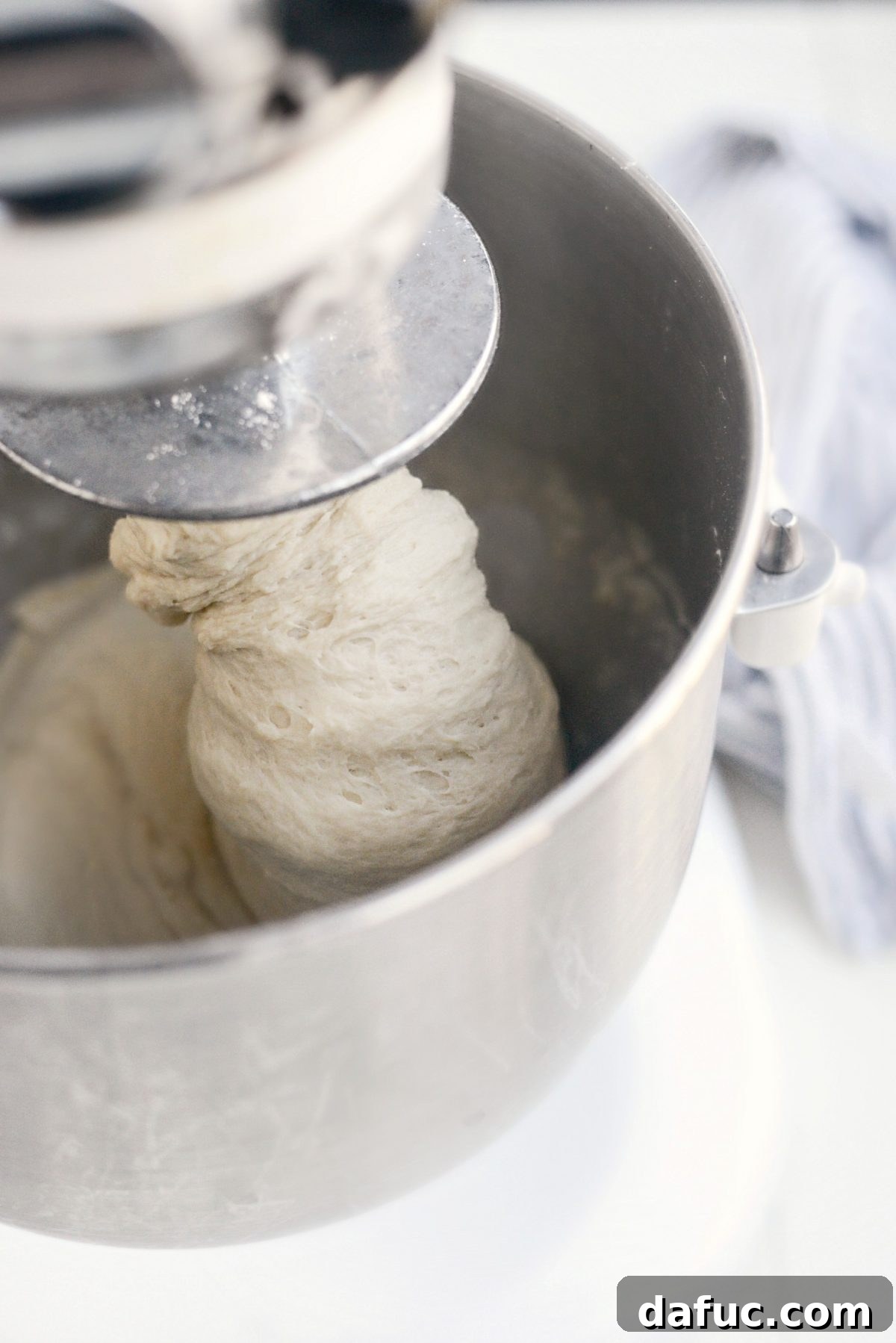
Now, switch from the paddle attachment to the dough hook. Continue mixing on low speed for 8 to 10 minutes. This kneading process is vital for developing the gluten in the flour, which will give your pretzel bread its characteristic chewy texture and structure. The dough should become smooth, elastic, and pull away from the sides of the bowl.
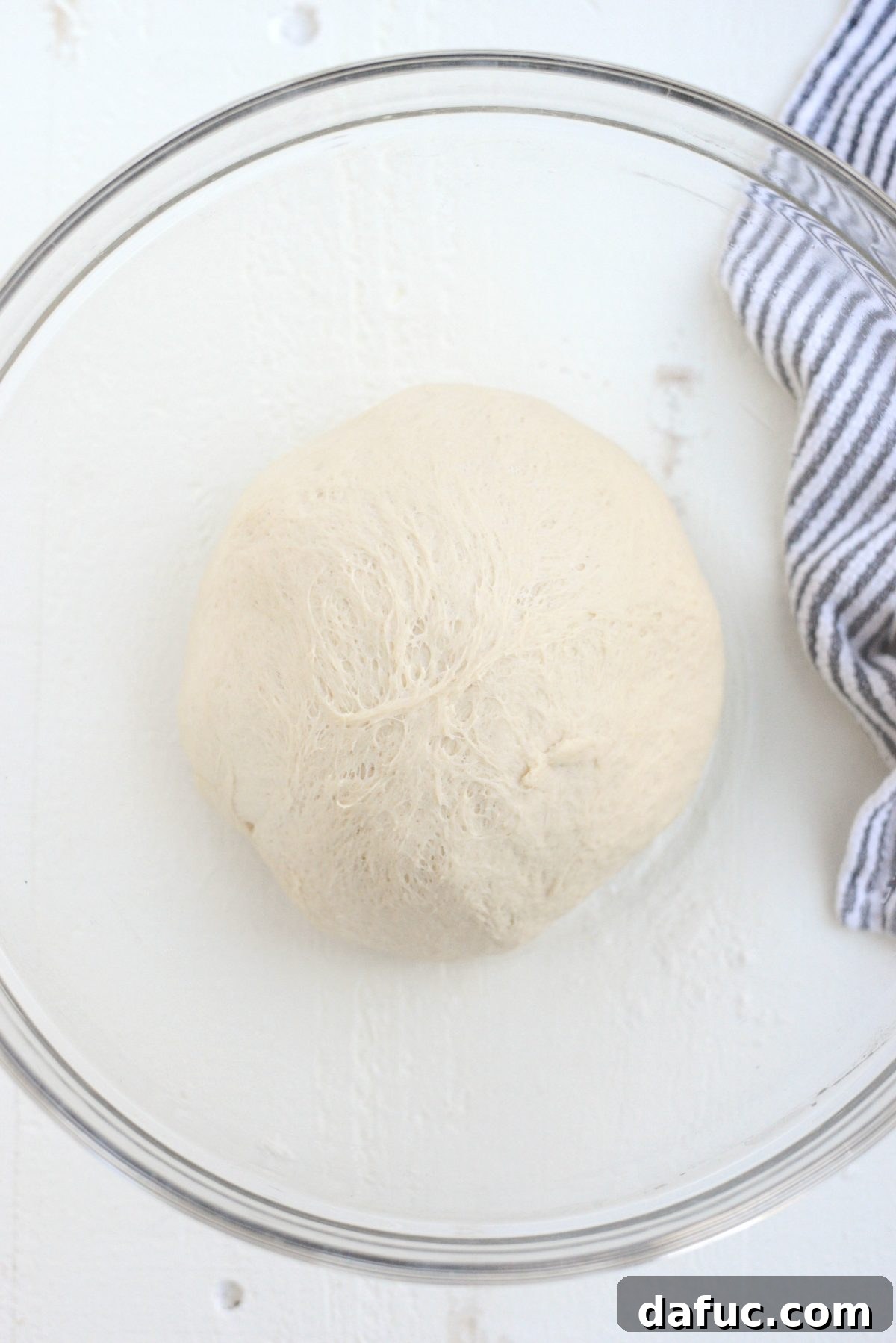
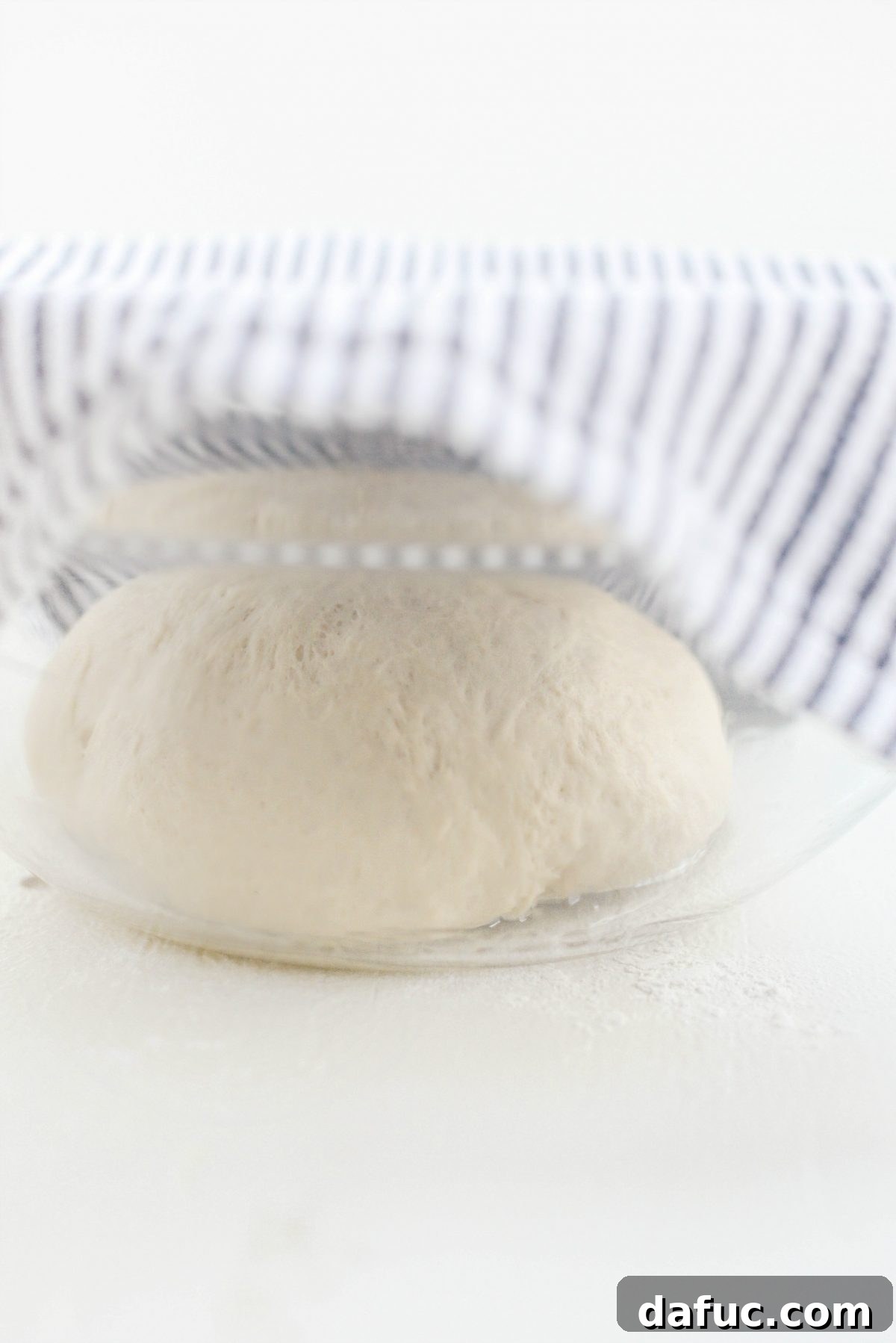
Once kneaded, remove the dough from the hook and the bowl. Gently form the dough into a smooth ball and place it into a large, well-oiled bowl, turning it once to ensure all sides are lightly coated with oil. This prevents sticking as it rises. Cover the bowl with a clean kitchen or tea towel and let the dough rise in a warm, draft-free place for about 1 hour, or until it has visibly doubled in size. The rapid rise yeast works quickly, so keep an eye on it!
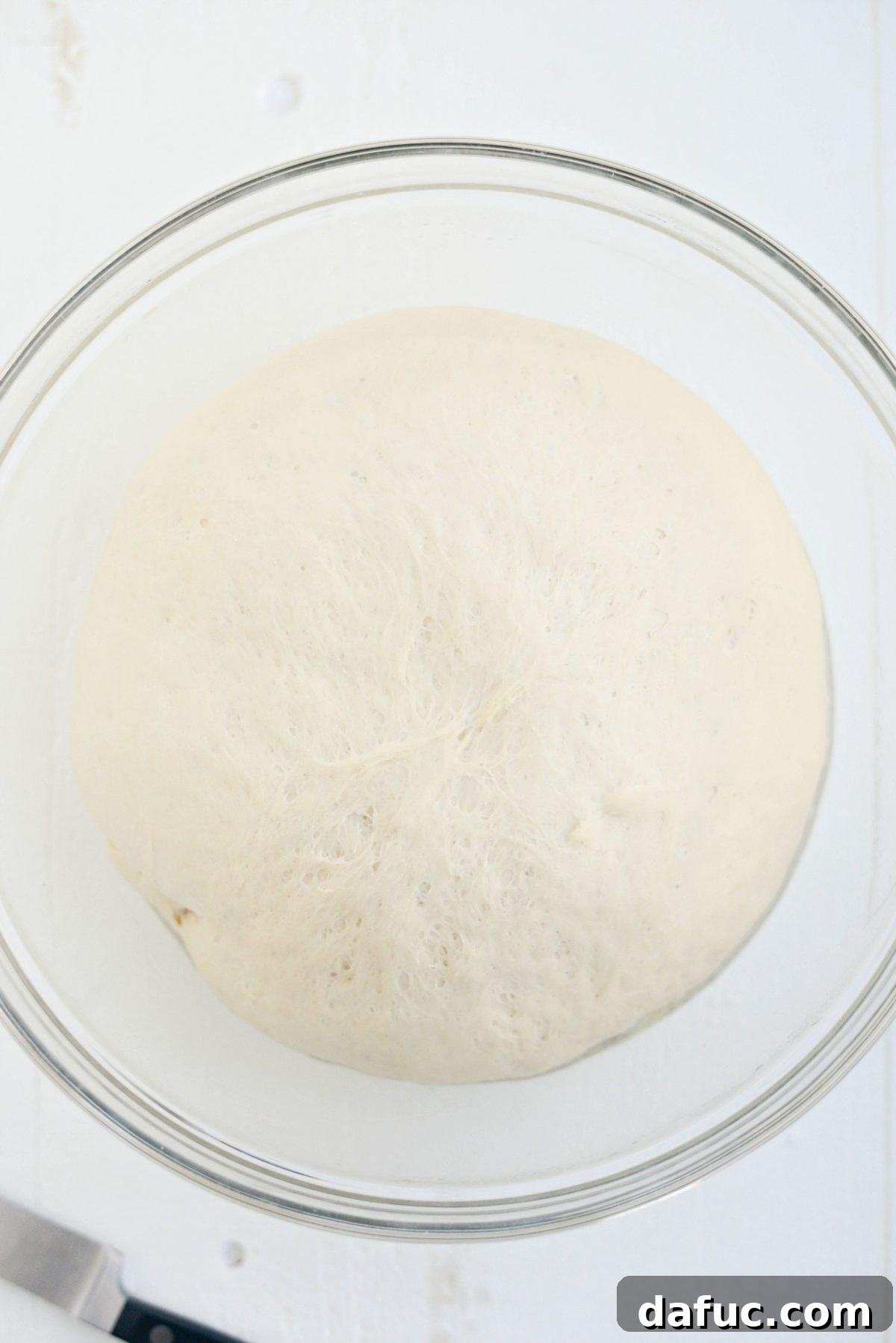
Voila! Your dough is now perfectly risen and ready for the next exciting stage of transformation.
Shaping Your Pretzel Loaves
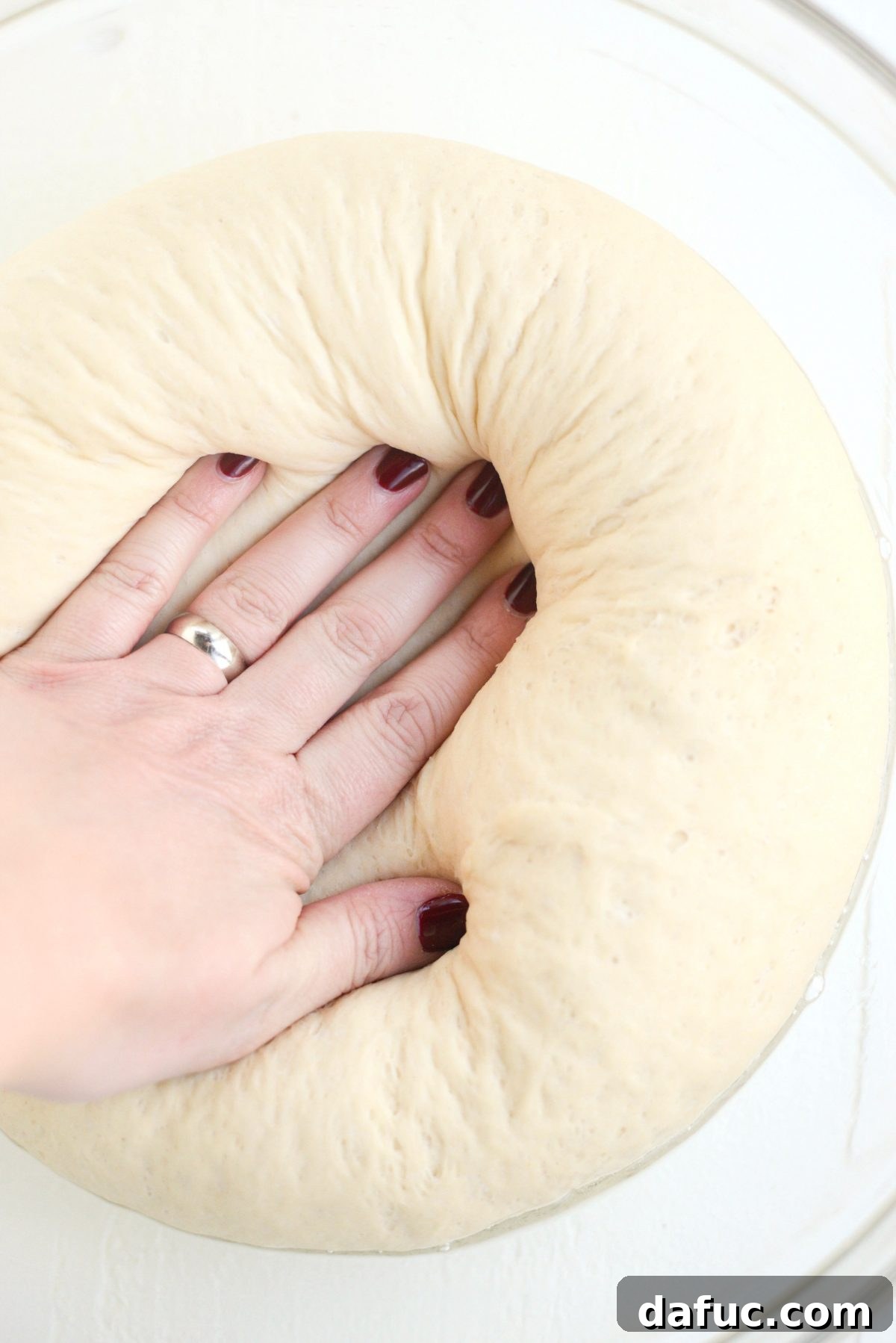
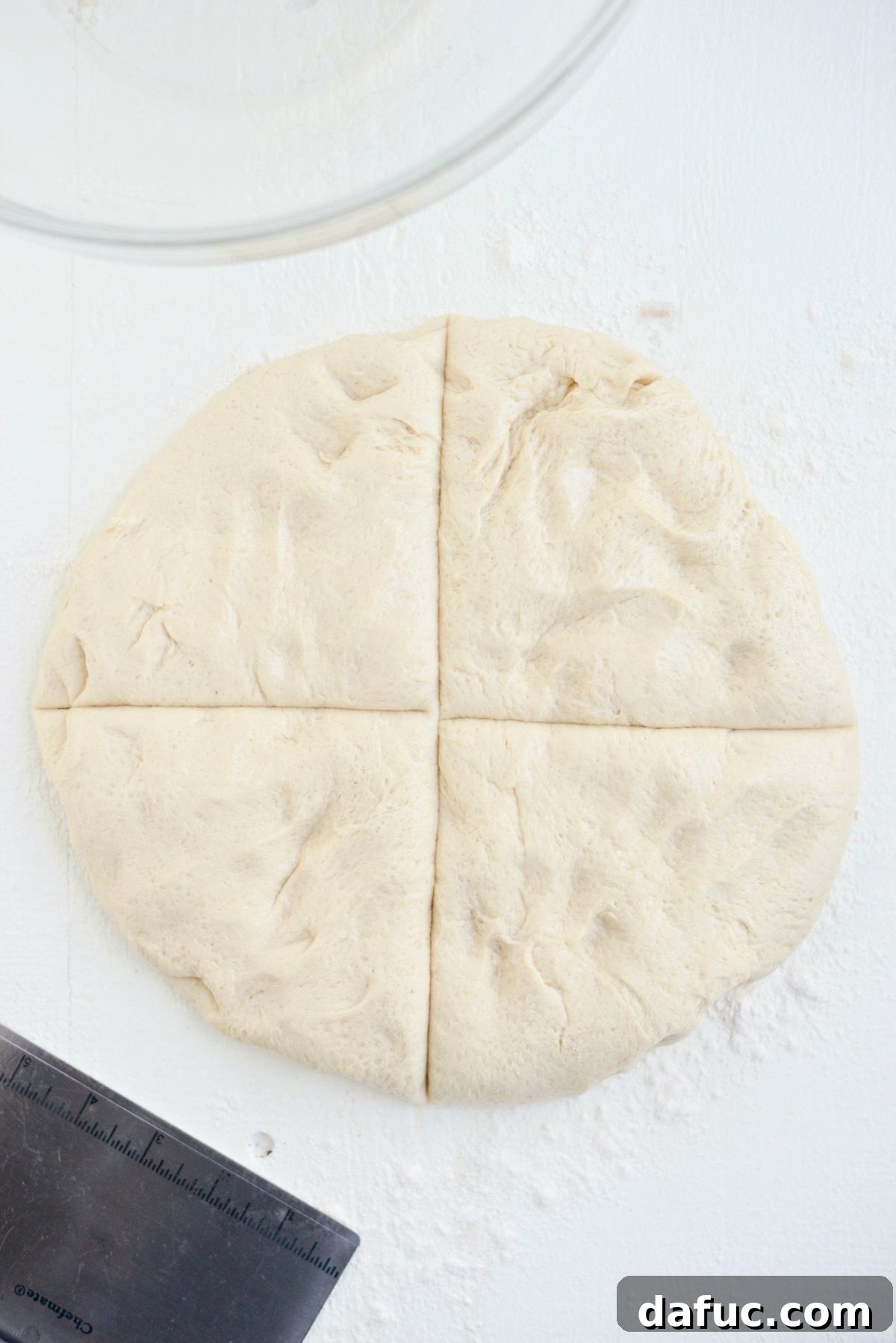
Once your dough has gloriously risen, gently punch it down with your hand to deflate it. Transfer the dough to a lightly floured surface. Using a sharp knife or a bench scraper, divide the dough into 4 equal portions. Aim for consistency here, as this will help ensure even baking for all your loaves.
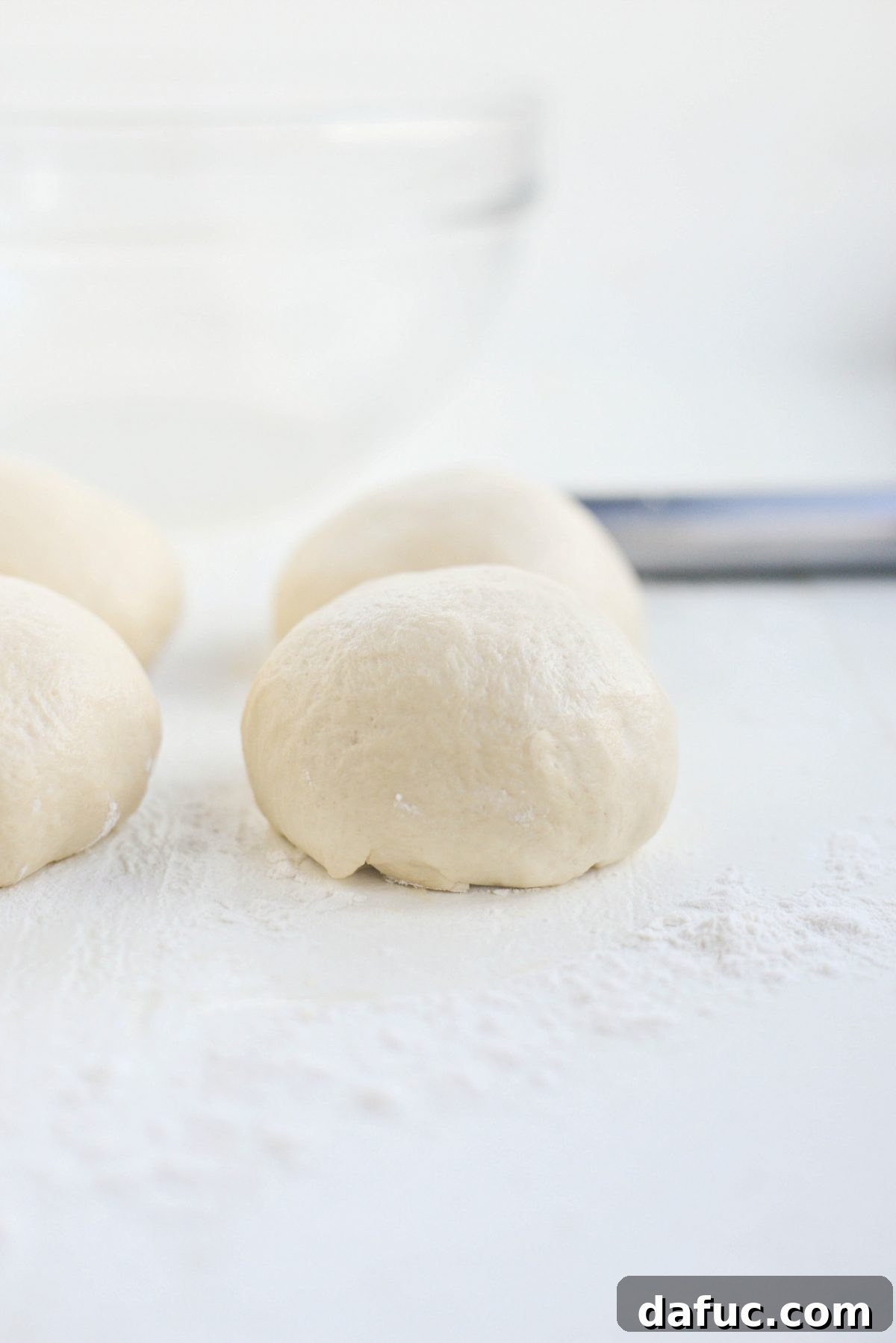
Take each portion of dough and form it into a tight, round ball. The key here is to create surface tension, which will help the loaves hold their shape and achieve a beautiful rise in the oven. You can do this by cupping the dough in your hand and rotating it against the counter, or by gently tucking the edges underneath to form a smooth top.
The Crucial Baking Soda Bath: Unlocking Pretzel Perfection
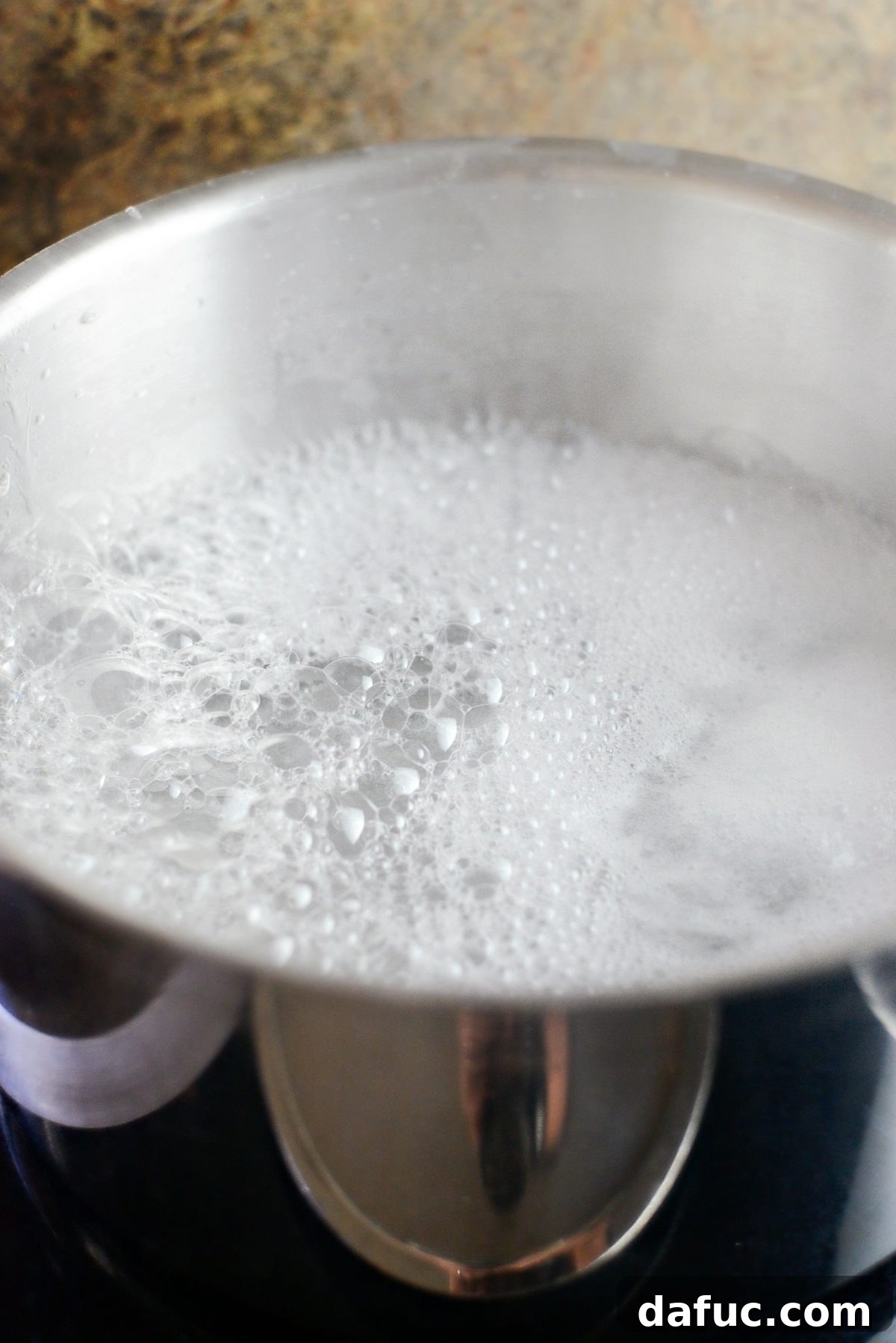
This next step is where the magic truly happens, transforming simple bread into authentic pretzel bread. In a large soup or stock pot, bring 3 quarts (12 cups) of water to a rolling boil. Once boiling, carefully and slowly add in 3/4 cup of baking soda. This is a critical step where caution is paramount:
Safety First: Handling the Alkaline Solution
Adding baking soda to boiling water will immediately cause a vigorous reaction, resulting in significant bubbling and foaming. Add it very gradually and stand back to avoid splashes. Ensure your pot is large enough to accommodate this expansion without overflowing. A larger pot is always safer when dealing with this alkaline solution.
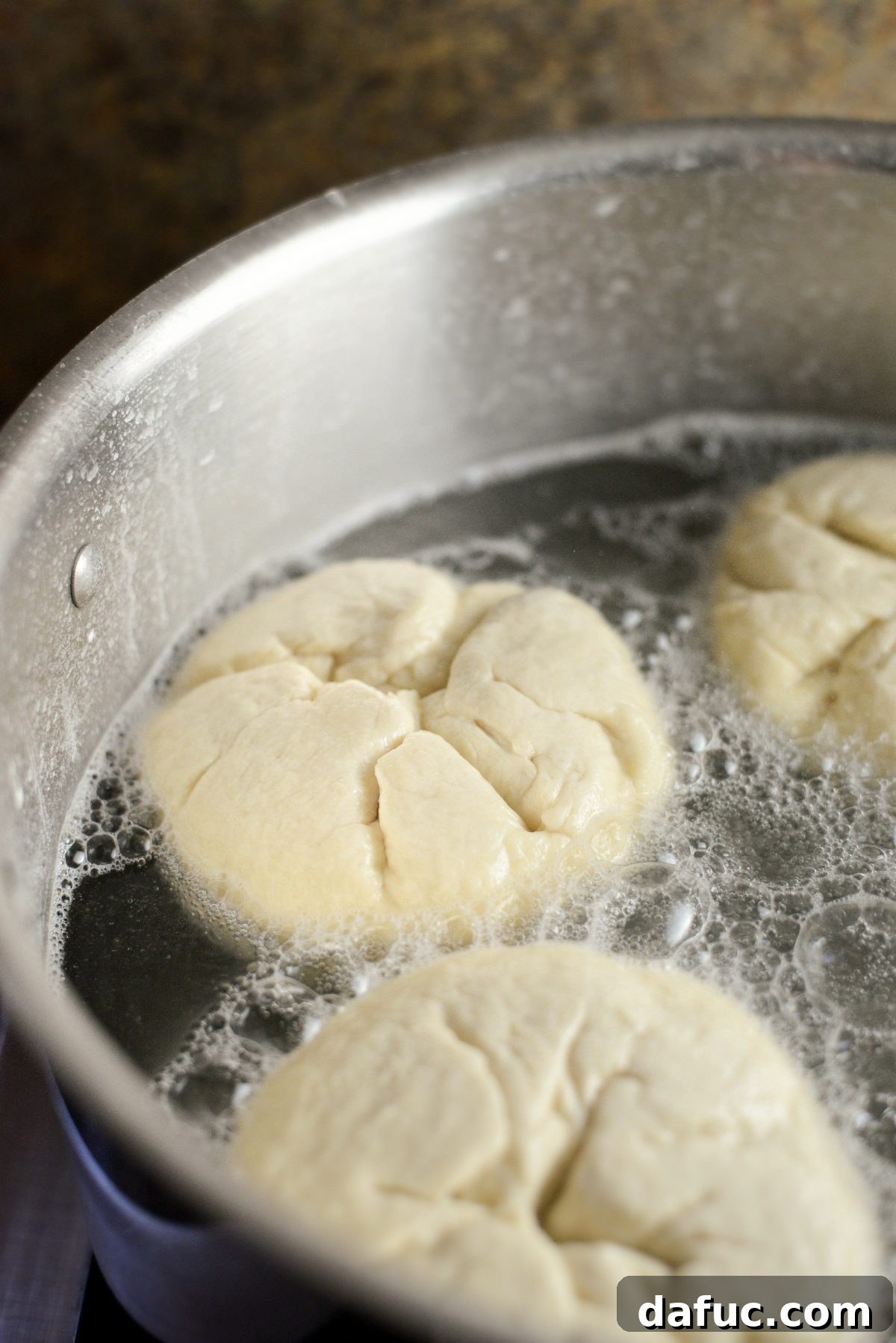
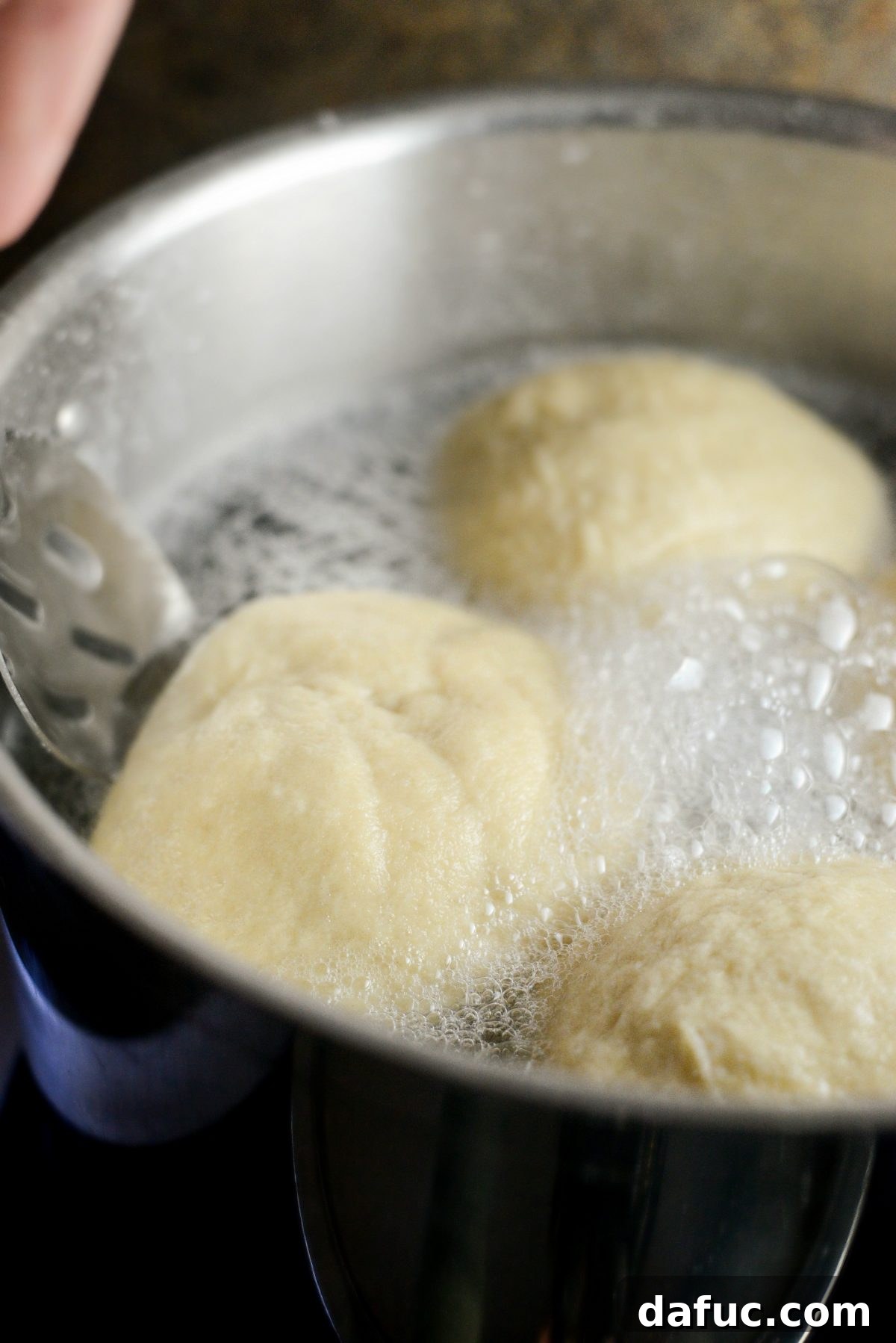
Give the boiling solution a quick stir to ensure the baking soda is fully dissolved. Then, one by one, carefully place each round loaf of dough into the boiling water solution, ensuring the bottom of the dough ball is facing up first. Cook for precisely 1 minute. Using a slotted spatula or a large spoon, gently flip the dough ball over, and continue boiling on the second side for an additional minute. This quick bath is what kickstarts the unique pretzel flavor and color development.
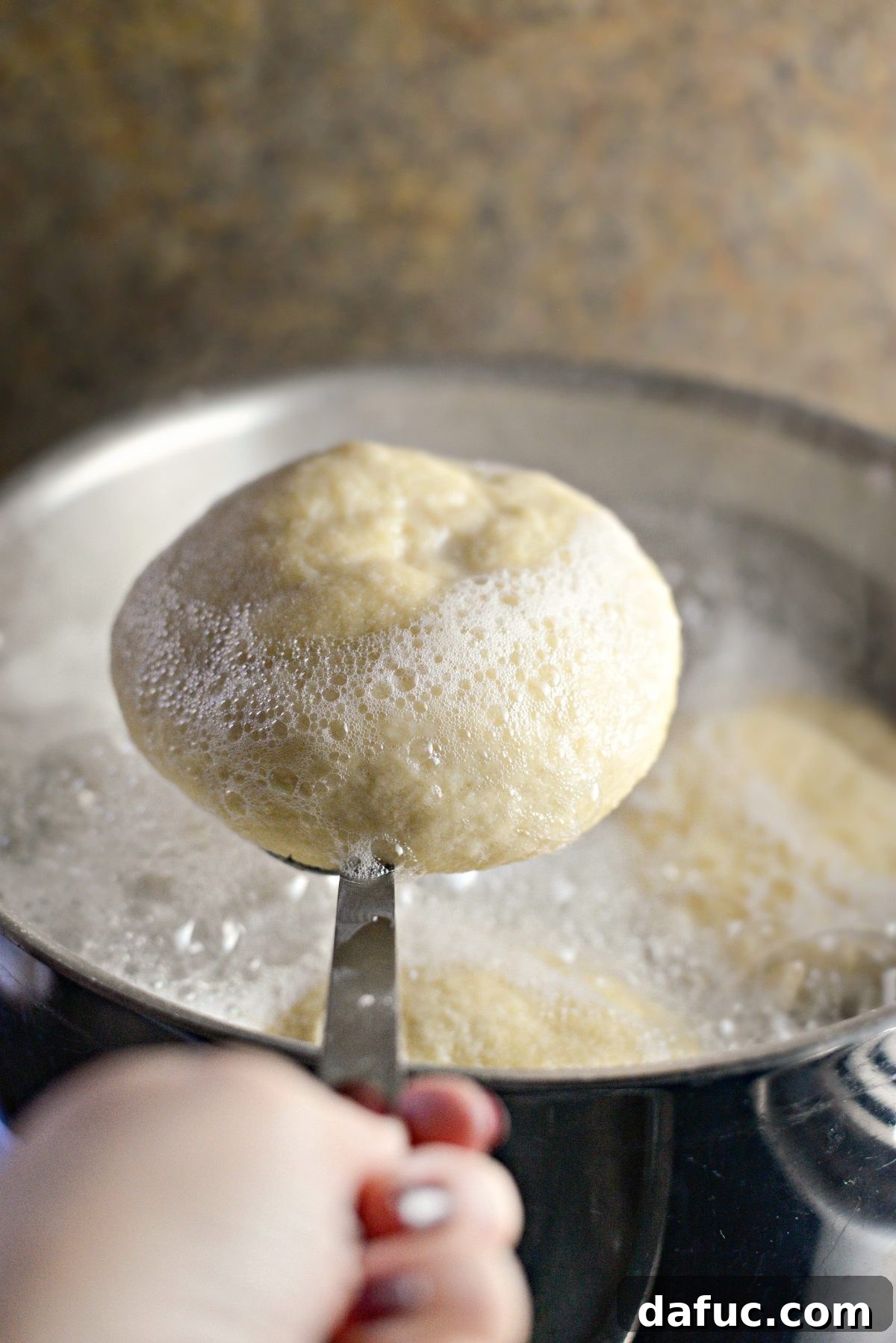
After their dip, remove each mini loaf to a parchment-lined platter or plate. Allow them to dry for approximately 1 to 2 minutes. This brief drying period helps the egg wash adhere better and contributes to a crispier crust.
The Final Touches: Egg Wash and Baking
Now is the time to prepare your oven. Preheat your oven to a precise 400°F (200°C). Accuracy in oven temperature is key for even baking and that perfect pretzel crust.
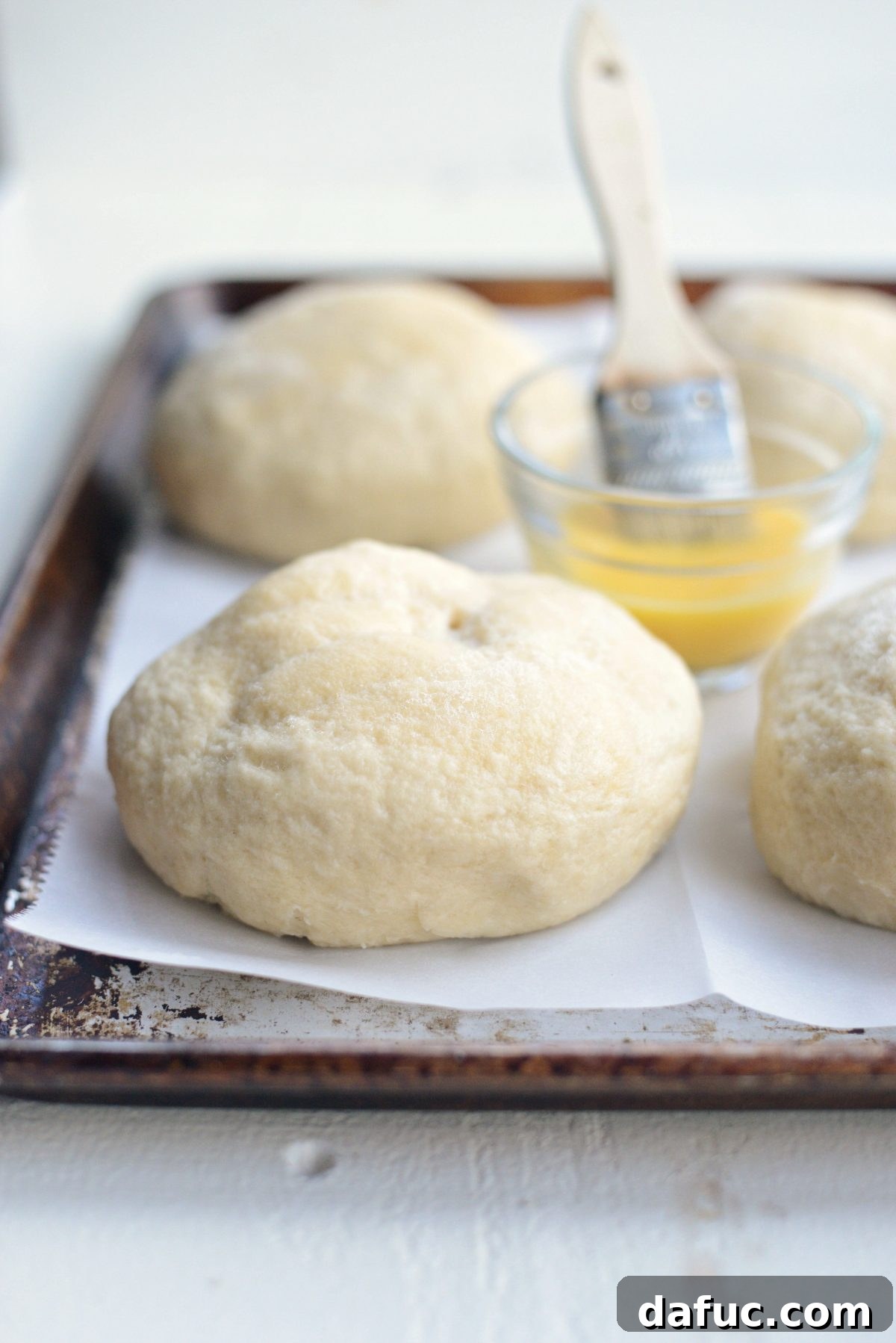
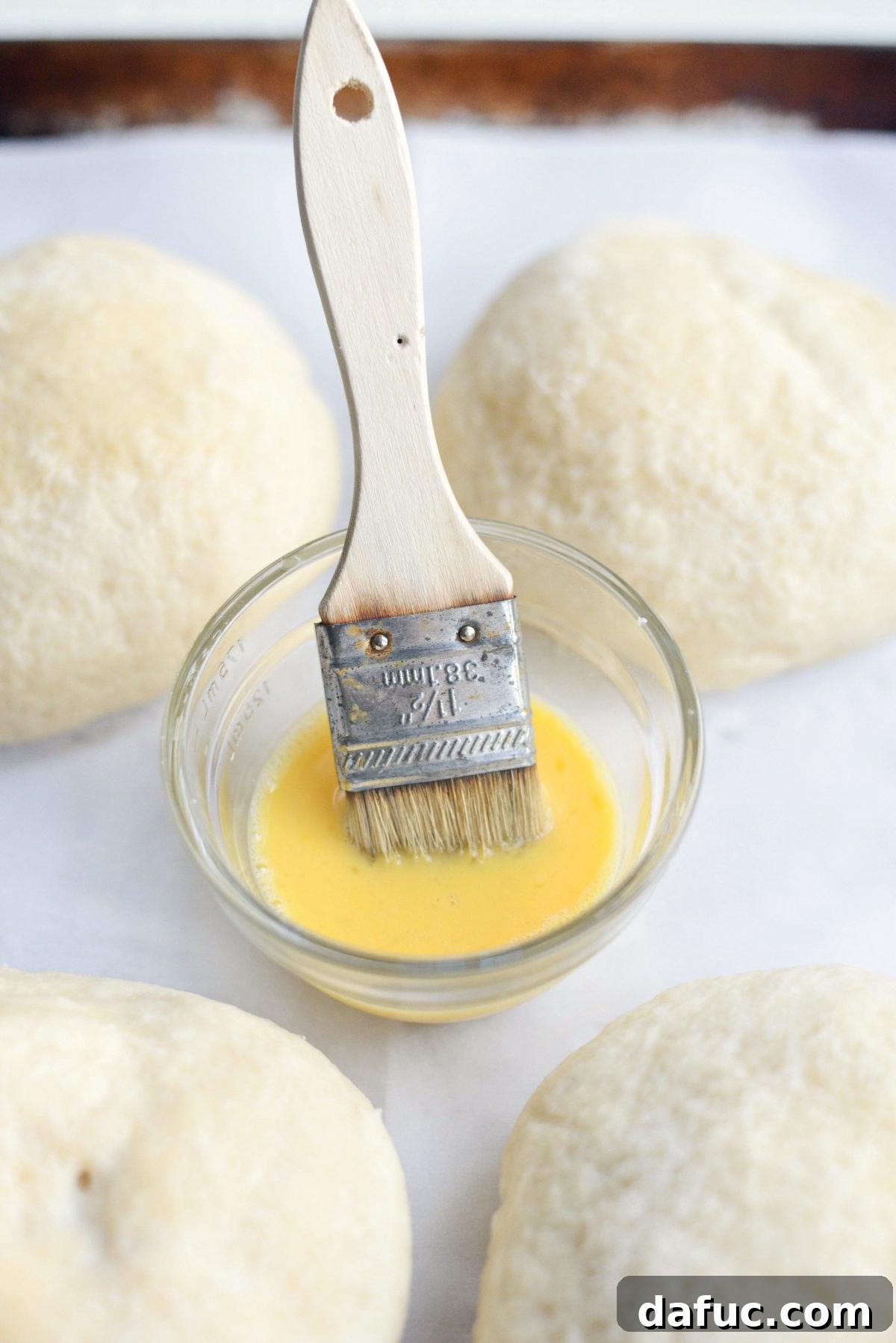
Once dry, carefully transfer the par-boiled loaves to a parchment-lined, rimmed metal baking sheet, ensuring they are spaced evenly. In a small bowl, whisk together one large egg with 1 teaspoon of water to create your egg wash. This mixture will give your pretzel bread a beautiful, glossy finish and aid in achieving that deep golden-brown color.
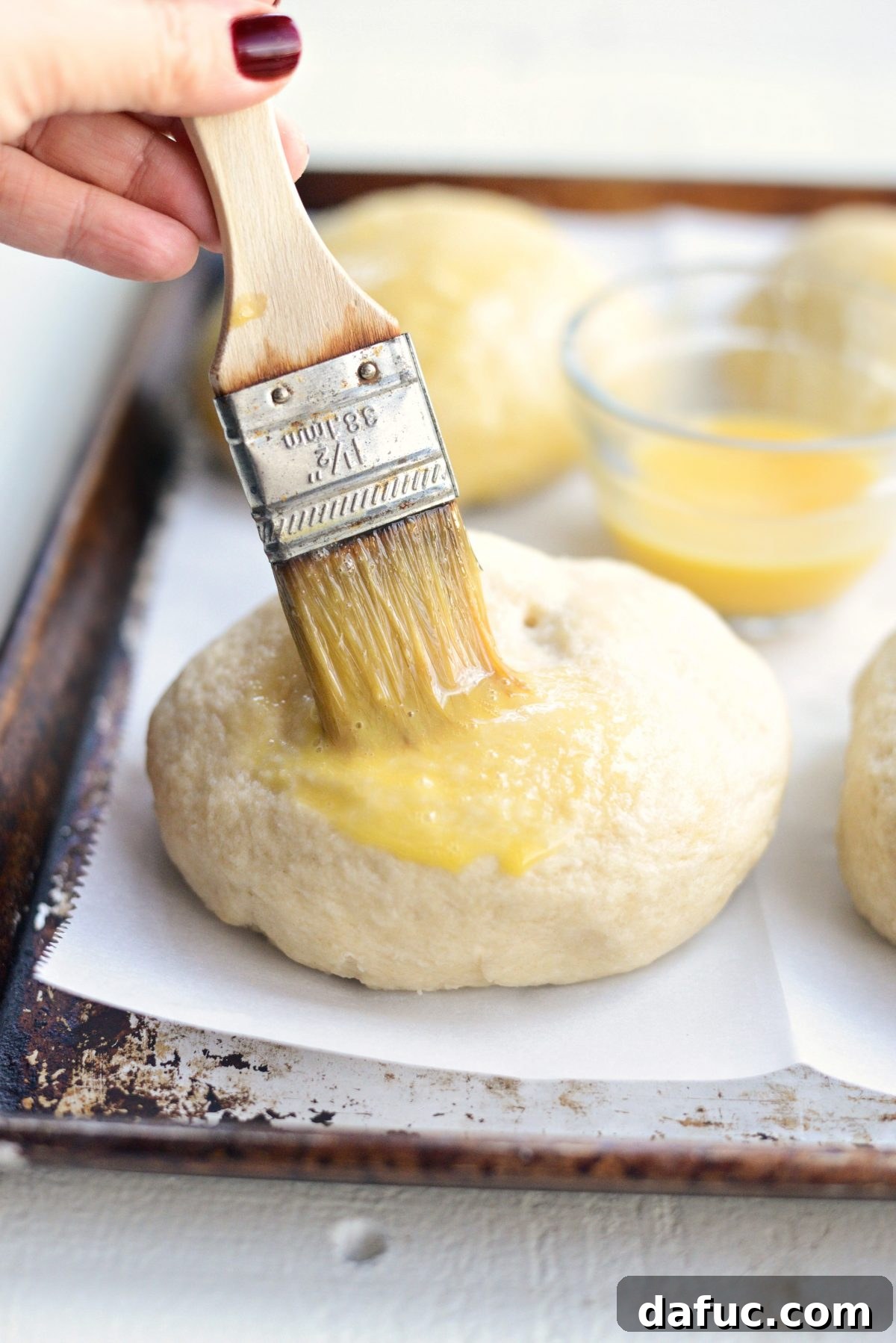
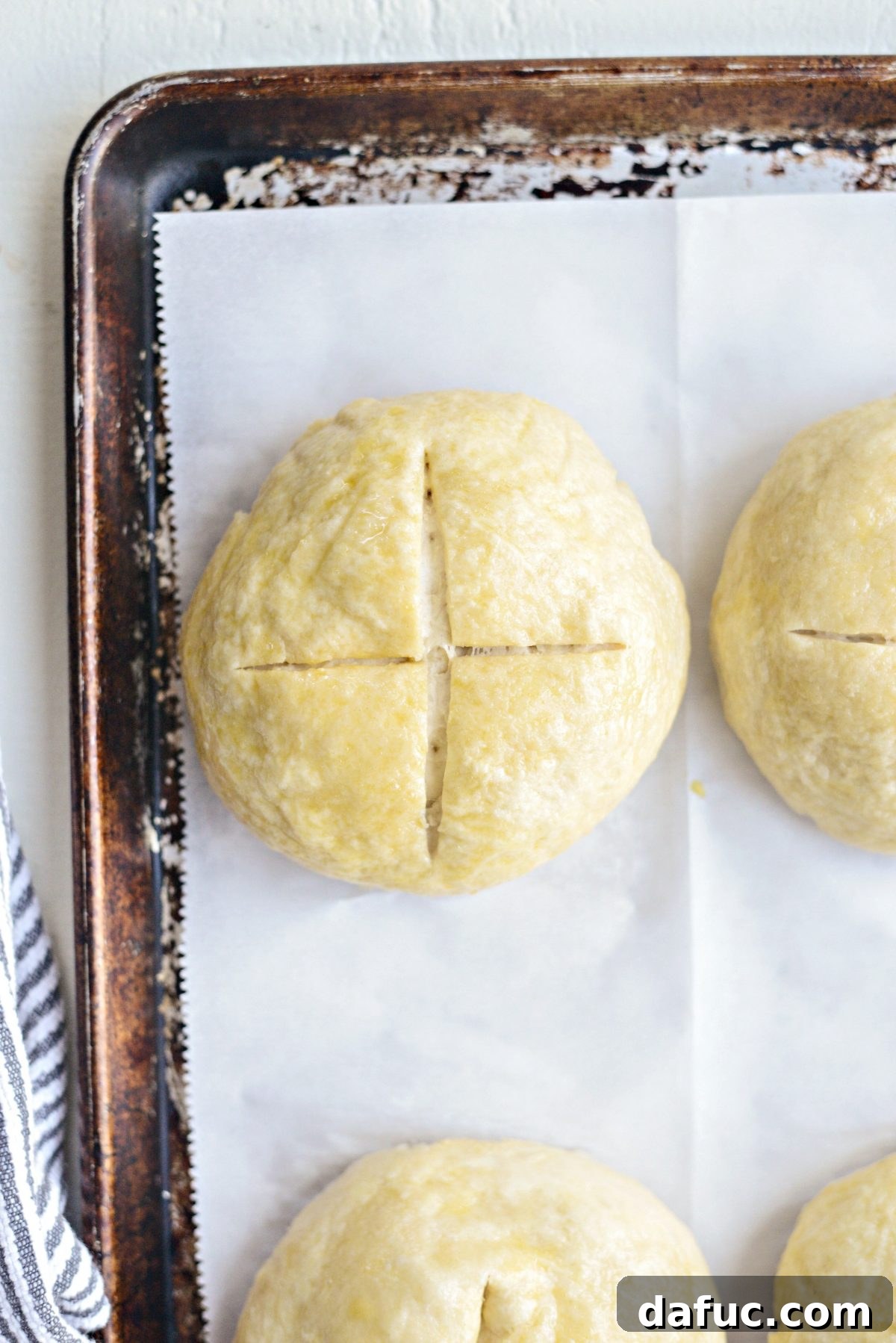
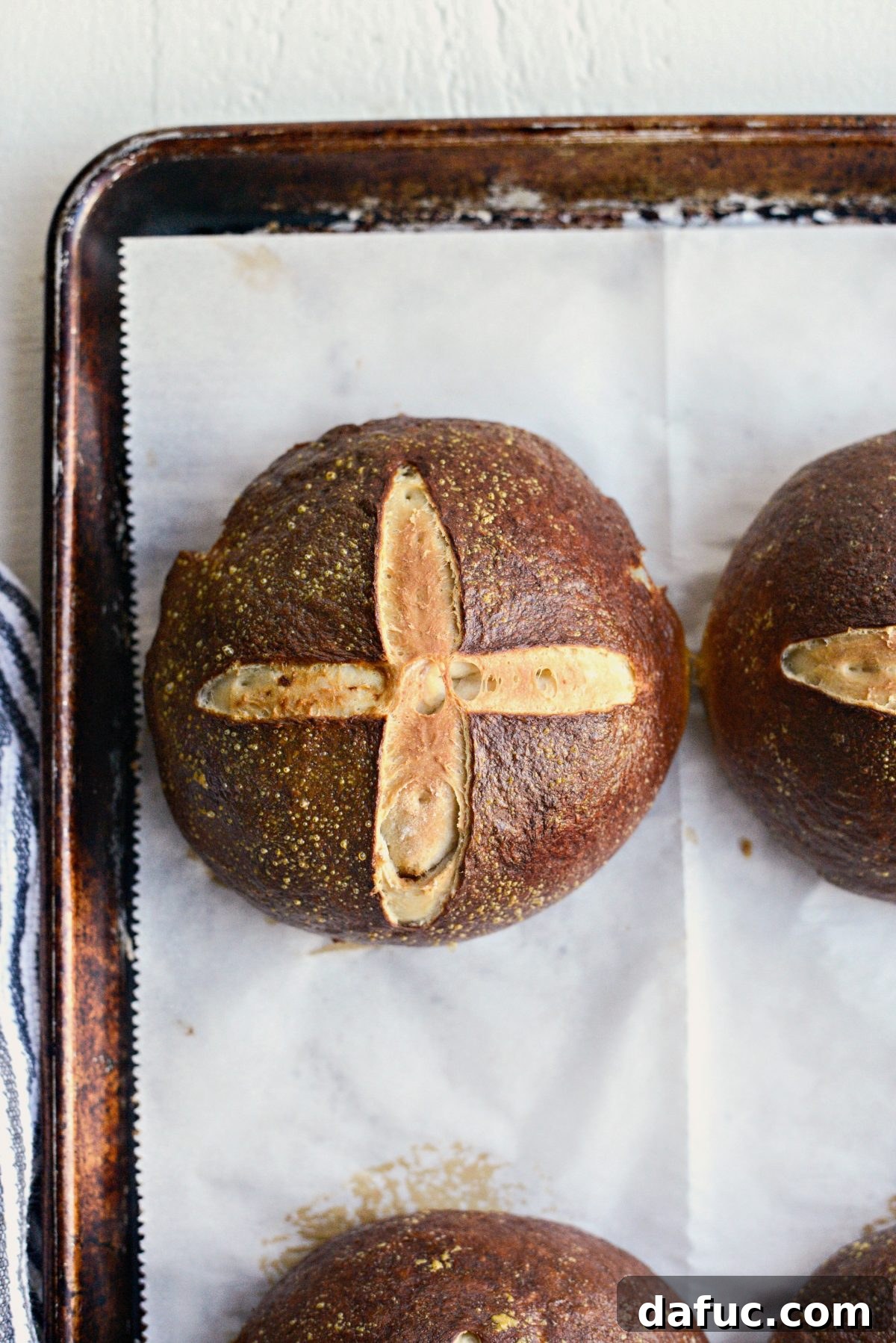
Liberally brush the tops and sides of each loaf with the prepared egg wash. Don’t be shy; a good coating contributes significantly to the final appearance. Then, using a sharp paring knife, make an “X” incision about 1/8 to 1/4 of an inch deep into the top of each loaf. This scoring allows the bread to expand gracefully during baking and adds to its rustic appeal. If desired, this is also the perfect moment to sprinkle with some coarse pretzel salt for an extra touch of authenticity and flavor.
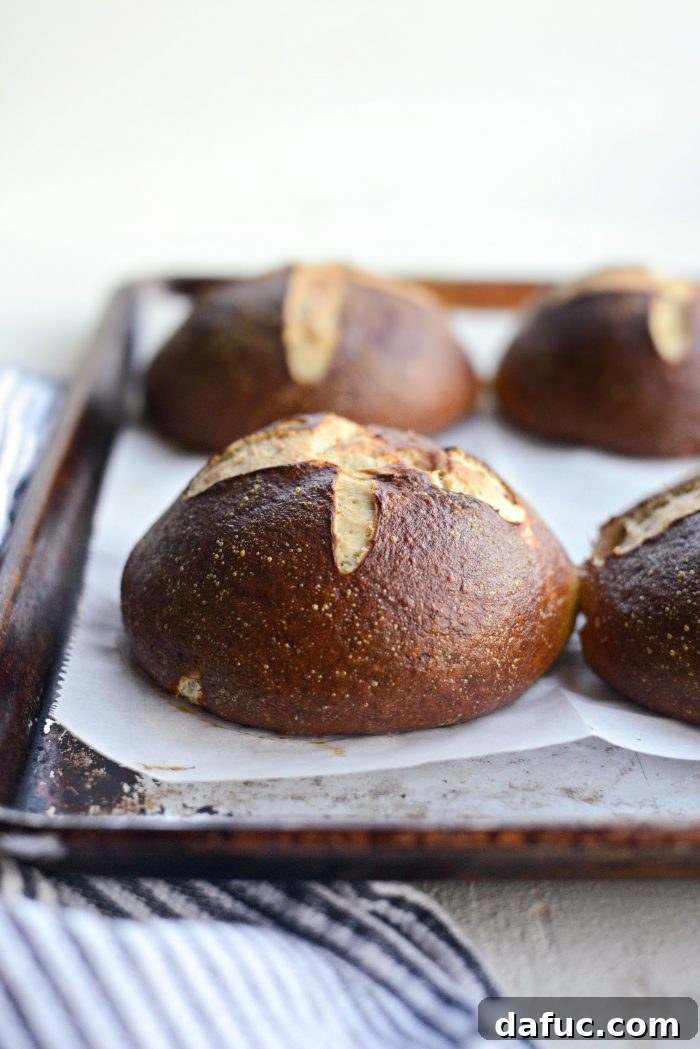
Slide the prepared pretzel bread loaves into your preheated 400°F (200°C) oven. Bake for 15 minutes, rotating the pan halfway through baking to ensure even browning. After this initial bake, reduce your oven temperature to 350°F (175°C) and continue to bake for an additional 8 to 10 minutes. The bread is done when it achieves a deep brown color and sounds hollow when tapped on the bottom. Remove from the oven and let cool slightly on a wire rack before serving.
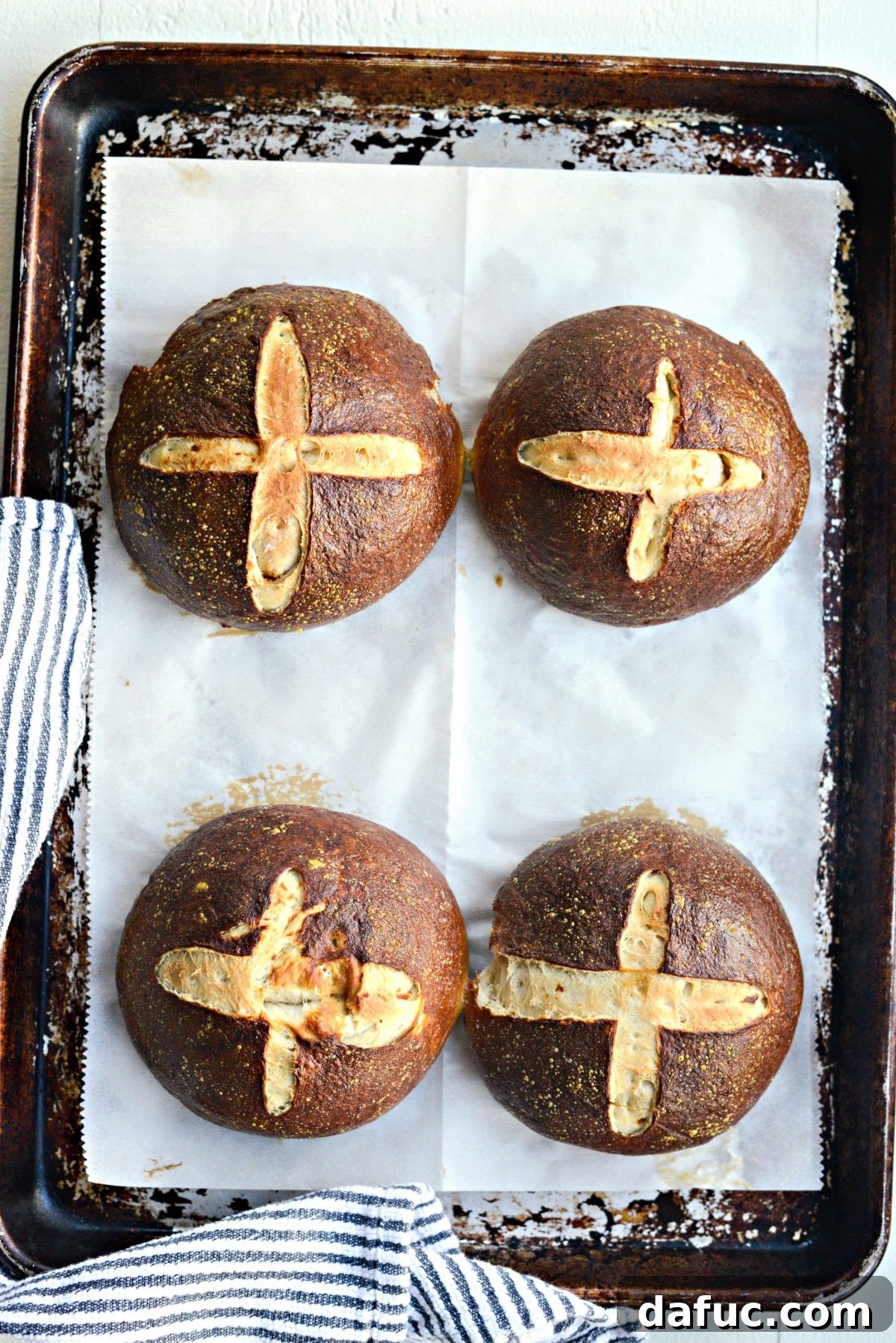
That’s it! In just a short amount of time, you’ve transformed simple ingredients into glorious, aromatic homemade pretzel bread. The rich color, the distinctive aroma, and the promise of that tender interior are truly a testament to the magic of this recipe.
Serving Your Homemade Pretzel Bread
The beauty of these easy homemade pretzel bread loaves lies not only in their incredible flavor but also in their remarkable versatility. These aren’t just any bread rolls; they’re an upgrade to nearly any meal. Use them as the perfect foundation for gourmet sandwiches, elevating your lunch experience with their unique texture and taste. They make fantastic buns for juicy burgers, adding an unexpected layer of flavor. For a cozy and comforting meal, hollow them out to create rustic bread bowls for your favorite soups or stews. Or, keep it simple and enjoy them torn into pieces and dunked into a rich, savory stew. Whatever your pretzel-loving heart desires, these loaves are ready to deliver.
Tips for Pretzel Bread Success
- Accurate Milk Temperature: Using a thermometer to check your milk reaches exactly 110°F (43°C) is crucial. Too hot, and it kills the yeast; too cold, and the yeast won’t activate properly.
- Fresh Yeast: Ensure your rapid rise yeast is fresh and active. If your yeast is old, your dough might not rise as expected.
- Gentle Kneading: While a stand mixer does the heavy lifting, avoid over-kneading after the initial mixing. The specified 8-10 minutes is usually sufficient for developing gluten.
- Cautious Baking Soda Addition: Always add baking soda slowly to boiling water to prevent aggressive foaming and potential burns. Use a large pot to give it room.
- Don’t Overcrowd the Bath: Boil only one or two loaves at a time, depending on your pot size. Overcrowding will drop the water temperature and hinder the alkaline reaction.
- Even Egg Wash and Scoring: A thorough egg wash ensures uniform browning. The “X” score allows the bread to expand beautifully and prevents uncontrolled cracking.
Storage and Reheating
Homemade pretzel bread is best enjoyed fresh from the oven, but leftovers can be stored to maintain their deliciousness. Store cooled pretzel loaves in an airtight container or a large zip-top bag at room temperature for up to 2-3 days. For longer storage, you can freeze individual loaves, wrapped tightly in plastic wrap and then foil, for up to 1-2 months. To reheat, thaw frozen bread at room temperature, then warm in a 350°F (175°C) oven for about 5-10 minutes until warmed through and the crust is crisp again.
Enjoy! And if you give this Homemade Pretzel Bread recipe a try, let me know! Snap a photo and tag me on Twitter or Instagram!
Print Recipe
Pin Recipe
Rating: 5 from 3 ratings
Leave a Review »
Yield: 4 mini loaves
Easy Homemade Pretzel Bread
A simple dough of warm milk, yeast, brown sugar, butter, salt and flour. What makes this pretzel bread, is that before baking, each little loaf is placed into a solution of boiling water and baking soda. This creates an alkaline environment which allows the bread to darken without burning and is what gives pretzel bread that signature taste.
Prep Time: 1 hr 10 mins
Cook Time: 35 mins
Total Time: 1 hr 45 mins
Ingredients
FOR THE PRETZEL DOUGH:
- 2 tablespoons brown sugar
- 1½ cups whole milk
- 1/2 ounce rapid rise yeast
- 2 tablespoons melted, and slightly cooled unsalted butter
- 3½ cups unbleached all-purpose flour
- 2 teaspoons kosher salt
FOR THE BOILING SOLUTION:
- 12 cups water
- 3/4 cup baking soda
FOR THE EGG WASH:
- 1 large egg
- 1 teaspoon water
Equipment
- Nordic Ware Natural Aluminum Commercial Baker’s Half Sheet (2 Pack), Silver
Instructions
- In the bowl of your mixing bowl add 2 tablespoons of dark brown sugar.
- Meanwhile heat the milk in a saucepan until it’s 110℉ (or 43℃). Pour the warm milk into the mixing bowl with the sugar and whisk to dissolve.
- Next add in the yeast, melted butter and gradually add in the flour and salt, mixing until just combined.
- Switch over to your dough hook and mix on low speed for 8 to 10 minutes. Form the dough into a ball and place into a large, well oiled bowl. Cover with a kitchen or tea towel and let rise for 1 hour or until doubled in size.
- Punch the dough down and on a lightly floured surface, cut the dough into 4 equal portions. Form each portion into a tight ball.
- Meanwhile in a large soup/stock pot, bring 12 cups of water to a boil. Gradually add in 3/4 cup of baking soda, be super careful as the water will foam and could bubble up. Stir to combine.
- Place each ball of dough -bottom facing up- into the boiling water solution. Cook for 1 minute before turning the dough and boiling on the bottom side for an additional minute. Remove each mini loaf to a parchment lined platter to dry.
- Preheat your oven to 400℉ (or 200℃).
- In a small bowl, beat the egg and water together with a fork.
- Once dry, transfer each loaf to a parchment lined, rimmed metal baking sheet. Brush the tops and sides of each loaf with the egg wash and cut an X about 1/8 to 1/4 of an inch deep into the top of each loaf.
- Bake in your preheated oven for 15 minutes, rotating the pan halfway during baking.
- Then reduce your oven temperature to 350° and continue to bake for 8 to 10 more minutes or until each loaf is deeply golden and hollow sounding when tapped on.
Notes
Adapted from Fleischmann’s
Nutrition Information (per 1 loaf serving):
- Calories: 554 kcal
- Carbohydrates: 95g
- Protein: 17g
- Fat: 11g
- Saturated Fat: 6g
- Polyunsaturated Fat: 1g
- Monounsaturated Fat: 3g
- Trans Fat: 1g
- Cholesterol: 65mg
- Sodium: 7416mg
- Potassium: 297mg
- Fiber: 4g
- Sugar: 11g
- Vitamin A: 385IU
- Vitamin C: 1mg
- Calcium: 156mg
- Iron: 5mg
Author: Laurie McNamara
Course: Breads & Baked Goods
Cuisine: Germany