
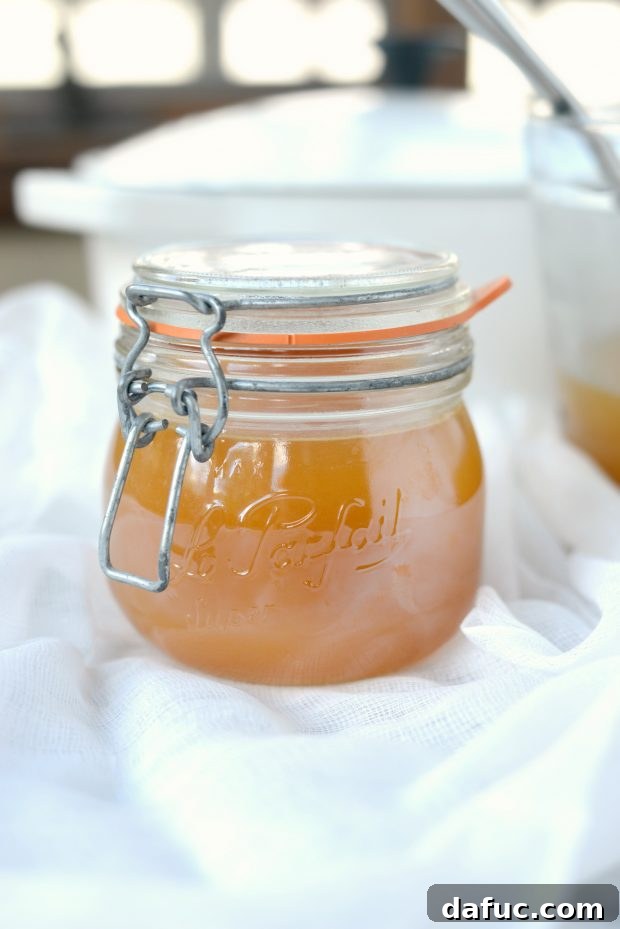
Unlock a world of intense flavor and elevate your culinary creations with homemade shrimp stock. If you’re a seafood enthusiast (and free from allergies!), then preparing your own rich, aromatic shrimp stock is an essential step towards truly exceptional seafood soups, risottos, paellas, and sauces. Far more nuanced and vibrant than any store-bought alternative, this liquid gold transforms humble dishes into gourmet experiences, all while making the most of every part of your shrimp.
Making shrimp stock at home might sound like a daunting task, but it’s surprisingly simple and incredibly rewarding. At its core, shrimp stock can be as straightforward as simmering shrimp shells in water for a light, quick broth. However, for a truly remarkable depth of flavor, we’re going to “gussy it up” – enriching it with a classic aromatic blend of vegetables, herbs, and spices. This elevated approach ensures every drop of your homemade stock is bursting with savory goodness, ready to infuse your favorite seafood dishes with an unforgettable taste.
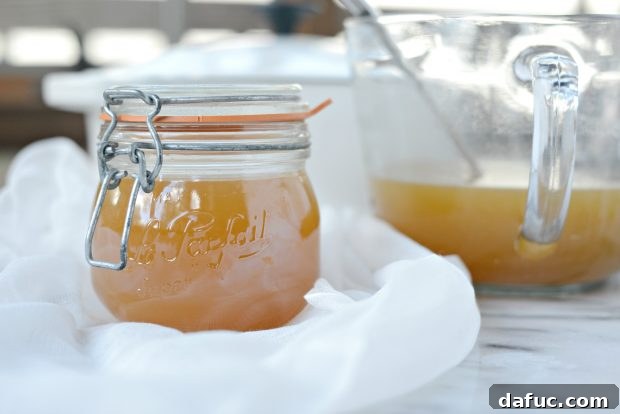
Why Bother with Homemade Shrimp Stock?
You might wonder if the effort is truly worth it when store shelves are stocked with various broths. The answer, unequivocally, is yes! Homemade shrimp stock offers several compelling advantages:
- Unmatched Flavor Depth: Store-bought stocks often lack the intense, fresh seafood flavor that comes from simmering real shrimp shells and fresh aromatics. Homemade stock provides a cleaner, richer, and more authentic taste that truly enhances your dishes.
- Control Over Ingredients: When you make it yourself, you control what goes into your stock. No artificial flavors, excessive sodium, or preservatives. You can tailor the seasoning to your preference and dietary needs.
- Cost-Effective: Instead of discarding shrimp shells, you’re transforming them into a valuable culinary asset. It’s an excellent way to reduce food waste and save money compared to purchasing specialized seafood broths.
- Versatility: Homemade shrimp stock can replace fish stock, clam juice, or even vegetable broth in many recipes, adding a unique seafood dimension.
- Kitchen Aroma: There’s nothing quite like the inviting aroma that fills your kitchen as a pot of savory shrimp stock simmers on the stove. It’s part of the joy of cooking!
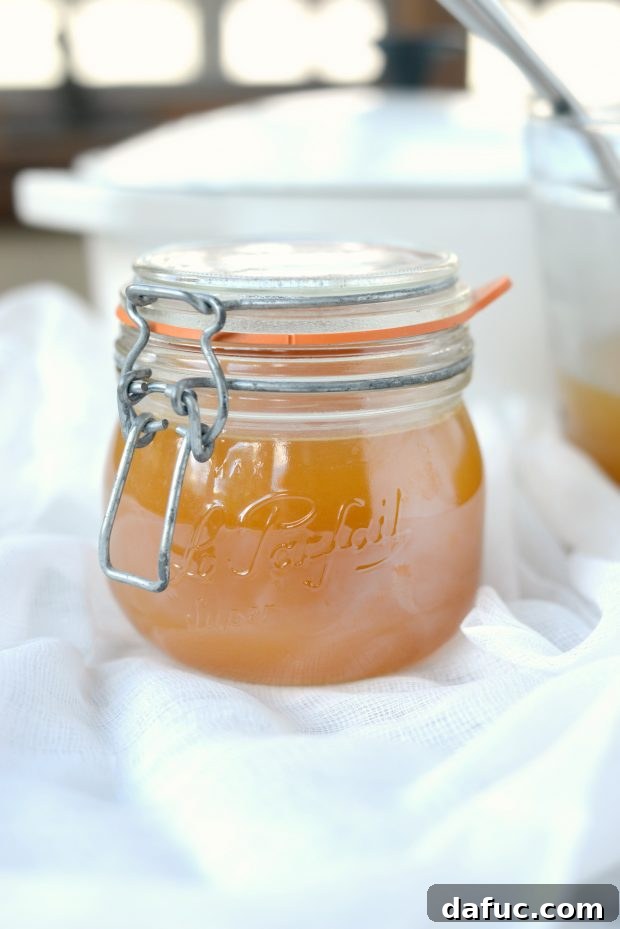
Essential Ingredients for Your Homemade Shrimp Stock
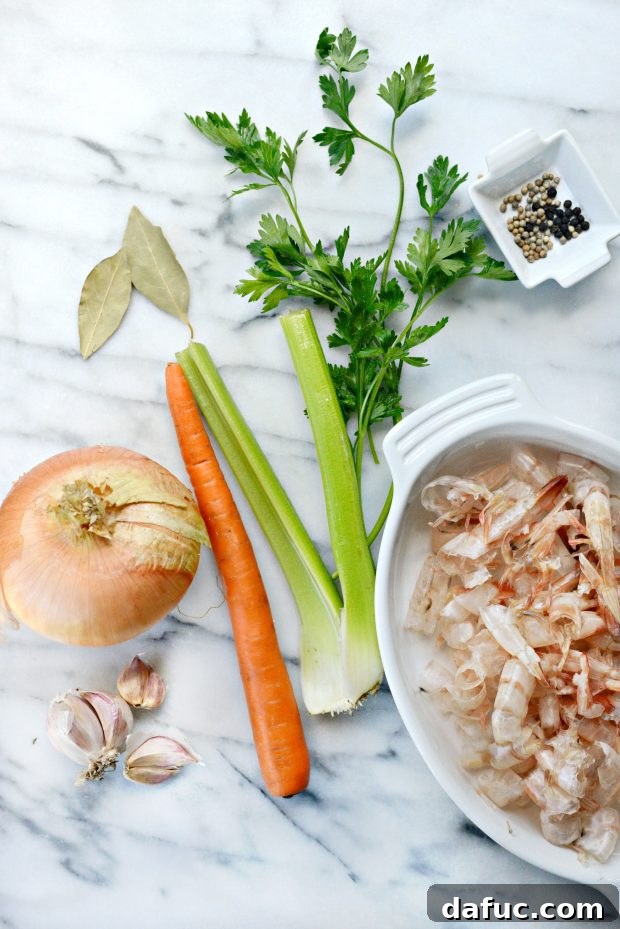
To craft a truly exceptional shrimp stock, you’ll need more than just shrimp shells. Here’s a look at the key components and why they are chosen:
- Shrimp Shells: The star of the show! Aim for shells from 1 to 2 pounds of shrimp. These are packed with flavor compounds that release into the liquid, forming the base of your stock.
- Light Olive Oil (or Safflower Oil): Used for sautéing the shells and vegetables. Sautéing is crucial for developing deep, roasted flavors through the Maillard reaction, which adds complexity to the final stock.
- Aromatics (Mirepoix):
- Onion: A fundamental building block of flavor. Keep the peel on for a deeper, golden color in your stock.
- Carrots: Add a subtle sweetness and earthy notes.
- Celery: Contributes a fresh, slightly bitter, and herbaceous dimension.
- Garlic: Provides a pungent, savory depth that complements seafood beautifully.
- Herbs and Spices:
- Fresh Parsley Sprigs: Adds a fresh, green, and slightly peppery note.
- Bay Leaves: Contributes a subtle, earthy, and slightly floral aroma.
- Whole Coriander Seeds: Imparts a warm, citrusy, and slightly spicy flavor.
- Black Peppercorns: Adds a gentle, spicy warmth without being overpowering.
- Water: The liquid base for extracting all those wonderful flavors. Cold water is preferred as it allows for a slower extraction, resulting in a clearer, more flavorful stock.
The Inspiration Behind This Recipe
My journey into crafting the perfect homemade shrimp stock was inspired by a truly unforgettable culinary experience. After savoring an exquisite soup at a local restaurant, I found myself dissecting each bite, trying to pinpoint the secret to its incredible depth. I was almost certain that the foundation of that amazing soup was a vibrant, homemade shrimp stock. That moment sparked an immediate desire to recreate that magic in my own kitchen, leading to extensive testing and refinement to bring you this very recipe.
While I’ve shared other broth recipes, including vegetable and chicken broth (which you can find in my cookbook), this shrimp stock holds a special place. It’s a testament to how humble ingredients, when treated with care, can yield extraordinary results.
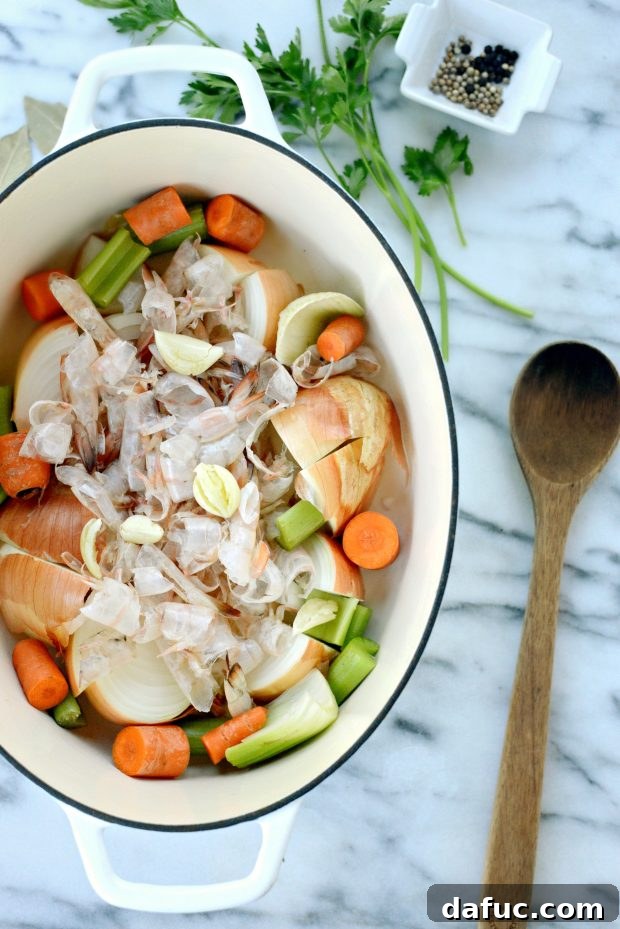
Preparing Your Shrimp Shells: Peeling and Deveining
The first crucial step in making this delicious stock is to properly prepare your shrimp. I typically buy wild-caught, headless, shell-on, and tail-on shrimp – usually 2 to 3 pounds to ensure plenty of shells for a robust stock. Don’t let the thought of peeling and deveining intimidate you! It’s a straightforward process that becomes quicker with practice. For those new to it, here’s a quick guide:
- Peeling: Start by grasping the shrimp body in one hand and gently peeling away the shell, starting from the underside near the legs. The shells should come off relatively easily. You can leave the tails on the shrimp if desired for presentation in other dishes, but remove them for the stock.
- Deveining: Many shrimp have a dark, thin vein running along their back. While not harmful to eat, it can sometimes be gritty. To remove it, make a shallow cut along the back of the shrimp with a small, sharp knife. Then, use the tip of your knife or a toothpick to gently lift and pull out the dark vein.
- Rinsing: Once all your shrimp are peeled and deveined, give the shells a thorough rinse under cool running water. This helps remove any lingering impurities and ensures a cleaner-tasting stock. Remember to rinse the shrimp separately as well before using them in your main dish.
This entire process, for about 25-30 shrimp, typically takes around 25 minutes. To make the task more enjoyable, I often put on my favorite music or a podcast. For a more visual guide on how to peel and devein shrimp, you can refer to this post which illustrates the technique.
The Cooking Process: Building Layers of Flavor
With your shrimp shells prepped, it’s time to transform them into a flavorful stock. The process involves a few simple, yet critical, steps:
- Sautéing the Aromatics and Shells:
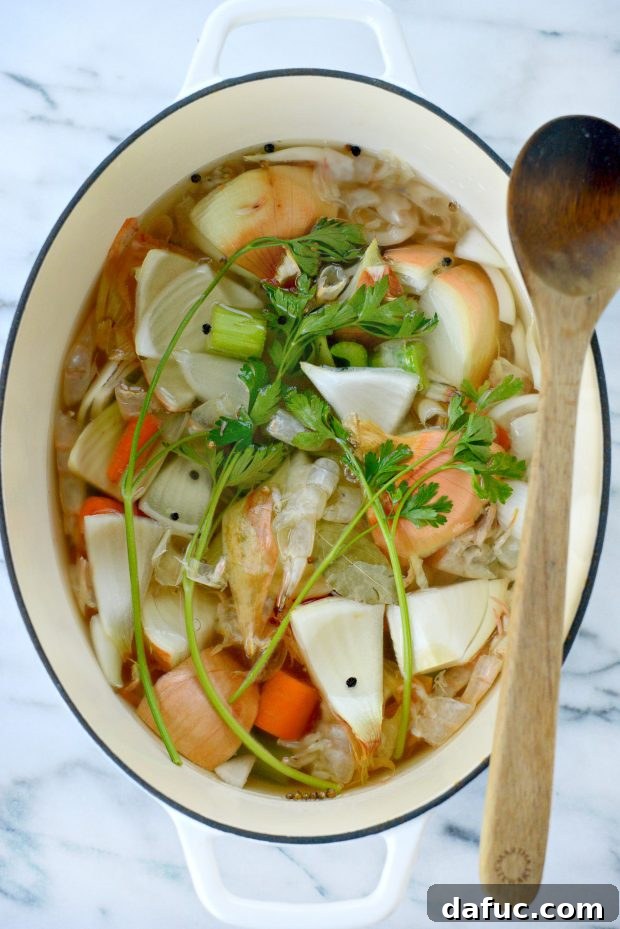
Start by drizzling a teaspoon of light olive oil (or safflower oil) into a heavy-bottomed pot. Heavy-bottomed pots are ideal as they distribute heat evenly, preventing scorching. Add the rinsed shrimp shells, along with the roughly chopped onion, carrots, celery, and smashed garlic cloves. Cook this mixture over medium heat for about 10-15 minutes. During this time, the shrimp shells will turn a vibrant pink, indicating that their flavors are beginning to release. The vegetables will also start to soften and caramelize slightly, developing a deeper, more complex flavor profile that will contribute significantly to your stock’s richness.

- Adding Liquids and Spices:
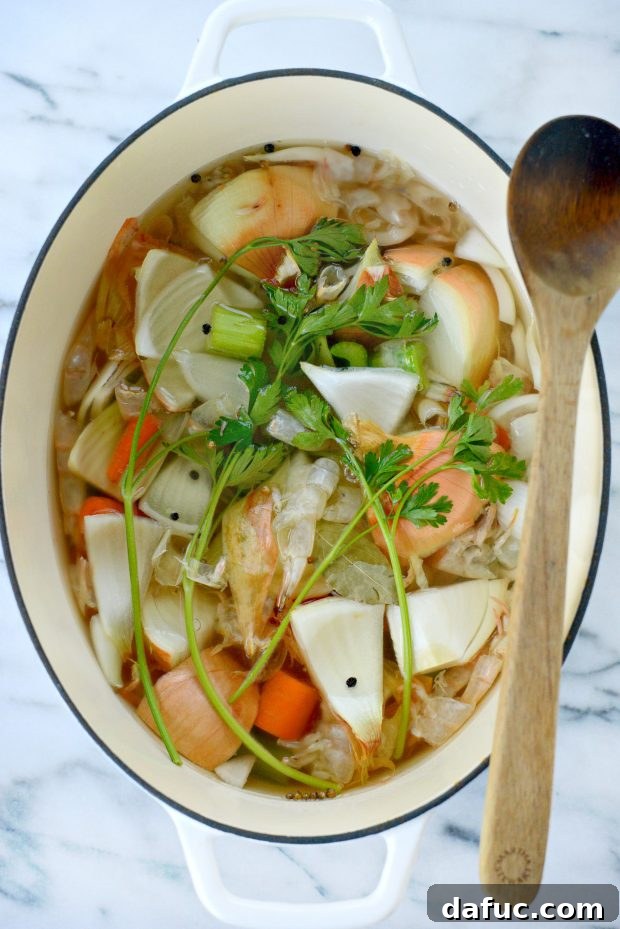
Once the shells are pink and the vegetables have softened, it’s time to introduce the remaining ingredients. Add the fresh parsley sprigs, bay leaves, whole peppercorns, and coriander seeds to the pot. These spices will infuse the stock with their aromatic qualities, enhancing its overall complexity. Pour in 6 cups of cold water. Using cold water allows the flavors to extract gradually and more efficiently from the ingredients as the water slowly heats up, resulting in a more flavorful and clearer stock.
- Simmering to Perfection:
Cover the pot, leaving the lid slightly askew to allow steam to escape. Bring the mixture to a rolling boil over high heat. Once boiling, immediately reduce the heat to low and let it simmer gently for 15 minutes. Avoid a vigorous boil during the simmering phase, as this can make your stock cloudy and can break down the delicate flavors. A gentle simmer is key to a clear, flavorful stock.
FUN FACT!
Don’t peel your onion before adding it to the stock! The papery outer skins of the onion contain natural pigments that, when simmered, will help deepen the color of your broth to a beautiful, rich golden hue. I always leave the peels on when making any homemade broth or stock for this very reason.
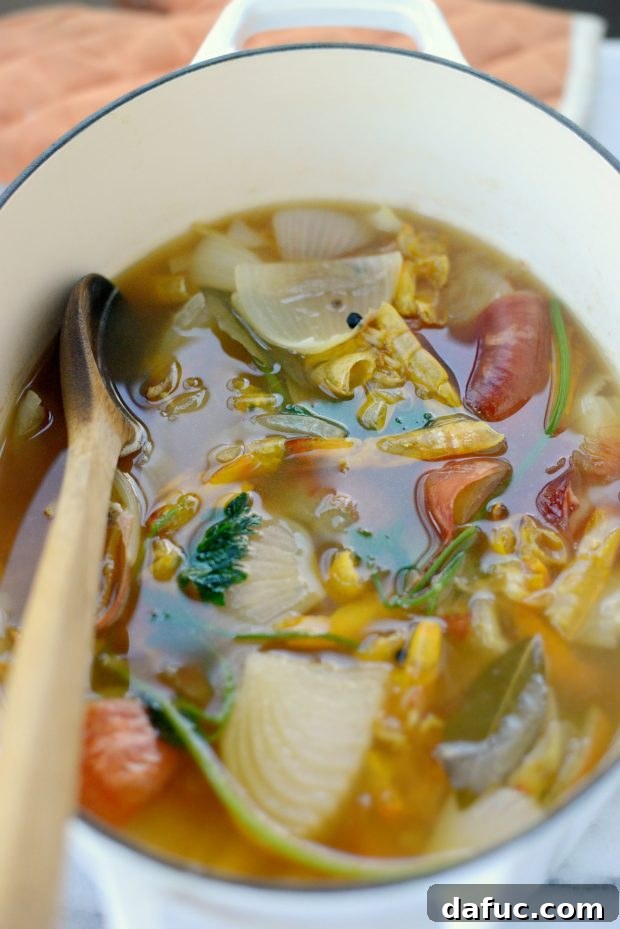
Straining and Storage: Preserving Your Culinary Treasure
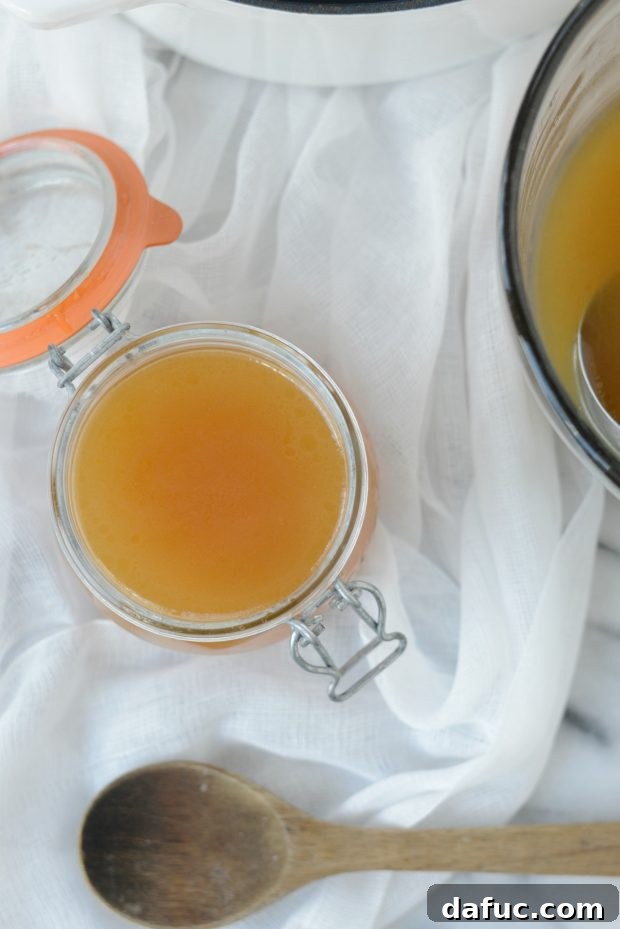
After a mere 15 minutes of simmering, your kitchen will be filled with an incredible aroma, and your homemade shrimp stock will be ready. The simplicity and the beautiful golden color are truly satisfying!
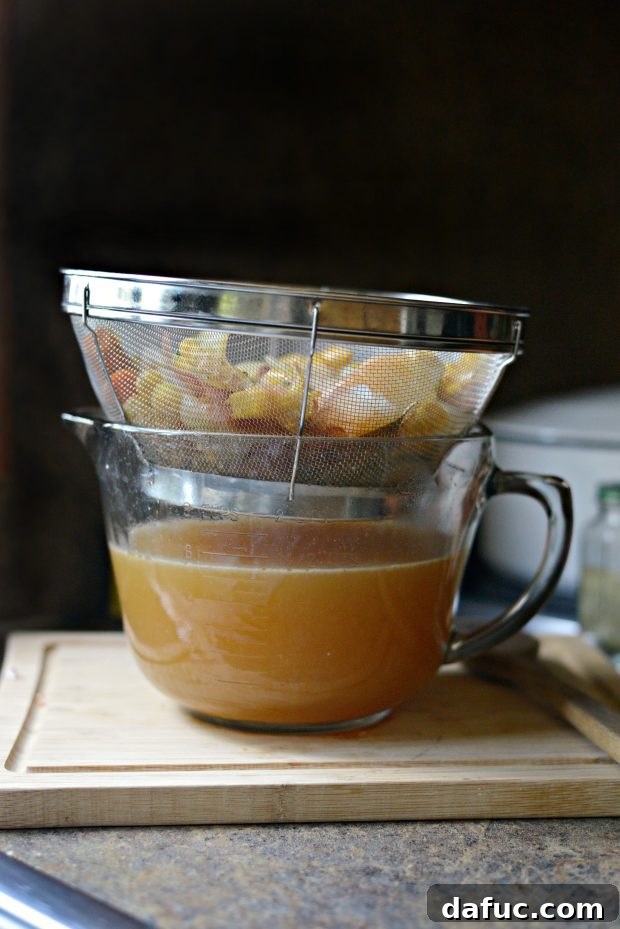
Now, it’s time to strain and prepare your stock for storage:
- Straining: Place a fine-mesh strainer over a large heatproof bowl or an 8-cup liquid measuring cup. Carefully use a ladle to remove most of the cooked vegetables and shrimp shells from the pot and transfer them to the strainer. This prevents them from falling into the bowl and making a splash. Then, slowly and carefully pour the remaining hot stock through the strainer. Discard the cooked shells and vegetables; they have given all their flavor to the stock.
- Cooling: Allow the strained shrimp stock to cool completely at room temperature before storing it. Cooling it quickly helps prevent bacterial growth. You can place the bowl of stock in an ice bath for faster cooling.
- Storage Options:
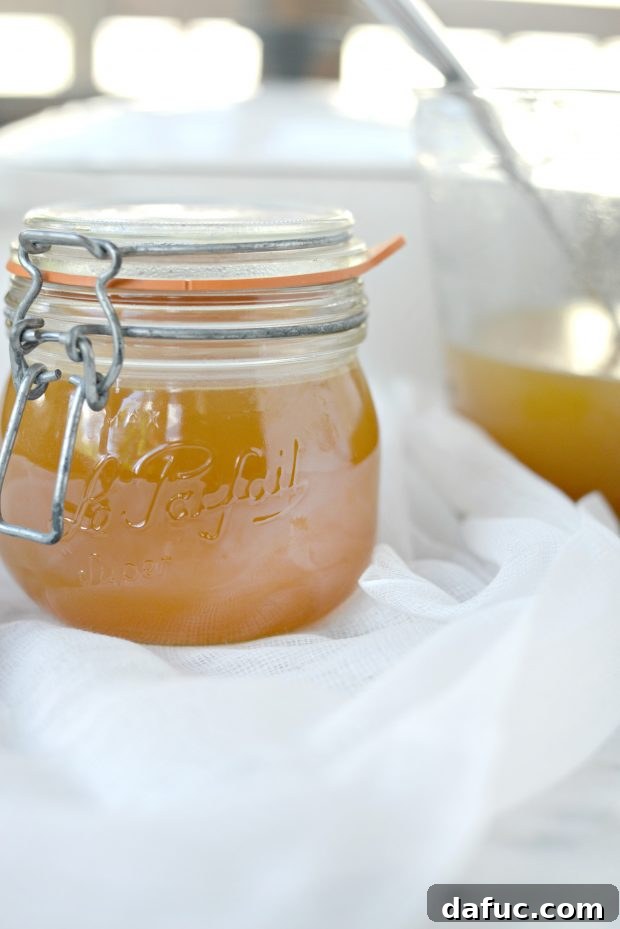
- Refrigeration: Once cooled, transfer the stock to airtight containers. It can be safely stored in the refrigerator for up to a few weeks.
- Freezing: For longer storage, freezing is your best friend. Ladle the stock into pre-measured, freezer-safe containers or ice cube trays. Freezing in smaller portions (like 1/2 cup or 1 cup portions) or ice cubes makes it incredibly convenient to thaw and use just the right amount for your recipes later on. Frozen shrimp stock can last for up to 3 months without significant loss of quality.
Unlock Endless Culinary Possibilities with Shrimp Stock
The versatility of homemade shrimp stock is truly remarkable. It can serve as a flavorful foundation for a wide array of dishes, instantly elevating their taste profile. Instead of reaching for generic store-bought fish broth or clam juice, let your homemade shrimp stock be your go-to. Its delicate yet robust flavor is simply amazing!
Here are just a few ideas on how to incorporate this delicious stock into your cooking:
- Soups and Stews: The most obvious application! Use it as the base for creamy seafood bisques, spicy cioppino, hearty seafood gumbo, or a light shrimp noodle soup.
- Risotto and Paella: Achieve perfectly cooked, incredibly flavorful seafood risotto or authentic Spanish paella by using shrimp stock as your primary liquid. It infuses every grain of rice with delicious umami.
- Sauces: Create exquisite pan sauces for seared scallops, grilled fish, or sautéed shrimp. Reduce the stock with a touch of white wine and butter for a quick, elegant sauce.
- Pasta Dishes: Add a splash to your seafood pasta dishes, like shrimp scampi or linguine with clams, to intensify the briny flavors.
- Steaming Liquid: Use it as a steaming liquid for mussels, clams, or even delicate fish fillets, imparting extra flavor as they cook.
- Grain Cooking: Cook quinoa, couscous, or rice in shrimp stock instead of water for an added layer of flavor that complements any seafood meal.
The next time you peel a batch of shrimp, resist the urge to discard those precious shells! It takes only minutes of active cooking to transform them into a quick, flavorful stock. If you’re not ready to make the stock immediately, simply rinse the shells, place them in a freezer bag, and freeze them until you are ready. This ensures you always have the base for incredible seafood meals at your fingertips.
Go on! Get your shrimp stock on – your taste buds will thank you!
Enjoy your culinary journey! If you try this Homemade Shrimp Stock recipe, I would love to hear about it. Snap a photo and share your creation with me by tagging me on Twitter or Instagram!

Print Recipe
Pin Recipe
Leave a Review »
6
cups
Homemade Shrimp Stock
25 minutes
15 minutes
5 minutes
45 minutes
Ingredients
- 1 teaspoon extra light olive oil
- shells from 2 pounds of shrimp, rinsed
- 1 medium yellow onion, peel left on and quartered
- 2 carrots, roughly chopped
- 2 celery stalks, roughly chopped
- 3 cloves fresh garlic, smashed and peeled
- 6 sprigs fresh parsley
- 2 bay leaves
- 1/2 teaspoon whole dried coriander seeds
- 1/4 teaspoon black peppercorns
- 6 cups cold water
Equipment
-
All-Clad E7854464 HA1 Hard Anodized Nonstick Dishwasher Safe PFOA Free Soup Pot/Stock Pot Cookware, 4-Quart, Black
-
Fine-mesh strainer
-
Large heatproof bowl or liquid measuring cup
Instructions
-
Add the oil, rinsed shrimp shells, quartered onion (with peel), roughly chopped carrots, chopped celery, and smashed garlic to a heavy-bottomed pot that has a tight-fitted lid. Heat over medium heat and cook, stirring occasionally, until the shrimp shells turn pink and the vegetables begin to soften and lightly caramelize, about 10 to 15 minutes. This step is crucial for developing deep, rich flavors.
-
Next, add in the fresh parsley sprigs, bay leaves, whole coriander seeds, black peppercorns, and 6 cups of cold water. Cover the pot, leaving the lid slightly askew to allow for some steam to escape. Bring the mixture to a rolling boil over high heat. Once boiling, reduce the heat to low and let the stock simmer gently for 15 minutes. Avoid a vigorous boil during this phase to keep the stock clear.
-
Carefully place a fine-mesh strainer into a large heatproof bowl or an 8-cup liquid measuring cup. Use a ladle to remove most of the cooked vegetables and shells to the strainer before carefully pouring the remaining stock through the strainer. This ensures a clean and clear liquid. Discard the spent shrimp shells and vegetables; their flavors have been fully extracted into the stock.
-
Allow the homemade shrimp stock to cool completely to room temperature before storing. Once cooled, transfer it to airtight containers. This stock can be kept in the fridge for up to a few weeks or frozen for up to 3 months for long-term storage.
-
Simply Scratch Tip: To make future cooking easier, pre-measure the stock into freezer-safe containers or ice cube trays before freezing. Two-cup portions are excellent for soups and risottos, while individual ice cubes are perfect for adding flavor to sauces, pan gravies, or sautéed dishes.
Serving: 1cup
Calories: 25kcal
Carbohydrates: 4g
Protein: 1g
Fat: 1g
Saturated Fat: 0.1g
Polyunsaturated Fat: 0.1g
Monounsaturated Fat: 1g
Sodium: 29mg
Potassium: 112mg
Fiber: 1g
Sugar: 2g
Vitamin A: 3491IU
Vitamin C: 4mg
Calcium: 25mg
Iron: 0.3mg
Laurie McNamara
broth/stock
universal