
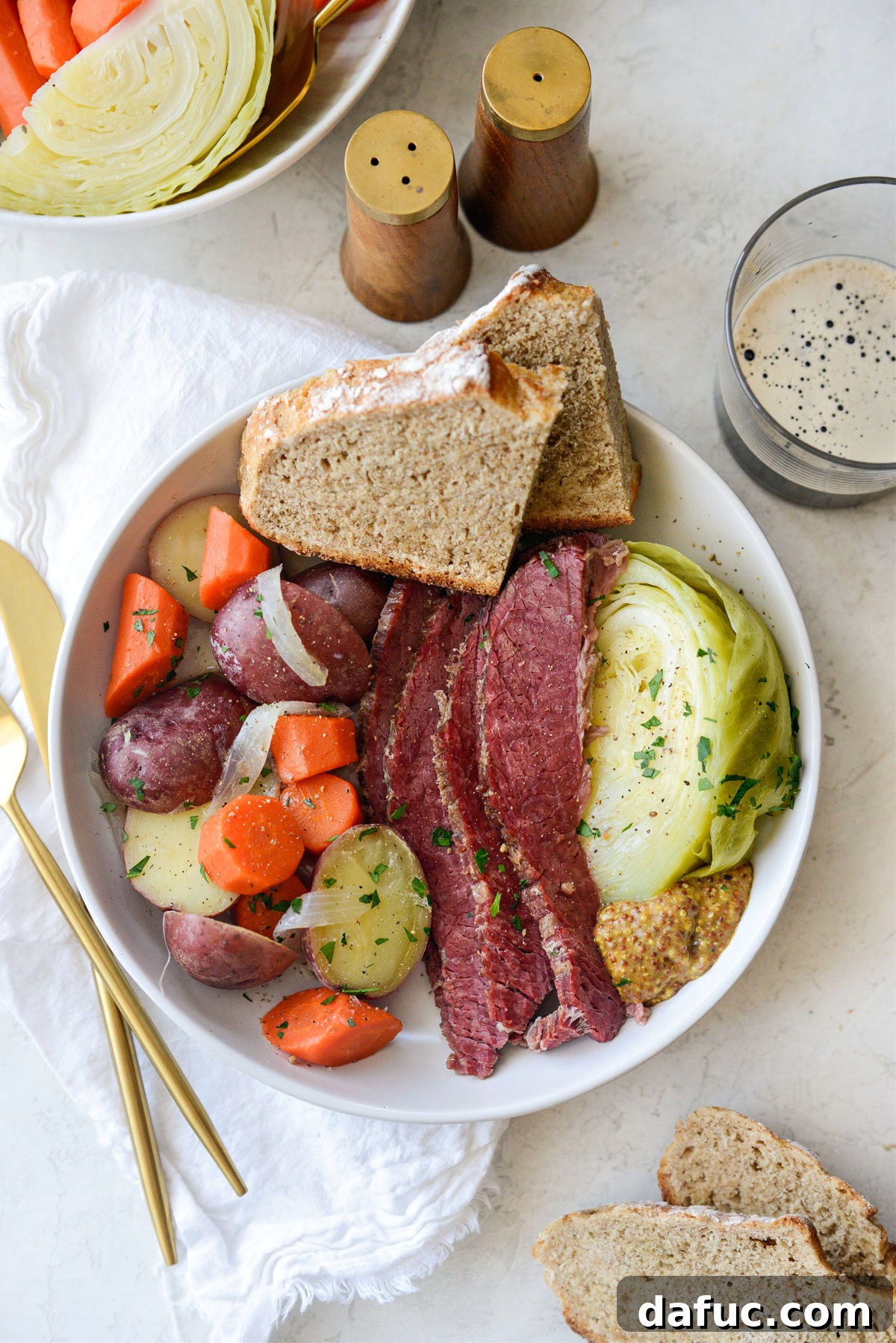
Corned Beef and Cabbage stands as a true emblem of Irish-American culinary tradition, particularly cherished during St. Patrick’s Day celebrations across the United States. This comprehensive guide will walk you through the preparation of a succulent corned beef brisket, perfectly paired with tender, boiled vegetables, ensuring a delightful and foolproof meal that captures the essence of this beloved holiday. Prepare to impress your family and friends with a dish that’s rich in flavor and steeped in cultural history.
The Enduring Charm of Corned Beef and Cabbage
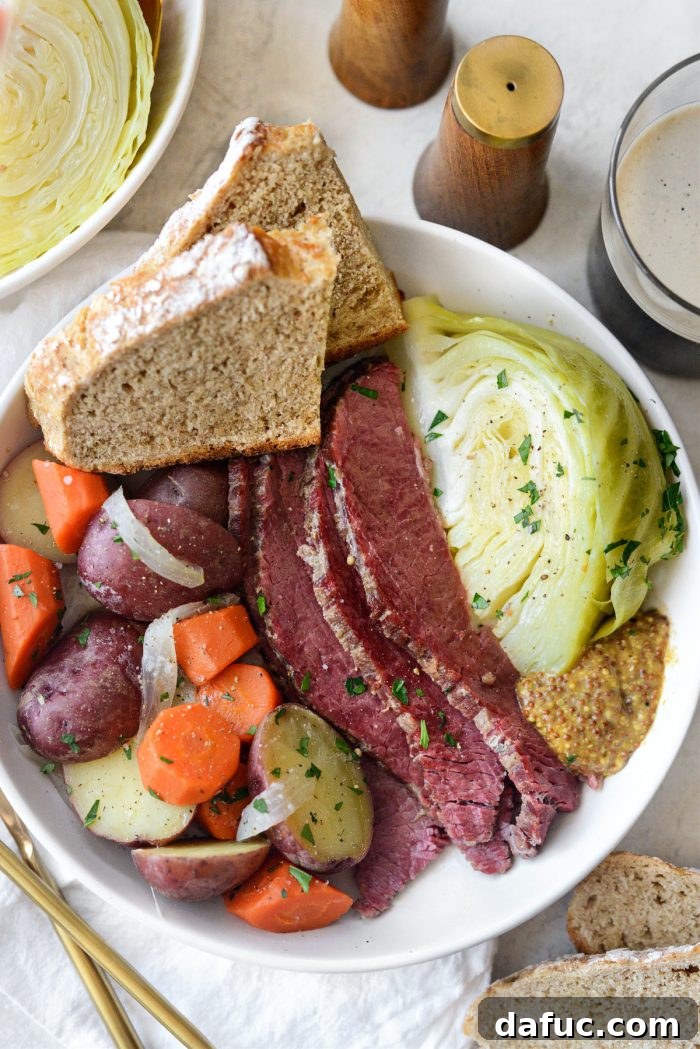
As St. Patrick’s Day approaches, a familiar excitement fills the air in Irish-American households. It’s a time for festive decorations, donning shades of green, and the comforting aroma of a slowly simmering beef brisket permeating the kitchen. For many, this annual tradition culminates in a hearty, one-pot meal: corned beef and cabbage.
This classic dish, often referred to as an “Irish Boiled Dinner,” might sound deceptively simple, but its depth of flavor and tender textures are truly extraordinary. A generously seasoned corned beef brisket is simmered for hours, developing an incredibly tender texture and rich taste. Later, vibrant carrots, comforting potatoes, and crisp cabbage wedges are added to the pot, absorbing the savory broth until they reach a state of sublime tenderness. It’s a meal that celebrates heritage and brings families together around the dinner table, making it an irreplaceable part of our annual St. Patrick’s Day feast.
A Culinary Journey: Is Corned Beef Truly Irish?
The history of corned beef is as rich and complex as its flavor, intertwining with economic, social, and migratory narratives. While deeply ingrained in the Irish-American identity, the story of corned beef reveals a nuanced relationship with its namesake.
The Irish Roots (and Rerouting) of Corned Beef
Indeed, corned beef does have historical ties to Ireland, particularly Cork, which was a significant center for the corned beef trade from the 17th to the 18th century. However, this beef was primarily produced for export, largely consumed by the British. Ireland’s lower salt tax at the time made it an economical hub for curing meats. The “corned beef” of centuries past was not quite the same as the cut we recognize today; it was a more heavily salted and tougher product, designed for preservation and transport rather than the tender, spiced brisket we enjoy. Irish peasants, struggling with poverty and land ownership, rarely had access to beef, which was considered a luxury and mainly raised for export or dairy.
How Corned Beef Became an American St. Patrick’s Day Staple
The dish gained immense popularity in America through the experiences of Irish immigrants. Arriving in urban centers like New York in the 19th century, many Irish families settled in close proximity to Jewish communities. Here, they discovered kosher butcher shops offering cuts of beef, often brisket, that were brined and cured in a way similar to traditional Irish bacon (which was their usual meat choice). This brined beef was significantly more affordable and accessible than the pork or fresh beef available elsewhere. Adapting their traditional “boiled dinner” with this newfound meat, Irish immigrants created the corned beef and cabbage dish that became synonymous with St. Patrick’s Day in America, a testament to culinary resourcefulness and cultural fusion.
Unpacking the Name: “Corned Beef” Explained
The term “corned” refers not to the grain we eat, but to the large, coarse salt crystals—often likened to kernels or “corns” of grain—used in the curing process. This salt, along with various spices, preserves the beef and infuses it with its distinctive flavor, transforming a simple cut of meat into a tender and savory brisket.
The Real Irish St. Patrick’s Day Meal
Interestingly, despite its American popularity, corned beef and cabbage is not traditionally eaten in Ireland on St. Patrick’s Day. Pork, particularly bacon and cabbage, has historically been and continues to be the primary meat source in Irish cuisine. Cows were valued for their strength in farming and for their dairy production, only being slaughtered for meat once they were too old to work or produce milk. The Irish celebration of St. Patrick’s Day typically features more traditional dishes like roasted lamb, shepherd’s pie, or bacon and cabbage.
For those eager to delve deeper into the fascinating history, numerous publications, including Smithsonian Magazine and Food and Wine, offer captivating insights into the origins and evolution of corned beef. This article provides a concise overview, but a deeper dive into these resources is highly recommended for history buffs and food enthusiasts alike!
Mastering the Perfect Corned Beef and Cabbage: A Step-by-Step Guide
Crafting this iconic dish is simpler than you might imagine, requiring just a few key ingredients and a patient approach to slow simmering. The result is a meal bursting with flavor, incredibly tender meat, and perfectly cooked vegetables.
Essential Ingredients for an Unforgettable Meal
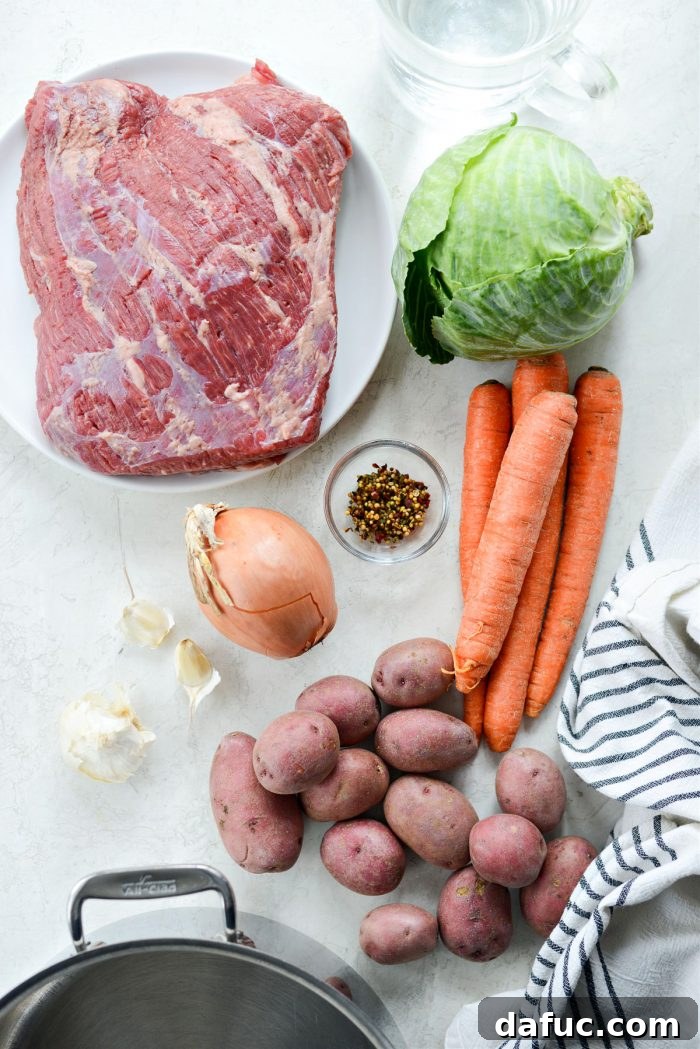
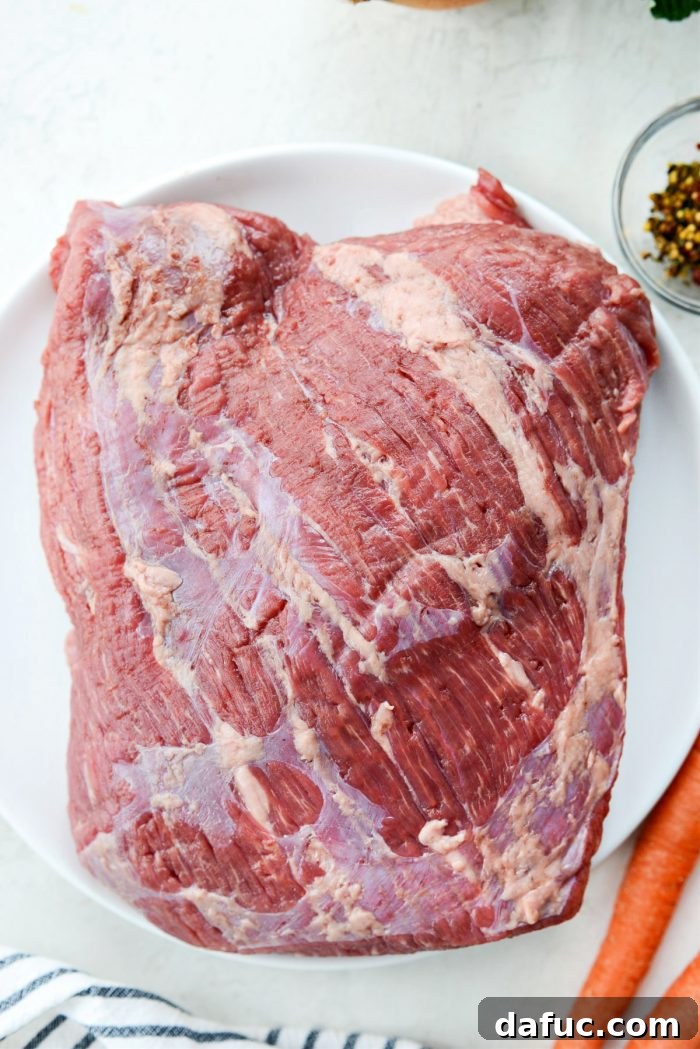
- Corned Beef Brisket: The star of our dish. When selecting, look for a brisket with a manageable fat cap; a thinner layer will render nicely during cooking, adding flavor without being overly greasy.
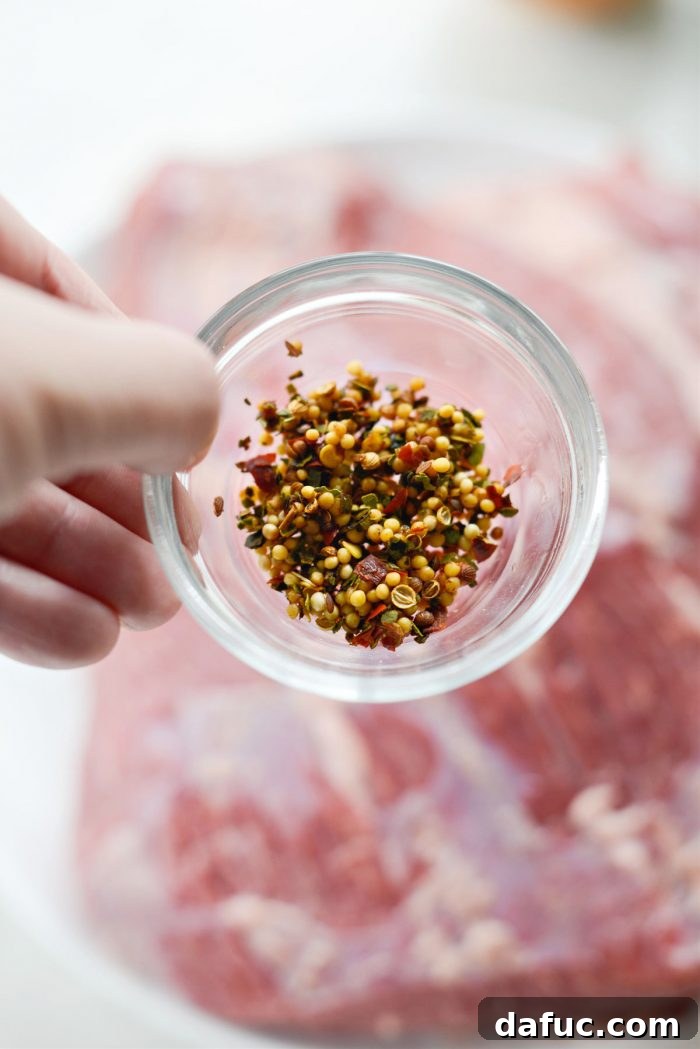
- Seasoning Packet: Almost all store-bought corned beef briskets come with a seasoning packet. This blend of pickling spices is crucial for infusing the cooking liquid and subsequently the vegetables with incredible aroma and taste.
- Garlic: Two smashed cloves of garlic add a subtle, aromatic depth to the simmering liquid, enhancing the overall savory profile of the dish.
- Green Cabbage: A small to medium head is ideal. Cutting it into wedges with a portion of the core intact helps hold the leaves together during cooking, preventing them from becoming too mushy and making them easier to serve.
- Baby Red Skinned Potatoes: These firm, waxy potatoes hold their shape well during boiling. If using larger red-skinned potatoes, simply quarter them to ensure even cooking with the other vegetables.
- Carrots: Peeled and cut into 1 to 1½-inch pieces, carrots contribute a vibrant color and a touch of earthy sweetness that beautifully complements the savory beef.
- Yellow Onion: Halved and vertically sliced, the onion slowly softens and sweetens as it cooks in the broth, adding a foundational layer of flavor to the vegetables.
- Salted Butter: A pat of salted butter melted over the hot vegetables just before serving adds a luxurious richness and enhances their natural flavors.
- Kosher Salt and Freshly Ground Black Pepper: Essential for seasoning the finished dish to taste, bringing out all the delicious nuances.
- Coarse Ground Mustard: An optional but highly recommended accompaniment, its sharp, tangy notes provide a wonderful contrast to the rich corned beef.
- Irish Soda Bread or Irish Brown Bread: Serving slices of warm, freshly baked Irish bread alongside this meal is the perfect way to complete the experience, ideal for soaking up any remaining savory broth.
A Note on Pickling Spice:
You can certainly use the seasoning packet that comes with your corned beef brisket. Some home cooks prefer to enhance it by adding their own blend of pickling spices. Whichever route you choose, the key function of these spices is to flavor the cooking liquid, which in turn seasons the vegetables as they cook. The corned beef itself is already well-seasoned from its brining process, so don’t fret too much over customization – the packaged spices will yield excellent results!
Preparing Your Brisket for Optimal Flavor
Before cooking, give your corned beef brisket a thorough rinse under lukewarm water. This helps to wash away any excess brine that might cling to the surface, preventing the final dish from becoming overly salty. Gently pat the brisket dry with paper towels. Rest assured, this rinsing step will not diminish the flavorful cure that has already penetrated the meat; it simply ensures a perfectly balanced taste.
The Low and Slow Simmer: Cooking Your Corned Beef to Perfection
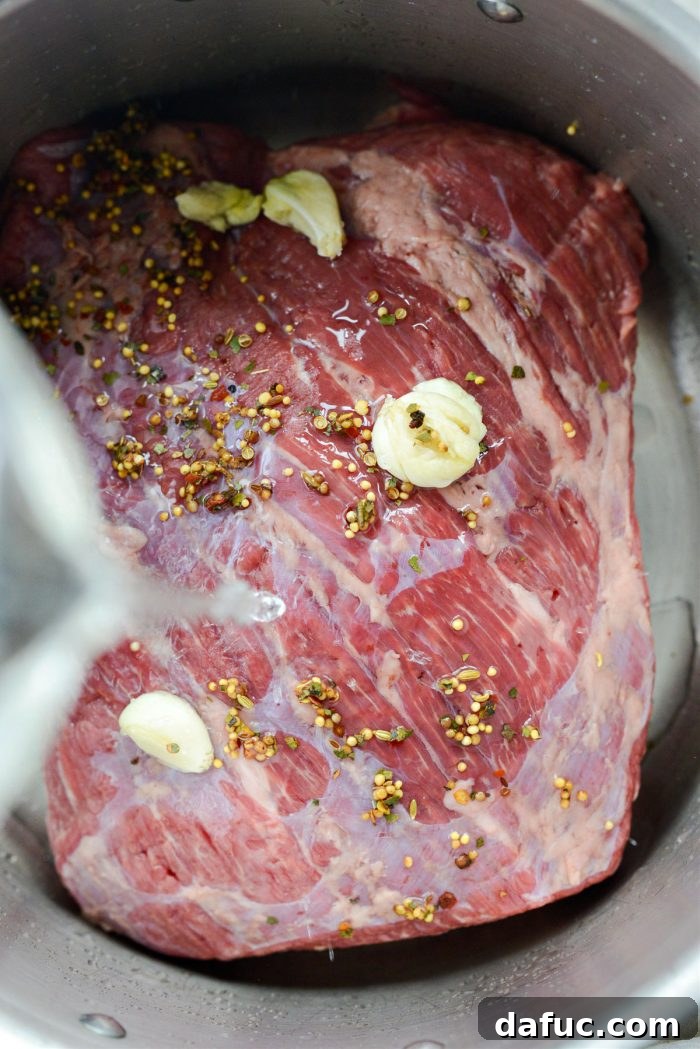
Place the rinsed and patted-dry beef brisket into a large, heavy-bottomed stockpot. Add the two smashed cloves of garlic and the entire seasoning packet. Pour in at least 12 cups of water, or enough to completely submerge the brisket by a few inches, ensuring there’s still some room at the top of the pot to prevent boil-overs.

Cover the pot with a lid and bring the water to a near boil. You’ll know it’s ready when the lid begins to gently rattle. Immediately reduce the heat to low or medium-low, allowing the liquid to maintain a gentle simmer. Cook with the lid askew, allowing some steam to escape, for approximately 50 minutes per pound of brisket. For instance, a 4-pound corned beef will require roughly 3½ hours of cooking time. During this slow simmer, the tough connective tissues in the brisket break down, transforming it into an incredibly tender and flavorful cut. It’s a good practice to check on the brisket about a third of the way through cooking, adding a bit more water if needed to keep it submerged, and perhaps giving it a turn for even cooking.
Adding the Vibrant Vegetables
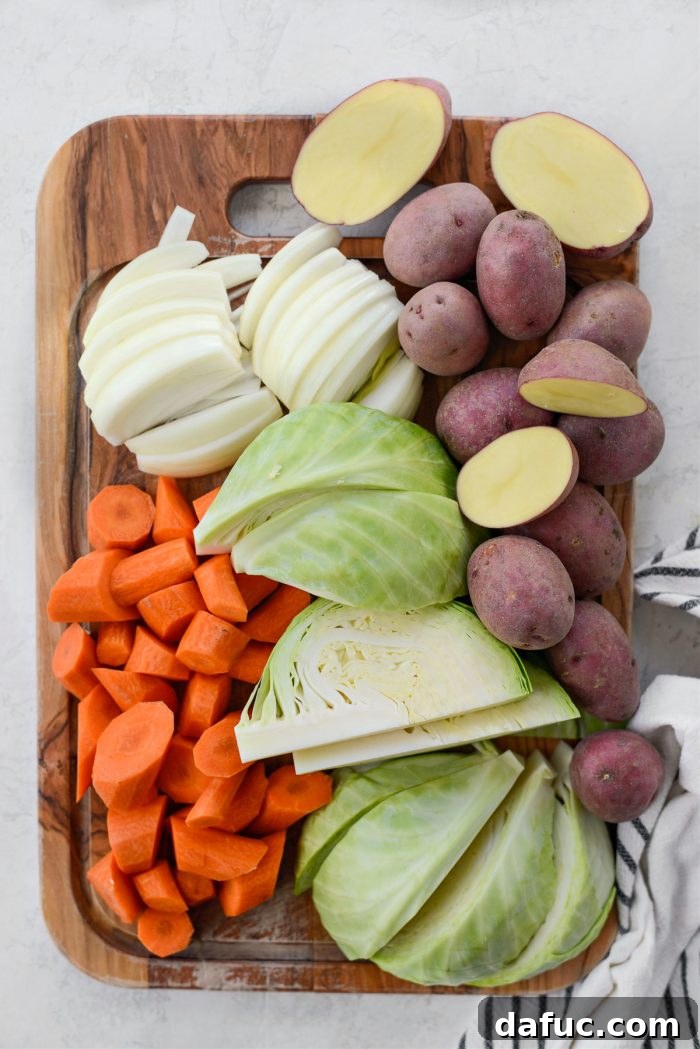
With about 40 minutes remaining on the brisket’s cooking timer, it’s time to prepare your vegetables. First, scrub the baby red-skinned potatoes clean; if any are particularly large, halve them for even cooking. Peel your carrots and cut them into uniform 1 to 1½-inch pieces. For the cabbage, carefully cut a small to medium head into eight wedges, ensuring a portion of the core remains intact in each wedge to help them stay together during cooking.
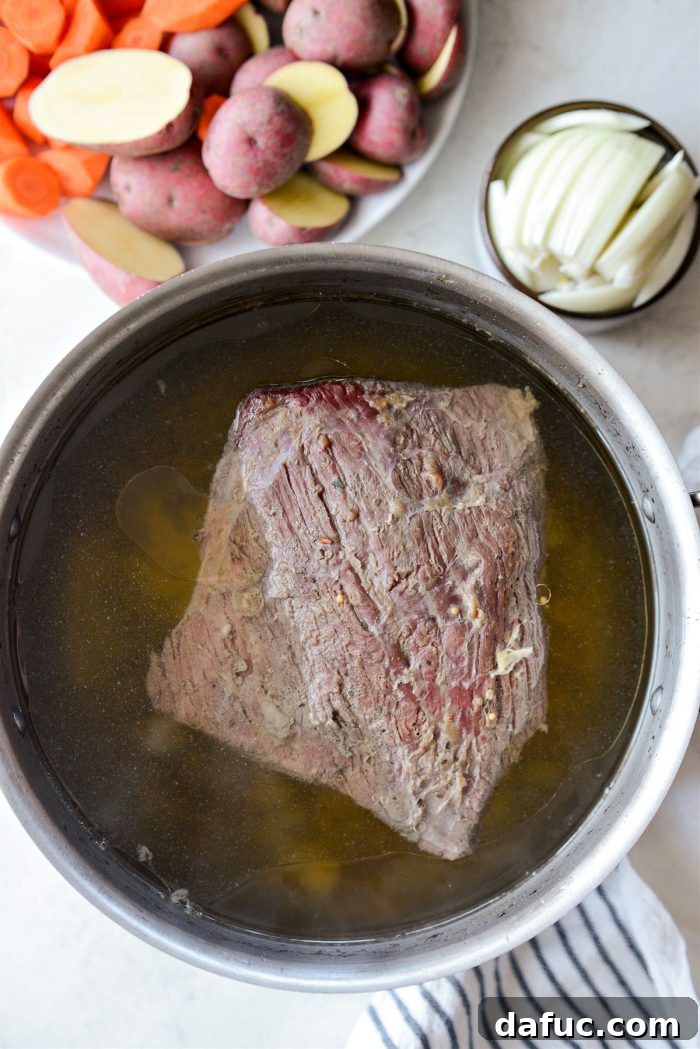
Once the corned beef has finished its long simmer, it will appear noticeably smaller and might not boast the most appealing color, but its tender texture and robust flavor are now fully developed.
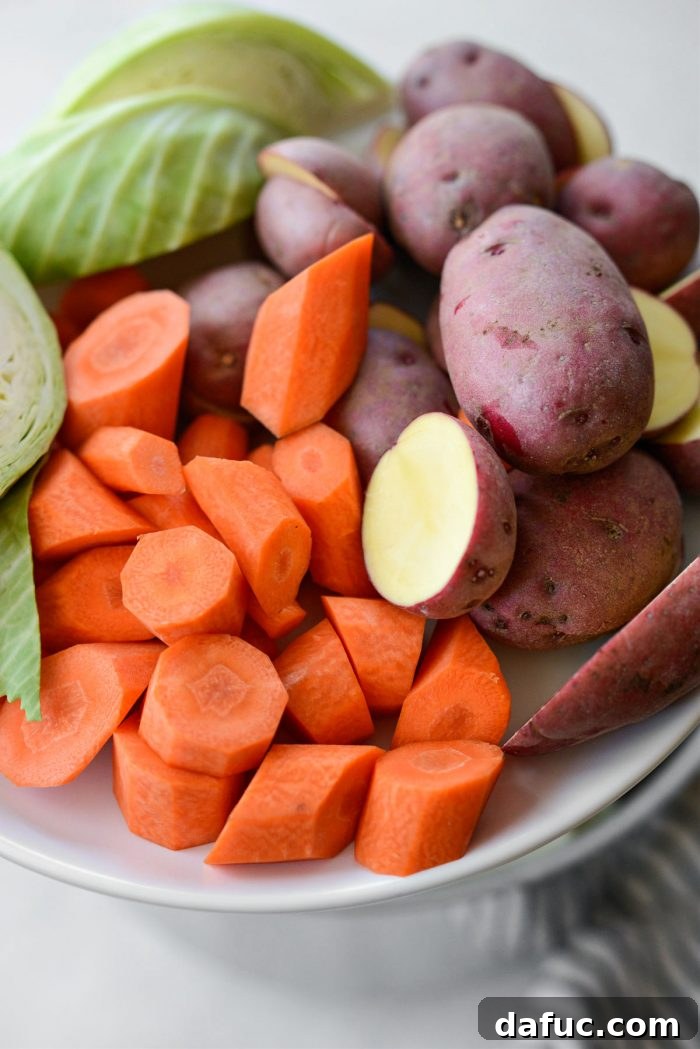
Now, carefully add the prepped onions, carrots, and potatoes to the pot around the brisket. Arrange the cabbage wedges on top. Cover the pot again and continue to cook for another 30 to 40 minutes, or until all the vegetables are fork-tender.
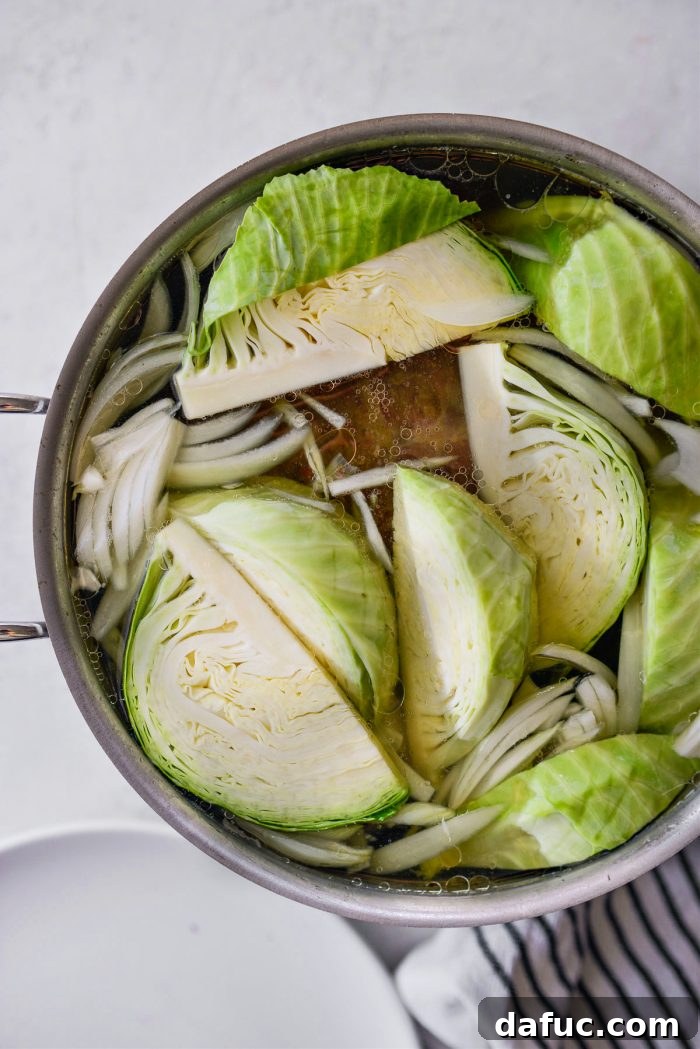
The vegetables are done when a fork glides through them easily.
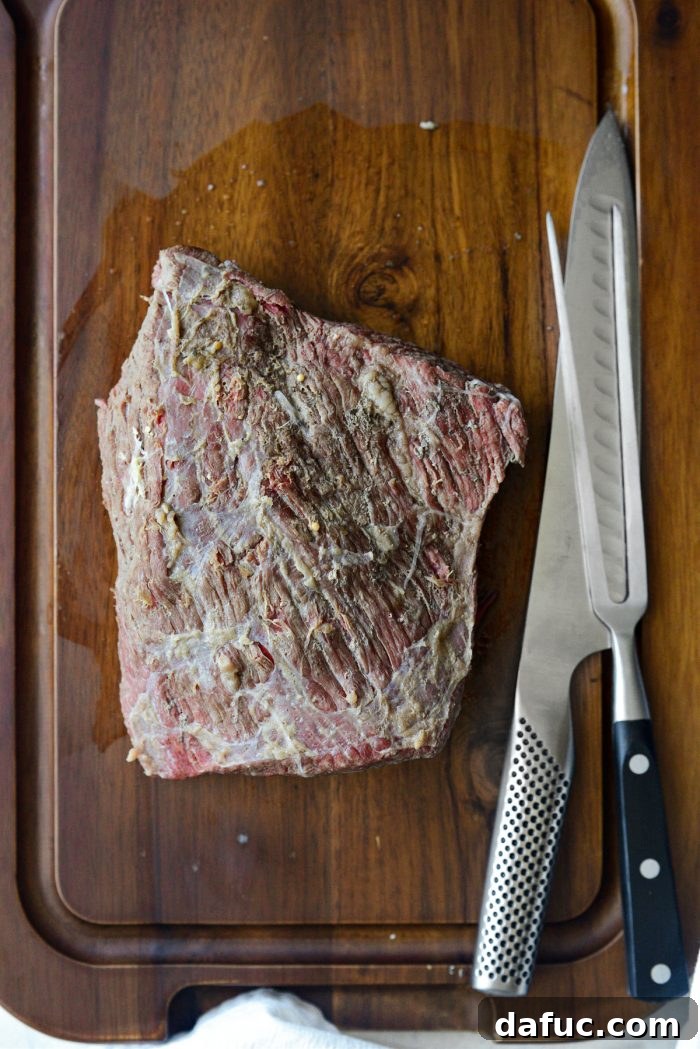
The Art of Carving and Serving
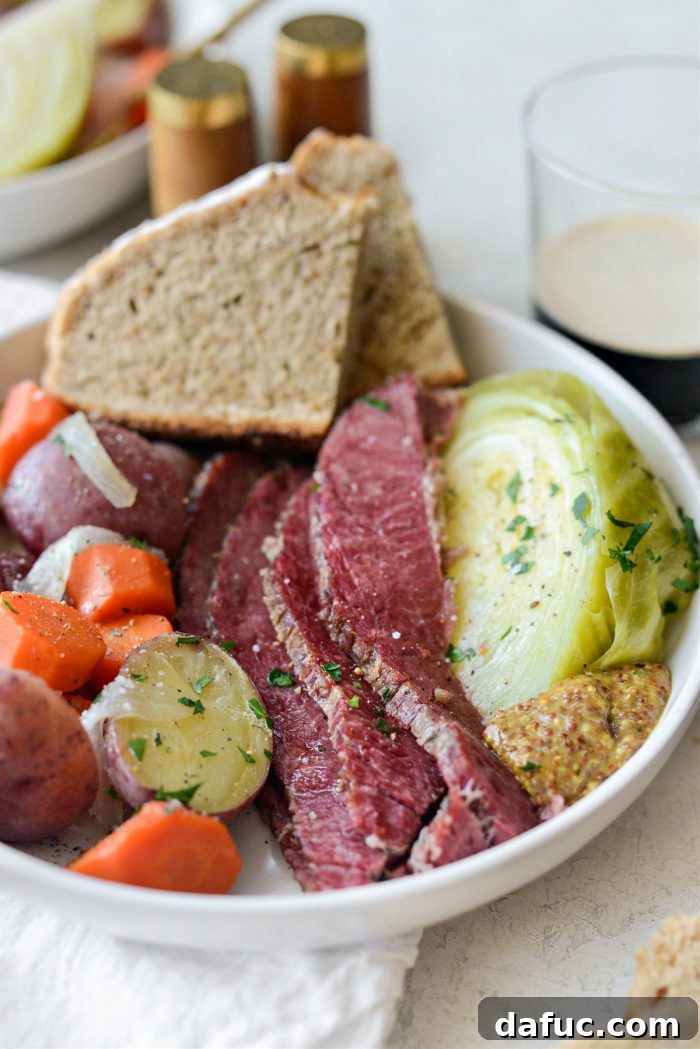
Believe it or not, there’s a right way and a wrong way to carve corned beef. To ensure beautifully tender slices that don’t shred, you must always cut against the grain of the meat. Observe the cooked brisket carefully to identify the direction of the muscle fibers. For example, if the grain runs diagonally, you’ll want to slice perpendicular to that direction. Thin slices cut against the grain will yield tender, melt-in-your-mouth pieces, while slicing with the grain will result in a tougher, stringier texture.
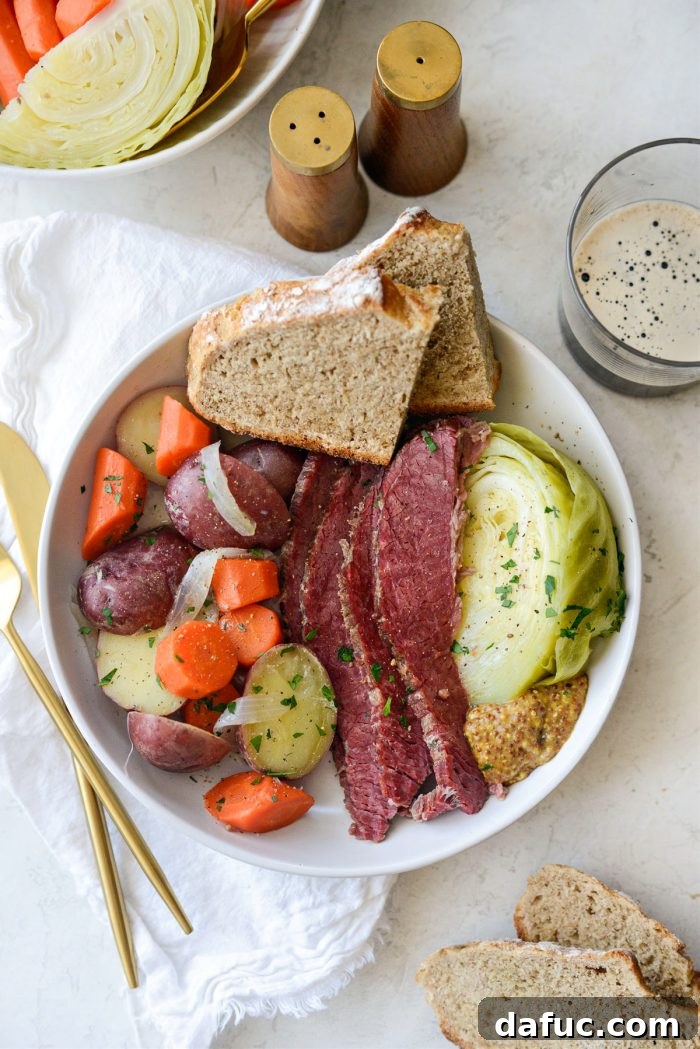
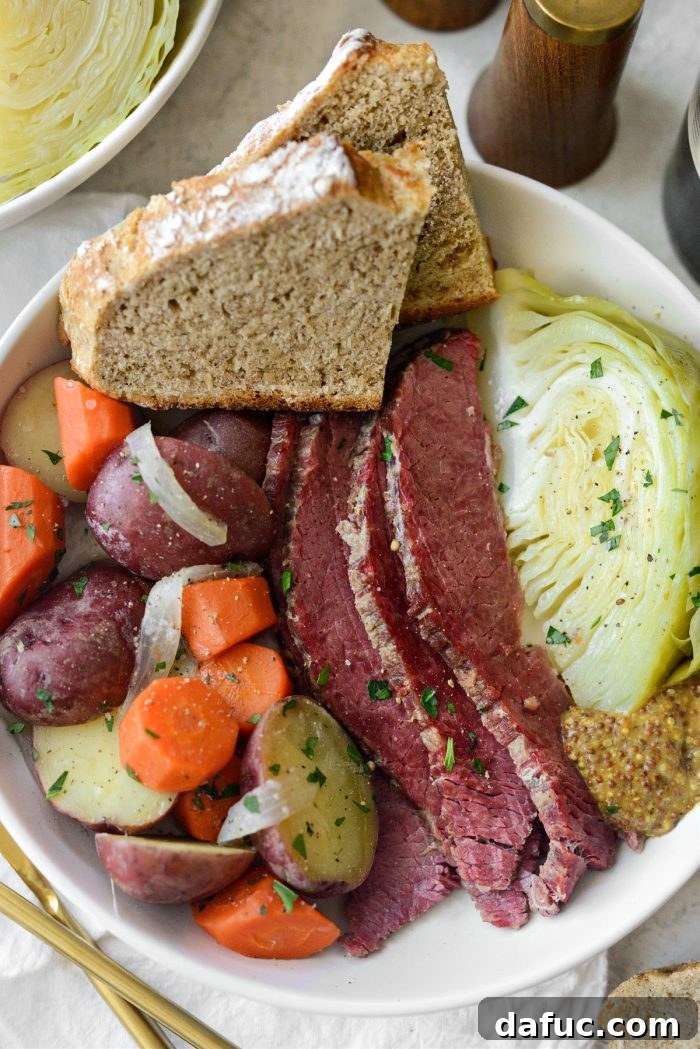
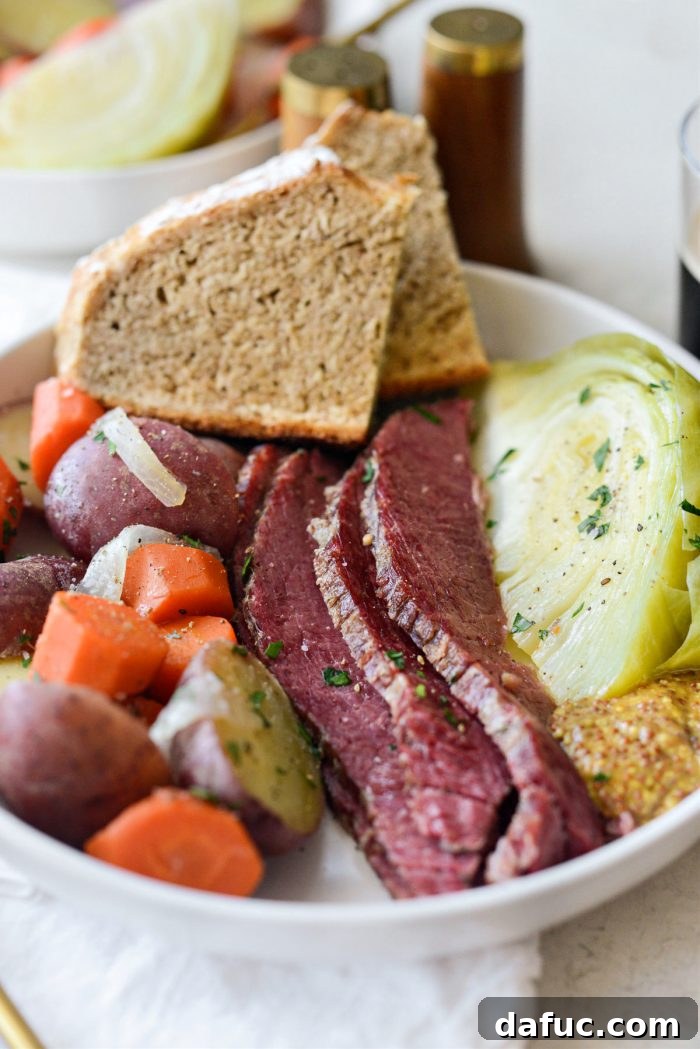
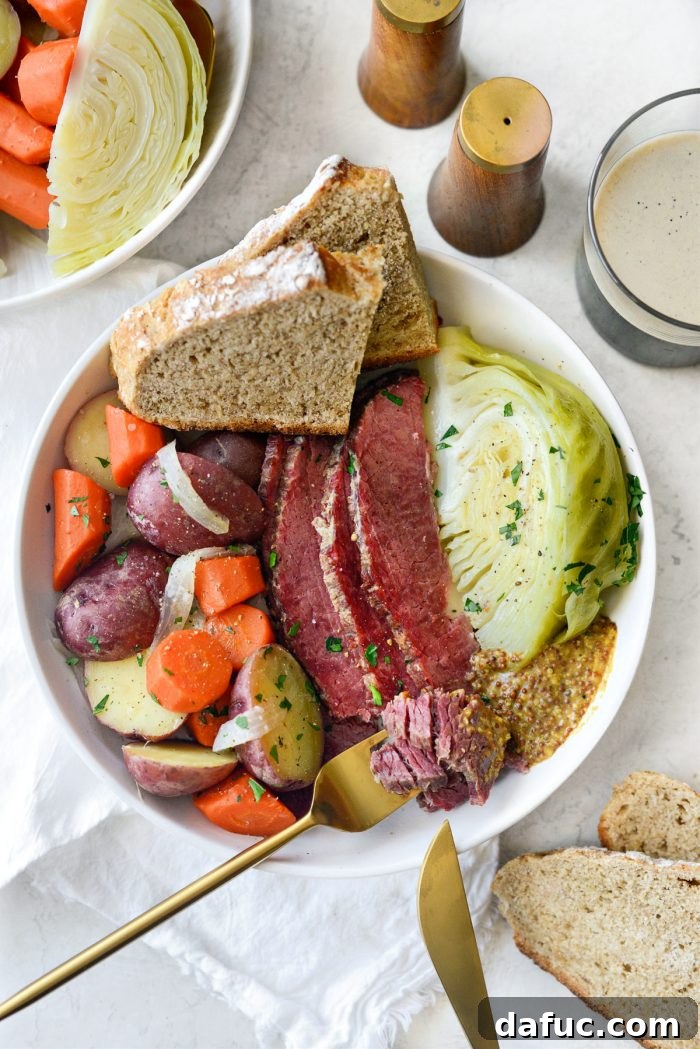
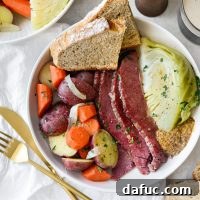
Arrange generous slices of the tender corned beef alongside the vibrant, perfectly cooked vegetables on individual plates. Enhance the flavors of the potatoes, carrots, and cabbage with a generous pat of salted butter, a sprinkle of kosher salt, and a grind of fresh black pepper. For an extra touch of freshness, a dash of chopped fresh parsley can be added. The rich, savory notes of the corned beef are wonderfully complemented by the sharp, tangy bite of a coarse-ground mustard, making it an ideal dipping companion. Complete this wholesome and hearty meal with warm slices of Irish soda bread or brown bread, perfect for soaking up the delicious juices.
Pro Tips for Your Best Corned Beef and Cabbage
- For Extra Flavor: Consider adding a bay leaf or a tablespoon of whole black peppercorns to the cooking liquid along with the seasoning packet for an even more complex aroma.
- Perfect Cabbage: If you prefer your cabbage a bit firmer, add it about 15-20 minutes before the end of the cooking time, rather than the full 30-40 minutes.
- Leftover Brilliance: Don’t let leftovers go to waste! Sliced corned beef makes incredible sandwiches, and chopped vegetables can be pan-fried for a delicious hash.
- Slow Cooker Method: While this recipe uses a stockpot, corned beef can also be cooked in a slow cooker. Follow similar liquid ratios and cook on low for 6-8 hours or on high for 3-4 hours, adding vegetables in the last hour.
- Serving Suggestions Beyond Mustard: Experiment with a horseradish sauce for a spicy kick, or even a simple vinaigrette over the cabbage for a lighter contrast.
A Celebration on Your Plate: Enjoy Your Irish-American Feast!
This classic Corned Beef and Cabbage recipe is more than just a meal; it’s a celebration of heritage, comfort, and delicious flavors. Whether you’re honoring St. Patrick’s Day or simply craving a hearty, satisfying dinner, this foolproof guide will help you create a memorable feast. The tender brisket, savory broth-infused vegetables, and simple garnishes come together to create a dish that is both rustic and refined, a true testament to the enduring appeal of Irish-American cooking. We hope you enjoy preparing and sharing this wonderful meal!
Enjoy! And if you give this Corned Beef and Cabbage recipe a try, we’d love to hear from you! Snap a photo and share your creation, tagging us on Twitter or Instagram!
Print Recipe
Pin Recipe
Leave a Review »
Corned Beef and Cabbage (Irish Boiled Dinner)
Ingredients
- 4 pounds corned beef brisket
- 2 cloves garlic, smashed and peeled
- seasoning packet, included with the corned beef brisket
- 1½ pounds baby red skinned potatoes, halved if large
- 4 large carrots, peeled and cut into 1-inch pieces
- 1 yellow onion, halved and sliced vertically
- 1 small head cabbage, cut into wedges with the root intact
Instructions
-
Rinse your corned beef well and pat dry with paper towel.
-
Place the brisket in a large stock pot with smashed garlic, pickling seasoning and cover with at least 12 cups of water, leaving a few inches at the top of the pot.
-
Cover and bring to a near boil. Then reduce to a simmer and cook for 50 minute per pound. ( 4 pound brisket will take approximately 3-1/2 hours)
-
I usually check on it 1/3 of the way and add more water and turn the corned beef.
-
When 30 minutes are remaining; add potatoes, carrots, onions and cover with the wedges of cabbage.
-
The vegetables are done when a fork glides through easily.
-
Once the corned beef is cookied, remove and transfer to a carving board. Slice the corned beef against the grain.
-
Serve the boiled vegetables with butter, salt and pepper, and I love to dip my corned beef in mustard.